

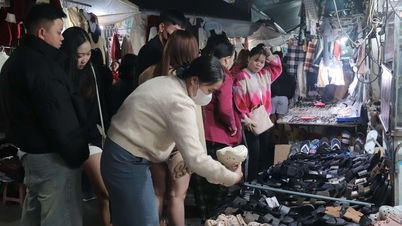
From Hanoi to Ho Chi Minh City, many large and small secondhand clothing purchasing points are posting ads seeking and buying clothes by weight from domestic fashion brands. This activity is even more bustling at the beginning of the new season. Ms. Phuong Nhung (41 years old, Hanoi) jokingly said: "The autumn/winter fashion week for secondhand clothing enthusiasts has begun. The shop owner just messaged me to come see the new items on display; they're all from the previous fashion season, still 80-90% new."
We purchase directly from consumers, stores, and fashion brands.
The core difference of domestically sourced, recycled fashion secondhand goods lies in their source. No longer dependent on imported bales from the US, Europe, and Japan, which carry risks regarding quality, sizing, and often being out of style, the goods purchased by weight mainly come from the inventory of Vietnamese brands, some are imported goods sold off by local stores, or items resold by users. Most of them are still in good condition and have high usability value.
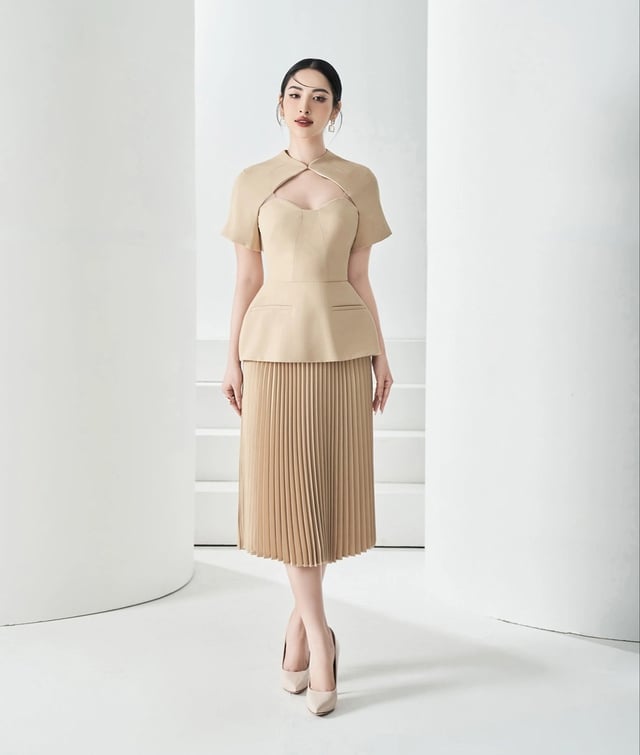
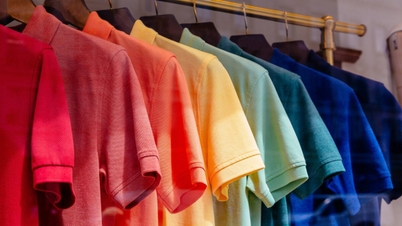
Being able to wear beautiful, timeless clothes at an affordable price is the dream of many fashion enthusiasts.
PHOTO: SHE BY CQ
The purchasing process is very simple and quick: just call or message via Zalo; send photos and the quantity of goods to be liquidated, and the units will come to your location to assess and pay on the spot. The price depends on the model, brand, quality, and quantity of goods being liquidated, but it will range from 90,000 VND to 120,000 VND per kilogram. Compared to retail or consignment sales, this price per kilogram is not too disadvantageous for sellers.
Online (and offline) purchasing units such as "Specializing in buying liquidated clothing and surplus stock", " Hanoi Consignment Clothing Liquidation", "Clothing Buying Service in Hanoi", "She by CQ", "24/7 Inventory Rescue"… or community groups like "Local Brand Addicts", "Liquidation of Vietnamese Local Brands"… currently have tens of thousands of members, posting hundreds of buying and selling ads every week, creating a vibrant and attractive niche market. A typical post from these purchasing pages includes very clear statements such as: clothes, shoes, bags, unused items, used items that are still 90% new, surplus stock - old season fashion items, odd sizes, out-of-trend items, items from shops closing down. And they all emphasize: no buying of used imported secondhand goods…
New consumer trends
In the context of a rapidly evolving fashion market, where new collections are launched every season, dealing with leftover inventory has become a major challenge for many brands, stores, and even individual shoppers. Not only does it take up warehouse space and create financial pressure due to tied-up capital, but the goods are also susceptible to deterioration and loss of value in humid weather – a common occurrence in Northern Vietnam.
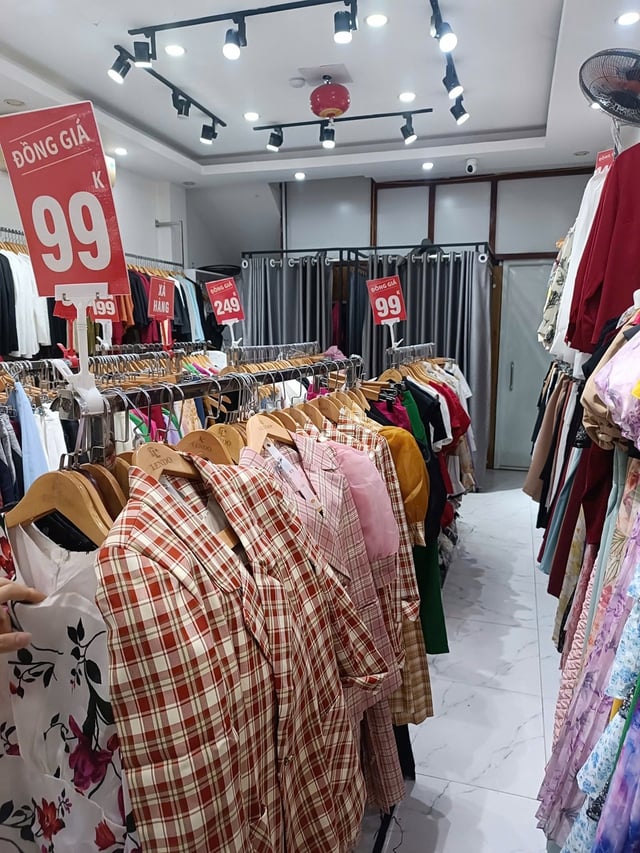
Communities that buy "90% new" items show that young people are ready to embrace sustainable consumption, as long as it remains fashionable and reflects their personality.
PHOTO: PAGE 247 INVENTORY RESCUE
The owner of a women's fashion store in Cau Giay District, Hanoi, said: "Northern Vietnam has four seasons, and the weather changes incredibly quickly. Sometimes I'm really stressed out dealing with the inventory in my warehouse. It takes up space and I worry about mold and mildew, which reduces the value of my clothes. Even with efforts to put up 'sale' signs with discounts of 70-80% from the middle of the season, it's still difficult to sell everything. Since partnering with a purchasing company, I feel much more relieved. They come to my store to assess, buy, and pay immediately. My warehouse is freed up, and I have capital to import new designs, keeping up with market trends."
Meanwhile, Thu Trang (20 years old, Hanoi) said: "As students, we love domestic fashion brands but don't have much money, so buying products in bulk by weight is very advantageous. The items are mostly leftover stock from previous seasons, still 80-90% new, and more fashionable than imported secondhand clothes. It helps me save money and look better in them. The feeling of hunting for my favorite branded items at the price of just a few cups of bubble tea is also great..."
The trend of purchasing clothing by weight is gradually replacing the traditional secondhand clothing import model, which carries many risks regarding quality and waste. Focusing on domestically sourced surplus and used but still in good condition not only creates a professional and sustainable fashion cycle with a clear collection, sorting, and pricing process, but also ensures a consistent supply of trendy products, allowing consumers to access items that are not yet outdated, supporting Vietnamese brands towards sustainable development, and contributing to reducing global waste pressure.
Source: https://thanhnien.vn/tuan-hoan-thoi-trang-noi-dia-185251006233803916.htm


















![[Photo] Prime Minister Pham Minh Chinh receives the Chinese Ambassador to Vietnam](https://vphoto.vietnam.vn/thumb/1200x675/vietnam/resource/IMAGE/2026/04/05/1775397481797_ndo_br_dsc-5512-jpg.webp)












































Comment (0)