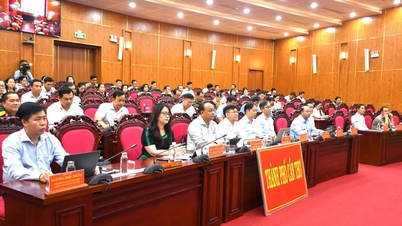
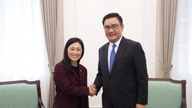
The European Union recently held an emergency meeting with Gulf states to find urgent solutions to the risk of oil and gas shortages for Europe and its member states, amid escalating tensions surrounding Iran . The meeting, held online, was co-chaired by European Council President António Costa and European Commission President Ursula von der Leyen.
On the EU side, the urgent solution is to ensure that the supply of oil and gas from the Gulf is not disrupted. The European Commission said it has activated emergency coordination mechanisms for gas and oil, working with member states to review reserves, monitor imports, and prepare response plans.

The goal is to help Europe be more proactive in allocating supply, limit price fluctuations, and reduce pressure on production and transport across the bloc. The second solution proposed by European officials is to enhance maritime security through two missions that the EU has been and is currently implementing. These missions are used to monitor and protect commercial vessels, oil tankers, and gas carriers in sensitive areas such as the Strait of Hormuz, thereby reducing the risk of disruptions to vital energy transport routes.
In addition to the two solutions above, the EU is also strengthening coordination with its Gulf partners to stabilize the energy market, while preparing contingency plans in case of serious supply disruptions, including the possibility of international coordination to supplement the market with oil from emergency reserves.
In a related development, G7 finance ministers also held an emergency meeting to discuss the possibility of coordinating the use of strategic oil reserves to cool energy prices and alleviate supply shortages. However, as of now, the G7 has only reached a temporary consensus not to release oil from reserves onto the market and will closely monitor energy market developments before making a final decision.


Source: https://vtv.vn/ung-pho-nguy-co-thieu-hut-dau-khi-100260310100328884.htm