


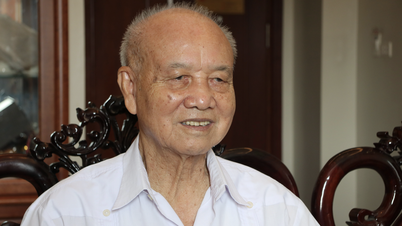
Dr. Trinh Le Anh, from the University of Social Sciences and Humanities, Vietnam National University , Hanoi, believes that the digital age has changed the way young people access culture…
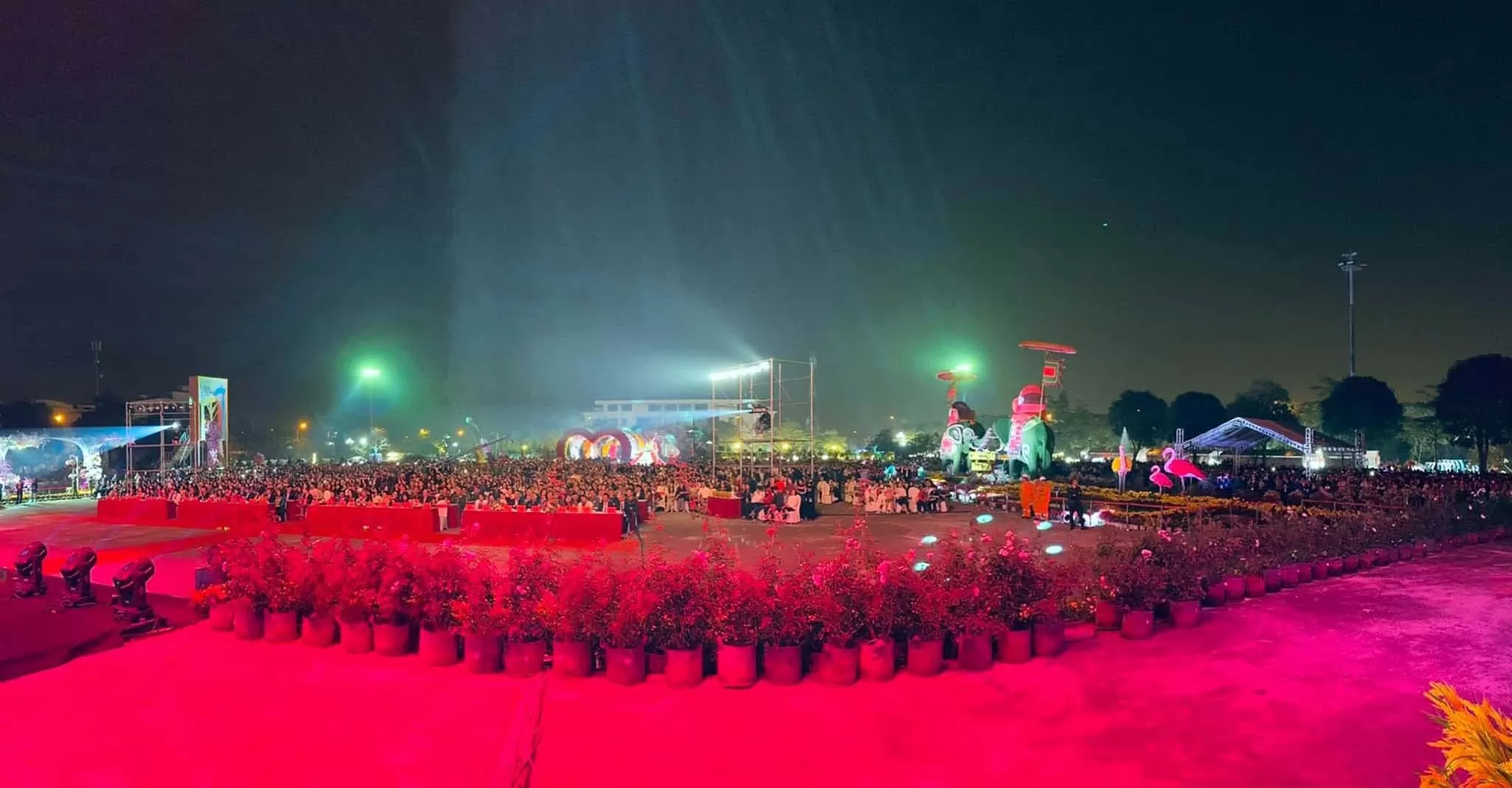 |
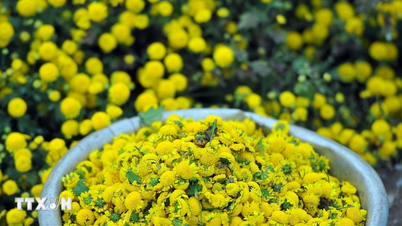
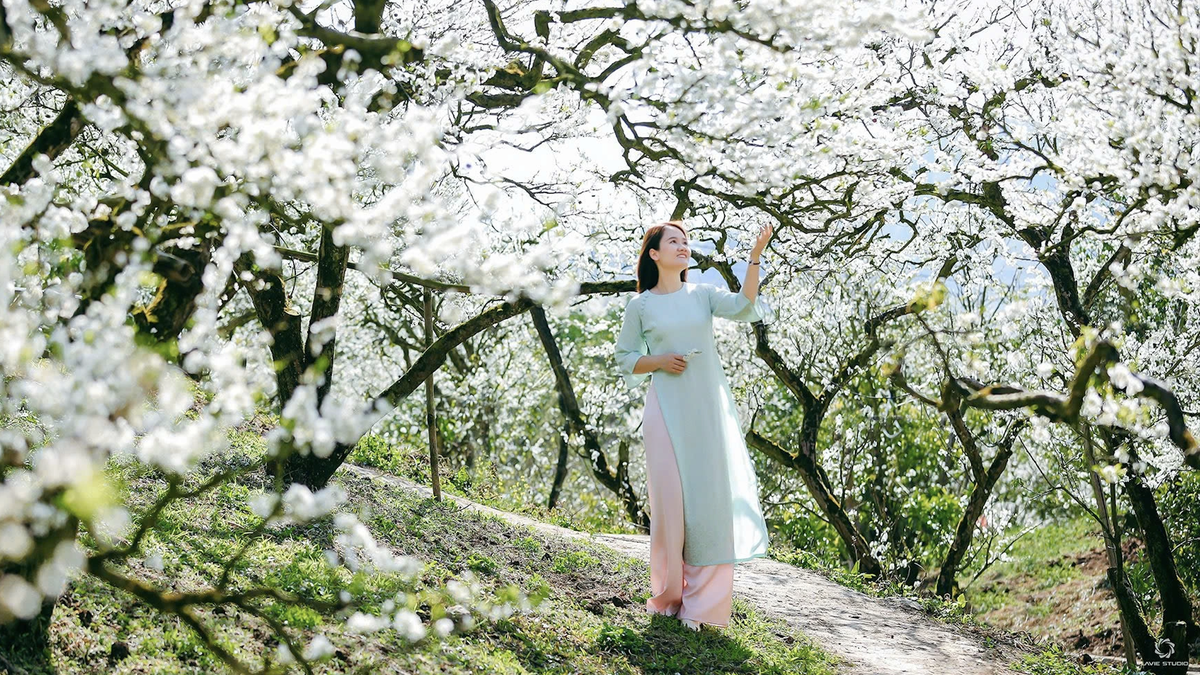
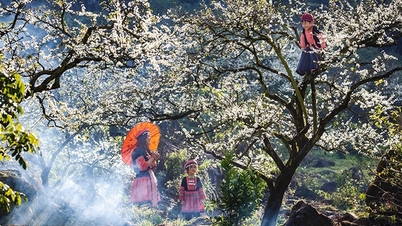
| Me Linh Flower Festival, Hanoi 2024. (Photo: Provided by the artist) |
What is your perspective on the most prominent cultural trends today? How does social media influence the formation and spread of cultural trends?
Regarding current cultural trends, especially in the context of digital transformation, I see everything mixing together in a very interesting way. It's no longer a matter of separate "old" and "new," but rather an intermingling and interaction between tradition and modernity, between the distinctive features of Vietnamese culture and global trends. Popular culture and digital culture are strongly on the rise.
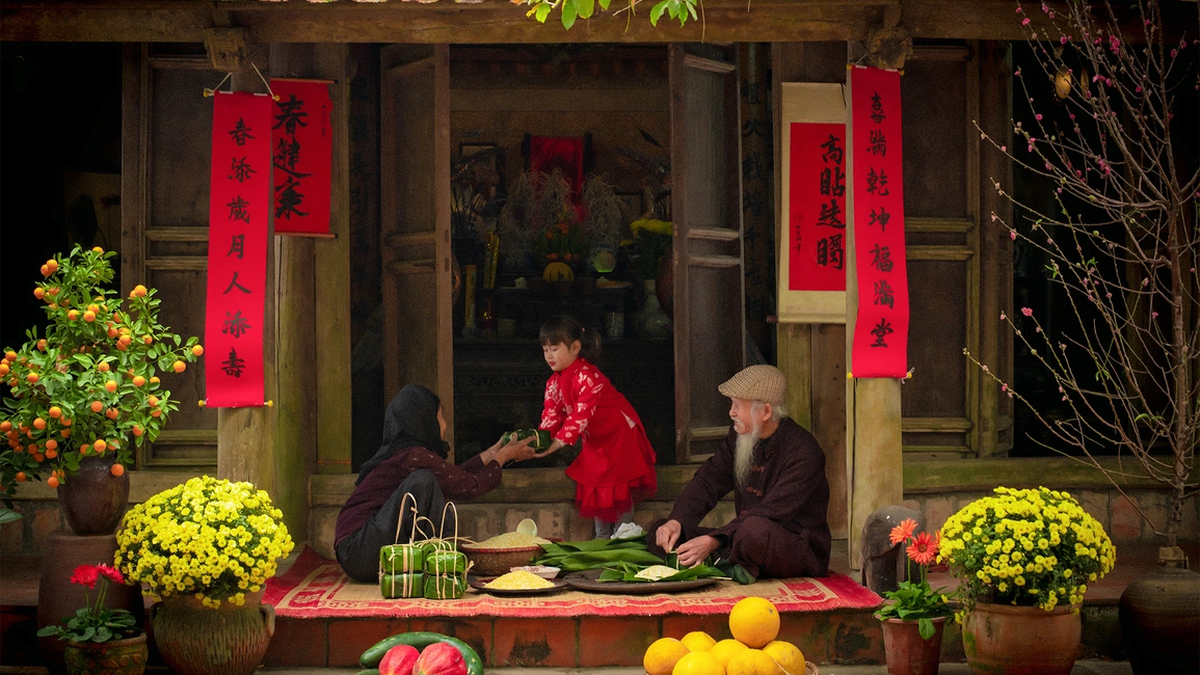
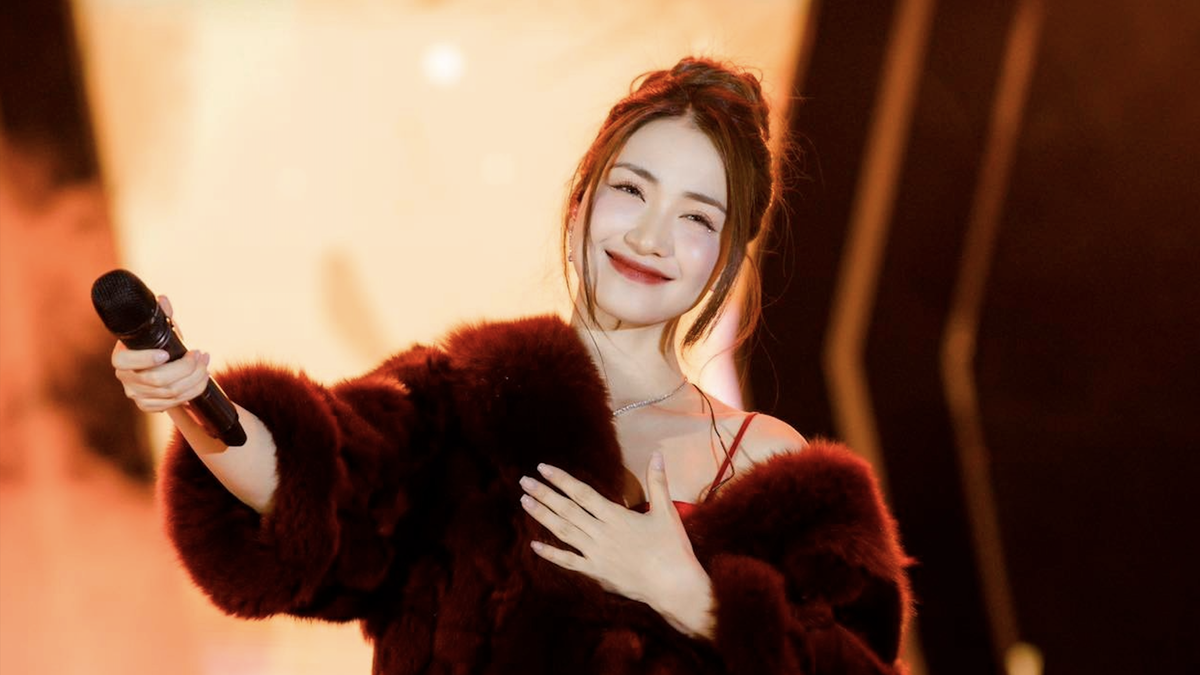
For example, young people not only sing folk songs in the traditional style, but also innovate and remix them in a modern way. The ao dai (Vietnamese traditional dress) is no longer just a festival outfit but has become everyday wear, shared by young people on social media. Cultural products such as the film "Mat Biec" (Blue Eyes) or Hoang Thuy Linh's song "See Tinh" (See Love) are both popular domestically and famous worldwide , especially on social media.
According to the “Digital 2024: Vietnam” report by We Are Social and DataReportal, as of January 2024, Vietnam had 78.44 million internet users, accounting for 79.1% of the population. Of these, 72.70 million were using social media. Social media has become an indispensable part of cultural life. With nearly 80% of the Vietnamese population using the internet and over 70% using social media, the influence of this platform is clear. Social media creates a large “stage” where people can freely express themselves, share culture, and create new trends.
Social media makes it easier for people to access cultural products, spread traditional values, and create opportunities for talented young people to express themselves, no longer relying on traditional channels. Vlogs, podcasts, etc., have flourished, creating an incredibly rich digital cultural life.
However, alongside its positive aspects, social media presents many challenges. Countercultural content, copyright infringement, and fake news are rampant, negatively impacting the perceptions of young people. The commercialization of culture is also a worrying issue. Without proper guidance, we could lose our traditional cultural values.
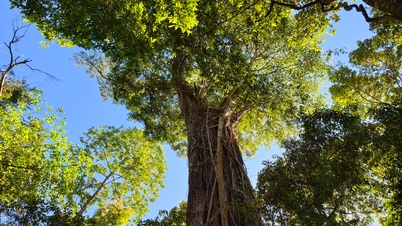
Therefore, during this period, appropriate policies and solutions are needed to maximize the benefits of social media while minimizing negative impacts. The key is to ensure that Vietnamese culture develops sustainably and modernly while preserving its traditional beauty. Culture is like a tree; it needs care for both its roots and branches to thrive.
In the digital age, social media platforms and online entertainment apps have completely changed how young people access culture. In your opinion, what are the most prominent positive and negative impacts of this trend?
The digital age has dramatically changed how young people access culture. I myself have to constantly update my knowledge to avoid falling behind. On the positive side, the internet opens up a treasure trove of culture for young people. Now, with just a few clicks, young people can access diverse forms of culture from around the world, from opera at the La Scala Theatre and jazz in New Orleans to paintings at the Louvre Museum. All of this is available on YouTube, Spotify, and other platforms, creating a diversity of cultural experiences we never imagined before.
According to the "Digital 2024" report, the average Vietnamese person spends about 6 hours and 38 minutes per day on the internet, including using social media, watching movies, listening to music, and many other activities. This opens up many opportunities for young people to access diverse cultures around the world. However, alongside the positive aspects, we also see the negative sides. The spread of fake news on social media is a serious problem, affecting many people, especially young people. Numerous studies have shown that excessive exposure to fake news can distort perceptions and cause negative consequences for society.
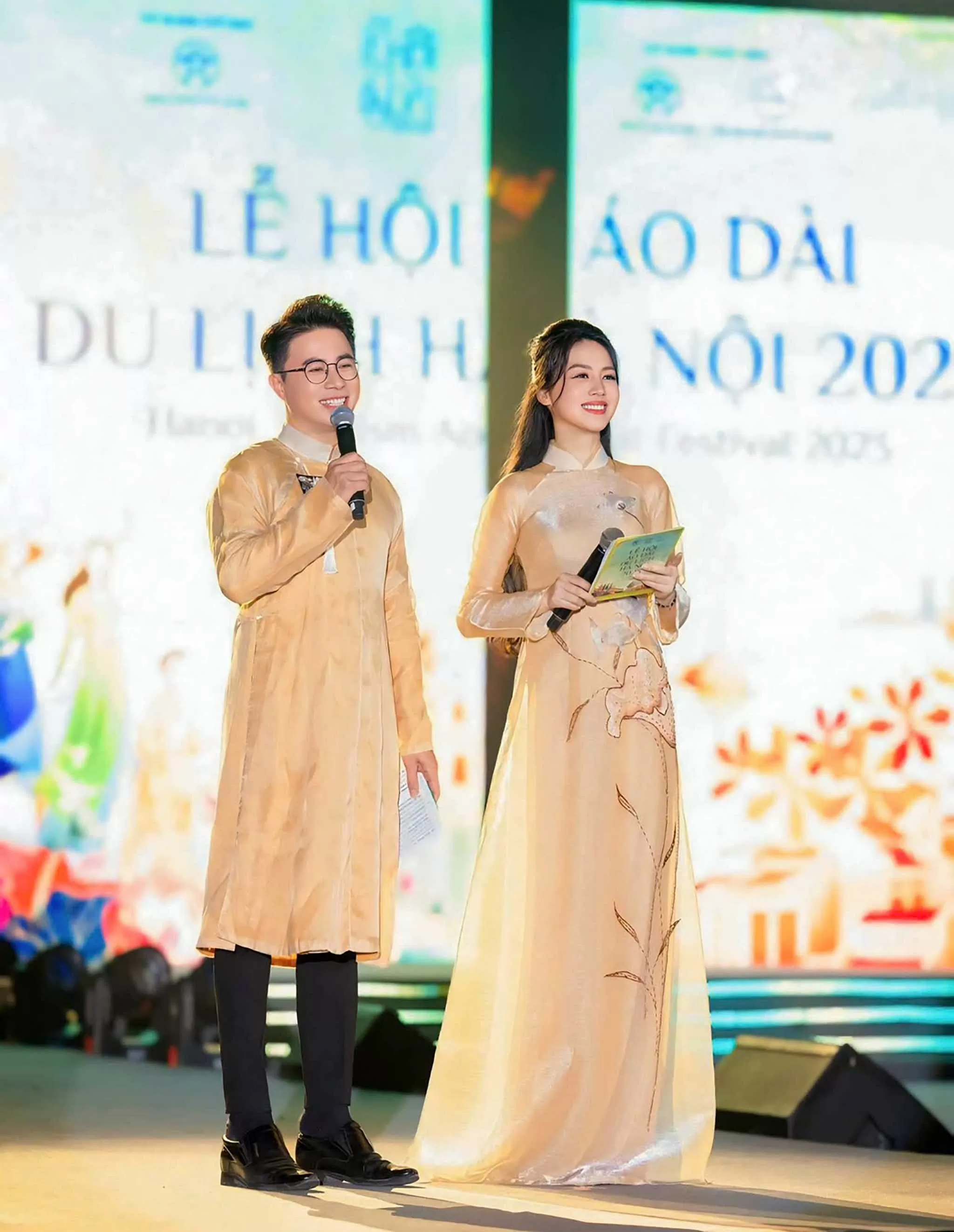 |
| Dr. Trinh Le Anh hosted the Hanoi Tourism Ao Dai Festival 2023. (Photo: Provided by the interviewee) |
Vietnam is making excellent use of its traditional cultural values to promote the country's image. How do you assess these activities, and what new ideas do you have to further develop the potential of traditional culture?
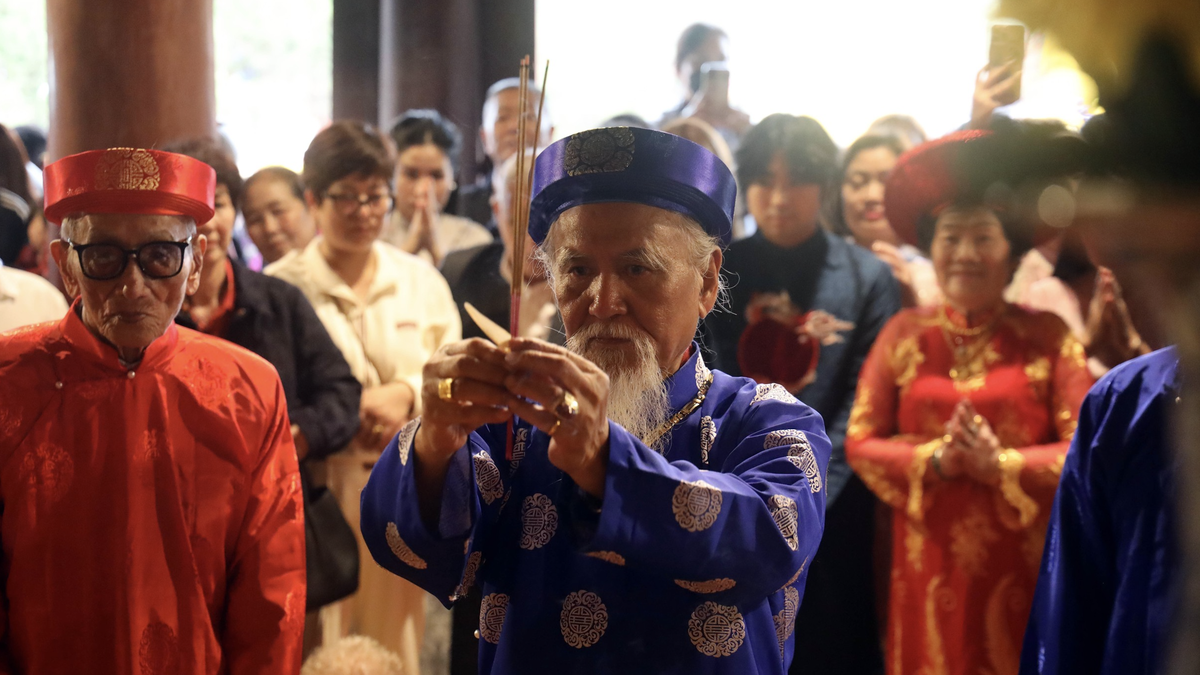
I have observed that Vietnam has achieved significant success in promoting its traditional culture. Many cultural events, such as the Ao Dai Festival in Ho Chi Minh City, Hue, and Hanoi, attract tens of thousands of participants, including a large number of international tourists, contributing to showcasing the beauty of the Ao Dai – a symbol of Vietnamese culture. Traditional cultural products such as Dong Ho paintings and traditional musical instruments are introduced at many major international events such as Expo 2020 Dubai, demonstrating the high regard of international friends for Vietnamese culture.
I support leveraging traditional culture to promote the image of the country, because culture is the unique "essence" and "soul" of each nation. I myself have participated in producing programs such as VTV's "Melodies of Pride" and have clearly seen the powerful spread of traditional culture, touching hearts and igniting national pride.
To further unlock this potential, the guiding principle is to ensure that traditional culture is not only "beautiful" in the past, but also "alive" and engaging in the present, attracting both young people and international friends. I believe we need to collaborate more strongly with technology. We need to combine VR and AR technologies to create impressive cultural experiences, such as recreating traditional festivals or historical heritage sites.
What are your views on current policies and what adjustments do you propose to create a better environment for creative activities?
Cultural policies need to create an open environment that encourages creativity and respects diversity. Furthermore, investing in education and training high-quality human resources for the cultural sector is crucial to ensure the sector has a workforce with sufficient competence and qualifications to meet development demands.
Current cultural policies have made significant progress, demonstrating the state's concern for this sector. The amended Film Law of 2022 has created more favorable conditions for Vietnamese films to appear on international platforms such as Netflix, opening up opportunities to access a wider market. However, many points still need adjustment to better suit reality, especially simplifying the censorship process to avoid hindering the creativity of filmmakers.
Furthermore, I suggest researching the development of "cultural industrial zones" modeled after South Korea or other countries, where creative industries such as music, film, fashion, and design can coexist within a mutually supportive ecosystem.
These cultural industrial zones will create a favorable environment for creative activities to be carried out professionally and efficiently, attracting investment and generating significant economic and cultural value. At the same time, they will strengthen international cooperation, promote cultural exchange and collaboration with other countries, and facilitate the widespread promotion of Vietnamese cultural products in the international market.
Of course, to effectively implement these policies, it is necessary to improve the capacity of state management, train a team of cultural management officials with sufficient competence and qualifications, possess strategic vision, and have the ability to plan and implement policies effectively. Finally, it is necessary to encourage social organizations, experts, and cultural activists to participate in the process of developing and implementing cultural policies, ensuring democracy, openness, and transparency.
I believe that, with appropriate cultural policies and continuous efforts, Vietnam's cultural industry can make a breakthrough, becoming a key economic sector, while contributing to the preservation and promotion of the nation's traditional cultural values.
Source: https://baoquocte.vn/van-hoa-chuyen-minh-cung-thoi-dai-301895.html



































Comment (0)