

 |
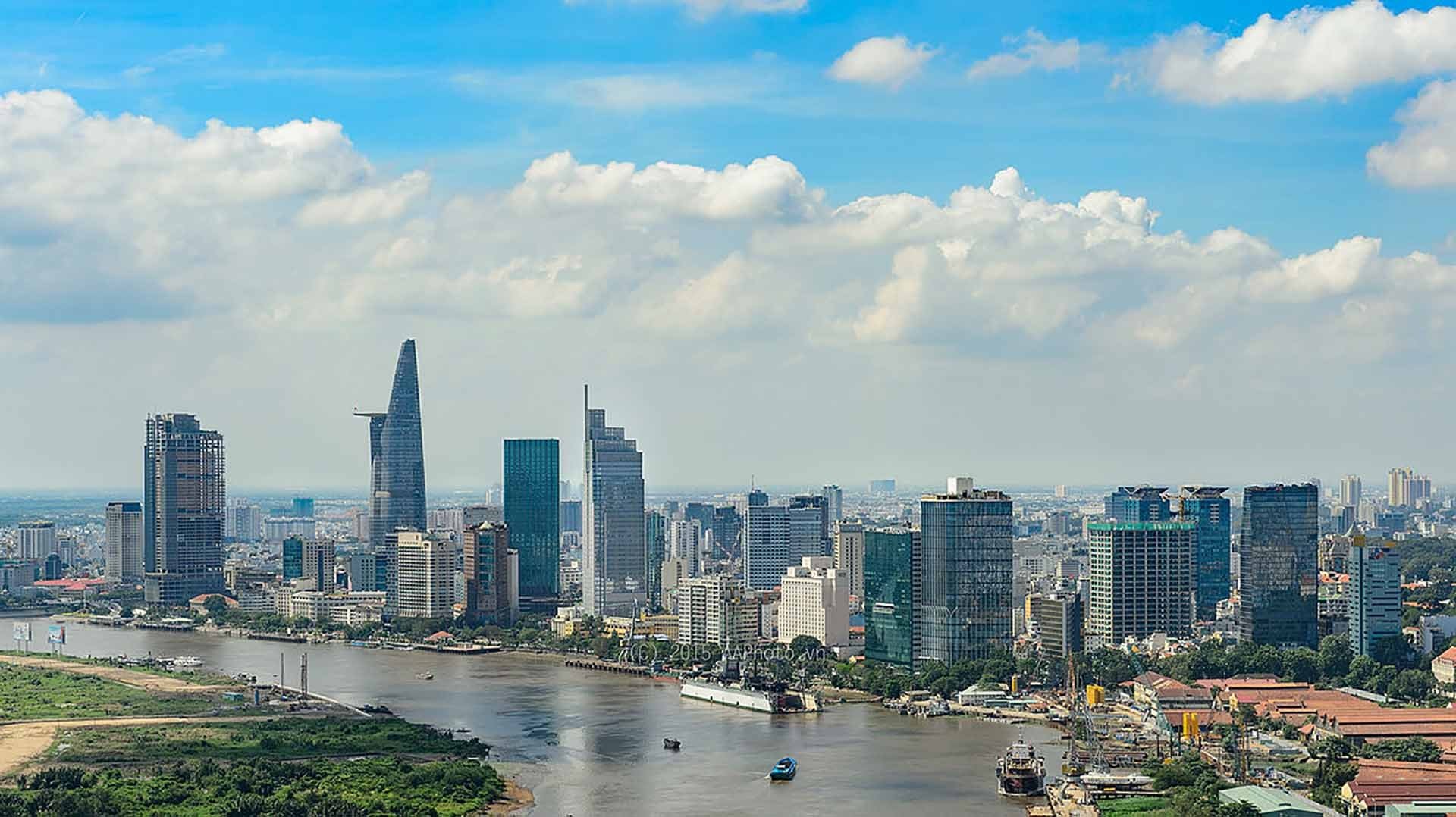
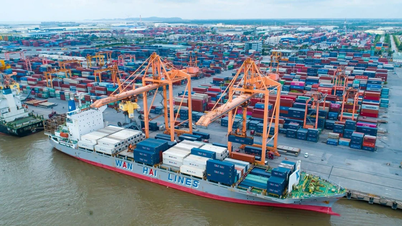
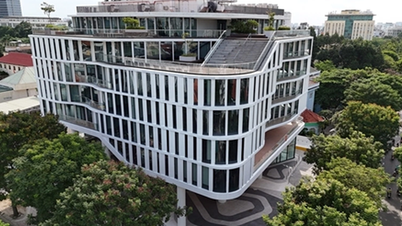
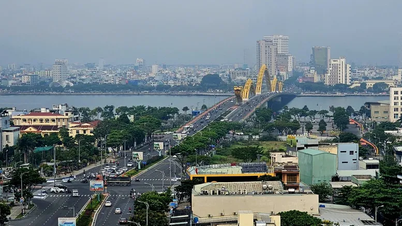
| Ho Chi Minh City is Vietnam's largest economic center. (Source: Shutterstock) |
The economic growth target set by the 13th National Congress of the Communist Party of Vietnam for the 2021-2026 term is approximately 6.5-7% per year. Halfway through the implementation of the Congress Resolution, with the efforts of the entire country, the Vietnamese economy has overcome many difficulties and challenges, achieving encouraging results.
A bright spot in a bleak picture
It can be said that since the 13th National Party Congress, the economy has faced many difficulties, some unprecedented. However, it is precisely during this challenging time that the collective efforts and solidarity of the entire political system, all levels, sectors, localities, the business community, and the people have been demonstrated.
In particular, the timely strategic shift, with the prompt issuance of Resolution 128, turned the tide, both in pandemic control and socio-economic development. The cautious transition from "zero Covid" to safe, flexible adaptation, effective disease control, and economic reopening and recovery demonstrates not only the effectiveness of economic development policy management but also the crucial importance of focusing on people, placing them at the center – the subject, resource, and goal of development.
The prolonged Covid-19 pandemic has had devastating consequences; climate change, natural disasters, increasingly fierce strategic competition among major powers, and the complex conflict between Russia and Ukraine have all contributed to disruptions in most supply chains and severe impacts on most industries and sectors. High inflation, tightening monetary policies, and increased interest rates have led to declining growth and increased risks in international financial, monetary, and real estate markets, profoundly affecting political, economic, and social security globally.
Over the past nearly three years, while focusing on addressing newly emerging complex issues and tackling long-standing weaknesses and shortcomings, Vietnam has remained steadfast and continued to achieve significant results, promoting socio-economic recovery and development, and continuing to build an independent and self-reliant economy coupled with proactive, effective, and deep international integration.
The International Monetary Fund (IMF) noted that "Vietnam is a bright spot in the gloomy picture of the global economy," as it has maintained its growth momentum. The Vietnamese economy is ranked among the fastest-growing economies in the region and globally.
In fact, in 2021, economic growth reached 2.56%, while many economies around the world experienced negative growth; in 2022, it reached 8.02%, much higher than the planned 6-6.5%, a high growth rate compared to other countries in the region and the world; GDP growth in the first half of 2023 reached 3.72%, but according to forecasts, the whole year could still reach 6 to 6.5%.
Exports and tourism have become the brightest spots in the "colorful economic picture" throughout the first half of the 13th Party Congress term.
In 2022, export data (value, trade surplus, commodity structure, and market recovery) all indicated positive growth prospects. Total import and export turnover reached over US$732.5 billion, a 9.5% increase compared to the previous year, with exports increasing by 10.6%; the trade surplus reached US$11.2 billion; and some sectors achieved their government targets ahead of schedule.
| Reputable international credit rating agencies have maintained or upgraded Vietnam's credit rating. Moody's upgraded Vietnam's long-term national credit rating from Ba3 to Ba2, with a "stable" outlook. S&P upgraded from BB to BB+, with a "stable" outlook. Fitch maintained its rating at BB with a "positive" outlook. |
Tourism data for 2022 showed a continuous and remarkable increase, providing strong impetus for the recovery of this promising economic sector. While international visitors reached 3,661,200, a 23.3-fold increase compared to the previous year, 2022 was also a boom year for domestic tourism, reaching 101.3 million visitors, a 168.3% increase compared to the plan, surpassing even pre-pandemic levels.
Total social investment increased by 11.2% year-on-year, reflecting the strong recovery of production and business activities. More than 143 countries and territories have invested in Vietnam. Notably, investment from several major partners such as Singapore, Japan, and South Korea all increased annually.
Not only are businesses in Vietnam increasing in number, but they are also striving to adapt flexibly and react quickly to unexpected changes in the international and domestic environments; rapidly engaging and seizing opportunities in the Fourth Industrial Revolution and digital transformation to operate efficiently and explore new, green, sustainable, and high-intellectual-content directions.
That is why Vietnam is continuously being recognized internationally at new heights. In 2022, Vietnam officially became the fourth largest economy in ASEAN and the 40th largest in the world, with international trade ranking in the top 20 globally, and is considered one of the most dynamic and open economies in the world.
With a wise and correct economic development and diplomatic strategy in today's volatile world, and with the achievements made in the first half of the term, there is a basis for confidence that the country's economy will achieve the goals set out in the Resolution of the 13th National Congress of the Party for the entire 2021-2025 period.
The moment of transformation has arrived.
The Financial Times (UK) recently published an analysis stating that, after decades of promise, the moment for Vietnam's economic transformation has arrived. Vietnam needs to capitalize on the boom in manufacturing and invest in high-tech and high-productivity sectors for long-term, sustainable development.
In 2022, foreign direct investment (FDI) into Vietnam surged to over $20 billion – the highest level in a decade. Many leading global companies such as Dell, Google, Microsoft, and Apple are shifting parts of their supply chains to Vietnam and are increasingly making significant shifts as part of the “China +1” policy. Foreign businesses are seizing the opportunity to diversify their supply chains as labor costs and political risks in China rise.
The Vietnamese economy is currently at a critical juncture. In the short term, to continue attracting investment, Vietnam needs to strengthen its business environment. In the long term, to meet the ambitious goal of becoming a high-income economy by 2045, the government needs to leverage its manufacturing growth to diversify the economy.
Over the next decade, Vietnam must enhance its production capacity to meet the growing demands of foreign investors' business plans. Its young population structure provides an abundant labor force, but the need for skilled workers is increasing. Vietnam's education system needs to improve the quality of vocational training and higher education.
Vietnam was ranked 30th in the 2022 ranking of the world's most powerful countries by the American magazine US News & World Report, with an estimated GDP of $363 billion and a GDP per capita of $11,553. The ranking is based on an average score calculated from five factors related to a nation's power: leadership, economic influence, political influence, international alliances, and military strength... |
Furthermore, according to the Financial Times analysis, Vietnam needs to reduce regulations and procedures and upgrade its infrastructure. Particular attention should be paid to the power grid, which is under pressure from increasing industrial demand.
The goal of becoming a high-income country is not easy. Since the late 1990s, Malaysia and Thailand have followed a similar trajectory to Vietnam today. However, the "middle-income trap" is a challenge that is not easy to overcome.
As the Vietnamese economy grows, wages will rise accordingly. Vietnam cannot continue to rely on a low-cost model indefinitely. Dependence on export-driven growth will also leave Vietnam vulnerable to a volatile global trade environment.
Over time, Vietnam needs to reinvest to support the development of more skilled and productive labor-intensive industries in order to achieve its goal of becoming a high-income country. The backbone of the economy, such as finance, logistics, and legal services, creates high-skilled jobs and adds value to existing industries.
The World Bank (WB) recommends that Vietnam provide more support for technology adoption, enhance management skills, and continue to reduce barriers to FDI in the services sector.
The excitement among investors in Vietnam is understandable. But Vietnam still has much work to do to transform today's "risk reduction" trend into long-term prosperity.
Implementation plan for the National Master Plan for the period 2021-2030, with a vision to 2050:- Strive for an average national GDP growth rate of approximately 7% per year during the period 2021-2030. - By 2030, GDP per capita at current prices will reach approximately US$7,500. - By 2050, Vietnam will become a developed, high-income country with a just, democratic, and civilized society. It will have a synchronized and modern infrastructure system, and smart, modern, distinctive, and green urban areas. |
Source



![[Photo] General Secretary and President To Lam meets with National Assembly delegates from ethnic minorities.](https://vphoto.vietnam.vn/thumb/1200x675/vietnam/resource/IMAGE/2026/04/20/1776696701056_a1-bnd-8331-3342-jpg.webp)
![[Image] National Assembly discusses the implementation of the socio-economic development plan.](https://vphoto.vietnam.vn/thumb/1200x675/vietnam/resource/IMAGE/2026/04/20/1776696707422_ndo_br_img-20260420-185419-jpg.webp)


























































Comment (0)