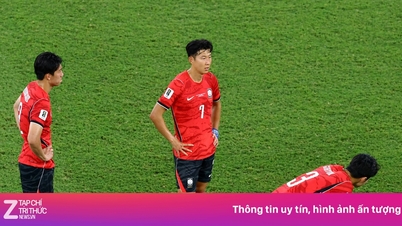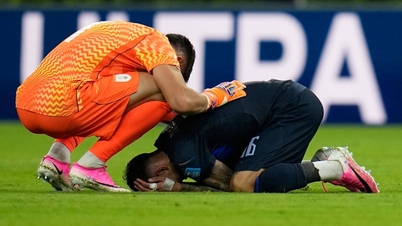

After 35 matches (up to the Uruguay vs. Cape Verde game), which is about one-third of the matches at the 2026 World Cup , there have been a total of 8 own goals. Of these, Paraguay's Damián Bobadilla scored the first, just 7 minutes into the loss against the USA. In total, co-hosts USA have benefited twice from opposing players scoring own goals.
Looking back at the history of the biggest football event on the planet, there have been 61 own goals to date. The first of these was scored by Manuel Rosas of Mexico in their 0-3 defeat to Chile at the inaugural World Cup in 1930.
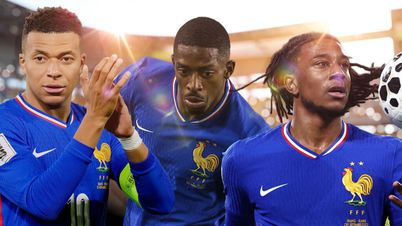
To date, the 2018 World Cup in Russia holds the record for own goals with 12. Mexico has scored the most own goals with 4. Conversely, France has been the luckiest team with 6 own goals.
 |
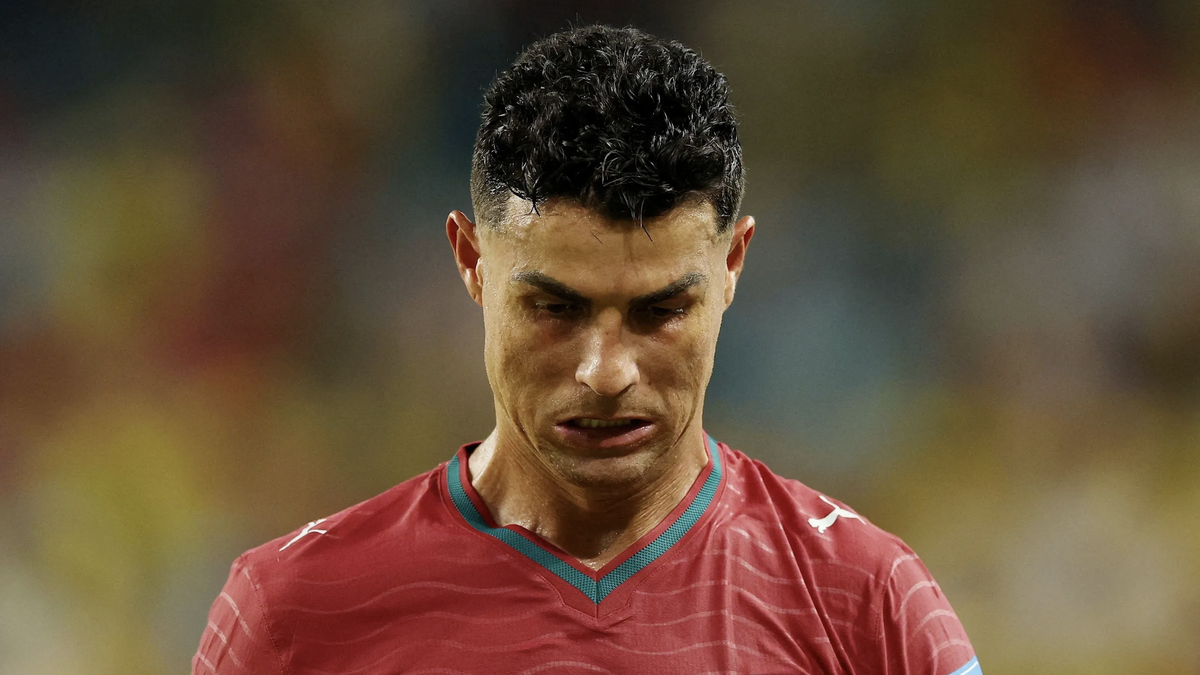
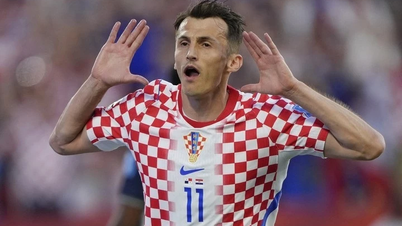
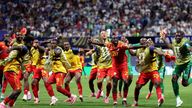
| Damian Bobadilla's unforgettable moment as he became the first player to score an own goal at the 2026 World Cup. Photo: AP |


In addition, there have been World Cups without any own goals. The most recent one was in 1990 in Italy.
There are two factors that could lead to the 2026 World Cup setting a new record for the number of own goals. Firstly, it will be the World Cup with the most matches ever, at 104. More matches mean a higher chance of own goals.
Secondly, modern football operates very differently from the past. The pace is much faster. The tactics are much more precise. In particular, attacking players often try to get the ball close to the byline and then cross it at high speed into the 5.5-meter area. This forces defenders to sprint towards the goal to intercept. When receiving a high-speed ball, with their back to their own goal, defenders don't need to make a serious mistake. Just a light touch, a sudden change of direction, or simply the ball hitting any part of their body is enough to send it into the net.
Of course, not all eight own goals at this World Cup followed the same pattern. Aymen Hussein of Iraq deflected the ball off his body and into the net in their loss to Norway. Mohamed Manai of Qatar had another inexplicable own goal against Canada... But the majority of own goals still came from a familiar formula: high-speed crosses or back passes into the 5.5-meter box. This is no longer a coincidence but has become part of modern football's attacking style: creating pressure to force opposing defenders to score own goals.



Source: https://www.qdnd.vn/the-thao/worldcup-2026/world-cup-2026-se-lap-ky-luc-dot-luoi-nha-1045565