



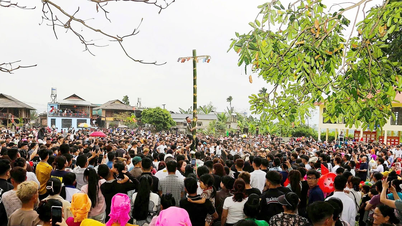
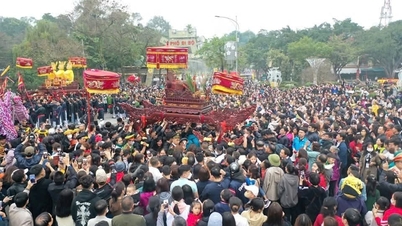
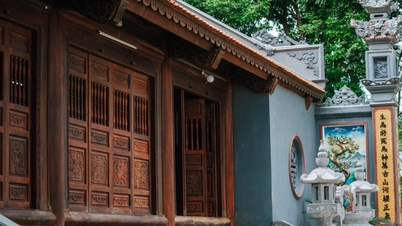
Every year at the beginning of the new year, a large number of tourists from all over the country flock to Pho Cat Temple (Van Du commune) to admire the scenery and offer incense.
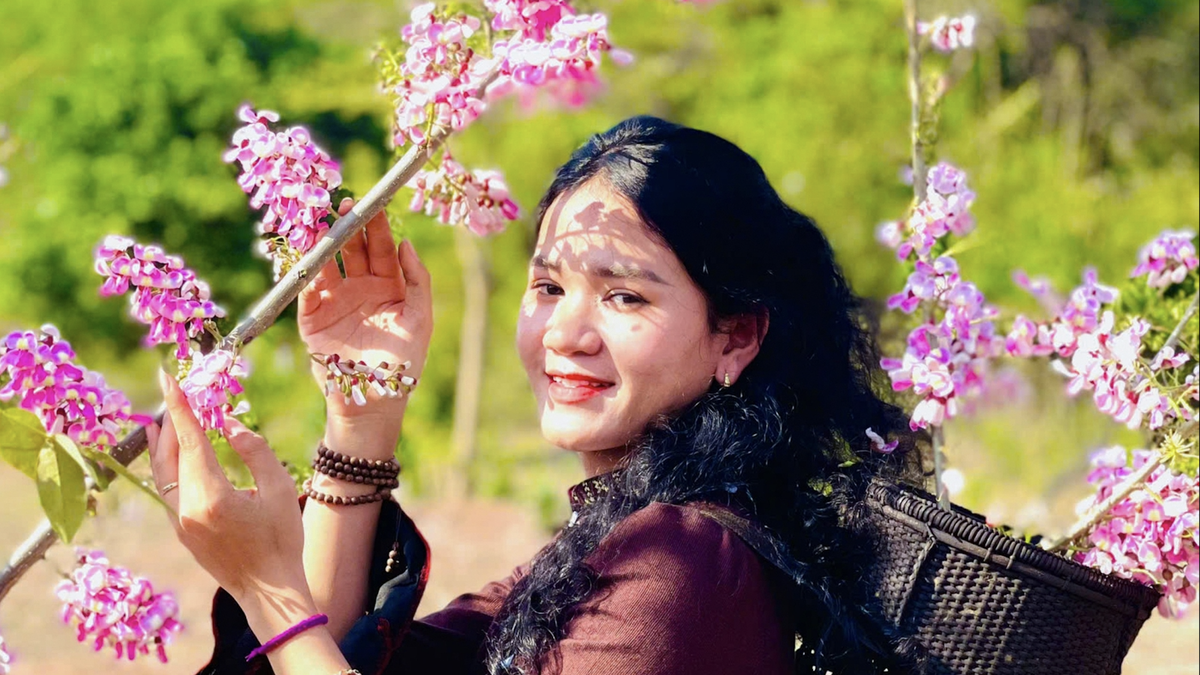
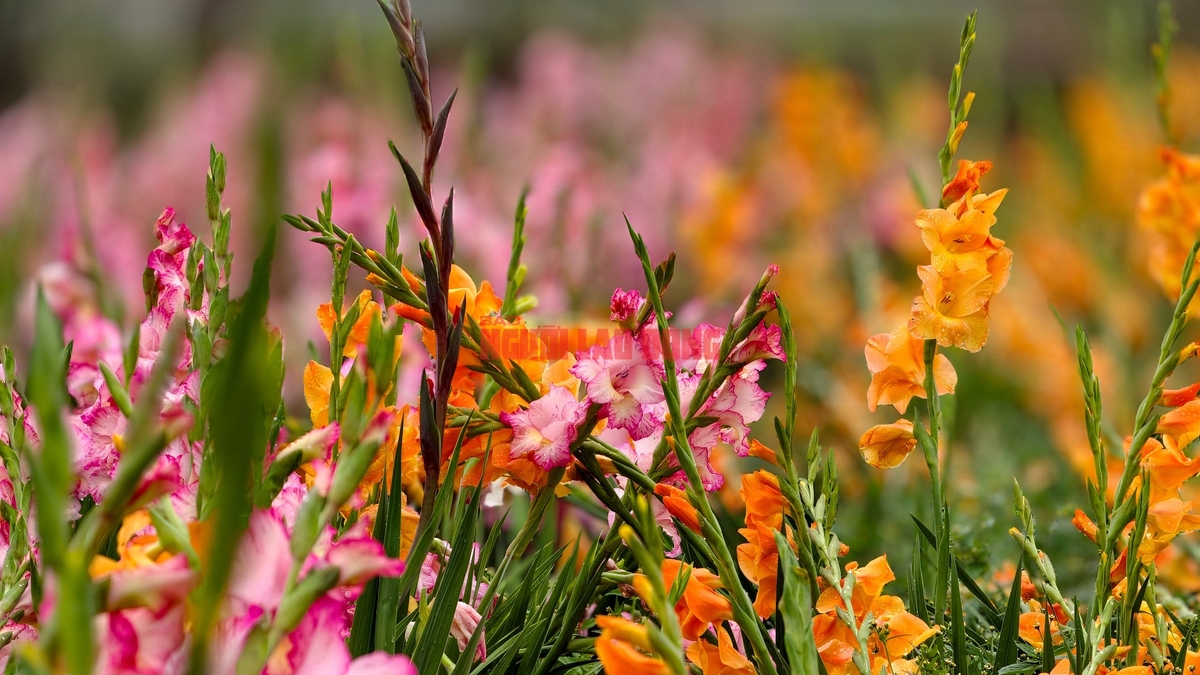
Spring has arrived! It's the moment when heaven and earth harmonize, and all things awaken; young shoots gently stir, shedding the lethargy of the long winter to don a new appearance. Nature seems to have been overly generous, dedicating its most vibrant colors to adorn the beginning of the new year. The call of spring is resounding, urging us to join the crowds of spring-loving people, to feel the wonderful interplay of heaven and earth.
Following the rhythm of spring, returning to the land of Tay Do, visitors will not only be stirred by the natural scenery and the simple beauty of ancient villages, but also admire a unique stone architectural work, bearing the strong imprint of the Ho Dynasty, which, though short-lived, was full of aspirations and a spirit of innovation.
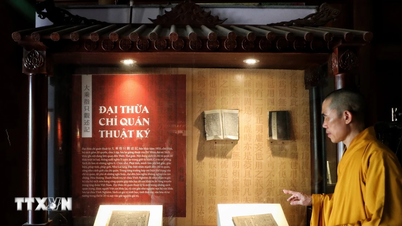
The woodblock print of the book Dai Viet Su Ky Toan Thu, volume 8, meticulously records the construction process of Ho Dynasty Citadel: In the year Dinh Suu (1397), in the spring, in January, Quy Ly ordered Do Tinh (some books write it as Man), Minister of the Board of Personnel and concurrently Grand Historian, to inspect and survey the land in An Ton district, Thanh Hoa province, to build a citadel, dig a moat, establish temples and communal houses, and open streets, intending to move the capital there. The work was completed in March.
Looking back, spring has always been the time to begin grand, momentous projects. Perhaps this is because, according to Vietnamese spiritual beliefs passed down through generations, spring symbolizes growth, renewal, and the season of hope and auspicious omens?
No one can predict or give a precise answer to the predictions of our ancestors. We only know that without the events of the spring of 1397, there would be no Ho Citadel – “a groundbreaking phenomenon in the techniques of quarrying, crafting, and constructing a grand structure with the basic materials being large stone blocks” – a world cultural heritage site as renowned as we have it today.
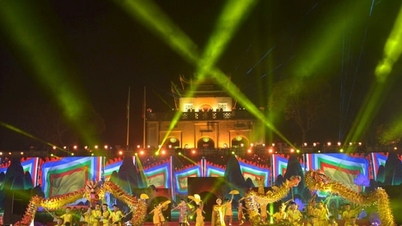
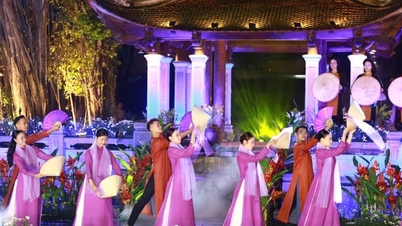
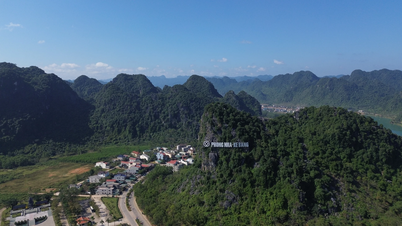
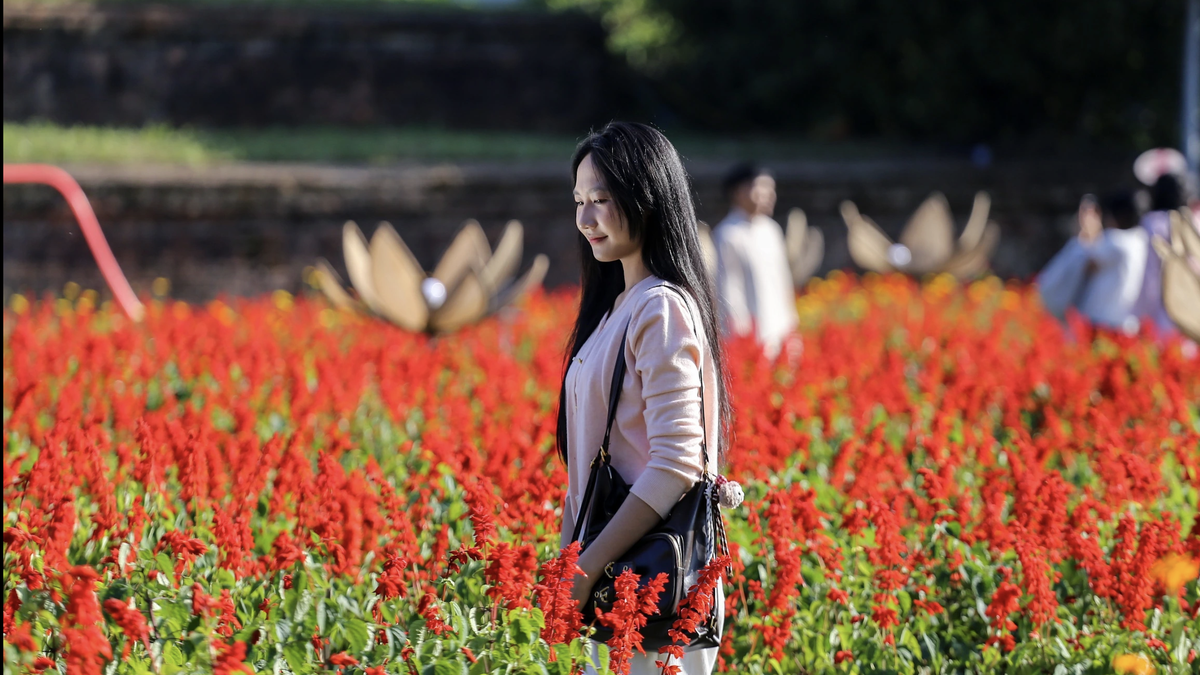
Strolling through the moss-covered stone citadels, amidst the vast expanse of Thanh Hoa's countryside, visitors can feel the breath of heritage blended with the rhythm of new life. For the Lunar New Year of the Horse 2026, in addition to beautifying the landscape and ensuring security, order, and fire safety, the Management Board of Ho Citadel and other key historical sites in Thanh Hoa province is organizing a series of beneficial and interesting activities such as: a photo exhibition with the theme "Ho Citadel – Outstanding Global Value," a spring flower and bonsai exhibition "Spring Flowers of the Ancient Capital," a recreation of the Tet holiday atmosphere of the past with the theme "Tet of the Ancient Citadel," along with many heritage education programs and traditional cultural experience activities...
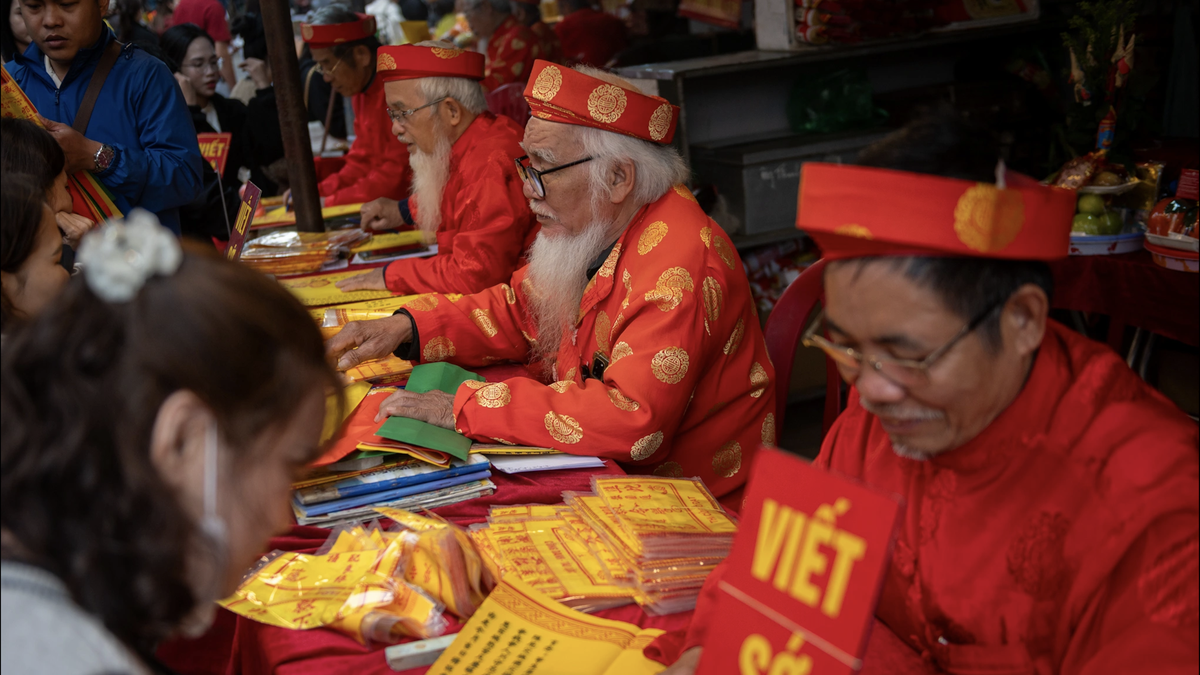
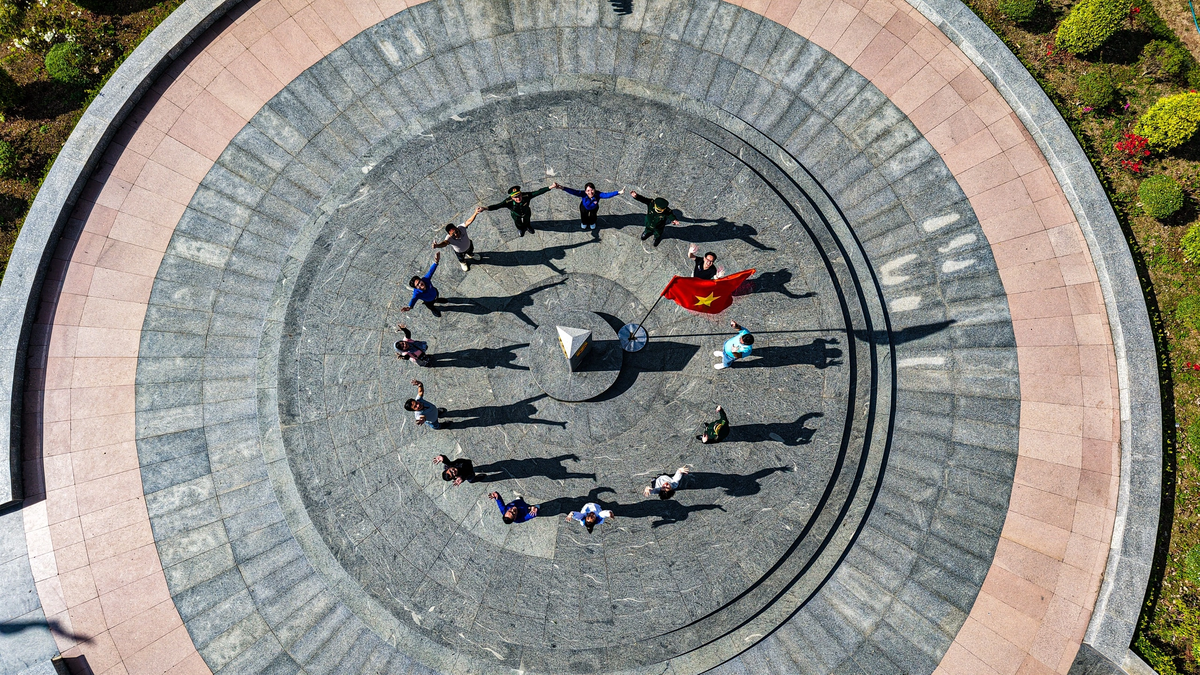
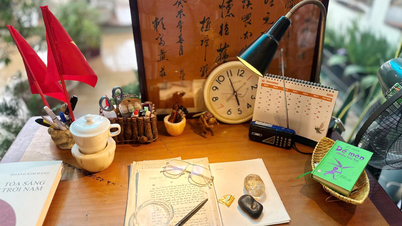
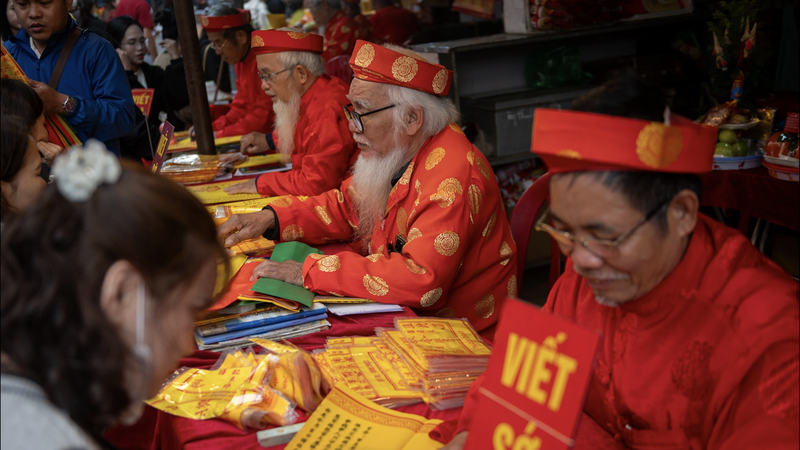
Visitors can also participate in events such as the flag-raising ceremony, releasing the "Ông Công" fish in the Imperial Palace; the closing ceremony and awards presentation for the short video clip contest on the TikTok platform; the 3rd annual "Ringing the Golden Bell" competition; the calligraphy festival for the beginning of spring; and spring-themed art programs performed by art clubs in the heritage area...
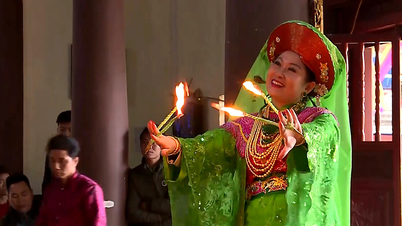
Amidst the diverse and rich historical, cultural, and spiritual sites, during the spring days, many people turn their hearts towards Saint Mother Lieu Hanh as if seeking a place of peace, warmth, and familiarity.
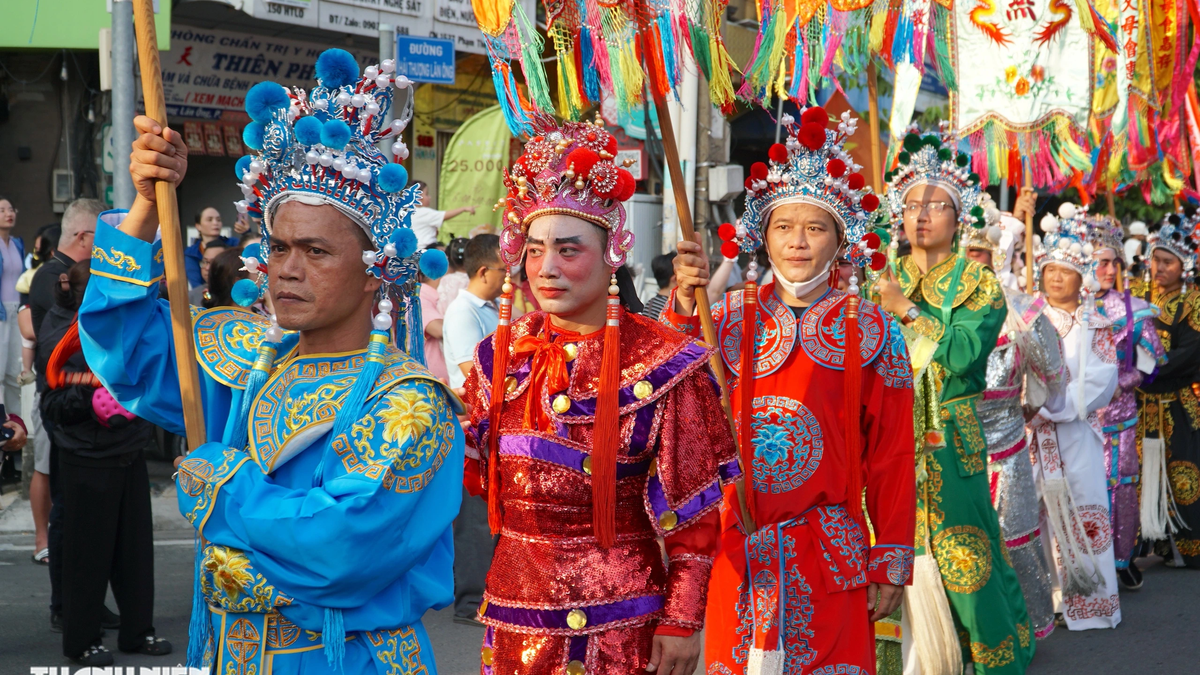
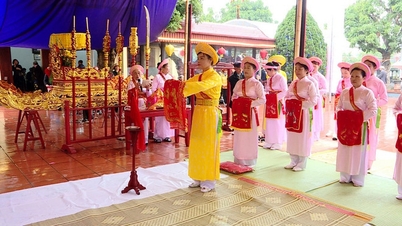
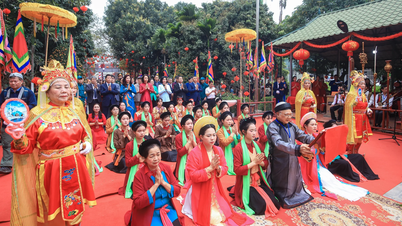
Thanh Hoa province, a land of "spiritual and talented people," has the honor and pride of being the place that preserves many traces of the Holy Mother through her numerous manifestations. A folk song is vivid proof of this: "Song Temple is the most sacred in Thanh Hoa, second is Pho Cat, third is Han Temple." Every time Tet (Lunar New Year) comes around or during major festivals, all three of these places attract a large number of tourists who come to visit, admire the scenery, offer incense, and make offerings...
The sacred land of Pho Cat, the place where the Holy Mother was born for the third time and stayed in the human world the longest, is bustling with tourists from all over. The spring travel route is bathed in golden sunshine. Along both sides of the road, gardens and farms growing oranges, pomelos, guavas, etc., are a vibrant green, a color of hope. As the distance to Pho Cat Temple draws closer, people's hearts become more excited and eager.
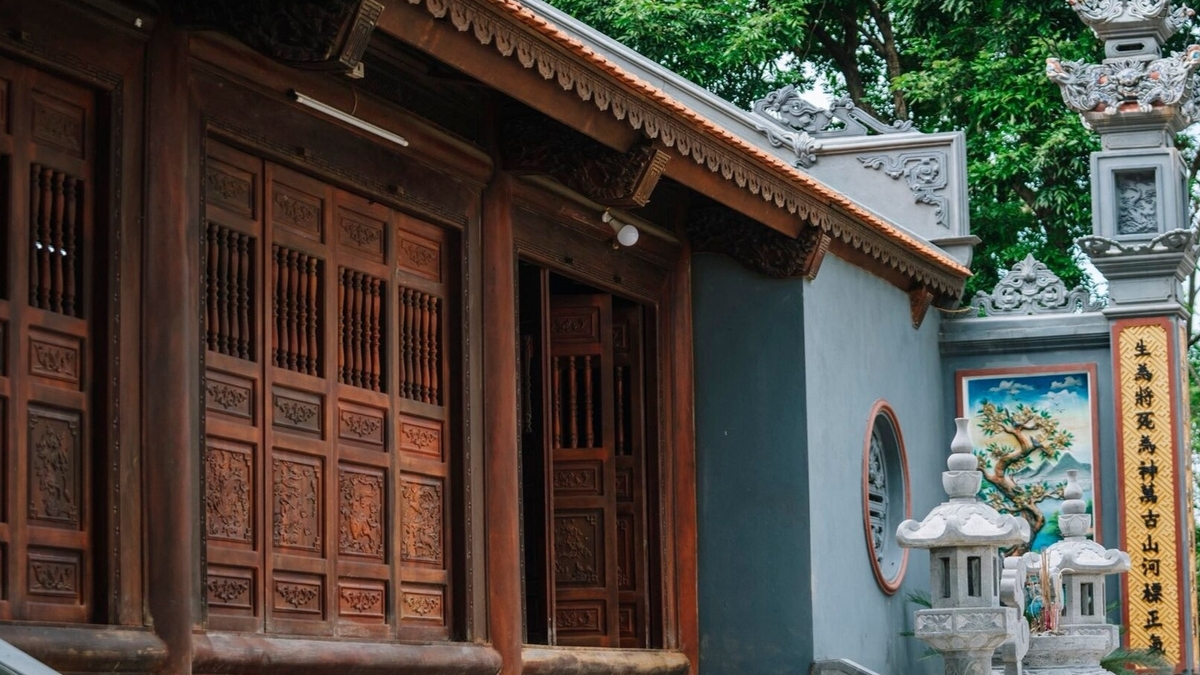
Passing through the triple-arched gate, Pho Cat Temple (Van Du commune) stands out as a distinctive landmark. According to historical records, Pho Cat Temple was built during the reign of King Le Canh Hung (1740-1786). In front of the temple are three mountains, known as Tam Thai, acting as a screen. Other mountains are named by the people based on their specific characteristics, such as Cay Troi Mountain, Long Mountain, Ly Mountain, Ho Mountain, Vuc Voi Mountain, etc. Near the temple is a small, tranquil stream. According to local people, in the past, this stream flowed to the temple's entrance, forming a small pool like a lake where fish swam in schools. Every spring, the large fish would disappear, and schools of smaller fish would return as if by magic. During each festival at the temple, the return of large fish makes the temple even more unique and mysterious.
Despite undergoing numerous renovations and restorations, Pho Cat Temple still retains its traditional architecture. The curved roof with its delicate carvings against the blue sky creates a spiritual scene, adding a special touch to the springtime landscape of this historical site.
Concluding their spring journey through historical sites, what remains in the hearts of each visitor is not only the joy of the scenery and the vibrant spring atmosphere, but also the feeling of being connected to their roots. As spring arrives, let's once again seek out spiritual spaces and historical and cultural relics to feel the pulse of the past in the breath of the present, and from there, join hands in preserving the colors of our heritage.
Text and photos: Thao Linh
Source: https://baothanhhoa.vn/xuan-tren-mien-di-tich-278950.htm











































Comment (0)