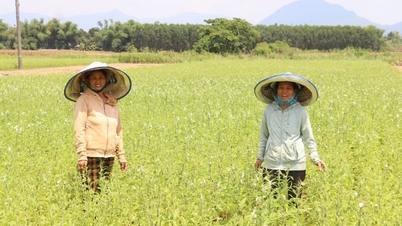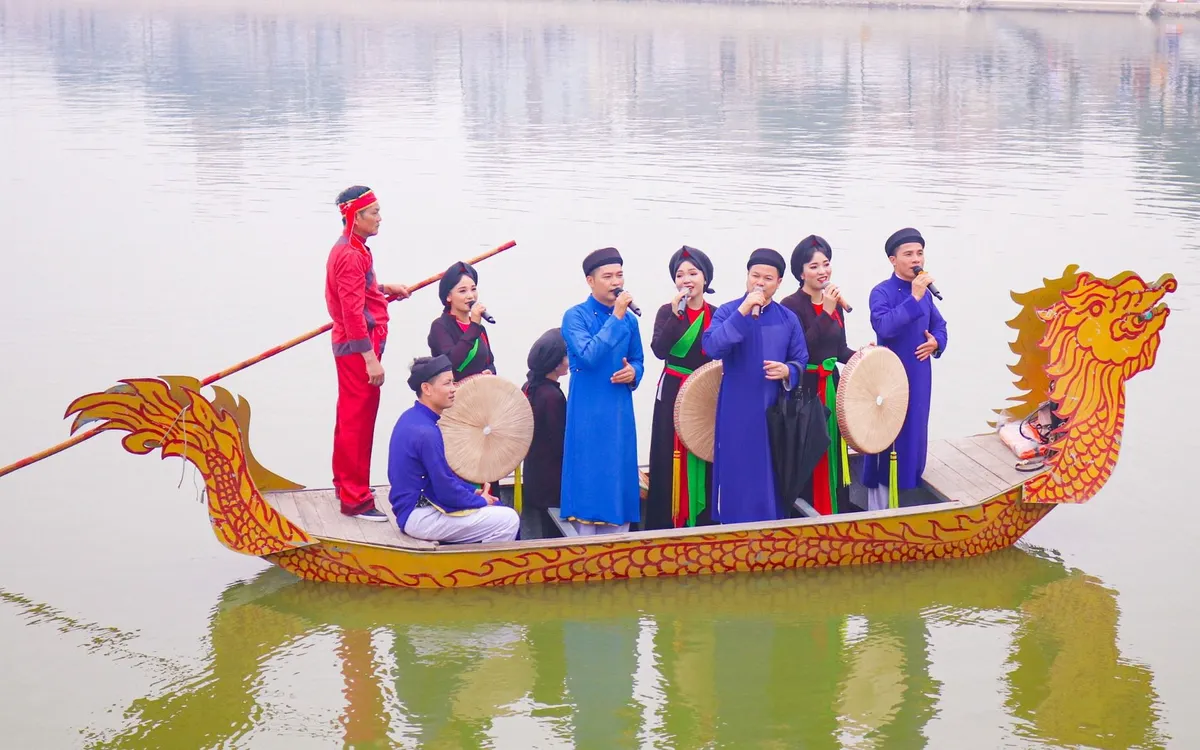
As spring arrives, the Vietnamese countryside is filled with a festive atmosphere. From the northern mountains to the northern plains, from the central region to the southern waterways, the New Year festivals unfold as vibrant spiritual and cultural spaces – places where communities meet, collective memories are awakened, and people reconnect with the land, their ancestors, and themselves.
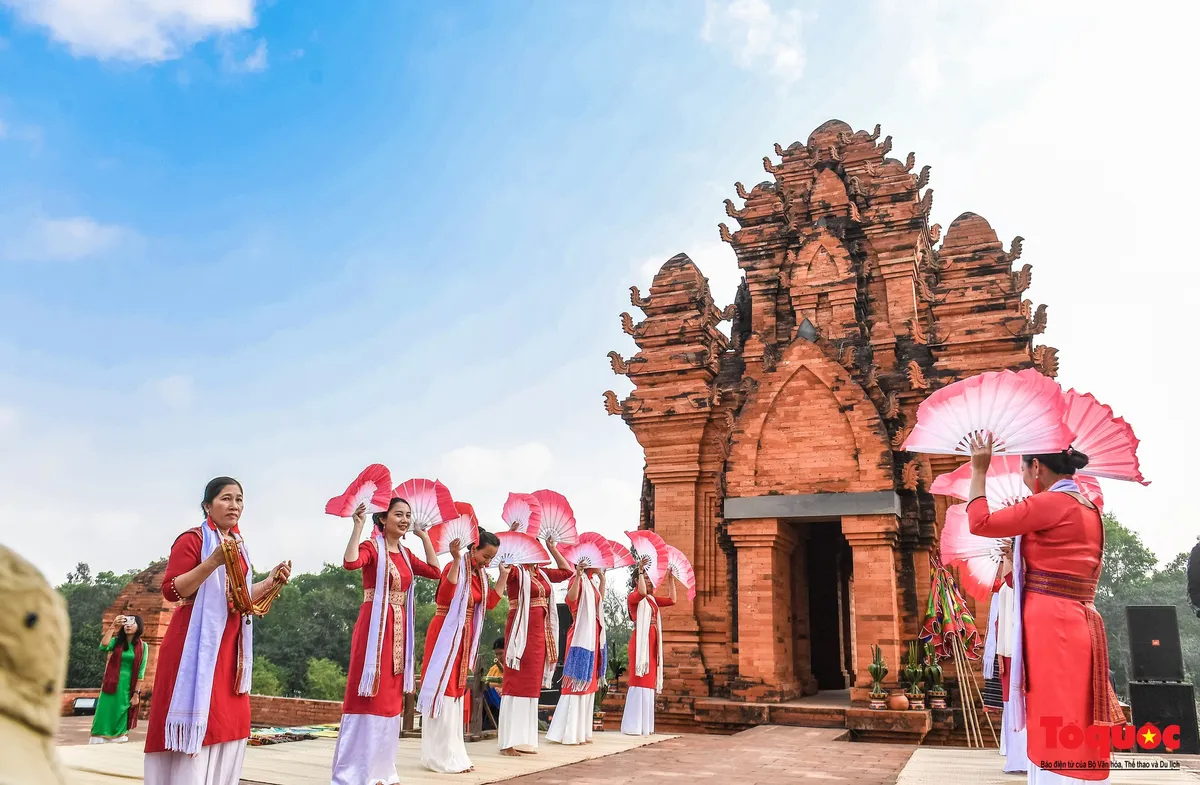
The Kate Festival of the Cham people in Binh Thuan
When the mountains and forests call out to spring
In the northern highlands, spring arrives with the sounds of flutes and drums, the vibrant colors of traditional clothing, and lively village festivals amidst the mountains. The Gầu Tào festival of the Hmong, the Lồng Tồng festival of the Tay-Nung, the Xên bản - Xên mường festival of the Thai… all share a common spirit: praying for blessings, a bountiful harvest, peace and happiness in the village, good health for the people, and prosperous fields.
The festival space is usually an open field at the edge of the village, a wide valley, or at the foot of a mountain – where the entire community gathers after a long winter. Folk games such as pao throwing, spinning tops, stick pushing, tug-of-war, along with traditional dances like xòe dance, khen flute dance, and love songs… create a harmonious symphony of the mountains and forests, where people not only have fun but also reaffirm their close relationship with the community and nature.
In recent years, many tourists have come to highland festivals not just to "watch the festivities," but to truly participate: wearing traditional costumes, learning to play the khene (a traditional wind instrument), helping locals prepare offerings, and sharing the first meal of the year in stilt houses. Therefore, community tourism is no longer simply about "bringing tourists in," but about opening the door for visitors to step into the local cultural life. When tourists come to listen, learn, and respect, the festival does not diminish, but instead gains new vitality.
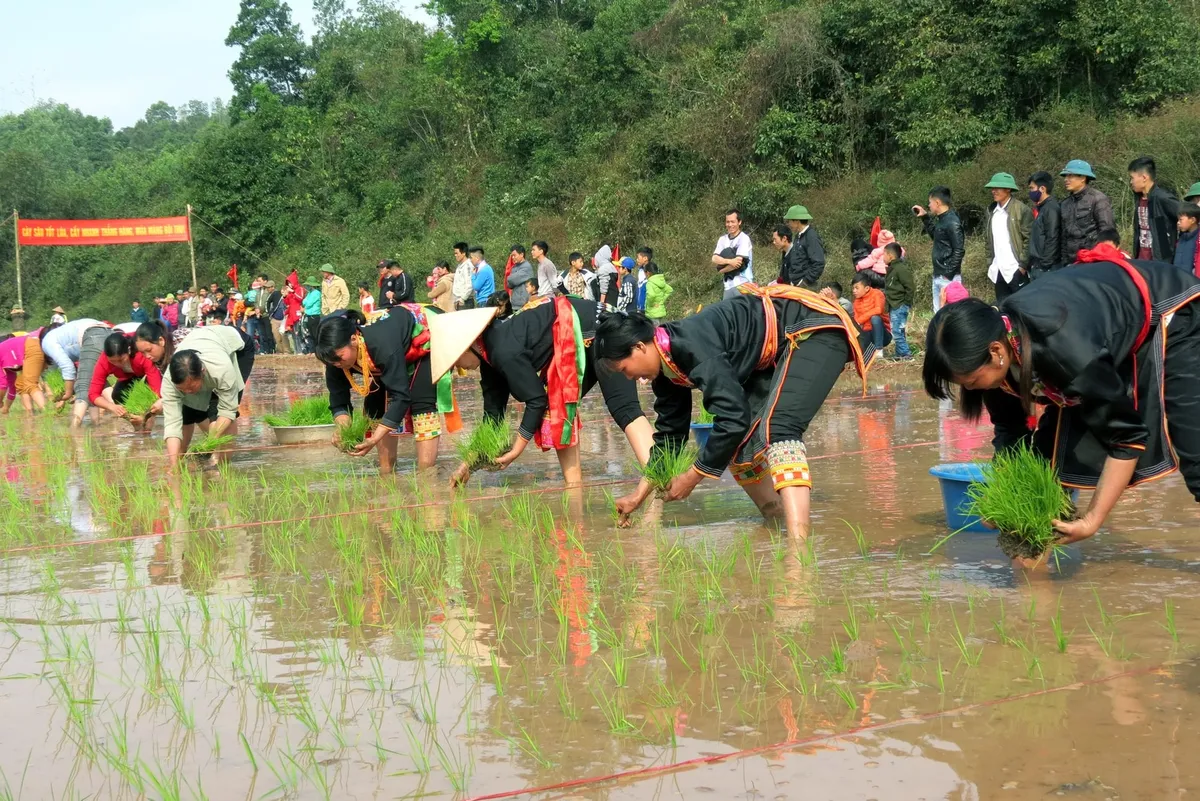
The Lồng Tồng Festival in Bắc Kạn
The season of village festival memories
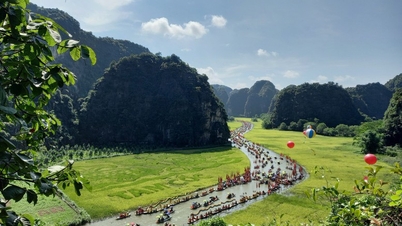
While the northern mountainous regions possess a pristine, unspoiled charm, festivals in the Northern Delta are imbued with profound historical depth and village-based structures. The Giong Festival in Soc Son and Gia Lam, the Lim Festival in Bac Ninh, the Huong Pagoda Festival, the Yen Tu Festival, the Tran Temple Festival, the Hung Temple Festival… are all major cultural milestones where folk beliefs, Buddhism, and national history intertwine.
The festival space is associated with communal houses, temples, and shrines – the “spiritual centers” of the countryside. People go to these places not only to pray for good fortune and wealth, but also to “return to the village,” to meet relatives and friends, to reminisce about the past, and to recall the merits of their ancestors and forefathers. Alongside the rituals are the festive activities: Quan Ho folk singing, wrestling, tug-of-war, human chess, processions… – forms of community activity that are both solemn and lively.

Visiting the festivals in the Northern Delta today, tourists are increasingly inclined to explore the deeper aspects of the culture: learning Quan Ho folk singing in Diem village, following pilgrims to the Huong Pagoda festival by boat, participating in the water procession and palanquin procession, or joining the locals in preparing the New Year's offering. The festivals, therefore, become a "living cultural classroom," where tourists don't just observe from the sidelines, but immerse themselves in the flow of community life.
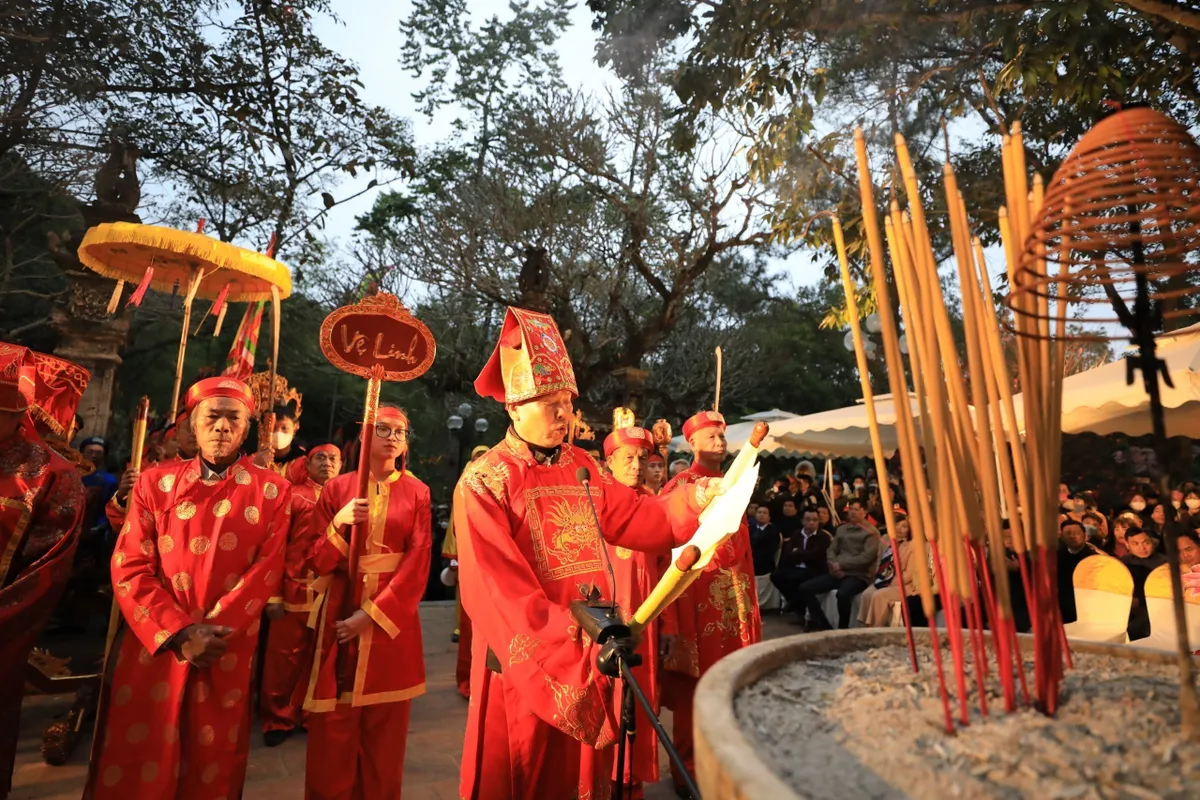
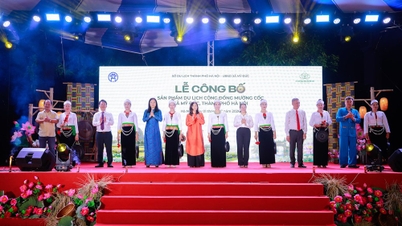
Opening ceremony of the Giong Festival in Soc Son - Hanoi
A festival amidst wind, sand, sea, sky, and interwoven memories.
Central Vietnam – a narrow strip of land, often windy, sandy, and prone to storms – possesses festivals of exceptional depth, connected to the sea, to ancestral crafts, and to the cultural memories of the Cham and Vietnamese people. The Cau Ngu festival of coastal fishermen, the Kate festival of the Cham people, craft village festivals, temple and tomb festivals… all reflect a strong relationship between people, nature, and history.
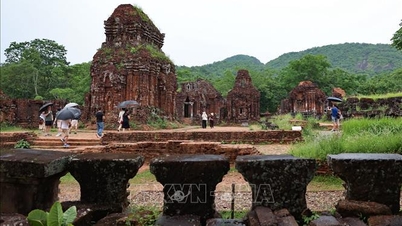
During the Fishing Festival, people not only pray for a peaceful fishing season but also commemorate the Whale God – the sea deity in folk beliefs – as a symbol of protection and salvation. In the Kate Festival, the Cham people honor ancient Cham gods and kings, recreating rituals, costumes, music, and dances that have existed for hundreds of years. Therefore, Central Vietnamese festivals possess a quiet, profound quality, less boisterous but rich in cultural depth.
Tourists visiting Central Vietnam during the festival season often participate in experiences connected with local life: going out to sea with fishermen, participating in the procession of the Whale God, staying in homestays in fishing villages, learning Cham pottery making, weaving brocade, and listening to stories about ancient dynasties. Festival tourism in Central Vietnam is therefore not just about "watching the rituals," but about stepping into a space of memory, where each custom and ritual carries the story of a land with many ups and downs.
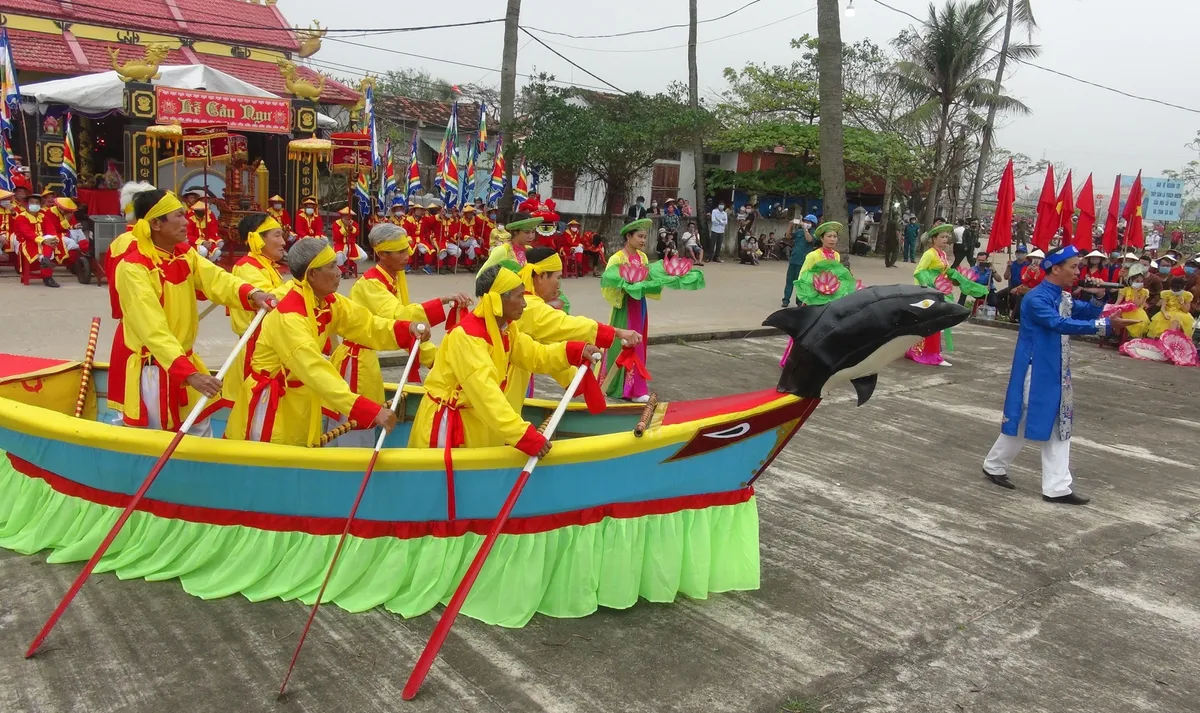
Fishing Festival in Quang Binh
The spirit of Southern Vietnam: open-minded, generous, and harmonious.
In the South, festivals have a different spirit: open, liberal, with fewer boundaries and a strong sense of community. Festivals like Nghinh Ong, Ba Chua Xu Mountain Sam Festival, Khmer Ngo boat racing festival, and Ok Om Bok Festival are all associated with rivers, harvests, and diverse folk beliefs.
Festivals in Southern Vietnam are not confined to temples and shrines, but spread across rivers, docks, and markets, interwoven into daily life. People attend these festivals not only to pray, but also to meet, eat, have fun, and share. The ceremonial feast can become a communal meal, the procession can become a gathering of people, and the festival becomes a day for the community to slow down, live closer, and live together.

Tourists are often captivated by the friendliness and openness of the people of Southern Vietnam: they are easily invited to share meals, participate in boat races, release lanterns together, sing songs, and paddle boats on the canals. In the context of booming tourism, many localities in Southern Vietnam have focused on developing festival tourism products linked to ecology, agriculture, and community: tours combining festival viewing with visits to craft villages, fruit orchards, and floating markets; homestays along the river; and experiences of local cuisine.
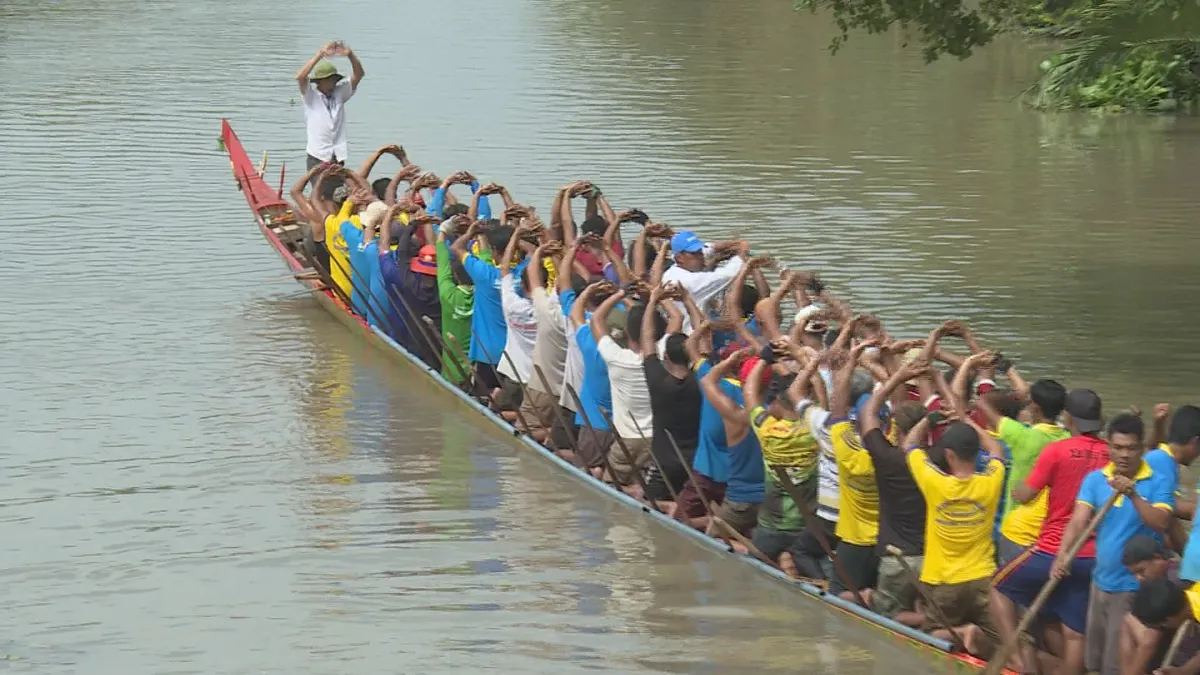
Ok Om Bok Festival in Tra Vinh
From the mountains to the plains, from the sea to the rivers, spring festivals in Vietnam are not just scheduled events, but moments when communities come together to relive memories, renew their identity, and reaffirm their connection to the land, their ancestors, and each other. In every ritual, every game, every village feast, there is a philosophy of life: living together, living with roots, living in harmony with nature and the past.
Source: https://vtv.vn/xuan-ve-tray-hoi-muon-phuong-100260212144922675.htm

















































![[Infographic] Which types of behaviors are strictly prohibited in digital transformation from July 1, 2026?](https://vphoto.vietnam.vn/thumb/402x226/vietnam/resource/IMAGE/2026/07/02/1783004068098_thumb_5_hanh_vi_nghiem_cam_20260702184923.jpeg)