

Rice and durian set records for price and export value.
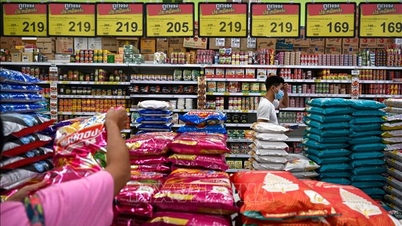
According to the latest update from the Vietnam Food Association (VFA), the export price of 5% broken rice from Vietnam has increased twice consecutively this week, reaching a historical high of US$508 per ton on June 23rd. Notably, this price is US$5 higher than rice of the same grade from Thailand, US$30 higher than Pakistan, and US$50 higher than India. Compared to the beginning of the year, the price of 5% broken rice from Vietnam has increased by more than US$30 per ton. Rice prices have been continuously rising since the beginning of the year due to scarce supply and high demand from importing countries.
With the ongoing El Niño weather phenomenon, exporters are confident that Vietnamese rice prices will continue to remain high and exports will be favorable. By the end of May, Vietnam had exported nearly 3.9 million tons of rice, earning over $2 billion, a 41% increase in volume and a 52% increase in value compared to the same period last year. Despite concerns about a potential shortfall in export volume compared to the target of 7 million tons, the current favorable prices have led many to believe that rice exports will set new records in both volume and value, thanks to the advantage of using short-duration, high-yield rice varieties.
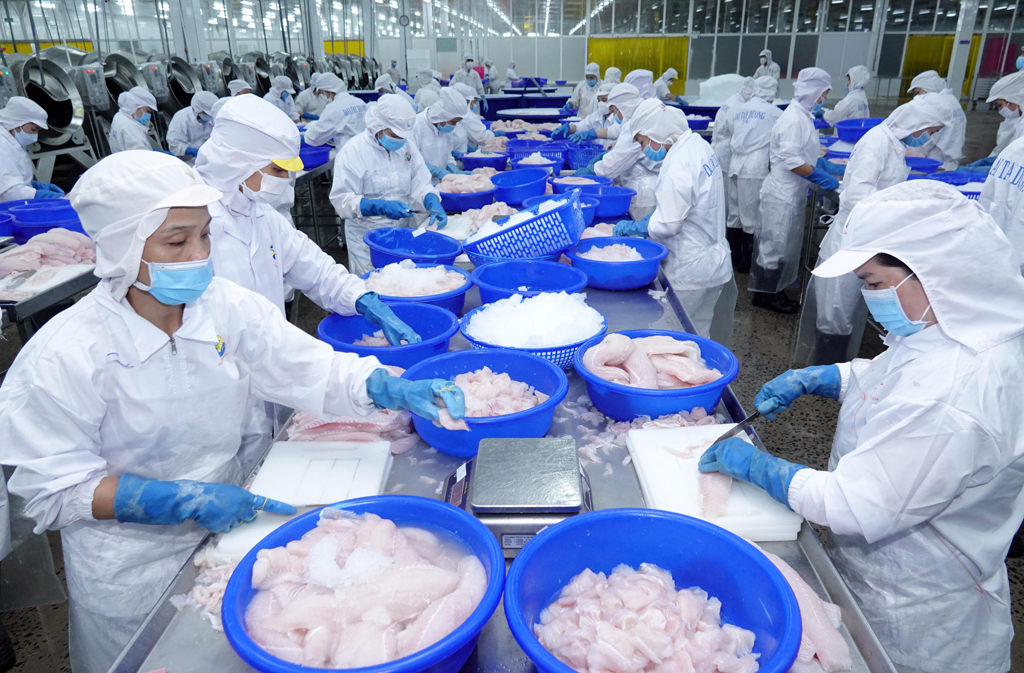
Seafood exports are gradually recovering.
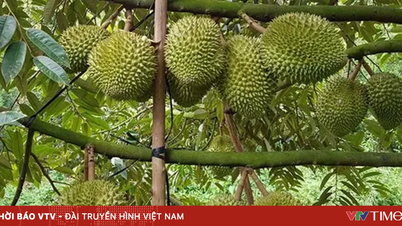
Even more impressive than rice is the export of fruits and vegetables, especially durian. In its first year of export, and after only five months, this commodity has already reached a value of $503 million. Notably, in May alone, durian exports reached $332 million. This breakthrough growth in durian has boosted the export value of fruits and vegetables in May to $656 million, a 67.7% increase compared to the previous month.
In the first five months of 2023, the export value of fruits and vegetables reached over US$2 billion – the highest five-month export value ever recorded and a 43% increase compared to the same period last year. Surprise followed surprise; in just the first three weeks of June, fruit and vegetable exports reached US$723 million, surpassing even May's total. Cumulative fruit and vegetable exports from the beginning of the year to date have reached US$2.74 billion. It is estimated that by the end of June, fruit and vegetable exports could reach US$3 billion, equivalent to the export value of the entire year 2022 (nearly US$3.2 billion). With the current growth rate, fruit and vegetable exports in 2023 are expected to reach a historic milestone of over US$5 billion.
Mr. Nguyen Van Muoi, Deputy Head of the Southern Office of the Vietnam Horticultural Association, said: "In just 5 months, durian exports have reached over 500 million USD, which is a huge surprise and not every product can achieve this in its first year of export. With the current growth rate, it is estimated that durian exports for the whole year will exceed 1 billion USD."
"Recently, our association organized a trip for our members to Thailand to learn from their experience, and we will soon be coordinating with Dong Nai province to organize a workshop on the topic of opportunities and challenges for durian. The opportunities are immense, the market for this product is huge, but we also face many challenges, such as lagging behind Thailand and the need for improvements in quality and harvesting processes. Furthermore, Laos and Cambodia will soon also produce durian and export it to China, posing a significant challenge for the durian industry. Therefore, we believe it is necessary to continue improving and enhancing durian quality to ensure more sustainable exploitation and to increase durian export revenue to 1.5-2 billion USD," Mr. Nguyen Van Muoi shared.
Furthermore, within the agricultural sector, Vietnam's coffee exports in the first five months of the year are estimated at 882,000 tons, worth over $2 billion. While the volume decreased, the value increased slightly compared to the same period last year. Notably, in May, the average export price of Vietnamese coffee was estimated at $2,399 per ton, a 5.3% increase compared to the same period last year.
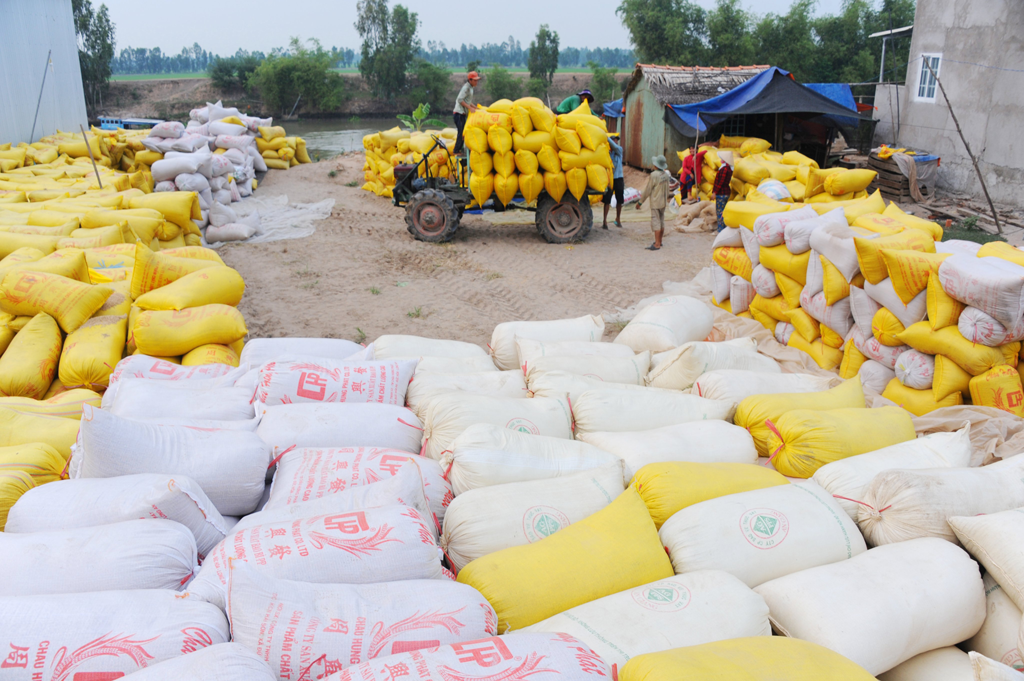
Record high export rice prices, favorable for rice farmers.
Seafood industry thrives, textile industry retains orders.
Compared to the same period last year, seafood exports continued to decline sharply; cumulative exports for the first five months of this year reached only $3.4 billion, a decrease of 28% compared to the same period last year. However, in May, exports for the entire industry reached $808 million, the highest monthly figure since the beginning of the year. Notably, the decline in key products has gradually decreased compared to the same period last year. This indicates signs of recovery returning to the industry. Significantly, while many key export items such as shrimp, pangasius, and tuna faced difficulties, businesses have boosted exports of dried and canned fish products, as well as expanding exports to new, promising markets.
Mr. Truong Dinh Hoe, General Secretary of the Vietnam Association of Seafood Processing and Export (VASEP), commented: Although the US and EU markets have been affected, some markets such as Japan, South Korea, and Australia still have stable demand, especially for high-value-added Vietnamese products. With the current economic and political fluctuations, it is difficult to make reliable forecasts for the 2023-2024 period. As an essential commodity, seafood still has a certain demand in all markets. However, businesses need to be aware of the post-Covid-19 context and high inflation, which have led to many changes in demand trends for seafood products. High-priced seafood products have seen and will continue to see a decrease in demand in the short term. Affordable products such as dried fish, canned fish, pangasius, and fish cakes may still have better opportunities in many markets.
Also in a state of struggle, Ms. Le Thi Ngoc Bich, Chairwoman of the Trade Union of Top Royal Flash VN Company, specializing in the production and processing of export garments, said: Currently, the company has enough orders to produce until the end of 2023 at normal capacity as before. If customers are lost, we find new customers. To sign new contracts and have enough orders to operate, the company is forced to reduce unit prices. "We are determined to find every way to survive, retaining customers is important, but even more important is retaining employees to wait for opportunities for recovery. In the past, we have not laid off staff, and even taken in unemployed workers from other businesses to train and teach them vocational skills. Besides maintaining benefits for employees with an average salary of 6-10 million VND/month, we still maintain employee welfare such as housing support of 200,000 VND/month and fuel allowance of 50,000 VND/month," Ms. Bich said.
Exports started to increase again in May.
According to the General Department of Customs, Vietnam's total import and export turnover as of June 15th reached approximately US$288 billion, a decrease of 15% compared to the same period in 2022; of which exports reached US$149 billion, a decrease of 12%, and imports reached US$139 billion, a decrease of 18.4%. The trade balance maintained a surplus of US$9.8 billion.
In May alone, Vietnam's total merchandise import and export turnover is estimated at 55.9 billion USD, an increase of 5.3% compared to the previous month, equivalent to an increase of 2.8 billion USD. Of this, exports are estimated at 29 billion USD, an increase of 4.3%, and imports are estimated at 28 billion USD, an increase of 6.4%.
Source link




































































































Comment (0)