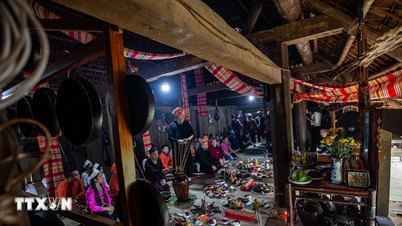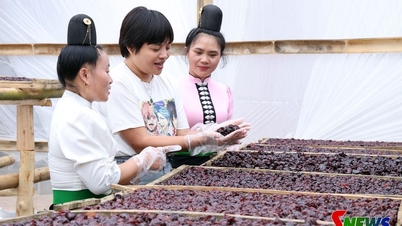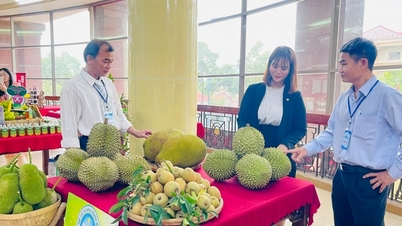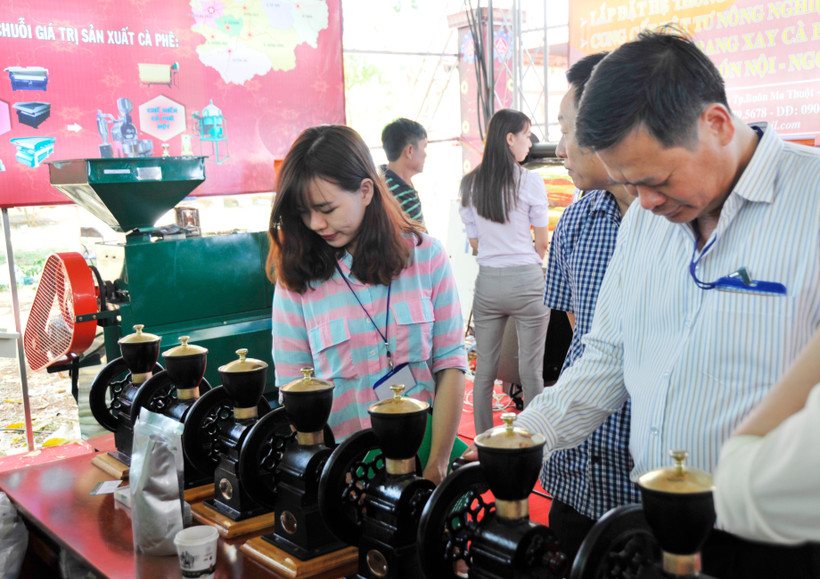
سینٹرل ہائی لینڈز کافی فیسٹیول میں پروڈکٹس کا تعارف۔ تصویر: HAI NAM
عالمی تناظر میں ایک انسانی نظریہ

 Báo Nhân dân•29/11/2025
سینٹرل ہائی لینڈز کافی فیسٹیول میں پروڈکٹس کا تعارف۔ تصویر: HAI NAM
عالمی تناظر میں ایک انسانی نظریہ
UNESCO khẳng định: Bảo tồn di sản không phải là việc “giữ lại quá khứ”, mà là một cam kết đạo đức và nhân văn của thế giới đối với thế giới, vì sự phát triển bền vững và hòa bình. Khái niệm “di sản sống” của UNESCO nhấn mạnh: Di sản không phải là vật thể tĩnh hay tư liệu quá khứ, “đông cứng” trong bảo tàng, mà là những thực hành văn hóa năng động, hiện diện trong đời sống đương đại, được duy trì và tái tạo liên tục để thích ứng với môi trường tự nhiên và xã hội hiện đại.
ورثے کا تحفظ صرف ماضی کی حفاظت کے بارے میں نہیں ہے، بلکہ مستقبل میں سرمایہ کاری کے بارے میں بھی ہے۔ یہ ثقافتی طور پر متنوع معاشرے کی تعمیر، ایک پائیدار معیشت کی ترقی، اور عالمی چیلنجوں کے لیے لچک کو بڑھانے کی حکمت عملی ہے۔ ورثے کو اب ایک غیر فعال چیز کے طور پر نہیں دیکھا جاتا جس کی حفاظت کی جائے، بلکہ سماجی ترقی کے عمل میں ایک فعال حصہ دار کے طور پر۔ ورثے کی قدر کمیونٹی کے لیے اس کی اہمیت میں ہے، نہ کہ اس کی نایابیت یا عمر میں۔ ورثہ قدرتی طور پر تبدیل اور ترقی کر سکتا ہے، کمیونٹی کے ساتھ ساتھ پائیدار طور پر موجود ہے۔ ورثہ ماضی میں "منجمد" نہیں ہوتا ہے لیکن اس پر عمل کرنا اور اسے حال میں فروغ دینا چاہیے۔ In the context of increasingly severe climate change, many forms of "living heritage" not only preserve knowledge but also shape a respectful and harmonious relationship between humans and the natural environment. ان اقدار کو پہچاننا اور اسے فروغ دینا موسمیاتی تبدیلیوں کا جواب دینے کے لیے ایک موثر اور پائیدار حکمت عملی بنانے کی کلید ہے۔
ان مشاہدات سے یہ دیکھا جا سکتا ہے کہ ڈاک لک میں بڑی صلاحیت ہے…
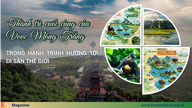
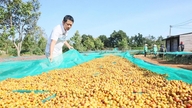
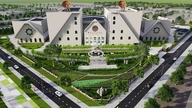
ایک سبز ترقیاتی ماحولیاتی نظام کے اندر ڈاک لک میں کافی کا ورثہ۔
The knowledge of coffee cultivation, care, harvesting, and processing in Dak Lak is a "living" stream of knowledge, built and created by the Ede, M'Nong, and migrant communities over many generations. This knowledge is formed from a continuous process of observation, practice, adaptation, and innovation in response to the natural conditions of the basalt plateau. The "living" nature of the coffee heritage is reflected in livelihoods, culture, and rituals – from the experience of pruning, watering, harvesting, natural fermentation, and manual roasting, to the custom of gathering around a cup of pure coffee every morning, to agricultural rituals... These cultural practices create a cultural-economic ecosystem where indigenous knowledge, حسی صلاحیتیں، اور کمیونٹی کنکشن کو برقرار رکھا اور آگے بڑھایا جاتا ہے۔
The community, possessing the knowledge and skills, acts as both the practitioners maintaining and the creators of the future of the heritage and cultural identity, becoming a central creative force. Viewing coffee culture from the perspective of a "living heritage," Dak Lak is protecting and promoting its value in conjunction with sustainable development: Transforming sustainable farming practices (regenerative agriculture, organic farming, water-saving irrigation) based on indigenous knowledge combined with modern science and technology, thereby linking heritage with a green economy and climate adaptation; Developing coffee-related cultural tourism such as farmstays, agricultural experiences, and coffee festivals, enabling direct community participation and benefits; برانڈز اور ثقافتی قدر پیدا کرنے کے لیے روایتی پکنے، بھوننے، اور پیسنے کی مہارتوں کو بڑھانا اور فروغ دینا؛ کاشت، پروسیسنگ، پیکیجنگ، اور مارکیٹنگ میں تکنیک کو اپ گریڈ کرنا۔ لہذا، ڈاک لک میں کافی کا ورثہ صرف پیداواری علم نہیں ہے، بلکہ ایک ماحولیاتی ثقافتی اقتصادی ماڈل کی بنیاد ہے۔ This aligns with the direction of building a dossier on Dak Lak's coffee culture to be submitted to UNESCO for inclusion in the "Good Practices" list, emphasizing the requirement for community-based conservation, protection of cultural rights, participation rights, and benefit rights of the community throughout the entire value chain.
"نرم وسائل" کے کردار پر زور دینا
ڈاک لک منفرد ورثہ اور مقامی علم کا ایک بھرپور نظام رکھتا ہے، جو ترقی کے وسائل ہیں۔ The diverse ethnic minority communities here require livelihood creation, capacity building, and the achievement of sustainable development goals. گونگ کلچر اسپیس، ایپک پوئٹری، اور بروکیڈ ویونگ کے علاوہ، کافی کلچر بھی ہے۔ Dak Lak has been demonstrating its ability to dynamically and creatively apply UNESCO's "living heritage" concept to practice, transforming heritage into a sustainable development resource in the green economy, turning heritage into a "soft" power for development, and serving as a good model for protecting living heritage in conjunction with the community.
Dr. Nguyen Thi Thu Trang, from the Ho Chi Minh City University of Culture, assessed: By transforming coffee knowledge into a resource for livelihoods, culture, and the environment, Dak Lak is demonstrating a dynamic and creative application of UNESCO's perspective: Living heritage not only needs to be protected, but also "activated" and disseminated as a driving force for پائیدار ترقی. ڈاک لک ایک ماڈل کے قریب جا رہا ہے جس کی روح پر مبنی ہے: کمیونٹی پر مبنی تحفظ - ورثہ پر مبنی ترقی - ثقافتی پائیداری۔ یہ نہ صرف یونیسکو کی روح کے مطابق ایک سمت ہے، بلکہ پورے ہائی لینڈ کافی کلچر والے خطے کے لیے ایک قابل قدر تجربہ ہے۔


ماخذ: https://nhandan.vn/ca-phe-dak-lak-truc-ky-vong-di-san-post926098.html
![[تصویر] ہنوئی رنگ روڈ 1 چوراہے پر میٹرو لائن 5 کے زیر زمین اسٹیشن کے لیے تعمیراتی سائٹ کا جائزہ۔](https://vphoto.vietnam.vn/thumb/1200x675/vietnam/resource/IMAGE/2026/07/03/1783065595682_ndo_br_z7974930852369-100ca093c306e72675f1d3700966a86b-jpg.webp)