Environmental pollution, prolonged stress, lack of sleep, and increasing screen time are all contributing factors to declining skin health. These factors promote the formation of free radicals – agents that cause premature aging, dull skin, reduced elasticity, and wrinkles. In this context, the trend of using natural foods to support skin care from within is gaining attention. Chia seeds are one such food that is frequently mentioned due to their diverse nutritional composition.
Content
- 1. Chia seeds provide antioxidant support that slows down skin aging.
- 2. Helps reduce inflammation and soothe the skin.
- 3. Helps maintain skin moisture from within.
- 4. Use seaweed in topical skincare formulas.
- 5. Provides nutrients that support collagen production.
Here's how chia seeds affect your skin:
1. Chia seeds provide antioxidant support that slows down skin aging.
Chia seeds contain many antioxidant compounds such as polyphenols and flavonoids. These substances play a role in neutralizing free radicals, thereby contributing to reducing damage to skin cells. Some nutritional studies show that a diet rich in antioxidants can help improve dull skin and slow down the biological aging process. However, the effects are not immediate and require long-term maintenance combined with a healthy lifestyle.
Adding chia seeds to your daily diet, for example by mixing them with yogurt or smoothies, is a simple way to increase your intake of natural antioxidants from food.
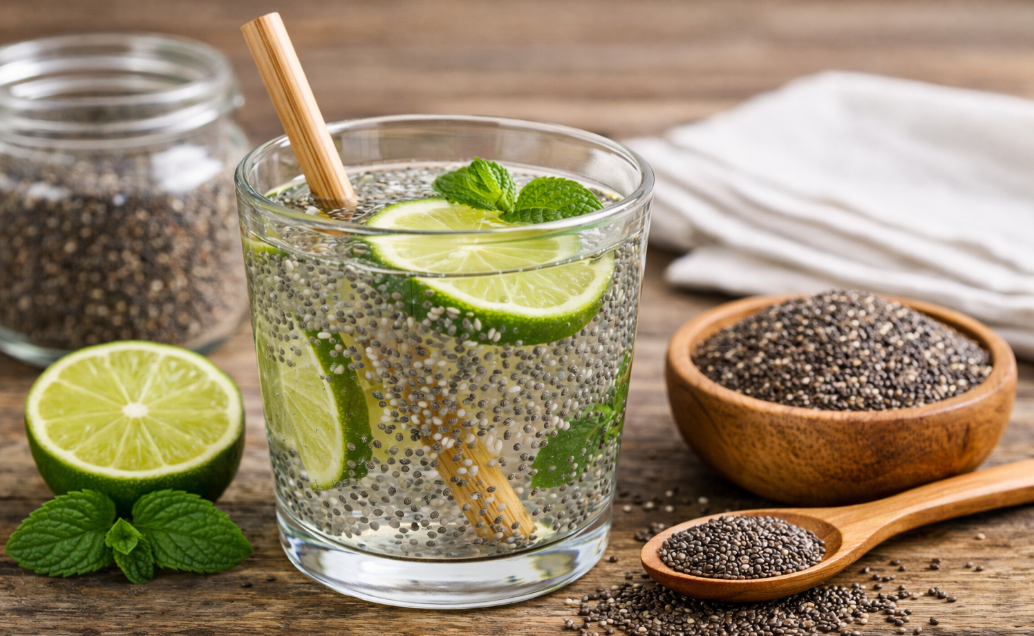
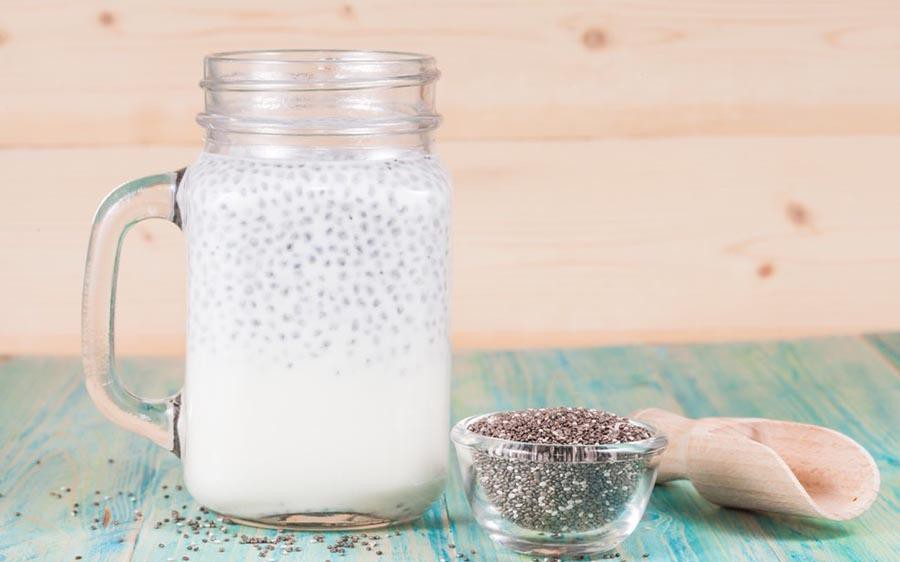
Chia seed water is rich in omega-3s and antioxidants, which are good for the skin.
2. Helps reduce inflammation and soothe the skin.
You may also like

Unexpected benefits of jackfruit seedsJackfruit seeds are a familiar snack and contain many nutrients beneficial to health. According to studies, they are a food rich in magnesium and vitamins and contain no fat. Chia seeds are a source of omega-3 fatty acids (alpha-linolenic acid – ALA), which play a role in regulating the body's inflammatory response. In some cases, skin redness, irritation, or inflammatory acne may be related to systemic inflammation. Supplementing omega-3s through food can help reduce inflammation levels, thereby indirectly improving skin condition.
Additionally, chia seed oil is used in several skincare products due to its light, easily absorbed properties. When applied topically, the oil can help strengthen the skin's protective barrier and reduce transepidermal water loss. However, for sensitive skin or skin conditions, it's advisable to test on a small area before use to avoid irritation.
3. Helps maintain skin moisture from within.
One of the key factors in healthy skin is adequate hydration. When dehydrated, skin tends to dry out, flake, and lose elasticity. Chia seeds have the ability to absorb water and form a gel when soaked. When consumed, they contribute to the intake of soluble fiber and help maintain water balance in the body.
Although chia seeds are not a substitute for water, combining soaked chia seeds with water or coconut water can help increase fluid intake, supporting improved skin hydration. It's important to note that this effect is only achieved when the total fluid intake meets the recommended daily allowance.
4. Used in topical skincare formulations.
After soaking, chia seeds have a gel-like texture and can be used in several homemade skincare recipes, such as:
- Moisturizing face mask (with honey).
- Soothing face mask (in combination with yogurt).
- Gentle exfoliation (combined with gentle massage)...
These formulas can help soften skin temporarily, aid in exfoliation, and improve dryness. However, it's important to emphasize that these are only supplementary measures. They cannot replace proven skincare products or dermatological treatments when necessary.
5. Provides nutrients that support collagen production.
Collagen is an important structural protein of the skin, helping to maintain firmness and elasticity. With age, collagen synthesis gradually decreases. Chia seeds do not contain collagen, but they provide micronutrients such as:

Vietnam encourages US businesses to expand investment in high technology.On the morning of June 26th, at the Government Headquarters, Deputy Prime Minister Ho Quoc Dung received Mr. Jeff Place, Supply Chain Director of Coherent Group (USA). During the meeting, the Deputy Prime Minister affirmed that Vietnam encourages US businesses to expand investment, especially in high-tech, innovation, and semiconductor industries. - Zinc.
- B vitamins.
- Plant protein…
These components play a role in metabolism and support the body's natural collagen synthesis. Additionally, the fiber in chia seeds supports the digestive system. Some studies suggest that gut health is linked to skin conditions, particularly in conditions like acne or dermatitis.
Despite its many potential benefits, chia seeds are not a "miracle food" that can transform your skin in a short time. Their effectiveness depends on many factors: overall diet, lifestyle (sleep, stress, exercise), external skincare routine, and individual skin type. Simply adding chia seeds without adjusting other factors is unlikely to produce noticeable improvements.
To use chia seeds effectively and safely, people need to keep the following in mind:
- Soak chia seeds before eating to avoid the risk of choking.
- Use in moderation (approximately 1–2 teaspoons per day).
- Drink plenty of water while taking this.
- Use caution in individuals with digestive disorders or food allergies.
- It is not a complete replacement for dermatological treatments...
Chia seeds are a nutrient-rich food that can support improved skin health thanks to their antioxidant, anti-inflammatory properties and provision of essential micronutrients. However, this is only one part of a comprehensive skincare strategy. For healthy skin, a balanced diet, a healthy lifestyle, and proper skincare as guided by a healthcare professional are essential.
Readers are invited to read more:
Source: https://suckhoedoisong.vn/5-cach-hat-chia-co-the-thay-doi-lan-da-cua-ban-169260318101455038.htm