Pneumonia is a dangerous lung infection that can occur at any age but is particularly life-threatening in groups with weakened immune systems. According to health experts, correctly identifying risk groups and implementing early preventive measures is key to reducing the incidence and complications of this disease.
- Who is susceptible to pneumonia?
- Effective ways to prevent pneumonia
- When should you seek medical attention early?
Who is susceptible to pneumonia?
Pneumonia occurs when the air sacs in the lungs are attacked by bacteria, viruses, or fungi, causing fluid or pus to build up, leading to shortness of breath and impaired respiratory function. The disease can affect anyone, but some groups are at higher risk.
Doctors say that children under 2 years old and people aged 50-65 and older are more susceptible to pneumonia because their immune systems are not yet fully developed or weaken with age. Older adults also often have underlying health conditions, making it harder for their bodies to fight off pathogens.
People with chronic obstructive pulmonary disease (COPD), asthma, cardiovascular disease, diabetes, liver disease, kidney disease, or other chronic illnesses are at higher risk of developing pneumonia. These conditions weaken the immune system and reduce the respiratory tract's ability to protect itself.
Patients with HIV/AIDS, organ transplant recipients, those undergoing chemotherapy, or those using immunosuppressant drugs or steroids for extended periods are more likely to develop severe pneumonia compared to the general population.
Tobacco smoke and alcohol weaken the lungs' protective function, making the body more susceptible to infections. Additionally, living in polluted, crowded environments or frequent exposure to chemicals and dust also increases the risk of disease.
Experts advise that not getting vaccinated against diseases such as influenza, measles, whooping cough, or pneumococcal disease increases the risk of developing pneumonia, especially in children and the elderly.

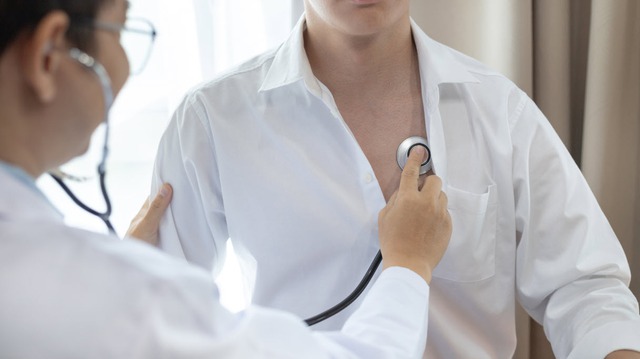
Pneumonia occurs when the air sacs in the lungs are attacked by bacteria, viruses, or fungi.
Effective ways to prevent pneumonia
Health organizations and respiratory experts believe that pneumonia is entirely preventable with a healthy lifestyle and full vaccination.
Vaccinations against pneumococcal disease, influenza, pertussis, measles, etc., are considered the most effective measures to reduce the risk of pneumonia, especially for young children, the elderly, and those with underlying health conditions.
Washing your hands frequently, wearing a mask when necessary, and avoiding contact with people who have respiratory illnesses helps limit the spread of bacteria and viruses.
Quitting smoking improves lung function and boosts immunity, reducing the risk of pneumonia and many other respiratory illnesses.
A nutritious diet, sufficient sleep, and regular exercise help boost the body's immunity and fight off pathogens.
People with chronic illnesses need to adhere to their treatment, have regular health checkups, and monitor their respiratory status to detect the risk of pneumonia early.



When should you seek medical attention early?
Doctors advise people to seek medical attention if they experience symptoms such as high fever, persistent cough, shortness of breath, chest pain, or unusual fatigue. Early detection and treatment help reduce the risk of serious complications and shorten recovery time.
Pneumonia is a preventable disease if individuals proactively protect their health, especially during periods of changing weather or when respiratory illnesses are on the rise. Raising public awareness and implementing preventive measures will help reduce the burden of disease and protect long-term health.
Source: https://suckhoedoisong.vn/ai-de-mac-viem-phoi-va-5-cach-bao-ve-la-phoi-169260207161859227.htm

![[Photo] National Assembly Chairman Tran Thanh Man attends the Conference to announce the Master Plan for Hanoi Capital City with a 100-year vision.](https://vphoto.vietnam.vn/thumb/1200x675/vietnam/resource/IMAGE/2026/06/29/1782709639728_ndo_br_1-jpg.webp)
![[Photo] General Secretary and President To Lam works with the Party Committee of the Government on the work of preventing and combating storms, floods, extreme natural disasters and climate change.](https://vphoto.vietnam.vn/thumb/1200x675/vietnam/resource/IMAGE/2026/06/29/1782729441945_a1-bnd-0385-9454-jpg.webp)


















































![[Image] Building an elevated road through the Ma Da forest.](https://vphoto.vietnam.vn/thumb/402x226/vietnam/resource/IMAGE/2026/06/29/1782724737750_anh-man-hinh-2026-06-29-luc-16-18-43.png)