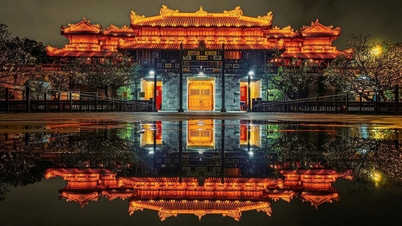
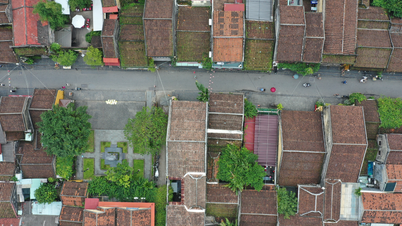
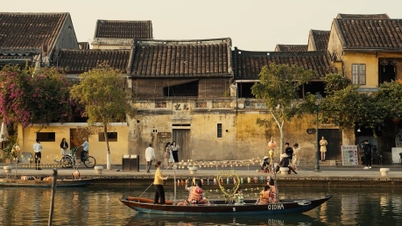
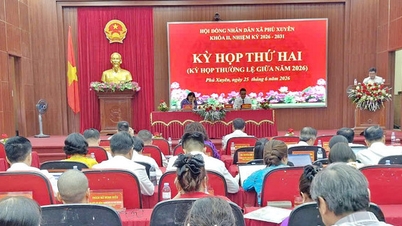
At the scientific seminar "Village Culture of Quang Nam - Solutions for Preservation and Promotion of Values in the New Era" organized by the Da Nang Department of Culture, Sports and Tourism on June 25th, many opinions suggested that the unique characteristics of villages in Quang Nam lie in the intermingling of the cohesion of traditional Vietnamese villages with the open-minded spirit of the pioneering land.
Preserving the soul and essence of Quang Nam province.
Over 555 years of formation and development, the villages of Quang Nam province have become spaces preserving the enduring cultural values of the region. From communal houses, temples, shrines, ancestral churches, and traditional craft villages, to the system of customs, traditions, beliefs, folk festivals, and folk songs and melodies that have been deeply ingrained in community life for generations.
In particular, the village has ceased to be merely a residential unit or a traditional form of social organization, becoming a distinctive cultural space where the core values of the nation are crystallized, preserved, and transmitted.
According to Associate Professor Dr. Ngo Van Minh of the Da Nang City Heritage Association, to understand the cultural identity of Quang Nam province, one must begin with village culture. This is because the village is the environment that shaped the character of the people of Quang Nam, with outstanding qualities such as loyalty, diligence, studiousness, dynamism, and a spirit of innovation.
“Throughout the nation's history, the village has been one of the most enduring social institutions. The village serves as both a residential unit, an economic unit, and a center for religious and cultural activities within the community. Therefore, researching and identifying the unique values of Quang Nam's village culture to develop appropriate preservation and promotion solutions is of profound practical significance for Da Nang city today,” emphasized Associate Professor Dr. Ngo Van Minh.


However, under the impact of industrialization and urbanization, many cultural values of the village are facing the risk of disappearing; traditional festivals, handicrafts, and community customs are gradually shrinking in their scope of existence.
Conservation for development
According to Associate Professor Bui Hoai Son, a full-time member of the National Assembly's Committee on Culture and Society, preserving village culture in the current period is not about clinging to the past, but about ensuring that the positive values of the past continue to live in the present and participate in shaping the future.
In particular, there needs to be a shift from a static to a dynamic approach to conservation; from preserving individual relics to preserving entire cultural ecosystems; and from administrative management to community-participatory governance. Simultaneously, it is necessary to promote heritage education, digitize cultural documents, and leverage traditional values as a resource for development. “Village culture is a living entity. Preserving village culture must also mean preserving a living ecosystem. If we can achieve that, the village culture of Quang Nam will not only be preserved but will also become a driving force for sustainable development,” Mr. Son stated.
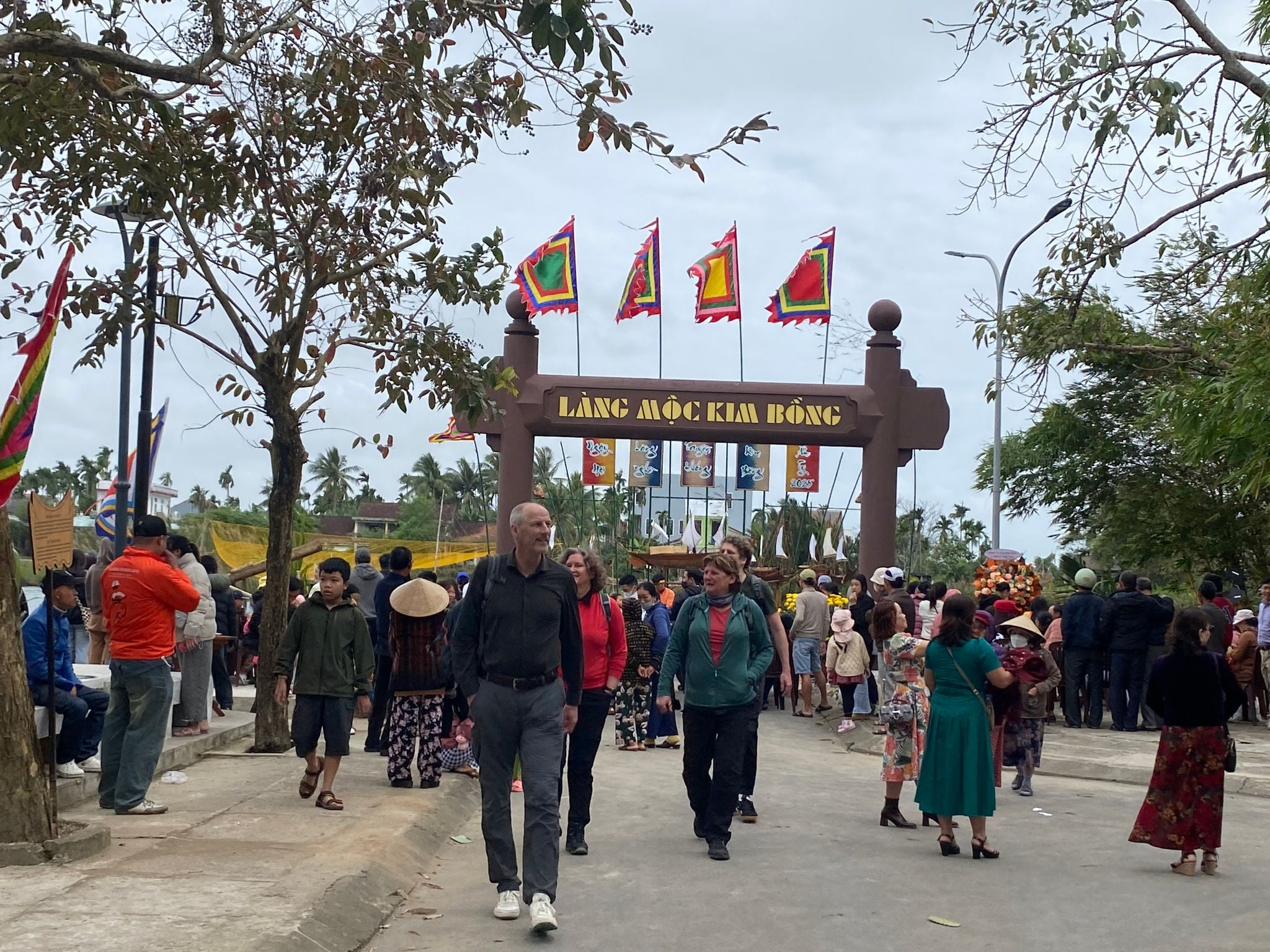
In the context of the current policy of reorganizing villages and residential areas, preserving village cultural values has become even more urgent. Besides the goal of streamlining the administrative apparatus and improving management efficiency, the reorganization process also needs to consider preserving the historical and cultural values that have long been associated with the local community.
Ms. Nguyen Thi Thanh Phuong, Vice Chairwoman of the Vietnam Fatherland Front Committee of Da Nang City, shared that one of the issues of greatest concern to the people today is preserving traditional village names after the reorganization. This is because village names are not merely administrative place names, but rather repositories of community memories, reflecting the history of the land's formation and the emotional attachment of many generations of residents. Therefore, the selection of new village and neighborhood names needs to ensure a balance between the requirements of state management and the preservation and promotion of traditional cultural values.
Some experts also argue that preserving village culture today is not about maintaining the image of the countryside in the past, but about preserving the core values that give vitality to the community in the new development environment. These include self-governing cultural institutions, religious life, customs and traditions, traditional festivals, the spirit of solidarity, and a sense of community cohesion.



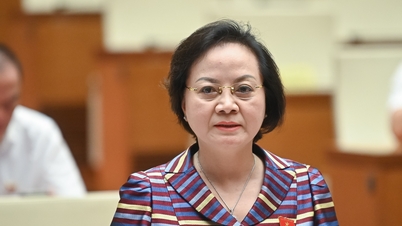
According to Ms. Nguyen Thi Thu Hien, Deputy Director of the Department of Culture, Sports and Tourism of Da Nang City, the current challenge is to build a harmonious development model that balances tradition and modernity; preservation and development; and culture and economy, so that the younger generation not only understands the heritage but also takes pride in it and continues to create from it. Through this, the cultural values of villages will be transformed into resources to serve tourism development, rural development, and improve the spiritual life of the people.
Preserving the essence of rural life and promoting traditional cultural values in modern life is the way for each village to continue to exist, develop, and contribute to the overall identity of the city, creating intrinsic strength for sustainable development in the future.
Source: https://baodanang.vn/giu-di-san-van-hoa-lang-xu-quang-3341913.html