

According to Dr. Le Van Thieu, from the Department of General Infectious Diseases at the Central Hospital for Tropical Diseases, pig intestines, particularly the small intestine, contain a lot of protein, fat, vitamins, and minerals, but also contain contaminants from food or the environment, especially when the animal is not raised and processed properly.
The large intestine contains waste products from digestion, and also absorbs remaining water and nutrients. Therefore, this part of the body is at high risk of contamination.
Regardless of which type you choose, food safety and hygiene are still important considerations, as both young and old intestines pose health risks.
Experts advise buying offal from reputable sources, choosing organs from healthy animals, and thoroughly cleaning them before cooking. Whether it's the small or large intestine, you shouldn't eat too much of it.
When eating, families need to ensure that pork offal is thoroughly cooked, using high temperatures and sufficient cooking time to kill any bacteria and parasites that may be present. Animal offal should be prepared and enjoyed hot to reduce the risk of infection. If not consumed immediately, families should store the offal in the refrigerator at an appropriate temperature to prevent bacterial growth.

Pork intestines, particularly the small intestine, are rich in protein, fat, vitamins, and minerals. (Illustrative image)
Pork offal should be limited or avoided in the following cases:
Having gout
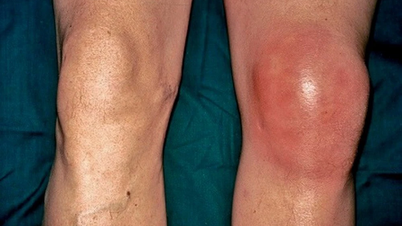
Pork offal increases uric acid levels in the blood, leading to the formation and accumulation of sharp, solid urate crystals in the joints of the toes and fingers, causing intense pain accompanied by swelling, heat, and redness around the affected area.
People with gout who experience frequent relapses may suffer joint destruction. Many patients develop urinary stones due to urate crystal deposition, causing blockages that lead to urinary tract infections and kidney dysfunction.
Patients with cardiovascular disease and high cholesterol.
Pork offal is very high in cholesterol, especially bad cholesterol, which can cause blood lipid levels to spike. Therefore, people with high blood lipid levels should avoid eating pork offal, or only eat a few pieces. This is also a food that should be limited for people with cardiovascular and other metabolic diseases such as atherosclerosis and diabetes.
People with poor digestion
Pork offal is high in fat, making it harder to digest and unsuitable for people with digestive disorders, intestinal infections, or those with sensitive stomachs, frequent stomach pain, or diarrhea.
Furthermore, obese and overweight people should avoid eating offal because it is high in calories. This dish is also not good for people with colds or flu because it can easily cause bloating and indigestion, making an already weakened body even more tired.
People with hepatitis
For people with normal health, eating offal in moderation is very good for their health. However, it is especially important to note that people with cirrhosis, hepatitis, liver cancer, or fatty liver disease should not eat offal too often.
The liver is responsible for metabolizing toxins and food; therefore, animal organs inadvertently contain a quantity of unmetabolized nutrients and toxins. Liver cells in people with liver disease, which already do not function as well as in healthy individuals, may become overloaded and their condition may worsen if they consume large quantities of animal organs.
Pregnant women
Pregnant women should avoid eating dishes made from offal such as blood pudding, pig intestines, liver, and gizzard because dishes made from animal offal of unknown origin pose many risks of bacterial, viral, and parasitic infections (worms, flukes) that can be transmitted to humans.
Furthermore, consuming unhygienic pork liver carries a high risk of Aflatoxin infection, a substance that can cause liver cancer in humans. A more frightening disease is infection with Streptococcus suis, a bacterium commonly found in the blood (secretions), intestines, internal organs, and meat of pigs.
When consuming undercooked pork products such as blood pudding, offal, fermented pork sausage, and offal porridge, streptococcal bacteria from the food can enter the body and cause illness. This is extremely dangerous for the health of pregnant women.
Source



































































































Comment (0)