Fish is a high-quality source of protein along with many vitamins, minerals, and omega-3 fatty acids. However, according to Biology Insights , there are significant differences between fish species in terms of nutritional value and mercury content, so consumers need to choose wisely.
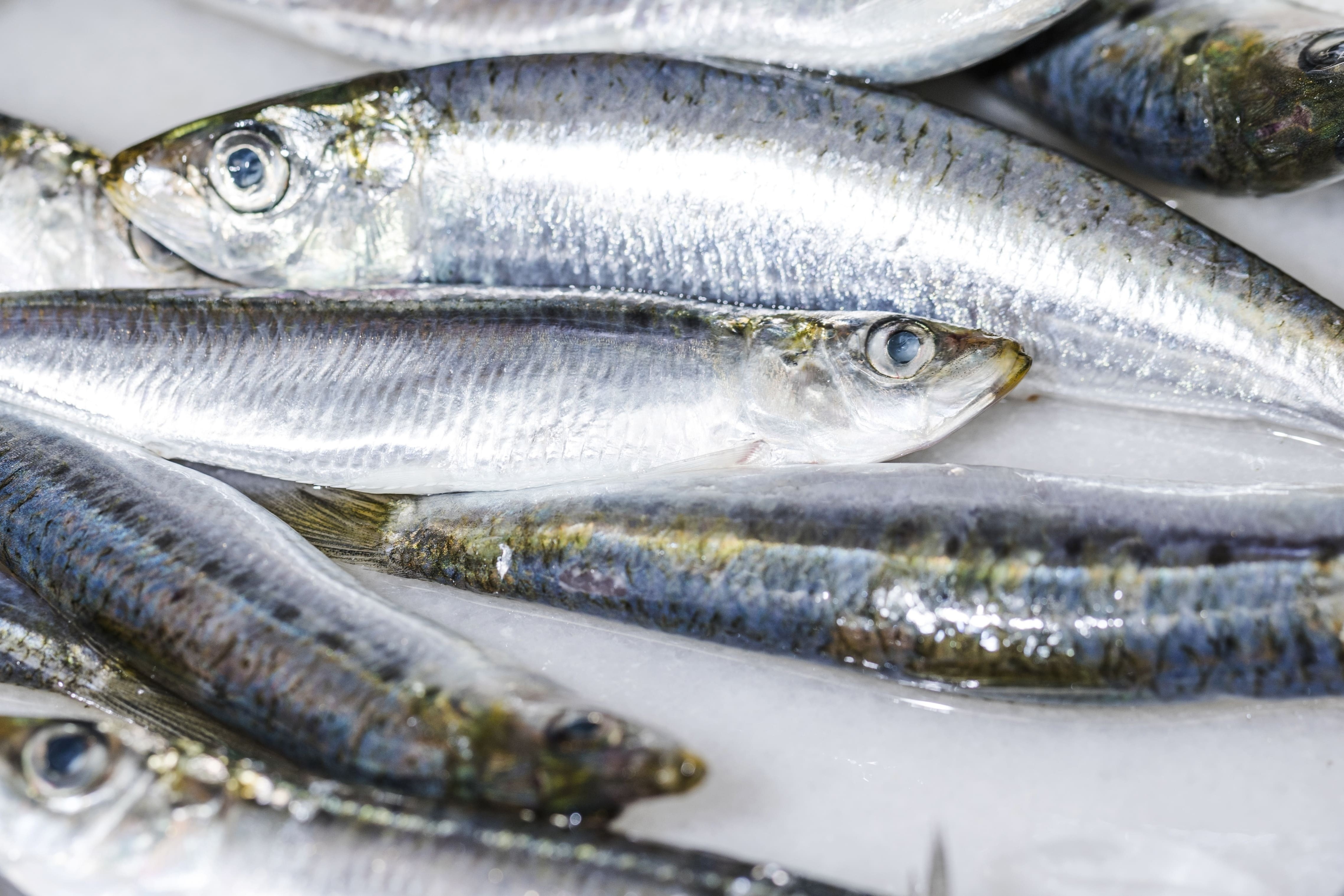 |
Eating fish regularly offers many health benefits. Photo: Magnific . |
Which type of fish should you choose that is both nutritious and safe?
Numerous studies have shown that maintaining a regular fish-eating habit is associated with a lower risk of heart failure, coronary artery disease, stroke, and death from cardiovascular disease. This benefit primarily stems from two omega-3 fatty acids, EPA and DHA – essential nutrients that the body cannot synthesize in sufficient quantities to meet its needs.
However, not all fish offer the same nutritional value. Fatty fish like salmon, mackerel, herring, and sardines contain significantly higher levels of omega-3s than leaner fish, thus offering greater benefits for cardiovascular health.
Besides omega-3 content, mercury is also a factor to consider when choosing fish. This substance tends to accumulate in large, long-lived predatory fish. If consumed regularly over a long period, mercury can affect the nervous system, causing memory loss, numbness in the hands and feet, muscle weakness, and even affecting speech and vision.



Therefore, experts recommend prioritizing fish with low mercury levels such as salmon, Atlantic mackerel, herring, sardines, cod, pollock, tilapia, shrimp, clams, scallops, and canned tuna. Adults can safely consume 2-3 servings per week from this food group.
Meanwhile, some species with moderate mercury levels, such as flounder, grouper, snapper, lobster, and yellowfin tuna, can still be consumed but should be limited to about one serving per week.
Conversely, it is advisable to limit or avoid frequently eating fish species with high mercury levels, such as shark, swordfish, king mackerel, and bigeye tuna. Additionally, fresh or frozen tuna fillets often contain more mercury than canned tuna, so they should not be consumed too often.
How much fish should pregnant women and children eat?
Pregnant and breastfeeding women are still encouraged to eat fish regularly instead of abstaining completely. According to experts, this group should consume about 240-340g of low-mercury fish per week, equivalent to 2-3 servings, each serving about 110-113g.
This recommendation is much higher than many people realize. The reason is that the developing brains of fetuses and young children need omega-3s for complete structure and function. The important thing is not to avoid eating fish, but to choose the right types of fish that are low in mercury so that you can both receive nutritional benefits and limit the risk of mercury exposure.
Children should also eat fish regularly, but in appropriate portions for their age. Specifically: children aged 1-3 years should eat about 30g per serving; children aged 4-7 years about 60g; children aged 8-10 years about 85g; and those 11 years and older about 110g per serving. Similar to adults, children should eat about two servings of fish per week, prioritizing types of fish with low mercury content.



Source: https://znews.vn/an-bao-nhieu-ca-moi-tuan-la-du-post1663876.html
![[Photo] National Assembly Chairman Tran Thanh Man attends the Conference to announce the Master Plan for Hanoi Capital City with a 100-year vision.](https://vphoto.vietnam.vn/thumb/1200x675/vietnam/resource/IMAGE/2026/06/29/1782709639728_ndo_br_1-jpg.webp)
![[Image] A look back at the capital's preparations for the century-long master plan.](https://vphoto.vietnam.vn/thumb/1200x675/vietnam/resource/IMAGE/2026/06/29/1782750453122_quy-hoach-100-nam-minh-duy-1-2118-jpg.webp)
![[Photo] General Secretary and President To Lam works with the Party Committee of the Government on the work of preventing and combating storms, floods, extreme natural disasters and climate change.](https://vphoto.vietnam.vn/thumb/1200x675/vietnam/resource/IMAGE/2026/06/29/1782729441945_a1-bnd-0385-9454-jpg.webp)

































































![[Image] Building an elevated road through the Ma Da forest.](https://vphoto.vietnam.vn/thumb/402x226/vietnam/resource/IMAGE/2026/06/29/1782724737750_anh-man-hinh-2026-06-29-luc-16-18-43.png)