

According to the " World Population Report 2023" published by the United Nations Population Fund (UNFPA) on April 19, India will have 1.4286 billion people by the middle of this year, compared to China's 1.4257 billion. The United States ranks third with approximately 340 million people.
The report also stated that India is not only densely populated but also one of the youngest countries in terms of demographics. These demographic changes present significant economic and social challenges that the Asian nation must adapt to.
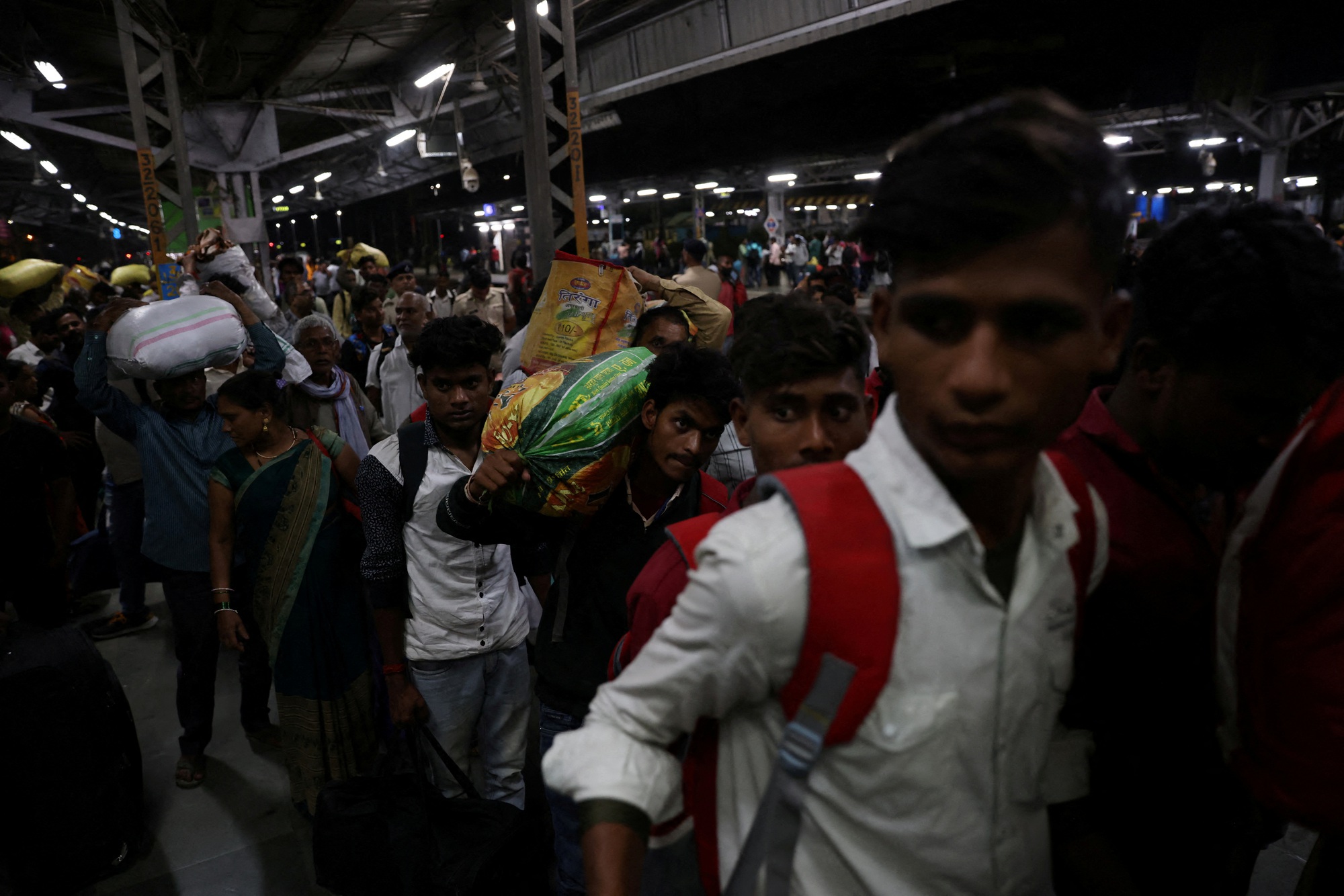
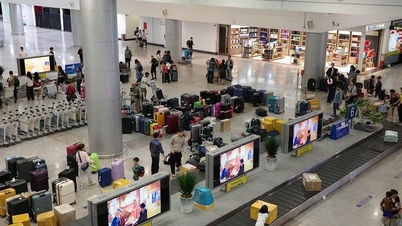
Passengers at a train station on the outskirts of Mumbai, India. Photo: REUTERS
According to Bloomberg, more than half of India's population is under 30 years old. With over two-thirds of its population in the working age group (15 to 64 years old), India can both produce and consume more goods and services, fostering innovation and keeping pace with technological changes.
Nevertheless, India also faces numerous challenges from its large population, including ensuring food security, providing better healthcare and education services, building infrastructure, and improving living conditions in villages and towns.
Politically, becoming the world's most populous nation could help India solidify its ambition for a permanent seat on the United Nations Security Council. The country is currently using its growing market power to advance its geopolitical position, such as building close ties with the US, Japan, and Australia within the "Quad" group.
Source

![[Photo] A vibrant celebration of generations of Nhan Dan Newspaper staff](https://vphoto.vietnam.vn/thumb/1200x675/vietnam/resource/IMAGE/2026/03/11/1773228432744_cb-75-nam-7-7034-jpg.webp)















































































Comment (0)