

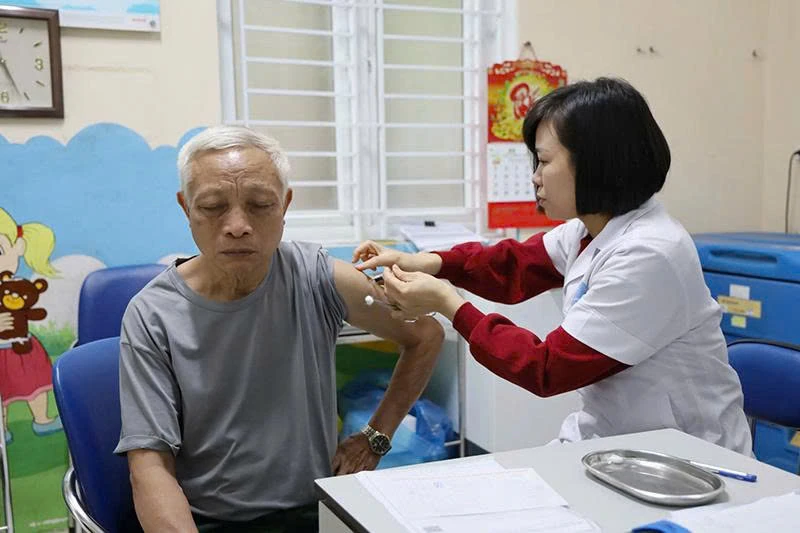
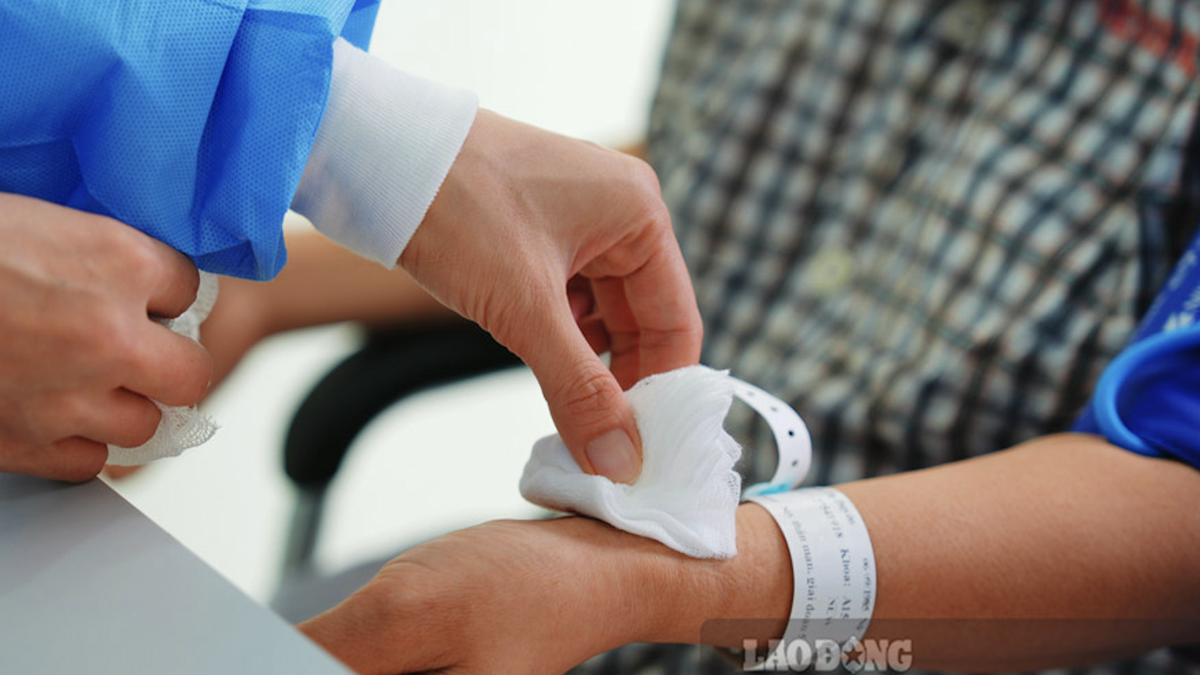
People are getting vaccinated at the vaccination service room of the Provincial Center for Disease Control.
In this context, full and timely vaccination is not only a health recommendation, but also a proactive and necessary "shield" to limit disease outbreaks right from the early months of the year.
At the vaccination service room of the Thanh Hoa Provincial Center for Disease Control, the number of people coming for vaccinations has remained steady since the Lunar New Year. From early morning, the reception area was already crowded with elderly people and parents bringing young children to register for booster shots against seasonal influenza, pneumococcal disease, measles-rubella, chickenpox, Japanese encephalitis, etc. Currently, influenza vaccination is a popular choice for many people.
Mr. Le Quang Long, 70 years old, residing in Quang Phu ward, said: “After Tet, the weather has been fluctuating between hot and cold, so I went to get vaccinated against influenza and pneumococcal disease. I have been getting flu shots for the past three years. Because I get them regularly, I get the flu less often than before, and my health is stable.”
Meanwhile, Ms. Nguyen Thi Huyen from Hac Thanh ward said: "My family traveled a lot during Tet, and my child was in contact with many people, so I was quite worried. The weather turned cold and then humid, making children very susceptible to illness. Therefore, after Tet, I immediately took my child to get any missing vaccinations and flu shots."
According to Ms. Dao Thi Huong, a nurse at the vaccination service room of the Provincial Center for Disease Control, the demand for seasonal flu vaccinations and other respiratory disease vaccines increased sharply after the Tet holiday. This is a transitional period between seasons, with sudden temperature changes between day and night and high humidity creating favorable conditions for viruses to thrive. In addition, travel, social interaction, and large gatherings during Tet increase the risk of disease transmission in the community. From the beginning of 2026 to the present, the vaccination room has safely vaccinated 1,198 people with 1,507 doses, including more than 400 flu shots.
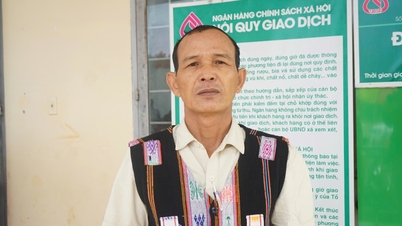
Not only in urban areas, but also at the grassroots level, vaccination work is being maintained steadily at this time. In the first week of work, the Hoang Trung Health Station in Hoang Phu commune organized regular and service vaccination sessions. They also reviewed cases of children whose vaccinations were due during the Tet holiday to invite them for catch-up vaccinations. Ms. Nguyen Thi Bao from Xa Ve village, who came to get a flu shot, shared: “I often get sick with minor illnesses and the flu, so for many years I have maintained my flu vaccination schedule. This year's vaccination schedule coincided with Tet, so right after Tet, I came to the health station to get my flu shot.”
Ms. Do Thi Tu, Head of Hoang Trung Health Station, said: “After Tet (Lunar New Year), many people proactively get vaccinated and bring their children for vaccinations due to concerns about spring and summer diseases. We create a specific list of each child and notify families directly about the vaccination schedule. At the same time, we always maintain a supply of vaccines and materials to provide vaccination services for people who need them. In addition to vaccinations, the health station also strengthens direct communication with people about the benefits of vaccines and answers questions related to post-vaccination reactions. Publicizing the process and closely monitoring the health of children and people after vaccination helps people understand and trust the system more.”
According to healthcare facilities, the number of people coming for vaccinations usually increases after the Lunar New Year. This is especially true for young children in the age group eligible for expanded immunization and elderly people receiving flu and pneumococcal vaccinations. Local authorities are implementing catch-up and supplementary vaccination programs for those who have not been vaccinated or have not received all the required doses, striving to maintain a high coverage rate and prevent the formation of "immunity gaps".
In reality, after days of gatherings and travel to many places, the risk of cross-infection in the community increases. Therefore, full vaccination is considered an effective "shield," reducing the risk of illness, severe complications, and outbreaks. To meet the vaccination needs of the people, units have proactively reviewed vaccine sources, allocated personnel to carry out vaccination work; reviewed and fully updated the list of people eligible for expanded immunization. At the same time, they maintain the management of vaccination recipients, remind them of appointments via phone, and use electronic vaccination records, contributing to improved management efficiency. The screening and monitoring process after vaccination is strictly implemented to ensure the safety of the people.
Alongside vaccinating children, localities are also stepping up vaccinations against seasonal influenza and pneumococcal disease for the elderly, people with underlying health conditions, and pregnant women – groups at high risk of severe illness if they contract the disease. Proactive vaccination is considered the most fundamental, effective, and cost-efficient solution in preventing and controlling spring and summer epidemics.
Health centers and health stations have intensified epidemiological surveillance, especially for infectious diseases that typically increase in the spring and summer months, such as influenza, measles, hand, foot and mouth disease, and dengue fever. Simultaneously, they have strengthened communication about preventive measures such as maintaining personal hygiene, washing hands with soap, wearing masks in crowded places, and cleaning living and school environments. Health stations maintain a system of reporting and monitoring suspected cases, promptly addressing outbreaks when they occur.
In reality, the period after the Lunar New Year is a time when the risk of disease outbreaks is always present. In this context, vaccination is not only the responsibility of the health sector but also requires the proactive participation and cooperation of each family. This proactive approach will contribute to strengthening the disease prevention "shield" for the entire province right from the first months of the year.
Text and photos: Thùy Linh
Source: https://baothanhhoa.vn/giu-la-chan-mien-dich-sau-tet-280912.htm

![[Photo] A vibrant celebration of generations of Nhan Dan Newspaper staff](https://vphoto.vietnam.vn/thumb/1200x675/vietnam/resource/IMAGE/2026/03/11/1773228432744_cb-75-nam-7-7034-jpg.webp)
































































Comment (0)