

It's not difficult to find snacks labeled "Made in China" on social media. Just by browsing Facebook, TikTok, Zalo, etc., users can access hundreds of items, from spicy pickled chicken feet and duck legs, gummy candies, spicy sticks... to various pre-packaged drinks, all at cheap prices, ranging from just a few thousand to a few tens of thousands of Vietnamese dong.
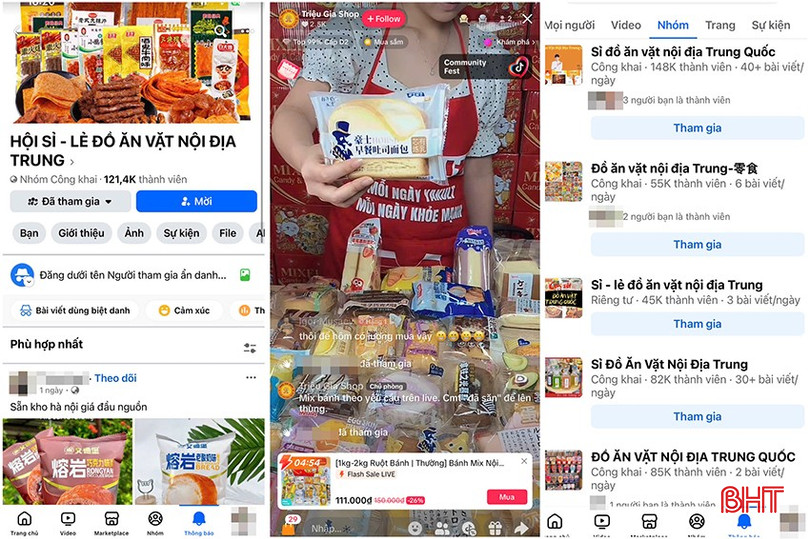
According to surveys from several Facebook groups specializing in selling "domestic Chinese" snacks, the level of interaction and daily orders is very high. Video reviews from popular TikTokers further boost the popularity of these products. It's easy to find clips of people trying out "spicy and sour Chinese duck and chicken feet" accompanied by comments like "addictive," "unique and captivating flavor," etc. Curiosity, combined with the social media effect, leads many young people, especially students, to readily spend money to try them.
“I saw many people on TikTok making videos of themselves eating Chinese food that looked delicious, so I was curious and bought some to try. One day I ordered chicken feet and spicy skewers… just for fun, but afterwards I had a stomachache and had to miss a whole day of school. Since then, I've started paying more attention to checking the information on the packaging, but many products don't have Vietnamese labels, so I'm not sure about the ingredients or expiration date,” shared Nguyen Thi Bao Tram, an 11th-grade student in Ha Tinh City.
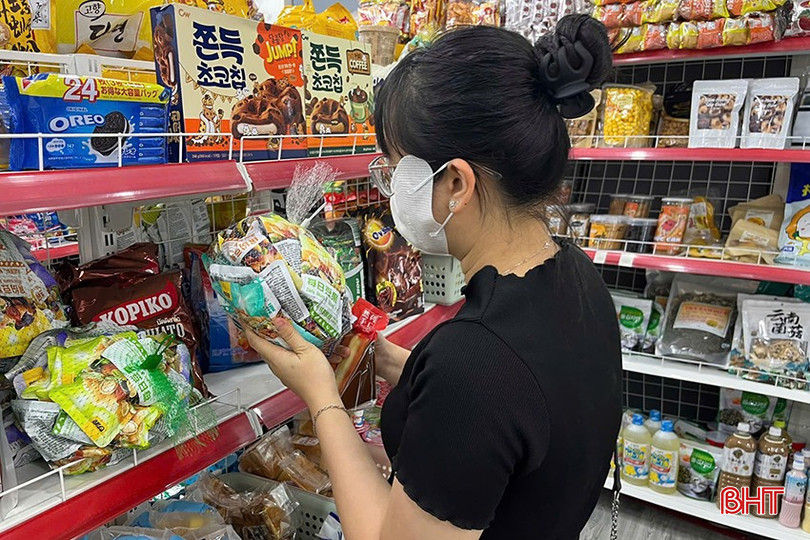
Not only are Chinese-made snacks, candies, and spicy food products rampant on online sales platforms, but they are also infiltrating many grocery stores in Ha Tinh City. With attractive packaging and low prices, these products easily attract students and young children. Notably, many items are openly displayed but lack Vietnamese labels or supplementary information such as the importer, expiration date, or ingredients.
This situation raises serious concerns about consumer rights and health, especially since the majority of products use only Chinese on their packaging without any instructions in Vietnamese. The ambiguity regarding origin and ingredients makes it difficult for consumers to check quality and detect potential risks such as allergens.
Mr. Tran Van Hung (Nam Ha Ward, Ha Tinh City) said: “My daughter often orders snacks online or buys them from grocery stores. Most of them are strange-looking items with Chinese packaging. At first, I didn't pay attention, but after she had a stomachache, I checked carefully and was shocked because I didn't know where the products were manufactured or what the expiration date was... Since then, I've told my daughter not to buy those kinds of products anymore.”
Mr. Hung's case reflects a common reality faced by many families. While parents struggle to control their children's consumption habits, the market for unsafe snacks continues to expand, partly due to a lack of effective monitoring mechanisms on e-commerce platforms, and partly due to the lax attitude and curiosity of consumers.
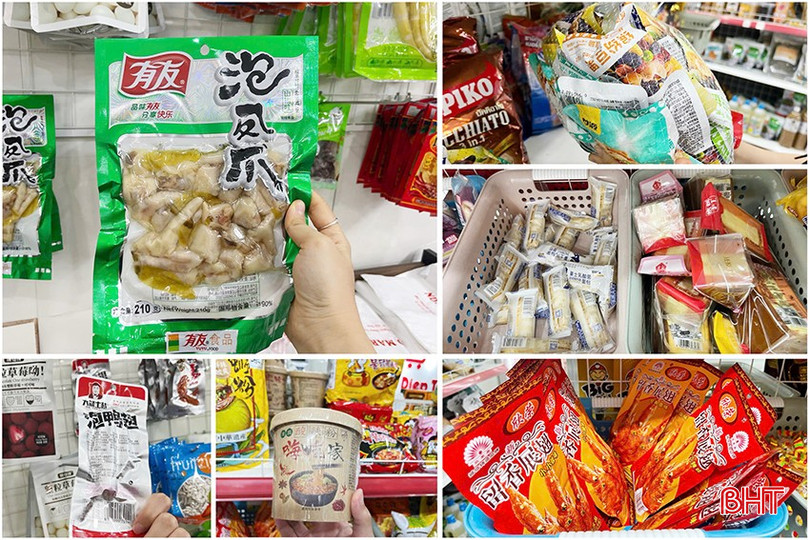
Dr. Hoang Thi Quynh Tho, a specialist in Clinical Nutrition at the Provincial General Hospital, warned: “There is no guarantee that products labeled ‘Made in China’ are produced in an environment that meets food safety standards. Even if they are attractively packaged and vacuum-sealed, if they are not officially imported and have not undergone quality inspection by relevant authorities, the risk of containing preservatives exceeding permitted limits, prohibited industrial dyes, or even contamination with pathogenic microorganisms such as Salmonella and E. coli is entirely possible.”
According to Dr. Hoang Thi Quynh Tho, consuming products of unknown origin is particularly dangerous for young children. Consumers may experience acute symptoms such as digestive disorders, food allergies, or acute poisoning. In the long term, the accumulation of prohibited synthetic additives such as certain azo dyes (like E102, E110, E124…), preservatives in unknown dosages… can cause liver and kidney damage and affect the central nervous system, especially in children – a group with weak detoxification and metabolic capabilities.
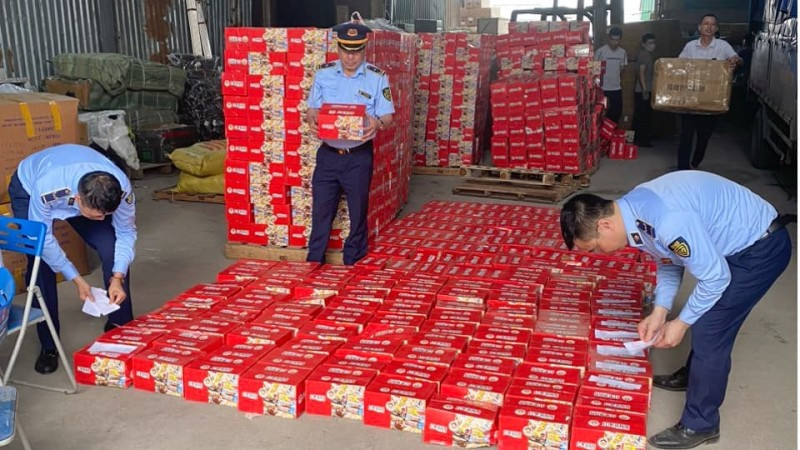
In reality, "domestic Chinese" products are tapping into the consumer's preference for novelty, low prices, and social media trends, especially among young people. This leads to worrying consequences as consumers struggle to distinguish between officially imported goods and counterfeit products, between standard-compliant products and uninspected food. When food safety standards are ignored, consumers are the ones who ultimately suffer the consequences.
This not only poses challenges in market management but also requires each individual, especially young people, to raise their awareness when choosing food. In an increasingly convenient and digitized shopping environment, being vigilant and proactively saying "no" to food of unknown origin is the best way to protect one's own health and that of loved ones, before momentary curiosity turns into unpredictable consequences.
Source: https://baohatinh.vn/an-hoa-tu-do-an-gan-mac-noi-dia-trung-post290528.html

![[Photo] Prime Minister Pham Minh Chinh receives the Chinese Ambassador to Vietnam](https://vphoto.vietnam.vn/thumb/1200x675/vietnam/resource/IMAGE/2026/04/05/1775397481797_ndo_br_dsc-5512-jpg.webp)










































































Comment (0)