1. The benefits of persimmon
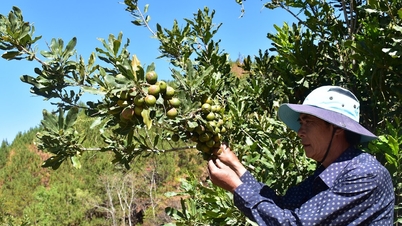
The velvet persimmon fruit is described in some traditional Chinese medicine and folk botany texts as Mao Thi, due to its family Ebenaceae and the fine hairs covering its skin. In Vietnam, this fruit is widely grown in the western provinces.
- 1. The benefits of persimmon
- 2. Some ways to use persimmons for good health.
- 3. Some things to note when using persimmons
When unripe, it has an astringent taste due to its high tannin content, but as it ripens, it gradually turns sweet with a slightly astringent taste, and has a slightly cooling effect, acting on the spleen, stomach, and lungs. Persimmon fruit has the effects of generating fluids to quench thirst, strengthening the spleen to stop diarrhea, clearing heat and moistening the lungs, and relieving congestion; it is often used in the treatment of the following diseases:
For spleen deficiency causing diarrhea: Use ripe persimmons that still retain a slight astringency. The astringent taste helps to constrict the large intestine and is very effective in stopping diarrhea.
For dry coughs due to lung dryness or hoarseness/loss of voice: Use fully ripe, sweet, and cooling persimmon fruit to moisten dry lungs, clear lung heat, and soothe the throat.
To reduce swelling and aid in the treatment of boils and skin inflammation: Crush unripe persimmon fruit and apply it externally to ulcers or boils to take advantage of its natural astringent and antibacterial properties, helping the wound heal quickly.

Persimmons have many health benefits.



Additionally, in folk medicine, the leaves of the velvet rose plant are boiled in water and used as a wash to treat skin rashes, itching, and eczema due to their cooling and detoxifying properties; a decoction of the bark is used as a mouthwash to treat gingivitis, mouth ulcers, or as an astringent.
According to modern research, persimmons are a highly nutritious fruit, containing many B vitamins such as B9, B5, B3, and B2, along with a significant amount of vitamin C. In addition, persimmons have been shown to contain significantly higher levels of calcium and zinc than many other fruits. Persimmons also contain antioxidants, malic acid, and many other valuable compounds such as stigmasterol, lupeol, and betulinic acid.
Modern scientific studies have proven and clarified many of the pharmacological uses of the red persimmon fruit, including:
- Antidiarrheal activity.
- Anti-inflammatory effect.
- Anti-asthma medication.
- Pain relief capabilities.
- It has strong antioxidant effects.
- Helps lower blood sugar.
- Antibacterial.
- Helps treat mouth ulcers, gingivitis, and reduces bad breath.
2. Some ways to use persimmons for good health.
2.1 Eating fresh fruit
How to eat:
- Remove the fuzzy layer: The fine fuzz on the skin of the persimmon can easily cause throat irritation or skin irritation. Use a clean cloth or damp towel to scrub vigorously to remove all the fuzz, then rinse thoroughly under running water.
- Soften the fruit if it's not fully ripe: If the fruit is harvested directly from the tree and hasn't fallen yet, it should be left to ripen completely in a container of rice or wrapped tightly for 2-3 days. This process helps the tannins transform from a soluble to an insoluble form, eliminating the astringent taste.
- Peel the thick skin and remove the seeds: Use a sharp knife to carefully peel off the outer layer of skin (where the most tannins are concentrated). Cut in half and remove the seeds.
- Eat the creamy white, firm flesh of the fruit.
2.2 Persimmon Smoothie
Instructions: Blend the flesh of ripe persimmons with a little almond milk or oat milk.



2.3 Red velvet bean curd with crushed ice and sugar
Instructions: Chop the ripe fruit into small pieces, add a little rock sugar or honey and crushed ice, then mix well.
3. Some things to note when using persimmons
- Never eat on an empty stomach as it can hinder digestion and cause stomach pain.
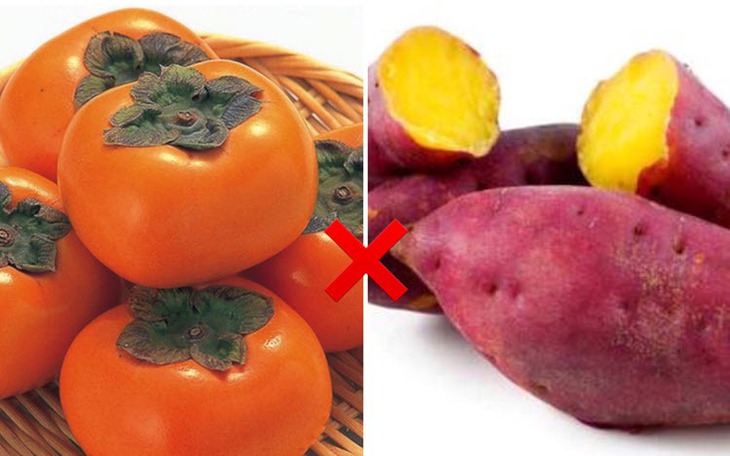
- Avoid eating persimmons with protein-rich foods because the tannins in persimmons can cause the protein in food to coagulate, forming indigestible deposits.
- Do not drink alcohol when eating persimmons.
- Always scrub off the fuzz from persimmons before eating them.
- Only eat the fruit when it is completely ripe and soft.
- It's best to peel off thick layers of the skin to remove some of the tannins that are concentrated near the peel.
- People with digestive disorders, stomach pain, iron-deficiency anemia, and diabetes should be cautious when eating persimmons.
Source: https://suckhoedoisong.vn/an-qua-hong-nhung-co-tac-dung-gi-169260622111440169.htm
![[Image] A look back at the capital's preparations for the century-long master plan.](https://vphoto.vietnam.vn/thumb/1200x675/vietnam/resource/IMAGE/2026/06/29/1782750453122_quy-hoach-100-nam-minh-duy-1-2118-jpg.webp)

![[Photo] National Assembly Chairman Tran Thanh Man attends the Conference to announce the Master Plan for Hanoi Capital City with a 100-year vision.](https://vphoto.vietnam.vn/thumb/1200x675/vietnam/resource/IMAGE/2026/06/29/1782709639728_ndo_br_1-jpg.webp)
![[Photo] General Secretary and President To Lam works with the Party Committee of the Government on the work of preventing and combating storms, floods, extreme natural disasters and climate change.](https://vphoto.vietnam.vn/thumb/1200x675/vietnam/resource/IMAGE/2026/06/29/1782729441945_a1-bnd-0385-9454-jpg.webp)