

 |
Securing a self-sufficient supply chain helps Apple avoid fluctuations in component import prices. Photo: Bloomberg . |
While Xiaomi, OPPO, Vivo, and Honor are preparing to raise phone prices by more than $200 , Apple has just launched the iPhone 17e with the same price as its predecessor. In China, Huawei has also announced it will not increase phone prices this year. This contrast is raising serious questions for the entire smartphone industry.
The cause of the price surge lies in memory chips. From September 2025 to February 2026, spot prices for memory chips increased by more than 300%. In the first quarter of 2026, DRAM contract prices increased by 90-95% compared to the previous month, while NAND flash increased by 55-60%.
Last year, a mid-range Android phone costing 2,500 yuan ( $363 ) had a memory chip cost of around 300 yuan ( $43 ), accounting for 12% of the price. This year, that figure has jumped to 500-600 yuan ( $72-87 ), representing over 20%.
A clear strategy
The reason for the increase in smartphone prices stems from AI. A high-performance AI server requires 8-10 times more DRAM than a conventional server. Samsung, SK Hynix, and Micron have shifted over 80% of their advanced manufacturing capacity to HBM chips for AI servers.
As a result, general-purpose memory chips for smartphones have become scarce and expensive. The prices of copper and aluminum have also risen sharply, further increasing cost pressure on manufacturers.
In China, the 256GB version of the iPhone 17e this year is priced at 4,499 yuan ( $653 ), a decrease of 1,000 yuan ( $145 ) compared to the iPhone 16e, while also boasting an upgraded configuration with the A19 chip.
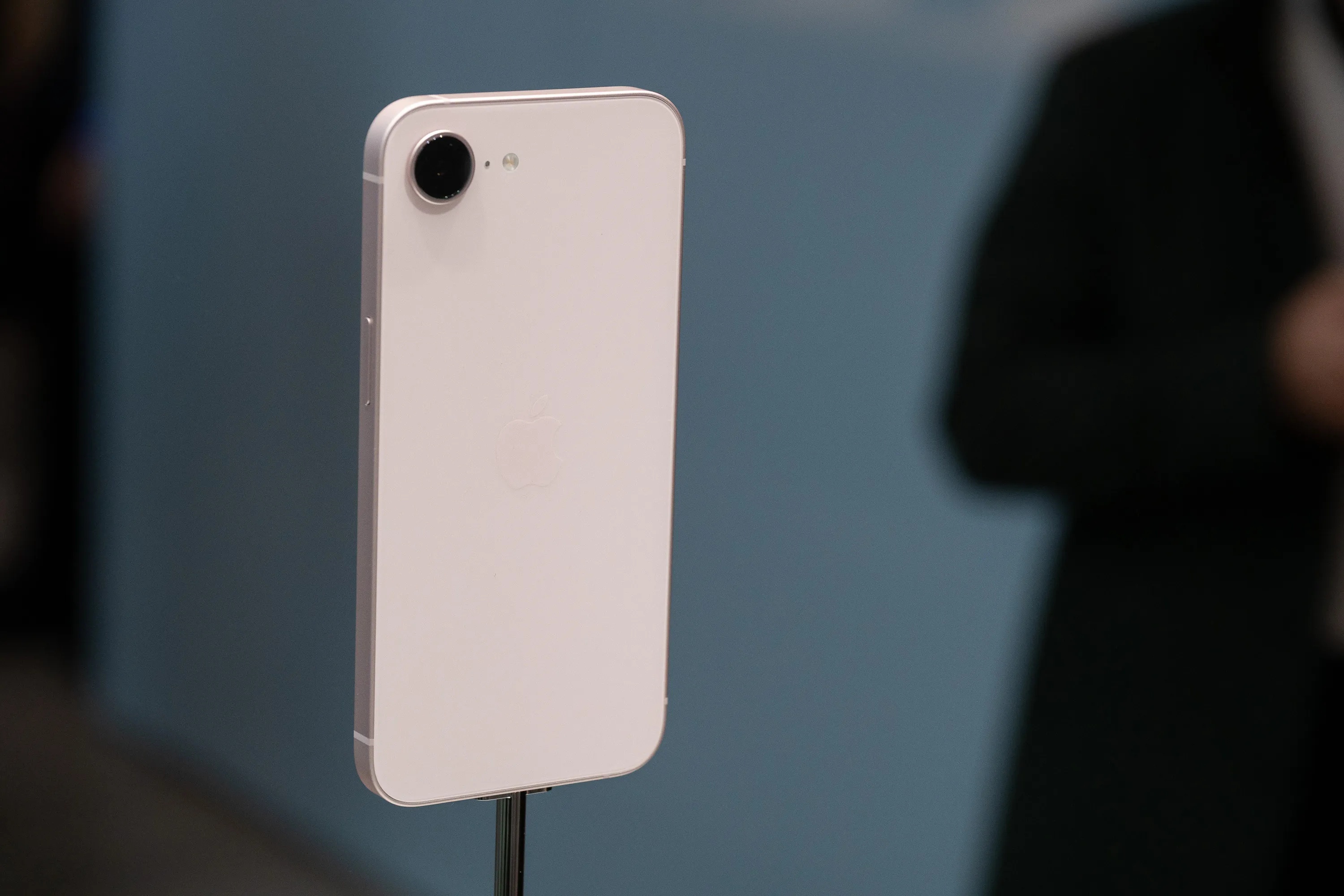 |
The iPhone 17e has a lower starting price than its predecessor. Photo: Bloomberg . |
There are three main reasons explaining Apple's actions. First, the iPhone manufacturer purchases memory chips in massive quantities, allowing the company to negotiate the lowest prices and lock in long-term pricing. Second, Apple's self-developed C1X modem chip is significantly cheaper than the Qualcomm X70 chip used by Android manufacturers. Third, the iPhone 17e reuses almost the entire design of the iPhone 16e, completely saving on the cost of new molds.
Apple's strategic objectives are also very clear. The iPhone 17e model that the company launched is priced in the main segment of mid-range Android models. Just as competitors were raising prices, Apple released the iPhone 17e to gain market share and attract new users to the iOS ecosystem.
Take advantage of the golden opportunity.
Meanwhile, Huawei also demonstrated its ingenuity. Its Kirin chips, network modems, and image processing chips are all developed in-house, thus avoiding price fluctuations from external sources. Kirin chip production capacity increased by 60% this year, leading to reduced costs after mass production.
Huawei has partnered with Yangtze Memory Technologies (YMTC) since the Mate 40 series, making it the first high-end model to use domestically produced NAND chips. Furthermore, the two parties signed a long-term supply agreement, helping Huawei maintain a stable supply of memory chips despite soaring global prices. Domestic memory chips are currently 15-20% cheaper than imported chips. Currently, the localization rate of core components in Huawei's production has exceeded 90%.
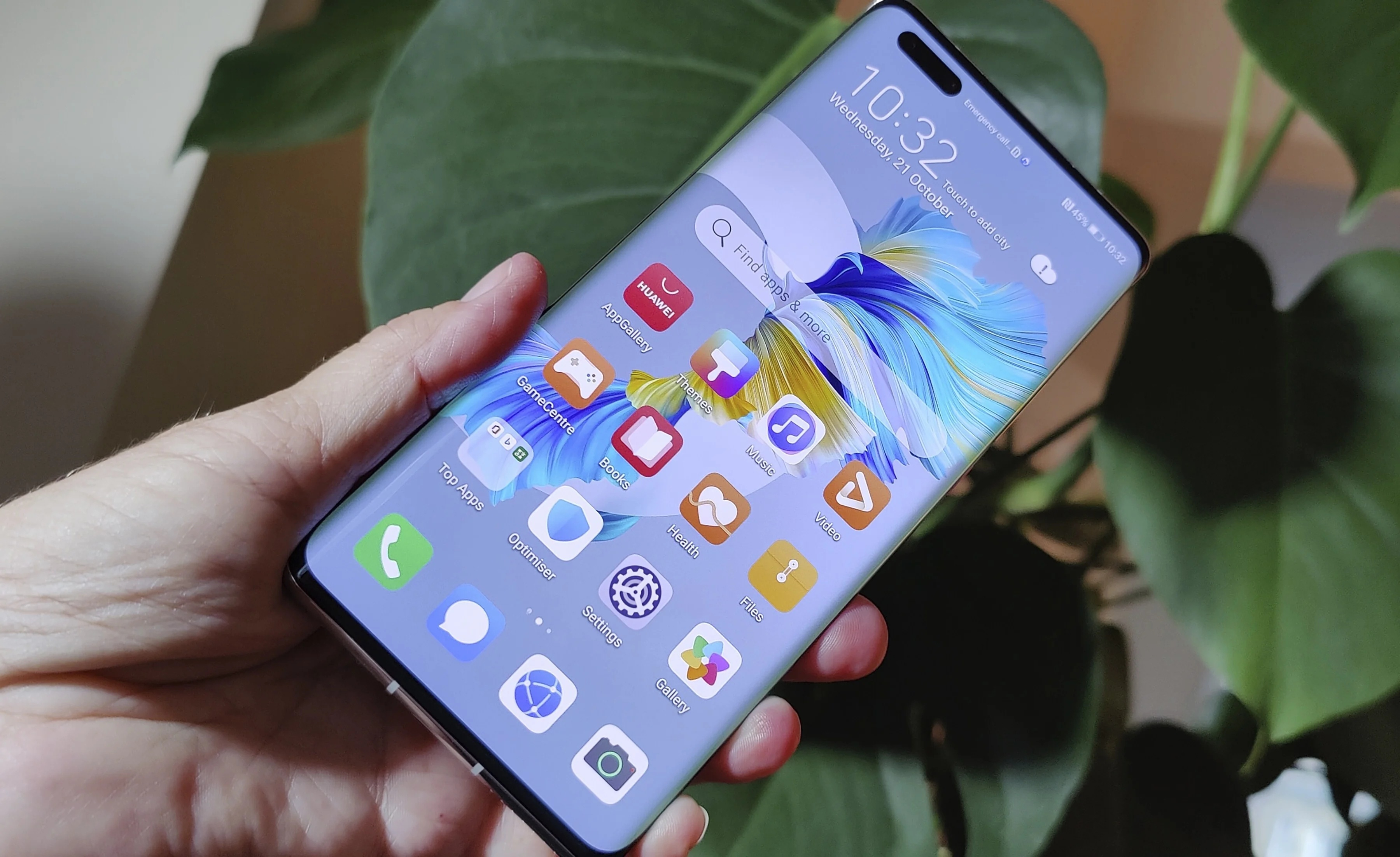 |
Huawei uses components with a high localization rate. Photo: SCMP . |
Strategically, Huawei is prioritizing expanding the HarmonyOS ecosystem over maximizing hardware profits. The target of 100 million devices running HarmonyOS this year is entirely achievable, given that sales of its target phones have already reached 70 million units. The "more features, lower price" strategy is the fastest way to expand its user base.
Currently, smartphone manufacturers are forced to raise prices due to reliance on third-party chips and a lack of supply chain strength. Apple and Huawei, however, are able to maintain or reduce prices thanks to their core technology autonomy, controlled supply chains, and clear long-term strategies.
This latest surge in memory chip prices is predicted to last until at least 2027. For consumers, this is a time to carefully consider before upgrading, prioritizing products like the iPhone 17e or Huawei Mate 80 to maintain price competitiveness.
Source: https://znews.vn/ly-do-dang-sau-viec-apple-va-huawei-khong-tang-gia-smartphone-post1637404.html

















































































Comment (0)