After nearly a decade of implementing the ASEAN Economic Community (AEC), ASEAN is entering a phase of deeper integration with a new vision established in the ASEAN Community Vision 2045. At the ASEAN Summit in Malaysia in 2025, member states adopted the ASEAN Economic Community (AEC) Strategic Plan for the period 2026-2030, aiming to build a “resilient, innovative, dynamic and people-centered” ASEAN, with the goal of becoming the world's fourth-largest economy by 2045.
This also serves as a "blueprint for regional economic transformation," expected to foster sustainable growth and deeper integration among ASEAN member states.
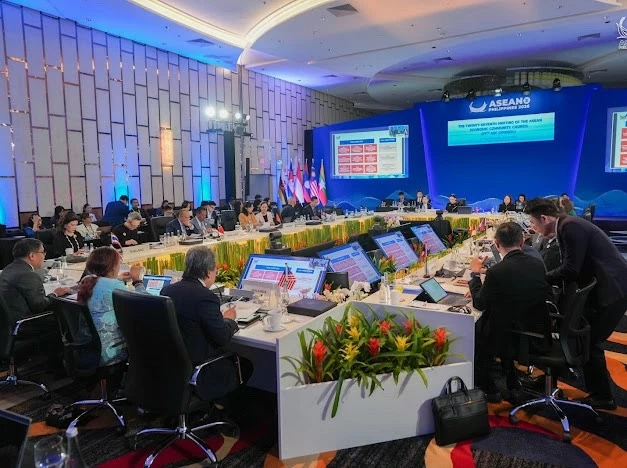 |
| The 27th ASEAN Economic Community Council (AECC 27) meeting took place in Cebu City, Philippines on May 7th. (Source: Ministry of Industry and Trade ) |
Positioning ASEAN as a competitive and sustainable economic bloc.
The Economic Community is one of the three main pillars of the ASEAN Community Vision 2045, alongside the Political -Security Community and the Socio-Cultural Community. According to Malaysian Minister of Investment, Trade and Industry Tengku Zafrul Aziz, the plan was launched amidst increasing global instability, requiring ASEAN to reconsider its approach to growth. The plan includes six strategic objectives, 44 specific targets, and 192 strategic measures in areas such as intra-ASEAN trade, services markets, finance, digital technology, and green energy.
He pointed out that strengthening regional trade is a top priority, as ASEAN seeks to reduce non-tariff barriers and maximize the potential of its domestic markets. “By continuing to reduce persistent non-tariff barriers, we can fully realize the potential of intra-ASEAN trade,” Tengku Zafrul Aziz emphasized.
The plan also aims to improve market access for small and medium-sized enterprises (SMEs), deepen integration in the services and investment sectors, and scale innovation-driven growth. One of the key objectives of this plan is to double the region's digital economy to US$2 trillion by 2030. Beyond trade, the plan promotes green finance, energy security, and productivity enhancement, thereby positioning ASEAN as a competitive and sustainable economic bloc.
Promoting comprehensive digital transformation
Between 2025 and 2045, the capacity to drive digital transformation, build resilient supply chains, and develop a shared technology ecosystem will be the most important measure of the success of ASEAN's economic integration process. If the ASEAN Framework Agreement on the Digital Economy (DEFA) and regional technology initiatives are effectively implemented, ASEAN could become one of the world's most dynamic digital growth centers in the next decade.
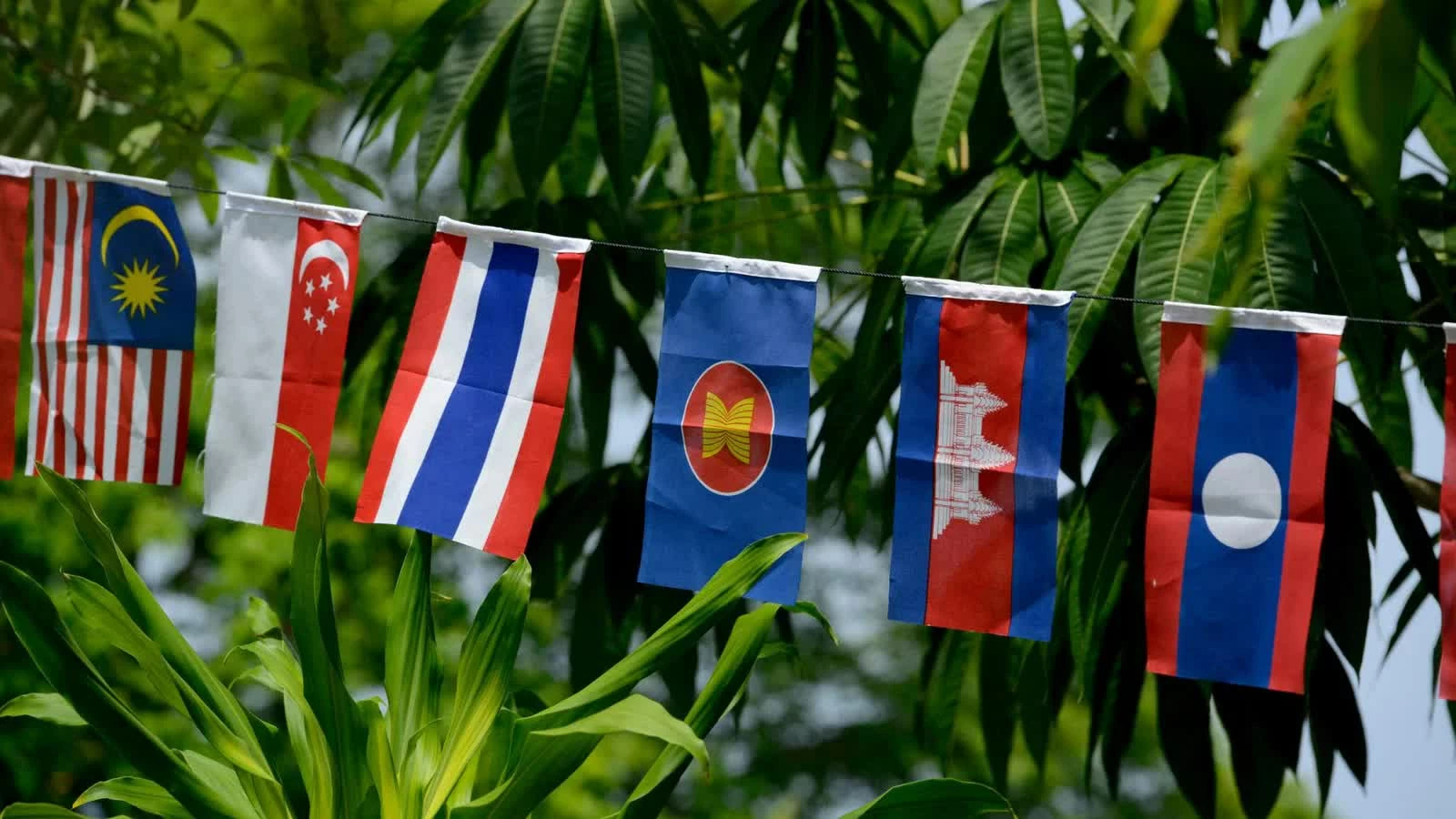 |
| The DEFA Agreement was developed to address the increasingly complex challenges of the digital age by establishing common and unified rules for the entire region. (Source: ASEAN Secretariat) |
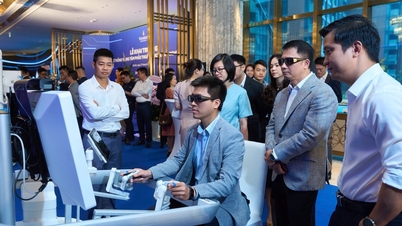
Officially launched on September 3, 2023, the negotiations have gone through 13 sessions to date and will be officially signed at the 47th ASEAN Summit in November 2026 in the Philippines. As the first independent regional agreement in the field of the digital economy, serving as a comprehensive document integrating action plans related to digital transformation and the digital economy into a single comprehensive strategy, the DEFA Agreement is expected to establish a solid foundation for ASEAN to become a leading region in the digital economy.
According to Singapore's Ministry of Trade and Industry (MTI), the DEFA Agreement was developed to address the increasingly complex challenges of the digital age by establishing common and unified rules for the entire region. "The ASEAN DEFA Agreement addresses the complex issues of the digital age with simplified, robust, and shared digital rules," the Ministry stated.


Building on ASEAN's existing commitments in the digital economy sector, DEFA will establish common regulations and frameworks to facilitate digital trade, simplify online transaction procedures, support reliable cross-border data flows, promote digital payments and electronic transactions, enhance consumer protection in the online environment, and improve interoperability among digital systems in the region.
The agreement will help businesses, especially small and medium-sized enterprises (SMEs), gain easier access to opportunities in Southeast Asia's rapidly developing digital economy. Beyond traditional areas, the DEFA agreement also addresses emerging fields such as artificial intelligence (AI), financial technology (fintech), and source code protection.
ASEAN has also developed the ASEAN Digital Master Plan (ADM) 2030 with the vision of making ASEAN a global digital hub that is competitive, connected, and inclusive. ADM 2030 is built on key strategic directions, focusing on: developing seamless and inclusive digital infrastructure (5G, 6G networks, cloud computing, data centers, and cross-border connectivity); promoting digital government and smart public services; and enhancing digital trade and fintech cooperation.
Simultaneously, ASEAN also plans to narrow the digital divide and enhance digital skills; build a dynamic innovation ecosystem; promote ASEAN's digital industry and improve the resilience of small and medium-sized enterprises; and develop green digital transformation towards a circular economy.
 |
| DEFA will establish common regulations and frameworks to facilitate digital commerce and simplify online transaction procedures. (Source: Hinrich Foundation) |
ASEAN is at a historic crossroads. To maintain its central role, the Association cannot rely solely on traditional trade liberalization but must transform itself into a highly reliable digital ecosystem and supply chain.
Take full advantage of opportunities from the ASEAN market.
As one of the fastest-growing and most dynamic economies in the region in terms of digital transformation, Vietnam has participated in the construction of the AEC with a proactive, positive, and responsible spirit; contributing to the completion of the DEFA Agreement; and is ready to cooperate closely with other ASEAN member states to translate common commitments into practical actions, strengthen the resilience of the ASEAN economy, and together steer the ASEAN ship steadily through all challenges and fluctuations, completing priority economic goals on time.
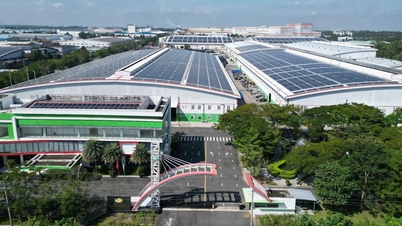
In early April, the Prime Minister issued the Action Program for implementing the ASEAN Economic Community (AEC) Strategic Plan in Vietnam for the periods 2026-2030 and 2031-2035. This program aims to realize the strategic priorities of the AEC Strategic Plan for the periods 2026-2030, 2031-2035, and the vision for 2045; to promote Vietnamese businesses to better utilize opportunities from the ASEAN market; and to expand investment, trade, and deeper participation in regional supply chains.
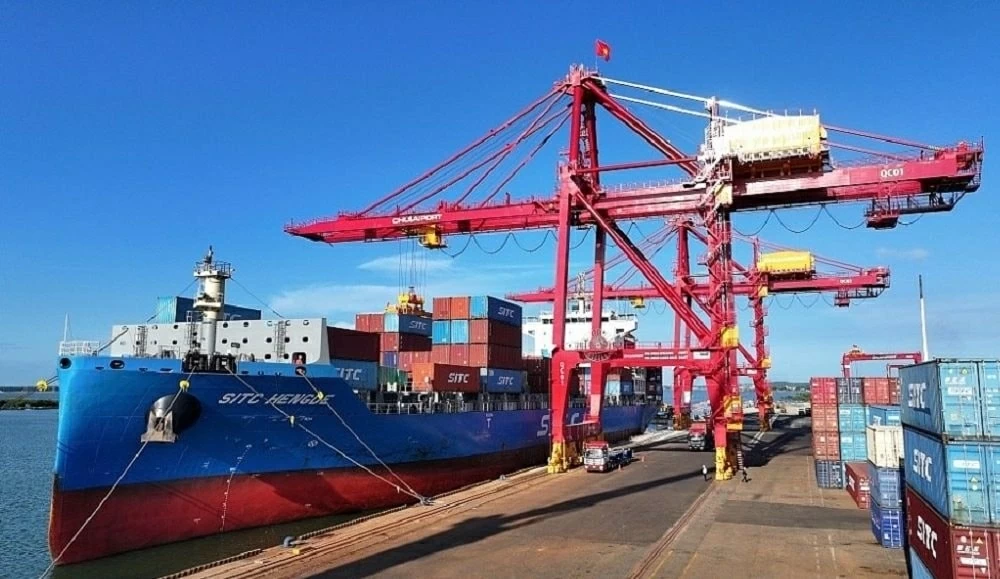 |
| The ASEAN Economic Community (AEC) strategic plan for Vietnam for the periods 2026-2030 and 2031-2035 prioritizes promoting Vietnamese businesses to better utilize opportunities from the ASEAN market. (Source: VnEconomy) |
Based on the objectives set forth, the Prime Minister directed that, in accordance with the content of the AEC Strategic Plan 2026-2030, vision 2045, in addition to regular tasks, ministries, ministerial-level agencies, government agencies, and People's Committees of provinces and centrally-administered cities should develop action plans to concretize and contribute to the achievement of strategic objectives:
First, an action-oriented community: Aiming towards a single common market and a unified production base, based on new sources of competitiveness.
Secondly, a sustainable community: Integrating climate change response elements and policies into all areas of economic cooperation.



Third, a community that dares to think, dares to act, is bold and innovative. Fourth, a proactive and adaptable community: Enhancing the ASEAN global agenda.
Fifth, a resilient and self-reliant community: Strengthening the capacity of the AEC and the people of ASEAN to respond to shocks, pressures, crises, and uncertainties.
Sixth, an inclusive, participatory, and collaborative community: Building a people-centered ASEAN that leaves no one behind.
Accordingly, the Action Program outlines the following implementation solutions: Integrating the Strategic Plan into domestic development mechanisms, policies, and programs; strengthening the information, reporting, monitoring, and evaluation system for implementation results; promoting the mobilization and effective use of resources; improving the organizational structure and enhancing the capacity of officials; strengthening the effective exploitation of Free Trade Agreements (FTAs) between ASEAN and partners (ASEAN+, the Regional Comprehensive Economic Partnership - RCEP); and disseminating information, promoting awareness, and enhancing understanding of the ASEAN Community and the ASEAN Community Vision 2045.
| The ASEAN Economic Community (AEC) was officially established on December 31, 2015, comprising 10 ASEAN member states. The AEC aims to build a unified market and production base, promoting the free movement of goods, services, investment, skilled labor, and capital within the region. |
Source: https://baoquocte.vn/asean-but-pha-tu-dong-luc-kinh-te-so-401985.html
































![[Photo] Thousands of people participate in a run to show their support for the campaign "Sharing a common determination to build drug-free communes, wards, and special zones".](https://vphoto.vietnam.vn/thumb/1200x675/vietnam/resource/IMAGE/2026/06/27/1782554475933_0673e2a3df7b5e25076a-8283-jpg.webp)