For a number of reasons, the 2024 US election is attracting particular attention from ASEAN, with member states hoping to be able to quickly adapt to policy changes by the next administration in Washington.
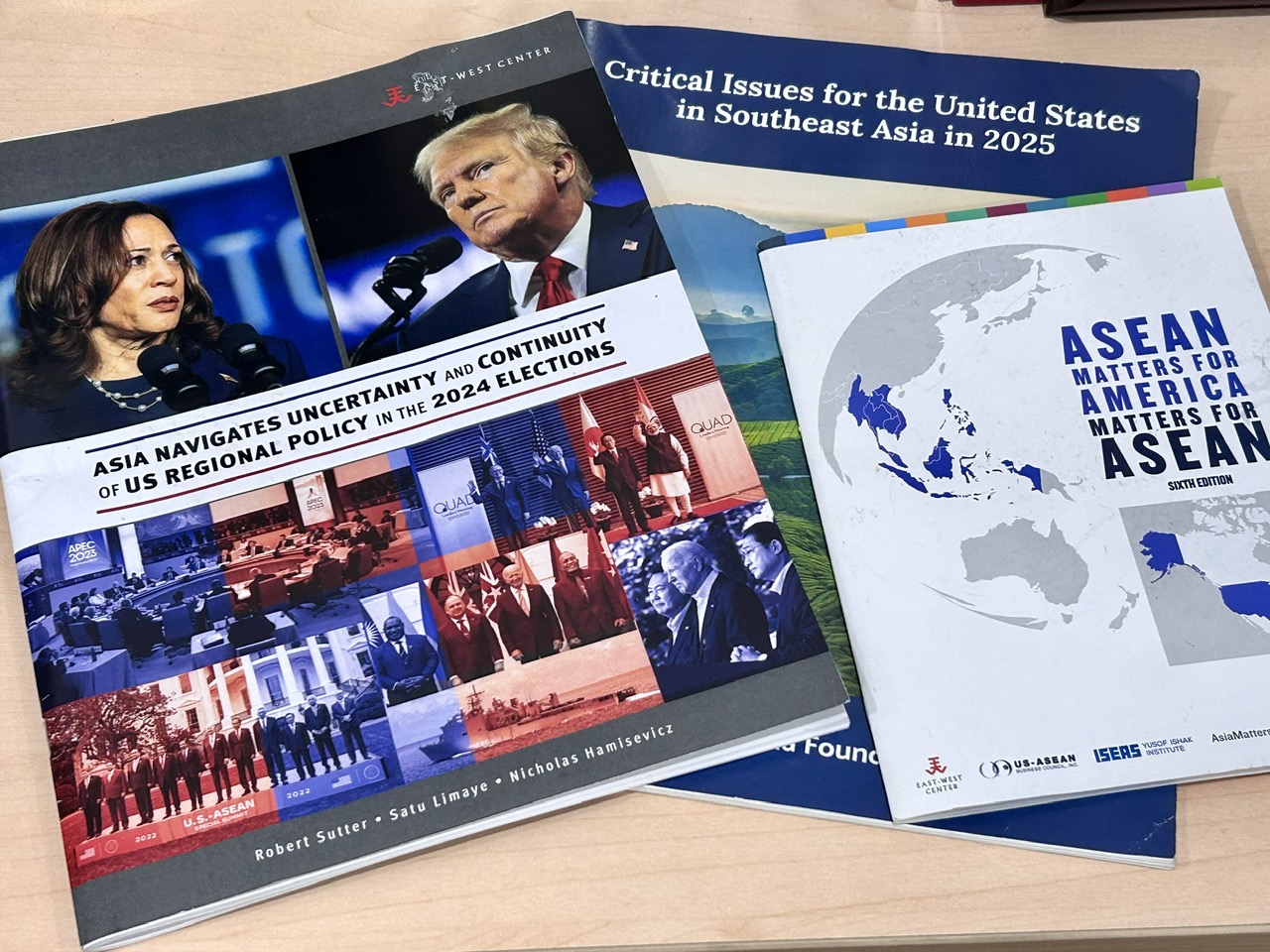
Several reports on ASEAN-US relations.
The 2024 US election dominated discussions among Biden-Harris administration officials, academics, independent experts, and ASEAN journalists participating in a program covering ASEAN-US economic cooperation. The program, organized by the US Mission to ASEAN (based in Indonesia) in collaboration with the East-West Center (based in Hawaii), took place in late October and early November.
These exchanges reflected the interest of the ASEAN press in particular, and each ASEAN member state in general, in the results of the 2024 US election.
Uncertainty and continuity
One of the questions raised in these discussions always revolves around the need to analyze the US presidential election landscape between the two parties, as well as the potential impact on each ASEAN country and the bloc as a whole should a Republican or Democratic candidate win the election on November 5th.
At a meeting, Dr. Satu Limaye, Director of the Washington Office of the East-West Center and Vice President of the Center, referred to a report titled "Asia Overcomes Uncertainty and the Continuity of U.S. Policy on the Region in the Context of the 2024 Election." ASEAN is an important part of this shared regional policy.
According to the report, the "uncertainty" felt in Asia stems from a variety of factors, and the intensity varies from country to country. For example, the Philippines is considered among the countries most worried about the serious consequences if the new US administration loses support.
Furthermore, uncertainty also stems from a lack of reliable information about the dynamics of US politics , including foreign policy and global economic relations. As a consequence, ASEAN countries are genuinely struggling to devise effective measures to respond to emerging trends in US policy, let alone unpredictable surprises that may arise.
The report cites several specific examples of this uncertainty, such as the disagreement between the two candidates over the Washington administration's stance on Ukraine, and the growing protectionism within both the Republican and Democratic parties.
Conversely, the theme of "continuity" refers to the fact that many Asian countries, including ASEAN members, had previously worked with Republican presidential candidate Donald Trump during his first term (2017-2021) and the Biden-Harris administration through visits by Vice President Kamala Harris, the Democratic candidate.


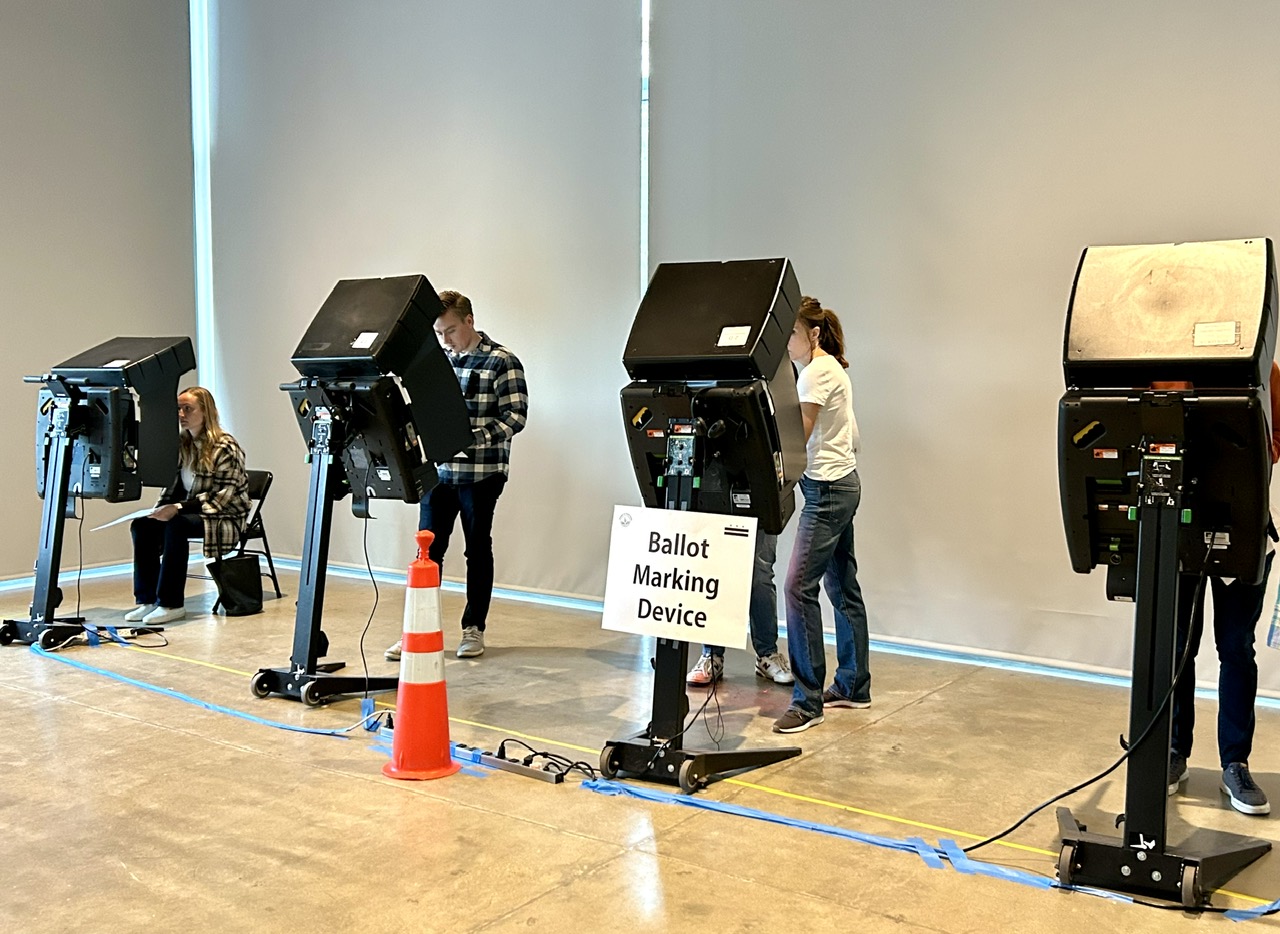
American voters went to the polls in Washington DC on November 5th.
Therefore, ASEAN countries feel somewhat confident in handling relations with the US regardless of the winner. They also analyze that while many surprises exist, especially in the event of a Trump election, some key aspects of US policy remain predictable.
For example, strategic competition continues between the United States and China, and Washington will constantly devise measures to counter challenges from Beijing.
Thus, a major challenge facing most Asians is how to adapt to and manage the continuity of U.S. policy during the transition of administration.
In this context, most countries in the region maintain close ties with the US Congress , as well as with foreign and defense policy-making bodies in Washington.
Based on existing relationships, Asian governments feel they can still adapt in a timely manner to unexpected changes from the upcoming US administration.
What is the US lacking in ASEAN?
In a subsequent meeting with Andreyka Natalegawa, a Southeast Asia program specialist at the Center for Strategic and International Studies (CSIS, based in Washington, D.C.), he noted that Southeast Asia is receiving more attention than ever before from the current administration in Washington. However, the level of awareness and understanding of the region still falls short.
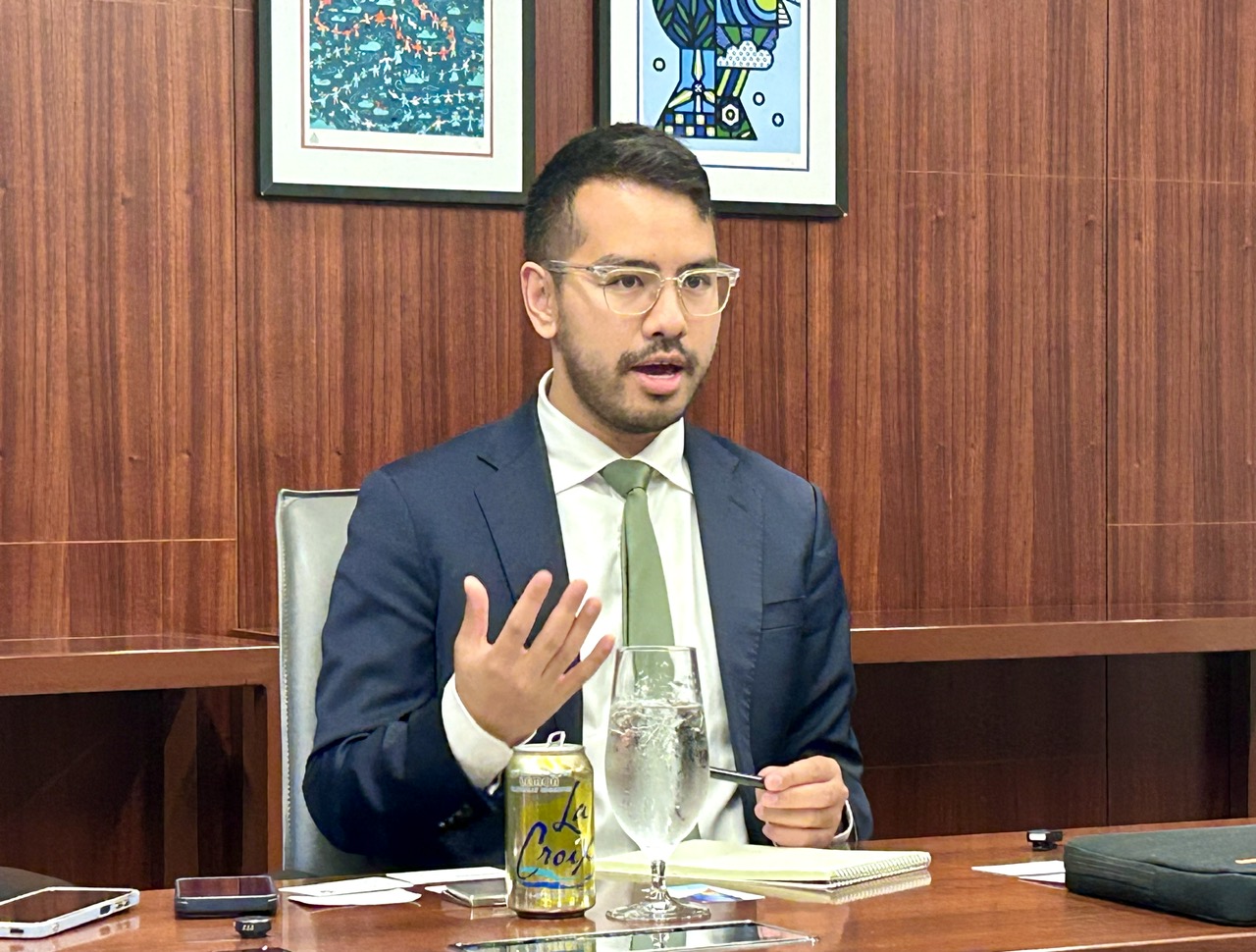
Andreyka Natalegawa, Southeast Asia Program Specialist at the Center for Strategic and International Studies.
Organizations like CSIS are working to bridge the gap and propose effective measures to promote ASEAN-US relations. According to expert Natalegawa, all of this is happening against the backdrop of several significant geostrategic shifts, such as the increasing competition between the US and China in the region.



Dr. Zack Cooper, a senior fellow at the American Enterprise Institute (AEI, based in Washington, D.C.), also believes that the U.S. is struggling to find effective ways to cooperate with Southeast Asia.
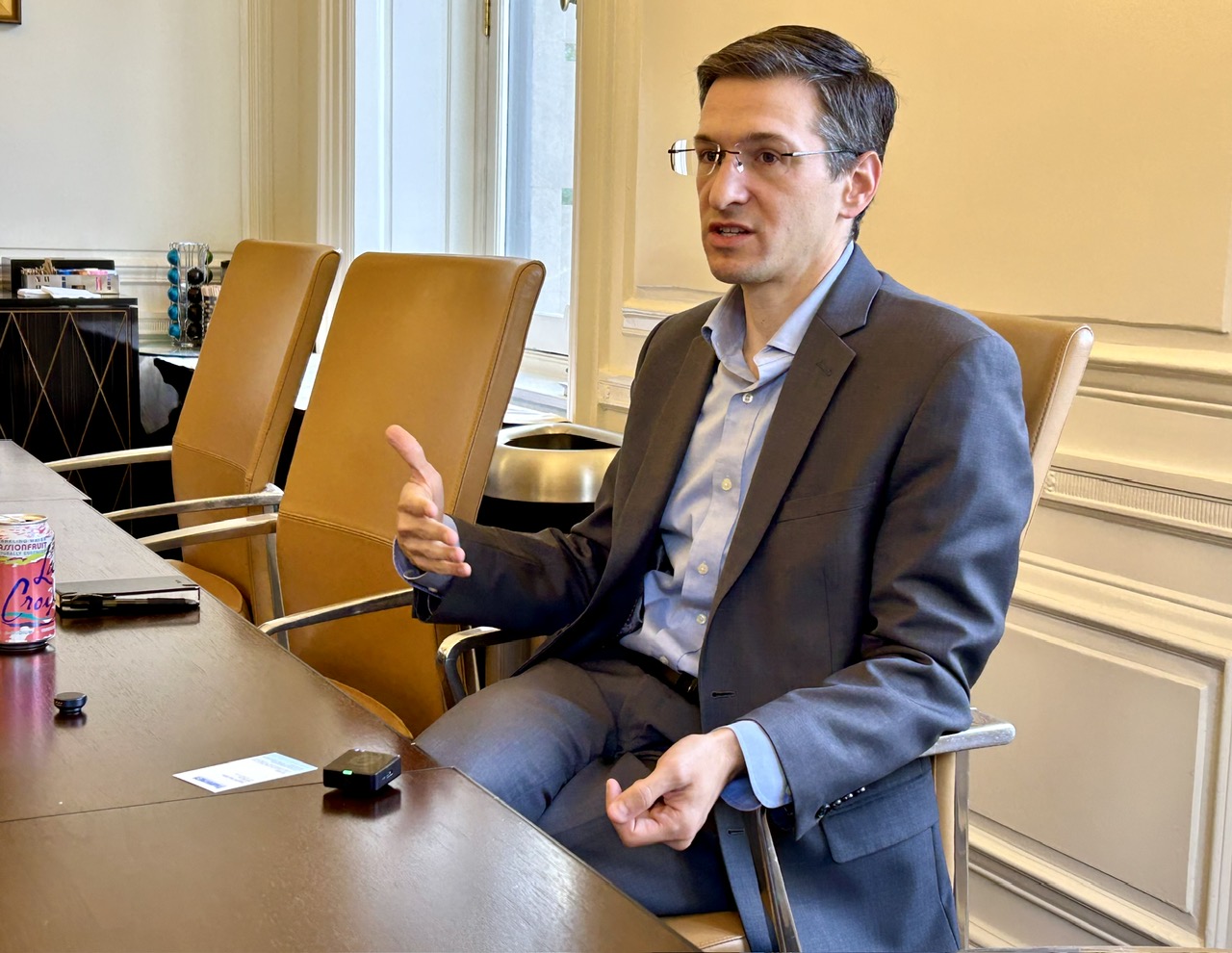
Dr. Zack Cooper, Senior Fellow at the American Enterprise Institute
According to the AEI expert, compared to ASEAN, the US is focusing more effort on the Quad, G7, and AUKUS (the UK-US-Australia security agreement). Therefore, he expressed concern, noting that the Washington administration has yet to develop a clear institutional cooperation plan with ASEAN.
Nevertheless, Dr. Cooper believes that U.S. involvement in Southeast Asia will fundamentally remain unchanged regardless of which side wins the November 5th election.
Source: https://thanhnien.vn/asean-va-bau-cu-my-nam-2024-185241230190837002.htm

![[Photo] National Assembly Chairman Tran Thanh Man attends the Conference to announce the Master Plan for Hanoi Capital City with a 100-year vision.](https://vphoto.vietnam.vn/thumb/1200x675/vietnam/resource/IMAGE/2026/06/29/1782709639728_ndo_br_1-jpg.webp)

![[Image] A look back at the capital's preparations for the century-long master plan.](https://vphoto.vietnam.vn/thumb/1200x675/vietnam/resource/IMAGE/2026/06/29/1782750453122_quy-hoach-100-nam-minh-duy-1-2118-jpg.webp)
![[Photo] General Secretary and President To Lam works with the Party Committee of the Government on the work of preventing and combating storms, floods, extreme natural disasters and climate change.](https://vphoto.vietnam.vn/thumb/1200x675/vietnam/resource/IMAGE/2026/06/29/1782729441945_a1-bnd-0385-9454-jpg.webp)