

Both the Arctic and Antarctic are cold because their locations at the top and bottom of the planet mean they don't receive direct sunlight. In both places, the sun always rises low on the horizon, even in the middle of summer.
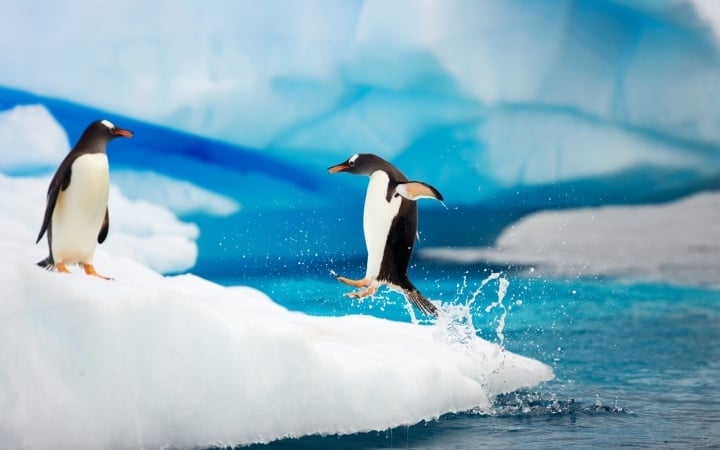
Temperatures in Antarctica are colder than in the Arctic year-round.
North Pole
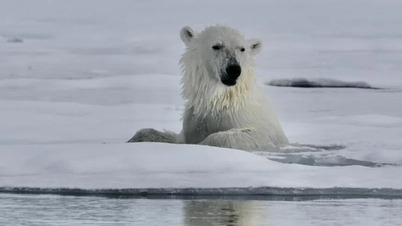
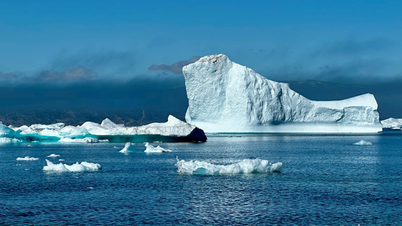
The Arctic consists of a vast expanse of icy ocean surrounded by permafrost where even vegetation struggles to survive. Standing at the North Pole, no matter which direction you look, you will always see South. The North Pole is located in the middle of the ocean, covered by a thick layer of ice that is constantly shifting. If you were to accidentally fall into the water, you would become an ice fossil and sink to a depth of up to 4000 meters.
On the surface of the water, average winter temperatures can drop below -40 degrees Celsius, and the coldest temperature ever recorded was around -68 degrees Celsius. Despite these harsh conditions, humans have inhabited the Arctic for thousands of years. Besides humans, the Arctic ecosystem includes ice-dwelling organisms, plankton, fish, birds, aquatic mammals, land animals, and plants.
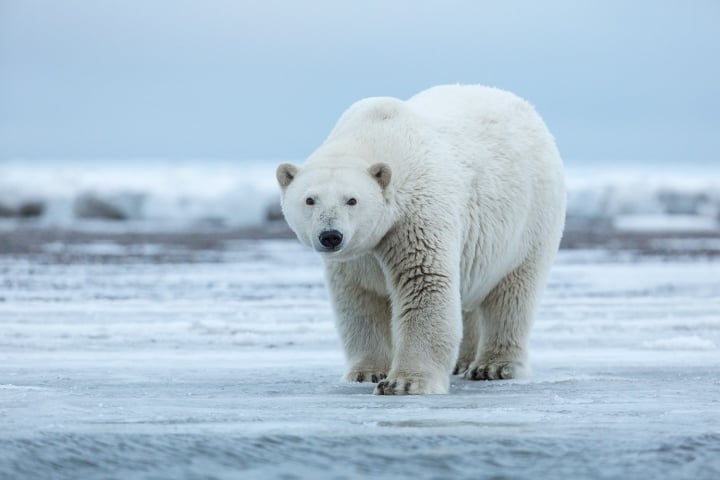
The ecosystems in the Arctic are very diverse.
Antarctica
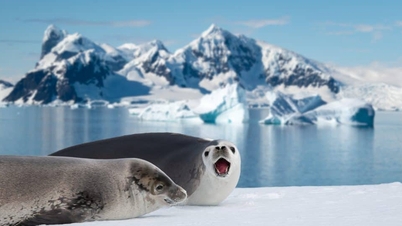
Antarctica is the continent located at the South Pole of the Earth. It is the fifth largest continent in the world , with an area of over 14,000,000 km², almost twice the size of Australia. Approximately 98% of Antarctica's surface is covered by ice and snow at least 1600m thick, resting on a massive bedrock and continent with many high mountains, isolated from the ocean. Therefore, living conditions in Antarctica are considered the harshest in the world.
Temperatures in Antarctica can reach -89 degrees Celsius. Because it is so harsh, there is no permanent human population, with only about 1,000 to 5,000 people living in research stations scattered across the continent. Even animals and plants are scarce; only those adapted to the cold can survive, including algae, protozoa, bacteria, fungi, and a few other plant and animal species.
Why is Antarctica colder than the Arctic?
The main reason Antarctica is much colder than the Arctic lies in a key difference between the two regions. The Arctic is ocean, while Antarctica is a continent. Much of Antarctica is up to 3,000 meters above sea level; since temperatures decrease with altitude, this also explains why Antarctica is so cold.
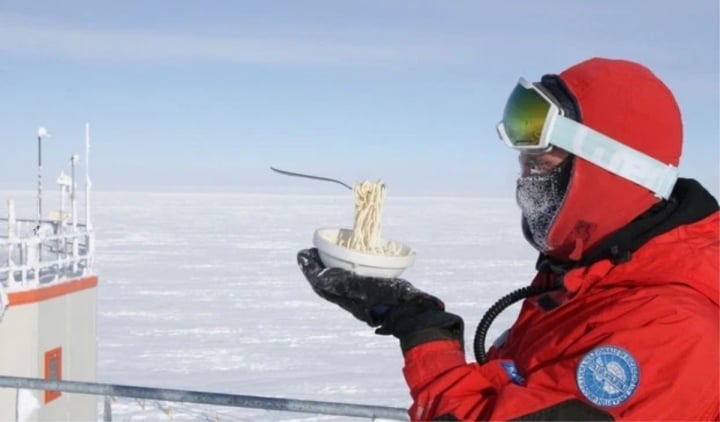
Temperatures in Antarctica can freeze a bowl of noodles instantly.
The Arctic is an ocean surrounded by land. The Antarctic is land surrounded by ocean. Water warms and cools more slowly than land, resulting in less extreme temperatures. Even when the Arctic Ocean is covered in ice, the relatively warm water temperature has a moderating effect on the weather there, making the Arctic warmer than the Antarctic.
Another reason is that the seasons work against Antarctica. Around July, when the Earth is furthest from the Sun, the Northern Hemisphere faces the Sun and becomes warmer, while the Southern Hemisphere faces away from the Sun, making it even colder. This is also winter in Antarctica, making the South Pole twice as cold.
Tuyet Anh (Source: Compilation)
Beneficial
Emotion
Creative
Unique
Wrath
Source

![[Photo] National Assembly Chairman Tran Thanh Man working with the Standing Committee of the Law and Justice Committee](https://vphoto.vietnam.vn/thumb/1200x675/vietnam/resource/IMAGE/2026/05/21/1779378929214_ndo_br_1-4610-jpg.webp)
![[Photo] General Secretary and President To Lam presides over a working session with the Central Policy and Strategy Committee on the development of the materials industry.](https://vphoto.vietnam.vn/thumb/1200x675/vietnam/resource/IMAGE/2026/05/21/1779359935432_a3-bnd-3129-1412-jpg.webp)















































































Comment (0)