


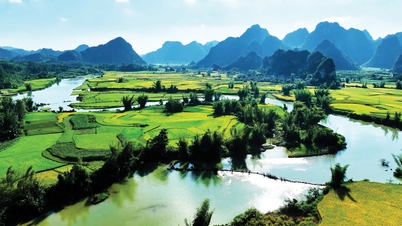
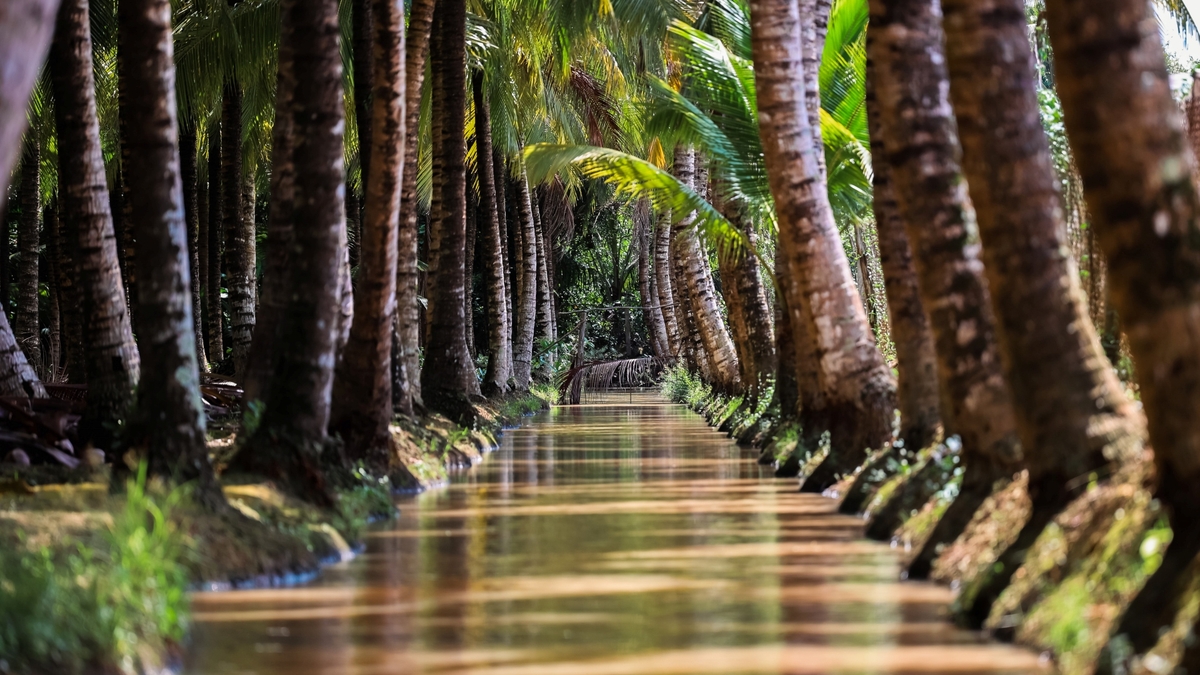
The ancient village of Bach Hac, formerly part of Phong Chau, served as a strategic location guarding the eastern capital of Van Lang during the Hung Dynasty. It was a picturesque area of rivers and waterways, a place where people, water, energy, and virtue converged. Notably, it boasts six valuable historical and cultural relic sites: one classified as a National Historical Monument and five as Provincial Historical Monuments. The Hac Crossroads area is also famous for its extremely rare Anh Vu fish, a delicacy once offered to the Emperor, offering potential for the development of spiritual and culinary tourism.
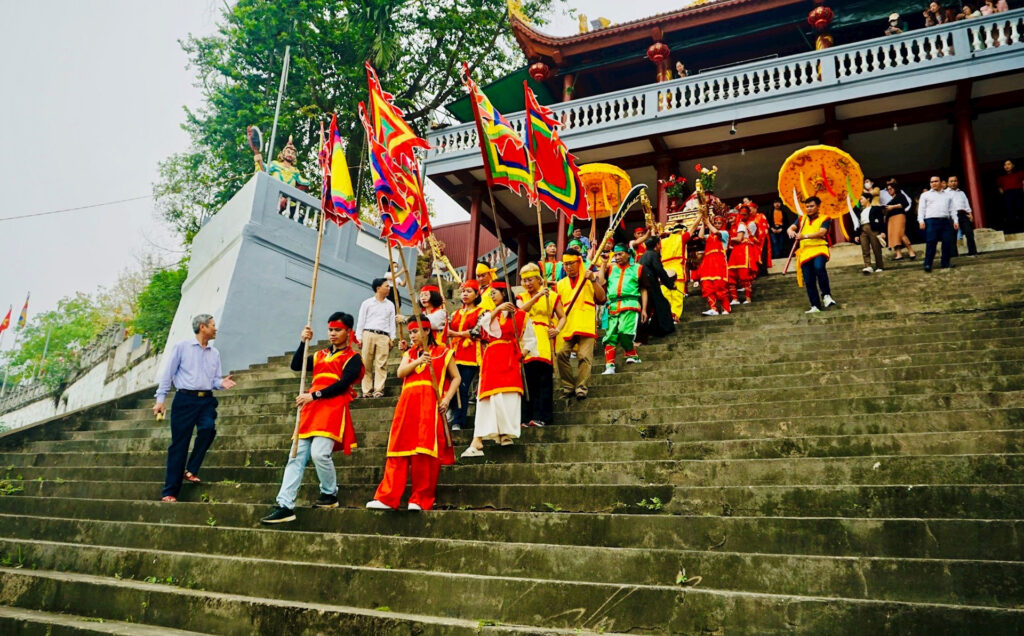
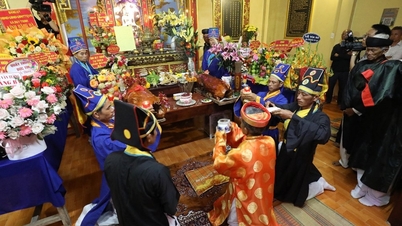
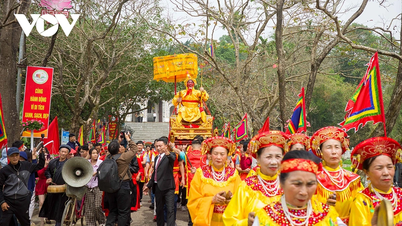
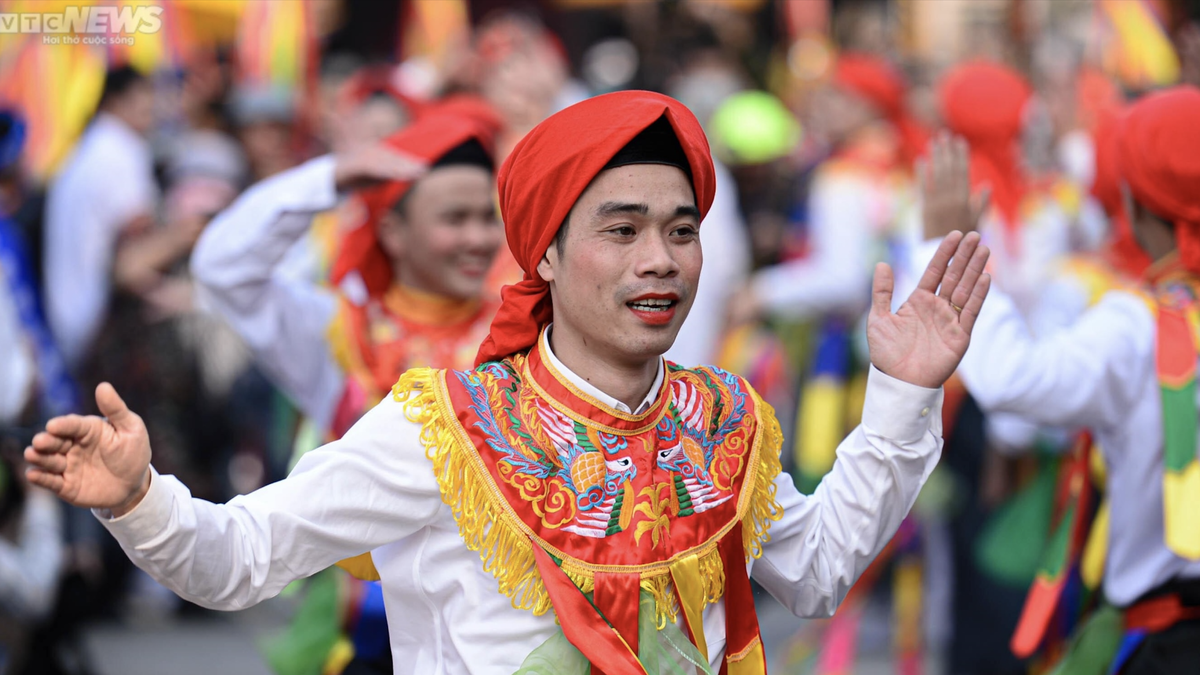
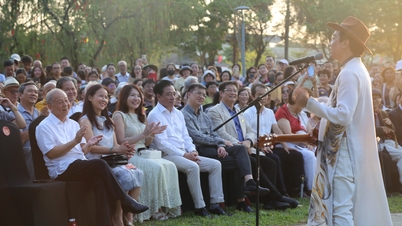
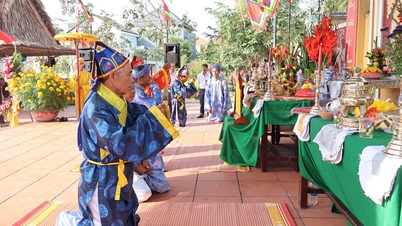
Tourists participate in the ritual of carrying water in the White Crane ceremony. Photo: Phuong Cao
Since ancient times, Bach Hac has been considered a sacred and wondrous land, immortalized in poetry, songs, music, and painting. The Minister and Doctor Nguyen Ba Lan, considered one of the "Four Great Talents of An Nam," meaning the four most skilled poets and writers in Vietnam, once wrote about Bach Hac in famous verses and poems such as:
How beautiful is the Crane Crossroads! How strange is the Crane Crossroads! Below, one stream flows together, above, it divides into three paths.
The narrow alleys are immeasurable in width and narrowness / The emerald streams mingle with the peach blossoms / The winding paths easily reveal their depth.
Black water mixed with silver water…
Bach Hac is also known for its rich system of historical sites and festivals, including Tam Giang Temple, Dai Bi Pagoda, the boat racing festival, the ball-snatching festival, and the rice cooking competition. Tam Giang Temple is located at the confluence of the three rivers Thao Giang, Da Giang, and Lo Giang, with the main focus on worshipping the legendary historical figure from the Hung King era: Vu Phu Trung Duc Uy Hien Vuong - whose given name was Tho Le. It also houses the worship of the historical figure of the Tran Dynasty, Chieu Van Vuong Tran Nhat Duat, and the Mother Goddess, a belief originating from the Tam Phu Mother Goddess worship, a very ancient and primitive belief considered the indigenous religion of the Vietnamese people, worshipping the goddesses of nature: Mau Thoai - who governs rivers and water, Mau Thuong Ngan - who governs mountains and forests, and Mau Thuong Thien - who governs the sky.
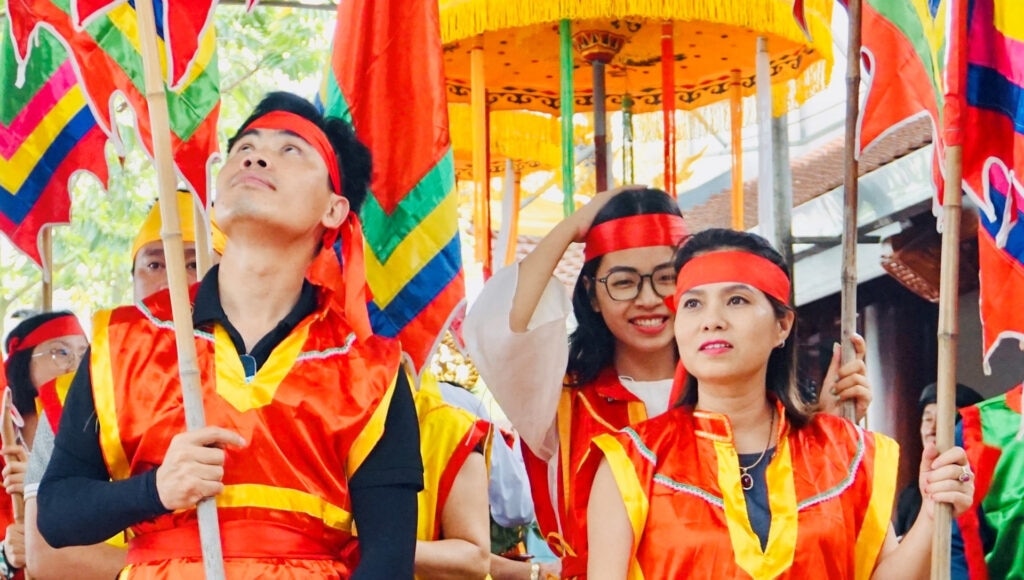
The procession reenacts the ritual of carrying water from the White Crane statue. Photo: Phuong Cao.
The architectural layout of Tam Giang Temple includes: the main gate, the temple, the statue of Tran Nhat Duat, and the Mother Goddess Temple. The temple gate is a four-pillar structure. The temple is built in the shape of the Chinese character "ding," consisting of two buildings: the front hall and the rear hall, with four curved roofs. Tam Giang Temple also preserves many valuable historical, cultural, and aesthetic artifacts such as: the stone stele "Hau Than Bia Ky" (dated 17th year of Gia Long reign - 1818); the bronze bell "Thong Thanh Quan Chung Ky" (dated 11th year of Minh Menh reign - 1830) with an inscription recording the history of Thong Thanh temple. Notably, related to Tam Giang Temple are two valuable historical documents: two bell rubbings: "Thong Thanh Quan" (dated 8th year of Dai Khanh reign - 1321, during the reign of King Tran Minh Tong) and "Phung Thai Thanh Tu" (dated 17th year of Gia Long reign - 1818). This is a valuable source of historical data that helps scientists research and understand many aspects of the economy , culture, and society during the Tran Dynasty.
Dai Bi Pagoda is a religious architectural structure dedicated to Mahayana Buddhism in Northern Vietnam, currently comprising the main hall (Tam Bao) and a stele house. The pagoda is not only a place for monks to practice and Buddhist followers to perform rituals, but also a center of cultural activity for generations. According to historical records, Dai Bi Pagoda was built in the 19th century and has undergone several renovations. The largest renovation in 2000 created the pagoda's current appearance, modeled after ancient Vietnamese pagodas with curved eaves, eight roofs, and towering dragon-carved finials.
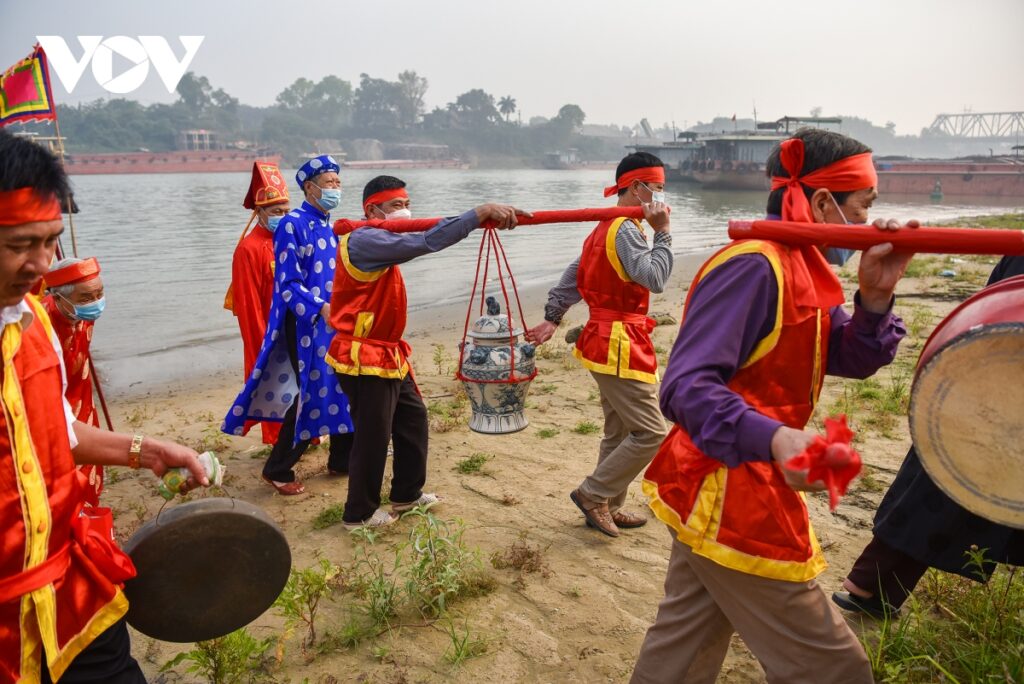
The procession carried the sacred water jar to Tam Giang Temple to place it for the sacrificial ceremony.
With its unique historical, architectural, and artistic values, the Tam Giang Temple - Dai Bi Pagoda complex was classified as a National Architectural and Artistic Monument by the Ministry of Culture, Sports and Tourism in June 2010. This place is not only a religious center for a large region but also the venue for some of the most representative festivals of the ancestral land. These include the famous Bach Hac boat race, the "Cướp Còn" festival, and the rice cooking competition.
In addition, the Bach Hac boat race festival is held annually to commemorate the legend of the Earth God bidding farewell to Tan Vien when he visited Bach Hac Mountain, and to recall the fervent spirit of military training under King Chieu Van Tran Nhat Duat. The festival takes place over three days: the first day is a preliminary race to inspect the boats; the second day, the teams bring palanquins down to the boats and race out into the Red River to welcome the gods; the third day is the main race for competition between the teams; each team races with one boat, all identical in design, differing only in color.
The Tam Giang Temple Festival is associated with the worship of the Earth God and General Tran Nhat Duat, who once established a garrison and trained naval forces at Nga Ba Hac to fight the Yuan army in early 1258. Therefore, every year there are many rituals and folk games related to the legends of the deities worshipped at Tam Giang Temple, most notably the "Cướp Còn" festival (also known as the "Cầu Đinh" festival) and the rice cooking competition.
With the ritual of the "robbing festival," we can understand it as a ceremony with the meaning of praying for sons, or praying for offspring, praying for "the people to prosper and the wealth to flourish," and also as a characteristic form of festive entertainment in the land of the Hung Kings.
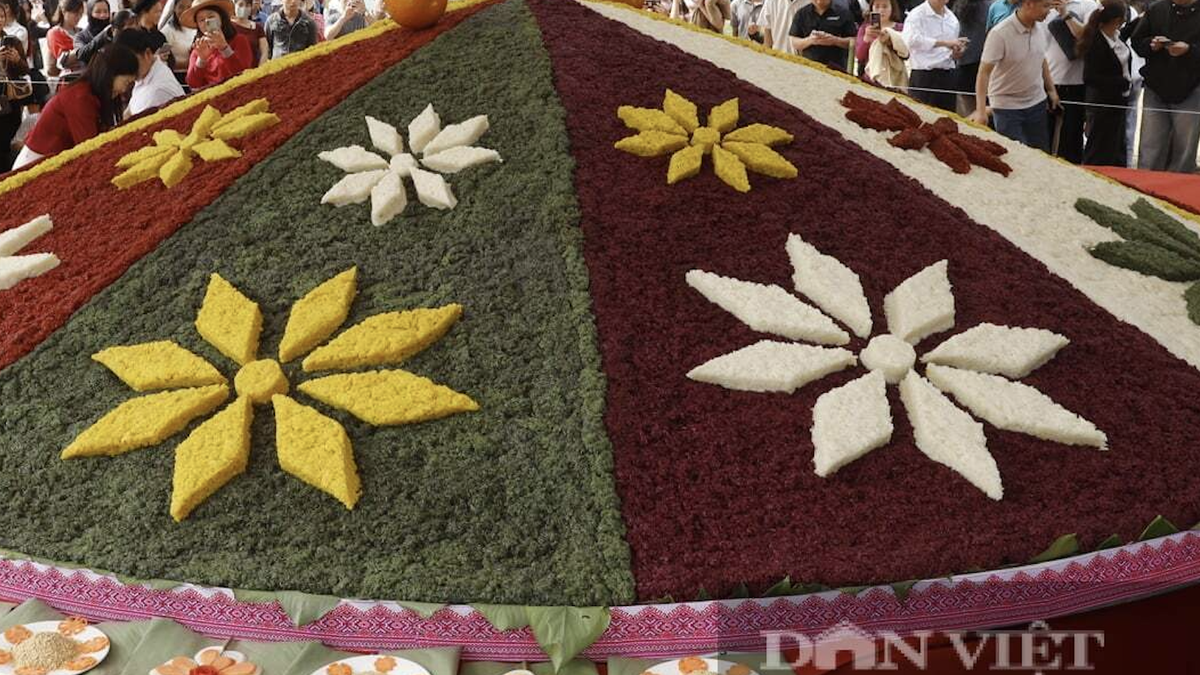
The rice-cooking competition was a feast associated with Tran Nhat Duat's military celebration after his victory over the Yuan army at Tam Giang Bach Hac. It was a competition for quick rice cooking among the various hamlets, requiring skill, teamwork, and high technical expertise, intelligence, and creativity. Participants had to grind and pound the rice, create a fire on the spot, and work collaboratively behind the scenes with local groups to prepare a feast of rice, wine, and field food that met the standards: perfectly cooked, sticky rice, delicious food, and attractive presentation.
When visiting Phu Tho, if tourists only visit Hung Temple and Au Co Mother Temple but not Bach Hac, their pilgrimage to the ancestral land cannot be considered complete. Visitors from near and far should visit Bach Hac, located about 12 km from Hung Temple, to better understand the nation's history, participate in folk games, explore historical sites and scenic spots, and participate in competitions such as "Cướp Còn" (a traditional game), rice cooking contests, and traditional boat racing. This is also a place to educate today's young generation to understand and cherish the values of history and the sacrifices of our ancestors, so that we may have a peaceful, prosperous, and happy life.
Wang Xiu






















































Comment (0)