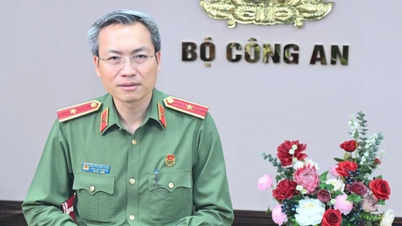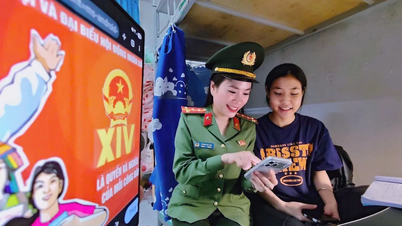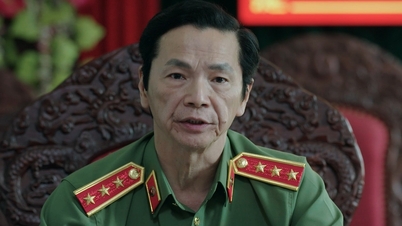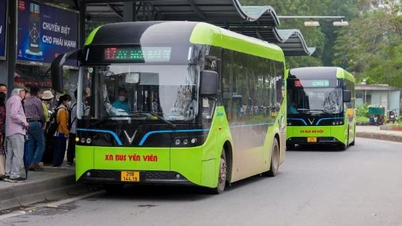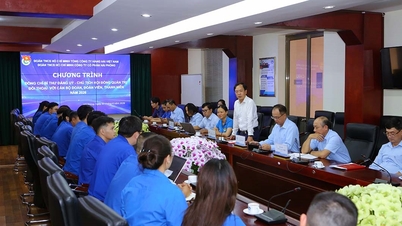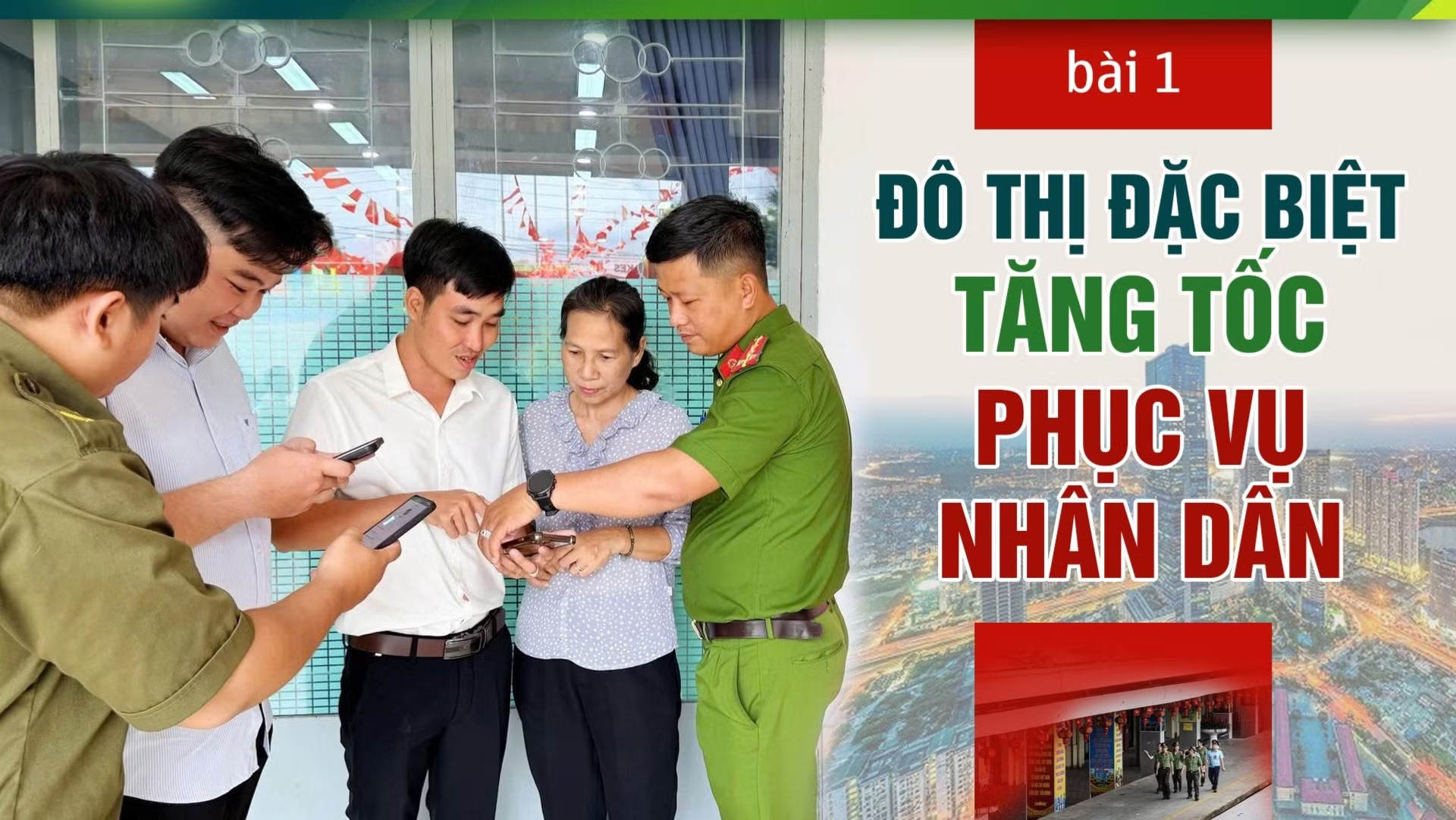


Visiting the Hanoi City Police Department, one can easily sense not only the significant changes in the restructured organization but also the concrete transformations in the daily lives of citizens. Digital transformation is no longer just a concept on paper, but is present in every administrative procedure, every public service, and every interaction between citizens and the police force. Along with outstanding results in ensuring security and order, the image of dedicated Hanoi police officers, close to the people, and using public satisfaction as a measure of their work, is increasingly affirmed.

As the leading locality in the country, Hanoi also faced a massive workload in the process of reorganizing its administrative apparatus. However, throughout the process of restructuring according to the new model, the Hanoi Police Department absolutely ensured continuous and smooth operation; preventing any interruption of tasks, avoiding gaps in security and order maintenance, and preventing the formation of hotspots or unexpected situations. These results have been recognized and highly appreciated by the local Party committee, government, business community, and the people.
According to Nguyen Trung Tue, Secretary of the Party Committee and Chairman of the People's Council of An Khanh commune (Hanoi), after implementing the two-tiered local government model from July 1, 2025, An Khanh commune quickly reorganized its structure, ensuring synchronized and smooth operation in accordance with the directives of the Central Government and the city. During this process, the An Khanh Commune Police clearly played a core role in ensuring security and order. All incidents were received and handled promptly; the security and order situation in villages and residential areas has seen many positive changes, creating peace of mind for people in their work, production, and daily lives. In particular, many areas and fields with potential complexities, such as ensuring food safety in the La Phu craft village or managing conditional business activities related to social vices in Phuong Quan village, have been effectively transformed with the support of the Hanoi City Police Directorate and other professional units.
From a business perspective, Mr. Dao Tuan Diep, Director of DTC Interior Architecture Joint Stock Company (Hanoi), believes that the two-tiered police system has created a positive shift in the investment and construction environment. According to him, procedures related to security and order, especially fire safety approvals and security at construction sites, are handled more quickly; incidents affecting security and order at projects or land disputes are handled very promptly by the commune-level police force, helping businesses maintain construction progress and minimize the risk of delays.
As a resident directly benefiting from the changes in the new model, Ms. Nguyen Thi Bich Hang (70 years old, residential group 6, Mo Lao, Ha Dong) shared that when the two-tiered local government system was first implemented, many people were still concerned about handling administrative procedures. However, after more than a year of implementation, especially when linked with digital transformation and administrative reform, people have found that procedures at the ward police station are handled more quickly, conveniently, and efficiently. The people-oriented spirit, responsibility, and dedication of the police officers have helped people quickly adapt to the new model, strengthening trust and consensus among the people.


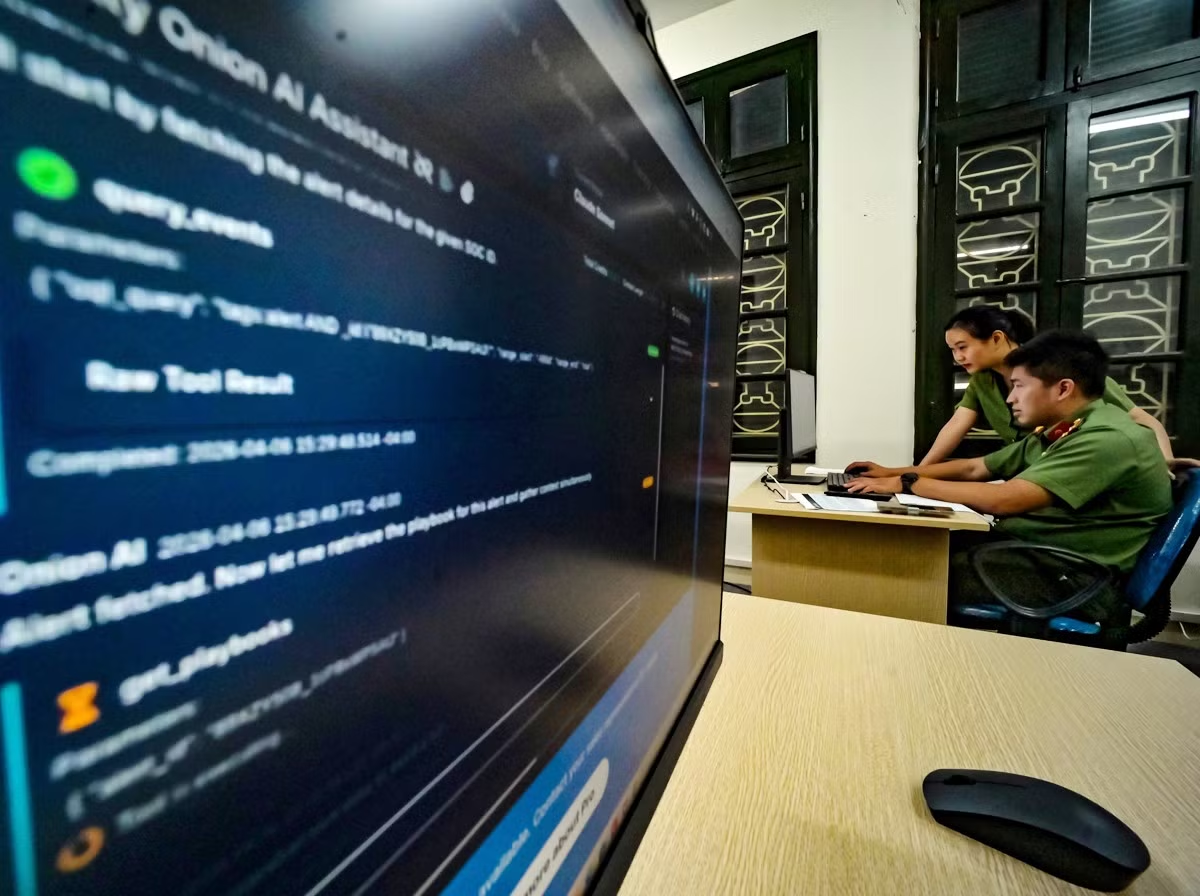

According to Mr. Le Viet Bac Anh, Vice Chairman of the People's Committee of Tu Liem Ward, after more than a year of implementing the two-tiered local government model, the ward's police force has quickly stabilized its organizational structure and effectively played a core role in advising the Party Committee and the government on ensuring security and order in the area, contributing to creating a stable environment to serve the socio -economic development of the locality.



The achievements of the Hanoi City Police are objective evidence of the effectiveness of the new organizational model; at the same time, they further affirm the correctness of the policy of reforming the organizational structure, creating a foundation for the Hanoi Police force to continue building a streamlined, efficient, and effective apparatus, meeting the requirements of the tasks in the new development stage of the country and the capital city.
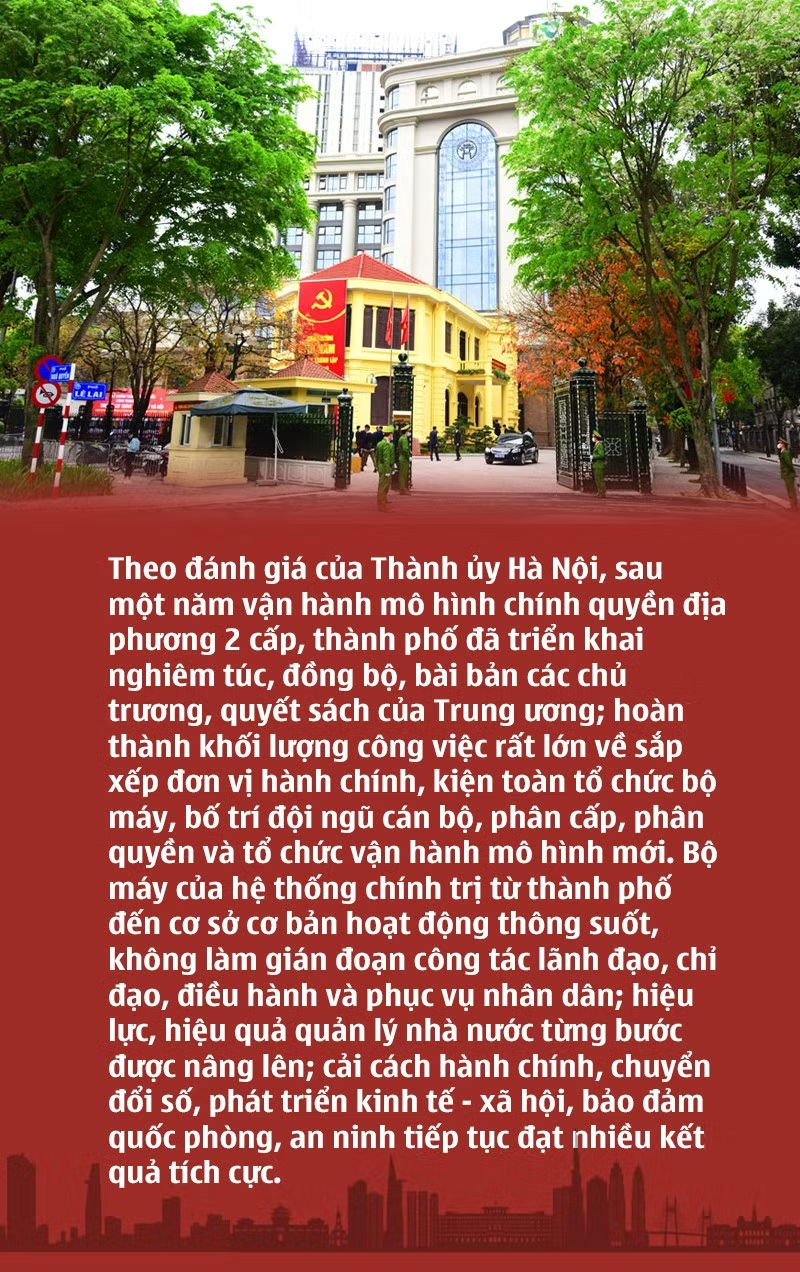
As a special urban area of the country, Hanoi has resolutely implemented the policy of reorganizing administrative units and establishing a two-tiered local government system. The city has completed the reorganization , reducing the number of communes, wards, and towns from 526 to 126 (a 76% reduction), while simultaneously ending the operations of 30 districts and towns . This officially transitions from a three-tiered to a two-tiered local governance model, creating an important foundation for improving the effectiveness and efficiency of state management and the quality of public service in the new development phase.
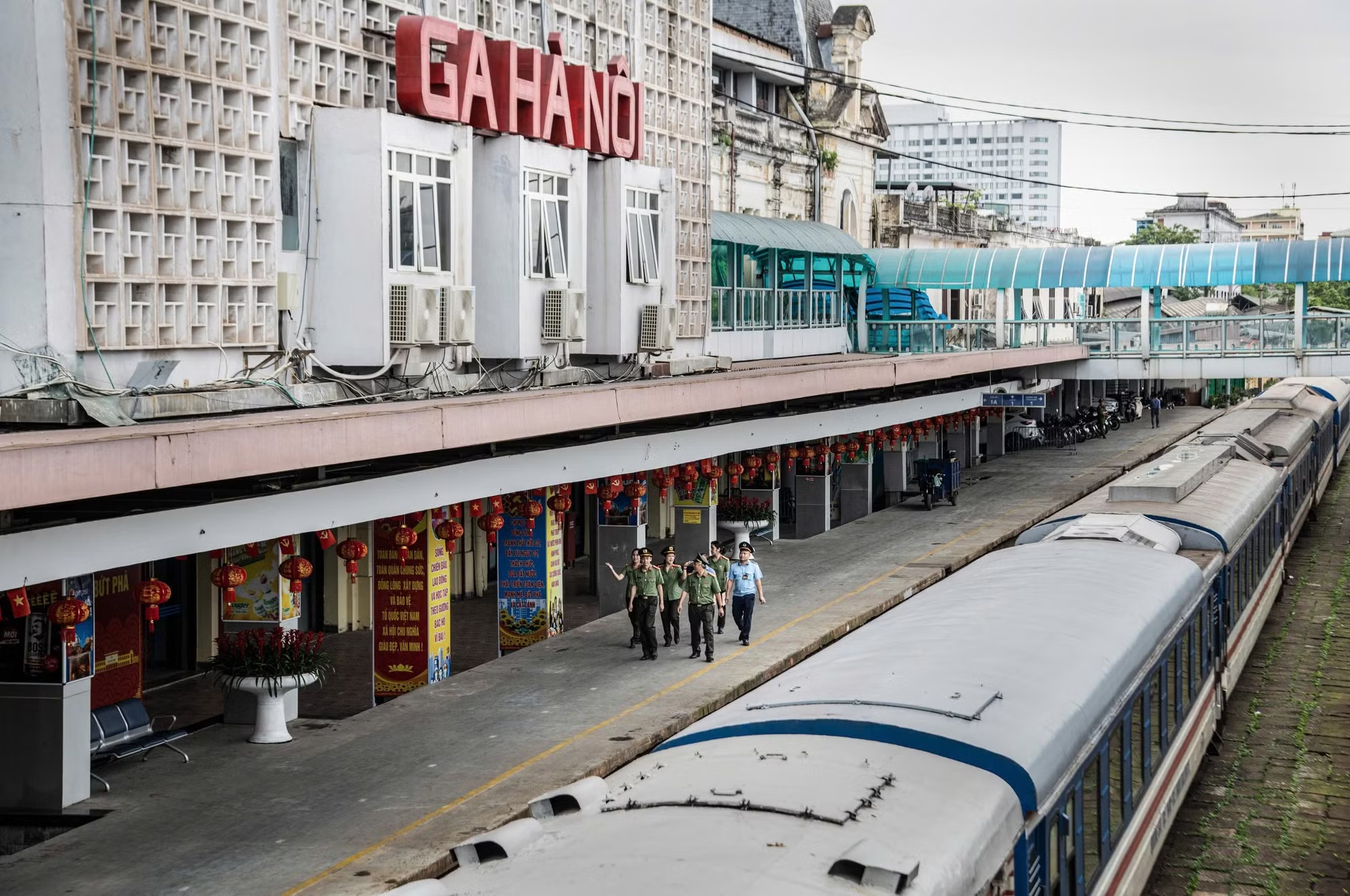

Established on July 1, 2025, through the merger of Ben Nghe ward and parts of Da Kao ward and Nguyen Thai Binh ward, Saigon ward quickly became the "heart" of Ho Chi Minh City. This special status also placed a greater responsibility on the local police force in maintaining security, order, and serving the people.
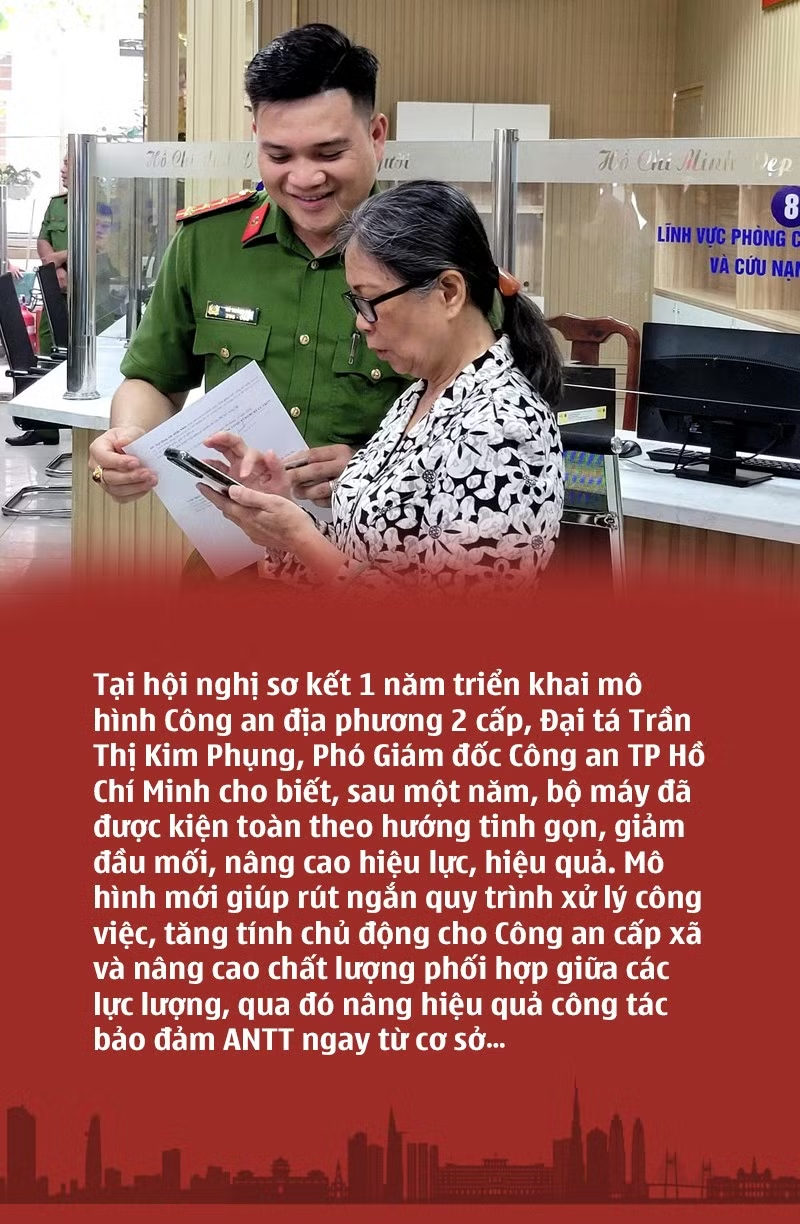
To meet the requirements of the new model, the Saigon Ward Police are pioneering administrative reform with a modern "One-Stop Shop" and the application of robots to assist in searching for procedures. According to Lieutenant Colonel Nguyen Duc Du, Head of the Saigon Ward Police, the officers are all multi-skilled, proficient in professional procedures, and prioritize serving the people, gradually shifting strongly from a management mindset to a service-oriented administration.
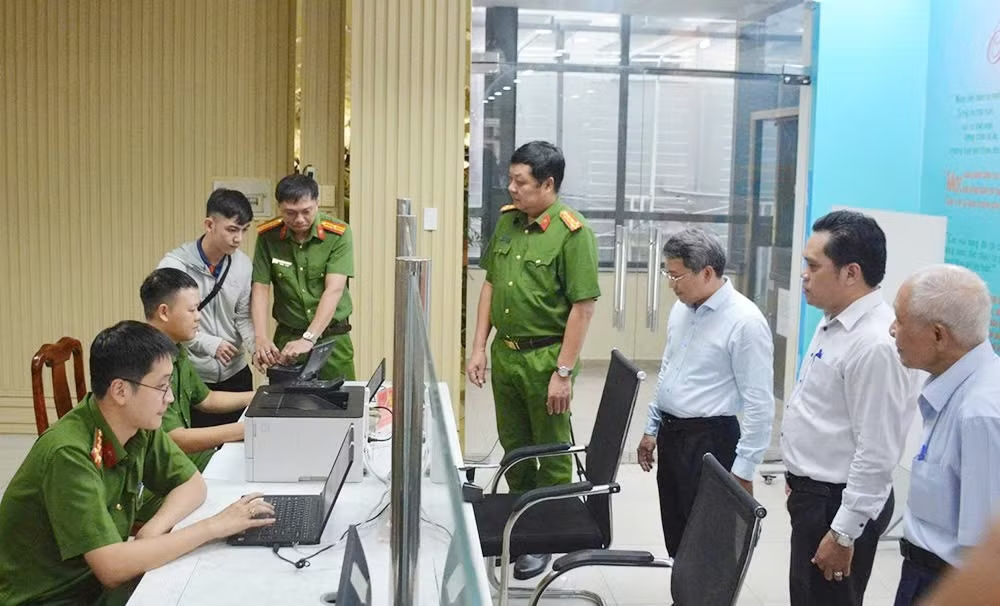

At the One-Stop Service Center, the satisfied smiles of the people are clear evidence of the effectiveness of the new model. Ms. Le Thanh Xuan (born in 1959) said that although she was not tech-savvy, the police officers provided dedicated guidance, so she completed the procedure for renewing her identity card in just a few minutes. Ms. Pham Thi Hien also shared that she was initially unfamiliar with the process of verifying her residence using the electronic kiosk, but quickly became proficient thanks to the support of the police officers. According to her, the current procedure is much faster and more convenient than before.
Observations in Tan Thoi Hiep ward show that, immediately after reorganizing according to the new model, the ward's police force quickly stabilized its operations and implemented many solutions to ensure security and order. The spirit of serving the people shown by officers and soldiers is not only demonstrated in administrative reforms but also affirmed in moments of danger, readily protecting the lives and property of the people.
The image of Captain Huynh Tuan Kiet rushing into the smoke and flames to rescue a 13-month-old girl from a fire on Nguyen Thi Thoi Street in the early morning of April 12th has become a moving moment for many. According to Ms. Dinh Thi Hang (born in 1968), despite the fierce blaze, police officers and firefighters braved the danger to save lives and protect people's lives and property.
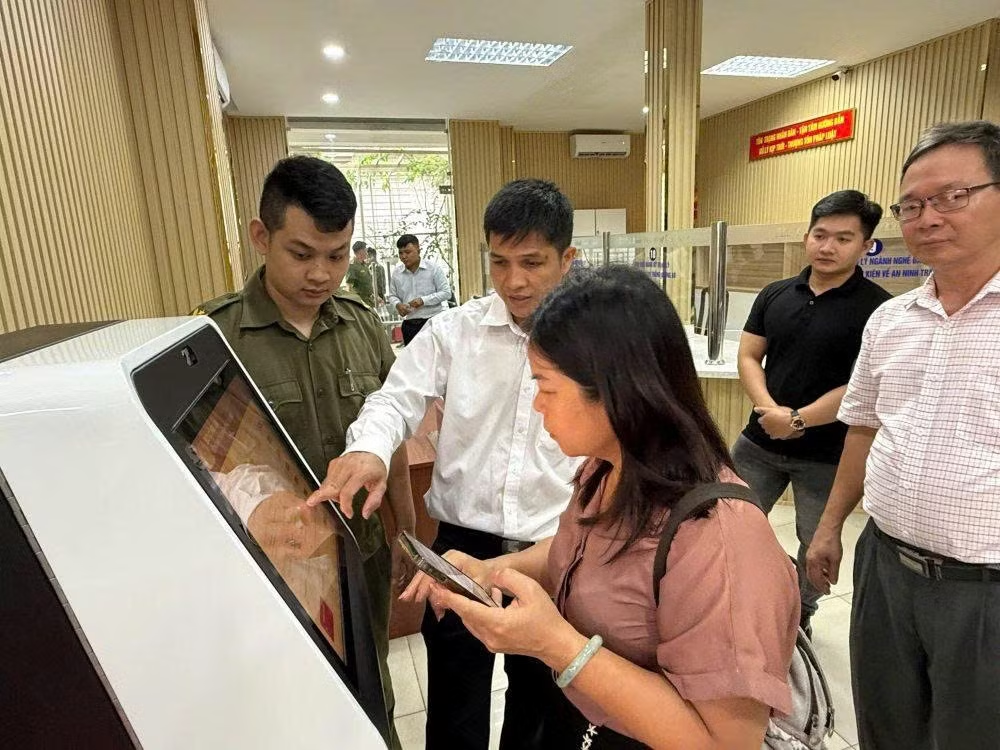
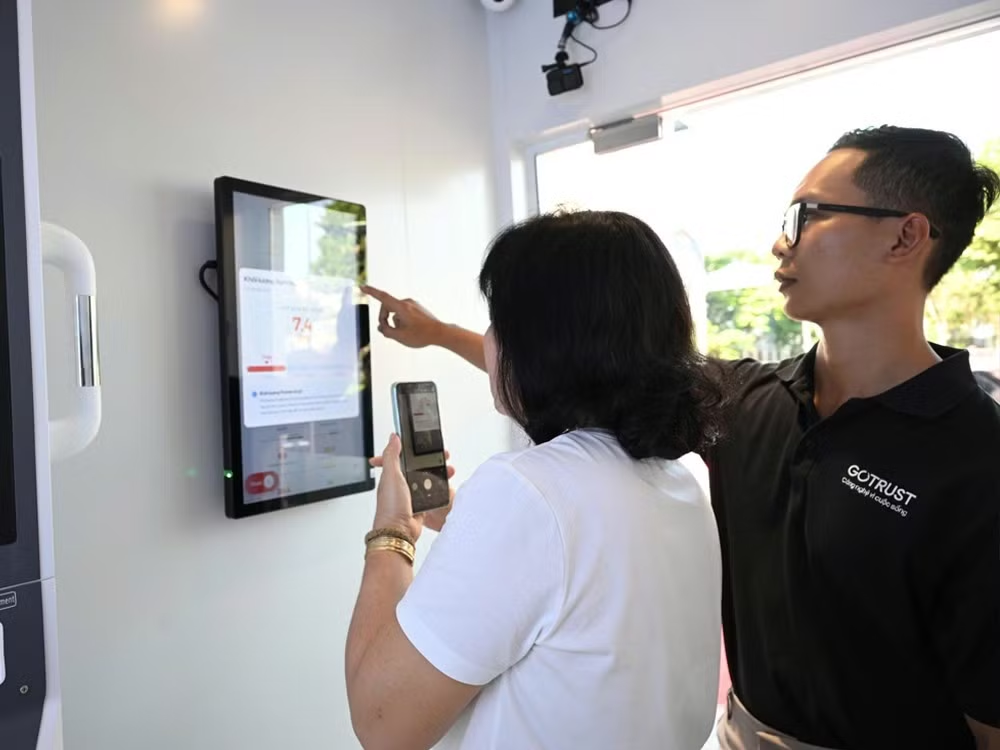
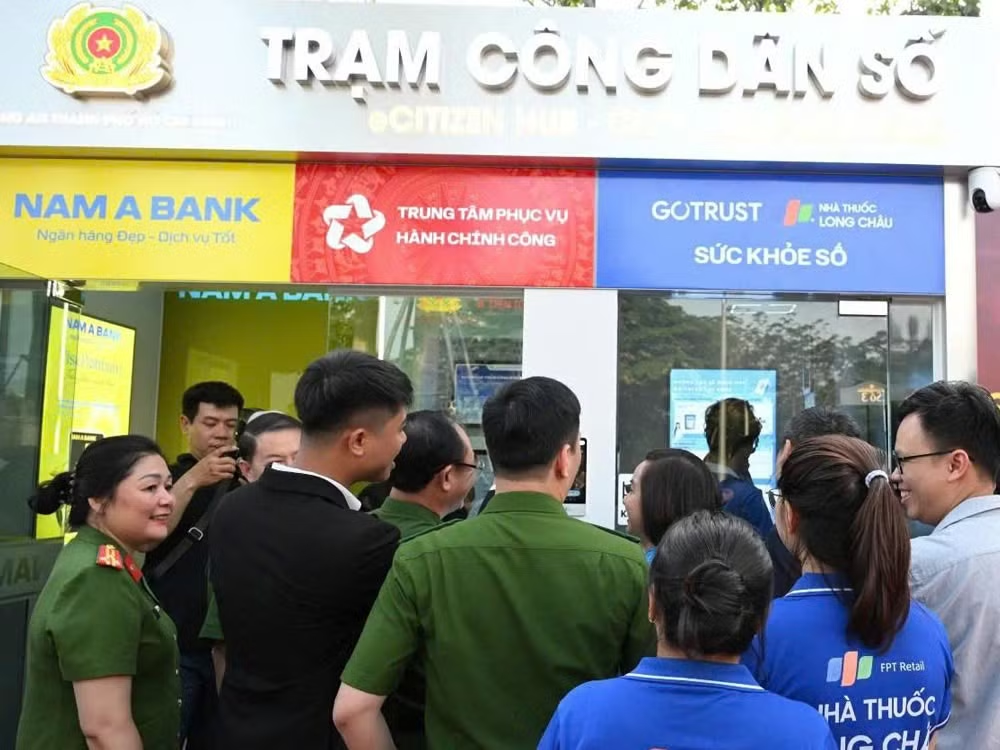
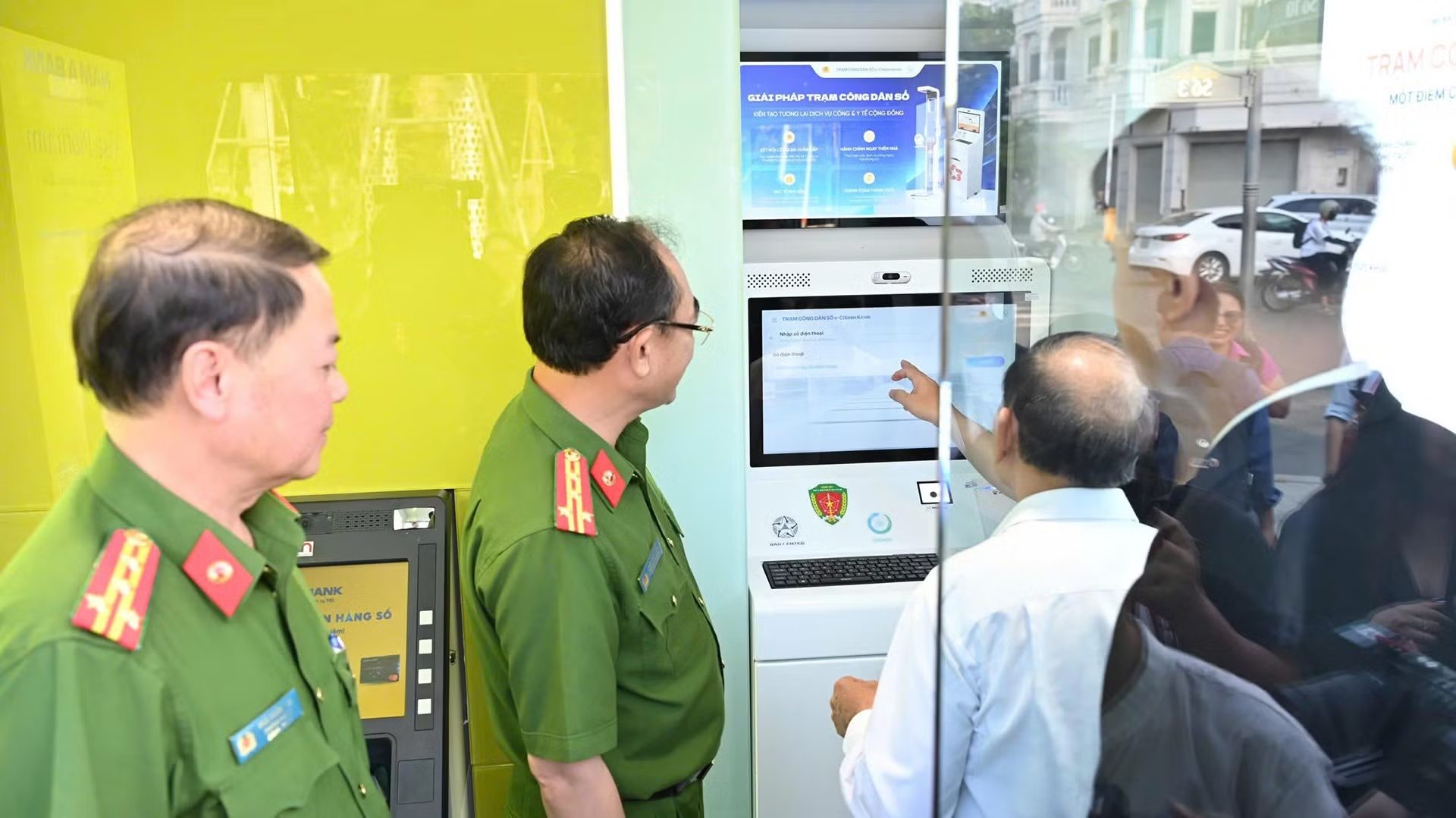
A highlight of Ho Chi Minh City is the "Digital Citizen Service Station" model, brought to residential areas and integrating many amenities to serve the people. Experiencing the Cityland Park Hills urban area, Ms. Luong Ngoc Huyen (born in 1956, residing in Go Vap ward) said that despite her age, she easily uses digital administrative and healthcare services thanks to the dedicated guidance. "Everything can be done right near home, it's very convenient," she shared.
Explaining these useful features in more detail, Colonel Ngo Xuan Tho, Head of the Administrative Management and Social Order Police Department of Ho Chi Minh City Police, said: “Many people wake up in the morning to exercise, then they will stop by the Digital Citizen Station to check basic health indicators using smart devices, and at the same time access consultation services, buy medicine and other necessary medical services right where they live. The process is designed to be simple and convenient, helping to shorten time, reduce travel and improve access to services…”.
Referring to the benefits of the Digital Citizen Station, Ms. Nguyen Do Quyen, Deputy General Director and CEO of Long Chau Pharmacy and Vaccination System, said that this is a groundbreaking digital infrastructure model, based on electronic identification and authentication, gradually bringing public services, social amenities, and smart healthcare solutions closer to the people. Under the leadership of the Department of Administrative Management of Social Order and the Ho Chi Minh City Police, and with the cooperation of businesses, including Long Chau, digital solutions are implemented with modern standards, quality, and data security; especially healthcare services are implemented quickly, in accordance with regulations, safely and effectively. This coordination is an important foundation for businesses to leverage their expertise and work with state agencies to bring more practical value to the people.




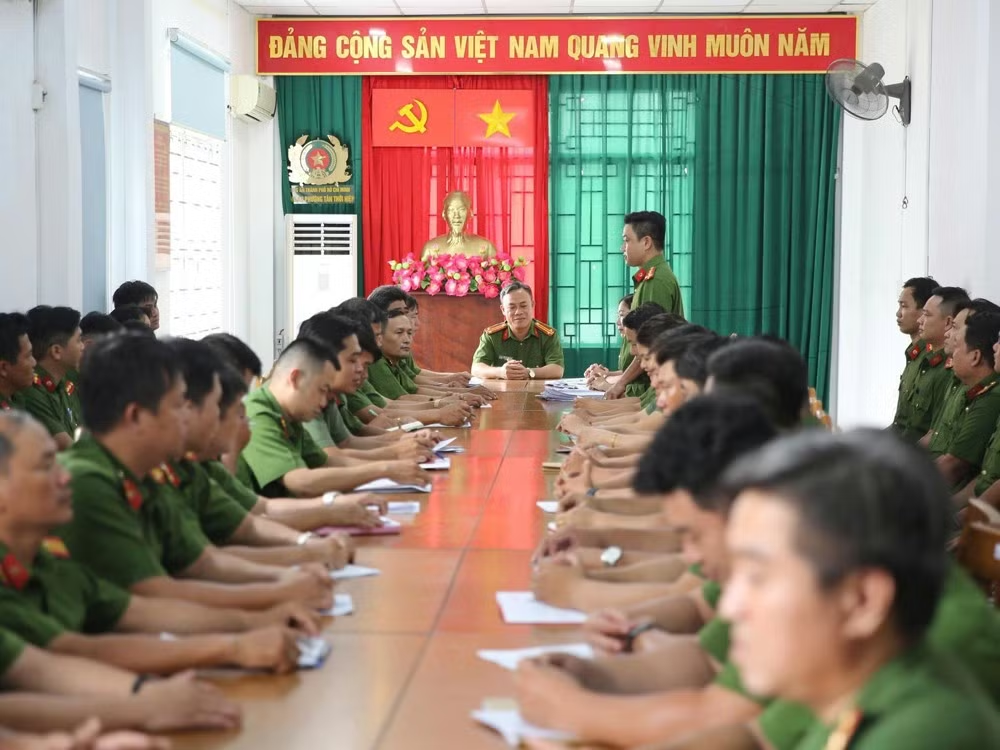
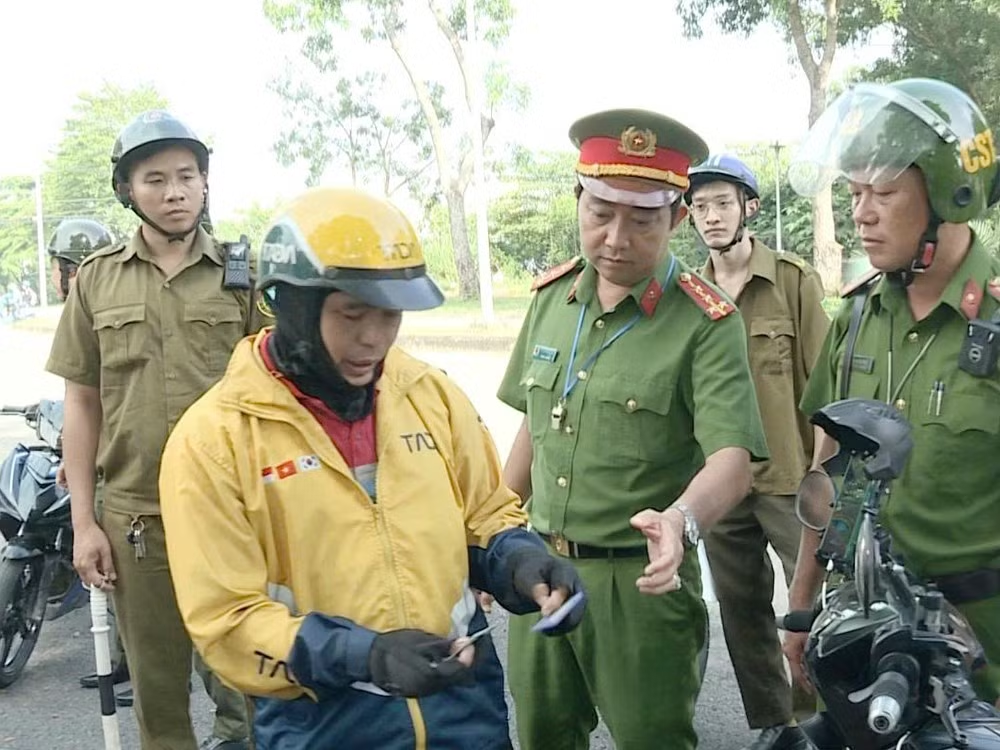
From an expert's perspective, Dr. Nguyen Duc Quyen, from the Ho Chi Minh City Academy of Cadres, affirmed that this step is entirely consistent with the goal of building a livable, safe, and modern city: “When the police force becomes a symbol of dedication, professionalism, and readiness to serve and protect the people, that is also when the city's service-oriented administration is most fully and meaningfully demonstrated. This is the right path, the key to building a society that is orderly, disciplined, and civilized…”
Source: https://cand.vn/bai-1-do-thi-dac-biet-tang-toc-phuc-vu-nhan-dan-post815454.html


![[Image] National conference summarizing one year of operation of the overall organizational model of the political system, the three-tiered government model.](https://vphoto.vietnam.vn/thumb/1200x675/vietnam/resource/IMAGE/2026/07/01/1782882811691_ndo_br_1-jpg.webp)