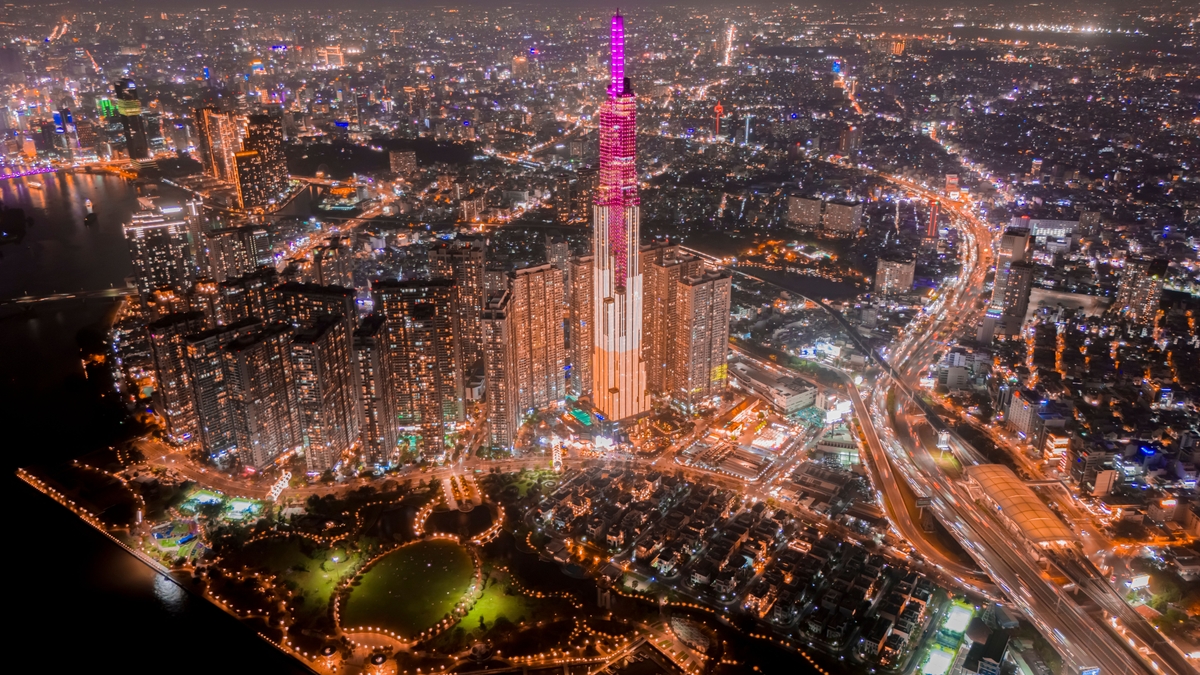
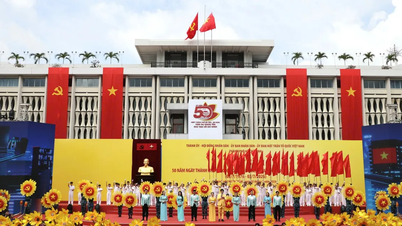
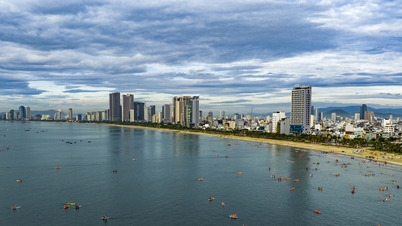
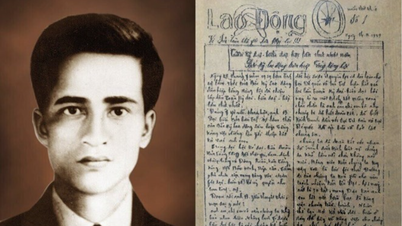
According to a resolution at the first session of the 6th National Assembly of the Socialist Republic of Vietnam, from July 2, 1976, the city of Saigon - Gia Dinh was honored to bear the name of President Ho Chi Minh . This was not only a resolution of historical significance, but also the culmination of the people's will, the tradition of tenacious and indomitable struggle, and the great belief that the city where Uncle Ho departed to seek a path to national salvation deserved to bear his name and continue to lead the way in building the nation.
Fifty years have passed. For Ho Chi Minh City (HCMC), it has been a long enough journey to test its character, measure its stature, and clarify a truth: the greater the honor, the heavier the responsibility. The city named after President Ho Chi Minh has never been allowed to be complacent with the past; it is this glorious past that constantly motivates the city to forge new paths, to innovate, and to lead the way so that it can go further with the rest of the country.
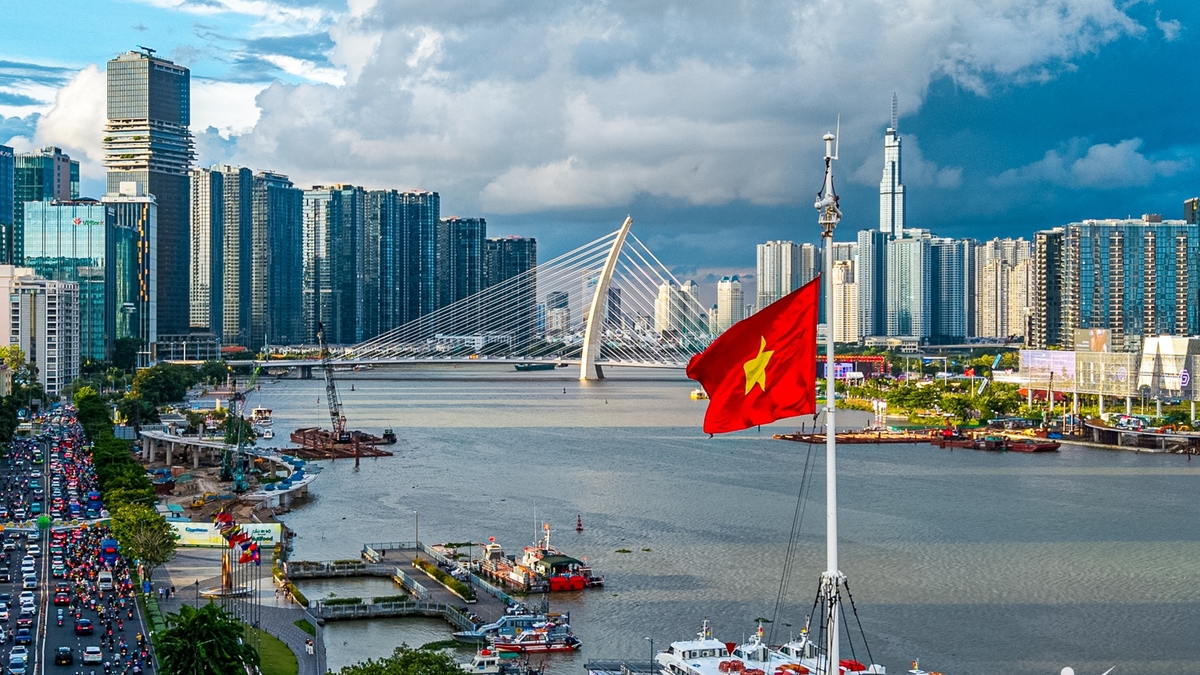
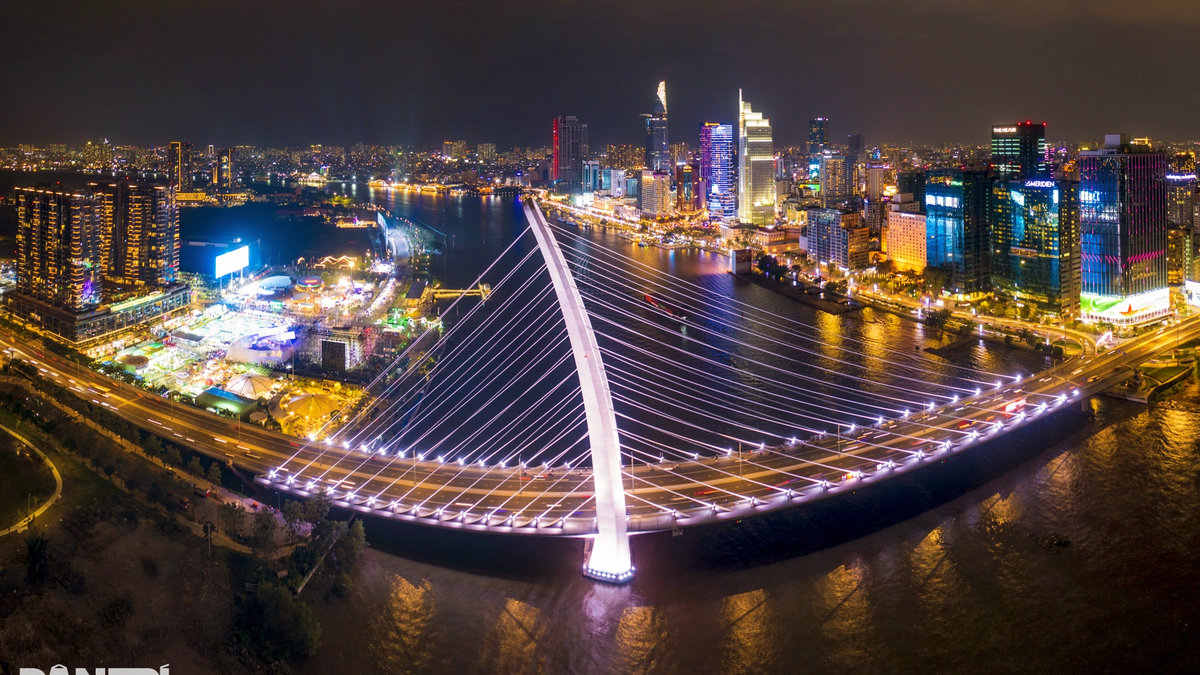
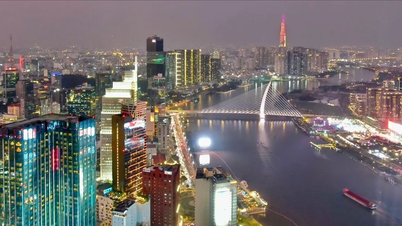
That half-century has been a journey of progress through countless challenges. From the ruins after the war, through the difficult years of the old regime and the strong transformations of the Doi Moi (Renovation) period, Ho Chi Minh City has continuously affirmed its role as the leading economic engine, a major center for finance, trade, science and technology, education and training, and international integration. Its economic scale accounts for nearly a quarter of the national GDP and contributes about one-third of the total national budget revenue, reflecting not only its strong development but also its responsibility towards the nation's growth.
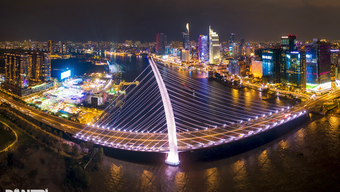
Entering 2026, Ho Chi Minh City stands before a new development space with a greater mission: to become a stronger growth pole, a more comprehensive regional connectivity center, and a competitive hub for logistics, finance, industry, services, and innovation in the region.

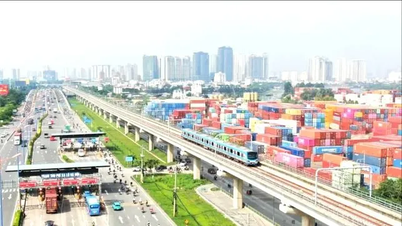
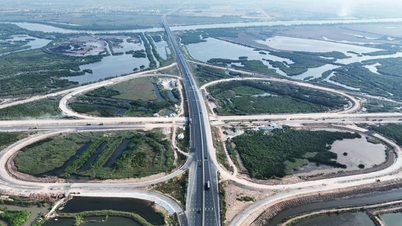
Milestones such as the commissioning of Metro Line 1, the official launch of the Vietnam International Finance Center in Ho Chi Minh City, the implementation of the Can Gio International Transshipment Port project, and the goal of developing nearly 190km of urban railway by 2030 demonstrate that the aspiration for modernization is gradually being realized through new infrastructure and institutional foundations.
But pride does not equate to complacency. The city still faces numerous bottlenecks in institutions, infrastructure, governance, and human resource quality; pressures related to traffic, flooding, environmental pollution, and the need to improve the efficiency of public investment... Looking directly at these limitations is the way for the city to continue innovating with a spirit of honesty, integrity, boldness in thinking, boldness in action, and a willingness to take responsibility.
The greatest support today is the newly established development vision. Resolution 09-NQ/TW of the Politburo opens a long-term development trajectory, guiding Ho Chi Minh City towards the goal of becoming a civilized, modern, dynamic, and creative city by 2030; a center of Asia by 2045; and a smart, modern global city by 2075. This is not only a development goal, but also a rallying cry for the journey of many generations to come.
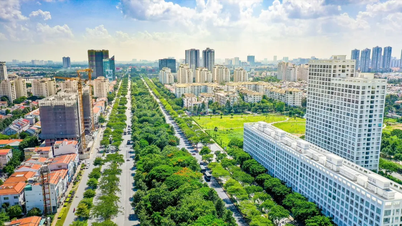
To realize that aspiration, the city must continue to build superior institutions; promote decentralization and delegation of power coupled with accountability; use science and technology, innovation, and digital transformation as drivers of growth; consider green transformation as the foundation for sustainable development; develop strategic and synchronized infrastructure; and place culture and people at the center of all policies.
In this context, the draft Law on Special Urban Areas is of paramount importance. A sufficiently strong, stable, and superior institutional framework will create conditions for Ho Chi Minh City to fully play its pioneering role, build a modern governance model, enhance its competitiveness, and create more room for breakthroughs in development.
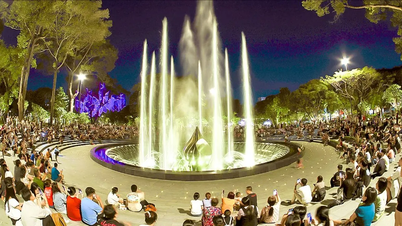
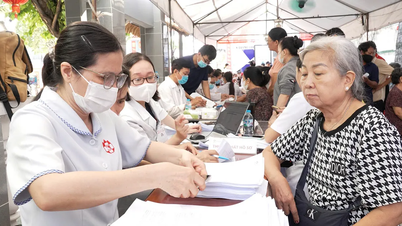
Ultimately, all development goals are geared towards people. A livable city is not measured solely by modern infrastructure or growth figures, but also by the quality of life of its citizens, a greener living environment, more convenient transportation, more efficient public services, fairer development opportunities, and a society that still preserves compassion amidst the modern pace of life. Development achievements are only truly meaningful when the people are the creators and the first to benefit.



The 50th anniversary of Saigon - Gia Dinh city being honored with the name of President Ho Chi Minh is an opportunity to reaffirm once again that this sacred name is not only a source of pride, but also a constant reminder of our pioneering responsibility. Pioneering in innovative thinking, perfecting institutions, mastering science and technology, promoting digital transformation, green transformation, and building a civilized, modern, and compassionate city.
Source: https://www.sggp.org.vn/tiep-noi-su-menh-tien-phong-post860233.html