The imprint of the practical experience of the Renovation process.
On May 19, 2026, the Politburo issued Resolution 09-NQ/TW on building and developing Ho Chi Minh City in the new era; outlining the city's development plan until 2075, with the goal of achieving an average GRDP growth of 10% per year for 20 years (2026-2045) to reach a GRDP per capita of approximately US$75,000 by 2045; a Human Development Index (HDI) of 0.9; zero net emissions; and establishing Ho Chi Minh City's position in the global network of cities...
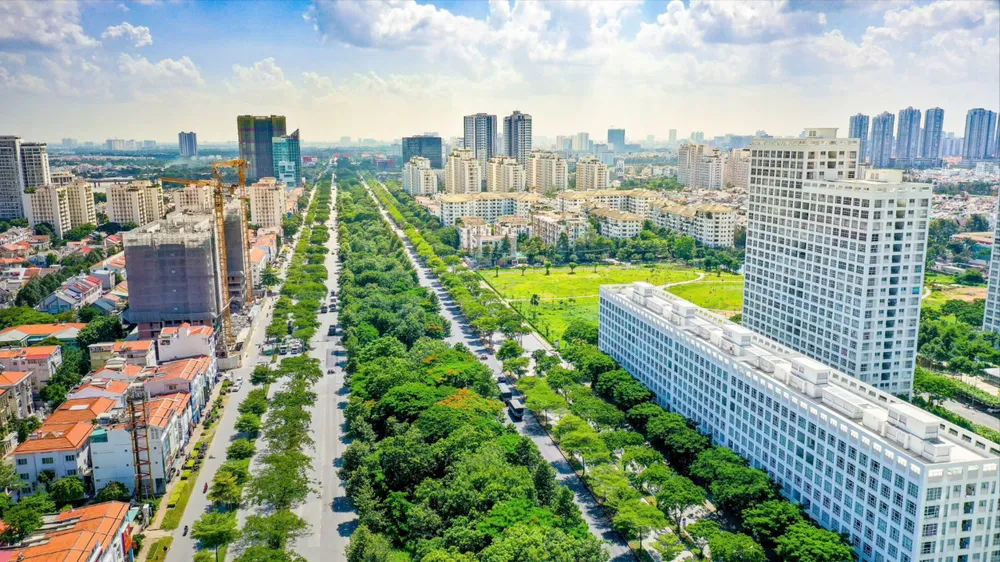
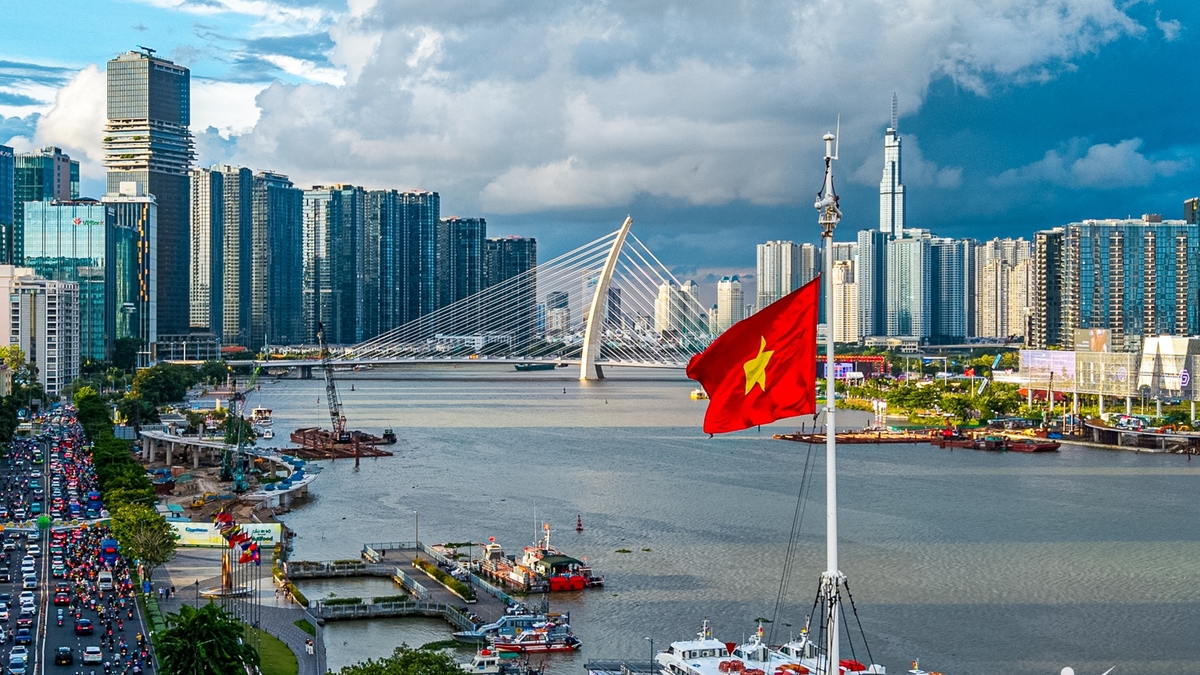
Looking back over the past 50 years, especially the 40 years of the Doi Moi (Renovation) period, Ho Chi Minh City's contribution is difficult to measure by GDP, budget revenue, or other economic indicators. That contribution is to the formation and improvement of the country's economic institutions; the transition from "unleashing production" to a socialist-oriented market economy. Throughout this journey, the people of Ho Chi Minh City, under the leadership of the City Party Committee, have clearly demonstrated a tradition of dynamism, creativity, compassion, and unwavering determination in the face of difficulties. At times, the city has had to boldly find ways to overcome obstacles and transcend regulations that are no longer relevant to real-life situations – often referred to as "breaking the rules." Despite experiencing numerous ups and downs, Ho Chi Minh City has increasingly affirmed its role as a leading engine of growth, a center of integration, and one of the localities making significant contributions to the process of reforming economic management thinking.
The Doi Moi (Renovation) policy at the Sixth National Congress was derived from the practical experience of national development, including the dynamic economic life of Ho Chi Minh City. During the period 1979-1986, facing severe difficulties regarding food for the people and supplies and raw materials for enterprises, the city's leaders at the time refused to give up, instead creating many solutions to overcome these challenges under restrictive management mechanisms. Many state-owned industrial models emerged, such as Viso, Khanh Hoi Tobacco, Saigon Beer, Thanh Cong Textile, and Phong Phu Textile… These units boosted "supplementary" production outside of the mandated plan. It was precisely this "supplementary" production that contained new vitality, as it began to reflect market forces, necessitating a change in management mechanisms. This dynamism, however, received considerable criticism. However, city leaders persevered, adhering to the principle of using vivid practical examples to provide comprehensive and detailed reports to the highest-ranking leaders at the central level on the innovative directions emerging from daily life.
Based on the experience of Ho Chi Minh City, the Government issued Decision No. 25-CP on January 21, 1981, on promoting the proactive production and business rights and financial autonomy of state-owned enterprises. This was an initial step in reforming the management mechanism and also served as the basis for establishing the autonomy of state-owned enterprises after the Doi Moi (Renovation) period. The experiment helped many enterprises recover production, improved the lives of workers, and provided the city with additional sources of goods.
From the early 1990s, the system of policies and laws on the socialist-oriented market economy gradually took shape. After 15 years of Doi Moi (Renovation), the 9th National Congress affirmed that Vietnam's economic model is a socialist-oriented market economy. Ho Chi Minh City's experience from the early 1980s is considered a breeding ground for many new factors contributing to the reform of economic management mechanisms. Many pilot models, institutions, and practices originating from Ho Chi Minh City have spread nationwide, such as the Tan Thuan Export Processing Zone, the Ho Chi Minh City Stock Exchange, the Urban Development Investment Fund, the first joint-stock commercial bank, the "one-stop shop" model, and poverty reduction policies.



Entering the 2000s, the Central Government continued to expand decentralization and delegation of power, allowing Ho Chi Minh City to pilot many new policies. In recent years, the National Assembly has issued Resolutions 54, 98, and 260 on piloting a number of specific mechanisms and policies for the city's development. This dynamism from local practice is an important basis for researching, adjusting, and perfecting the institutional framework.
Growth is shifting "from capital-driven to knowledge-driven".
Ho Chi Minh City aims for double-digit growth during the period 2026-2030 and beyond. This goal not only reflects the aspiration to break free from the limitations of the old growth model, but also aligns with the requirement to continue maintaining its role as the economic locomotive, demonstrating the effectiveness of special and pilot mechanisms, and moving towards becoming a civilized, modern, livable megacity and a global city.
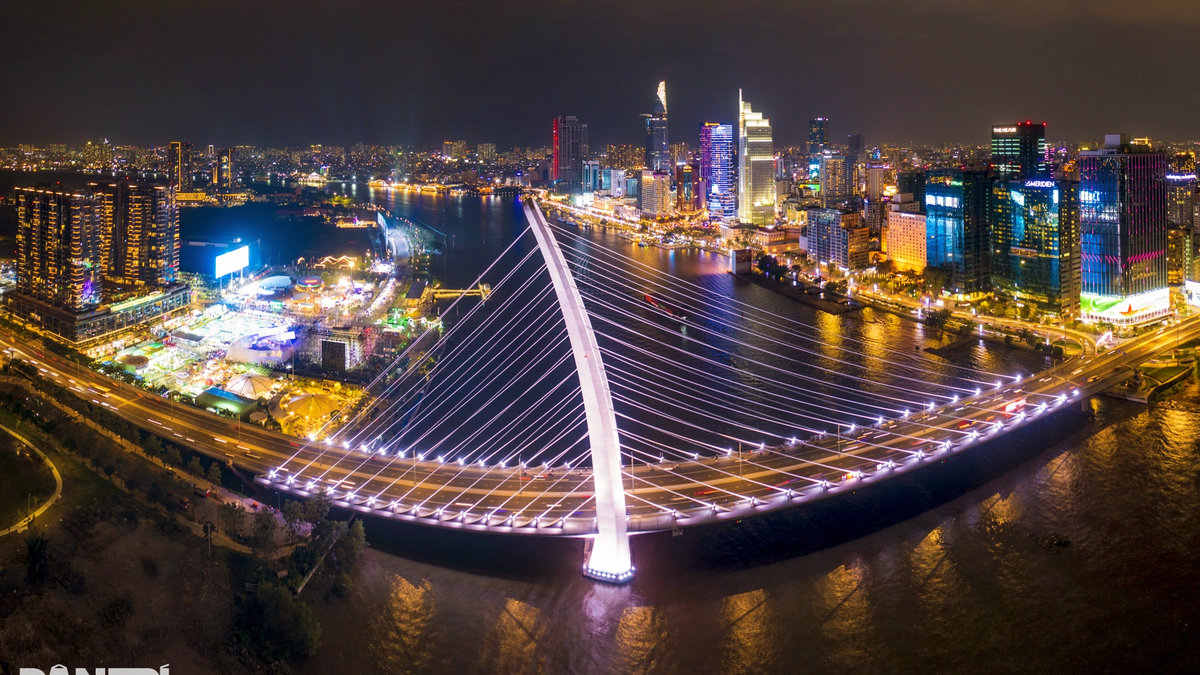
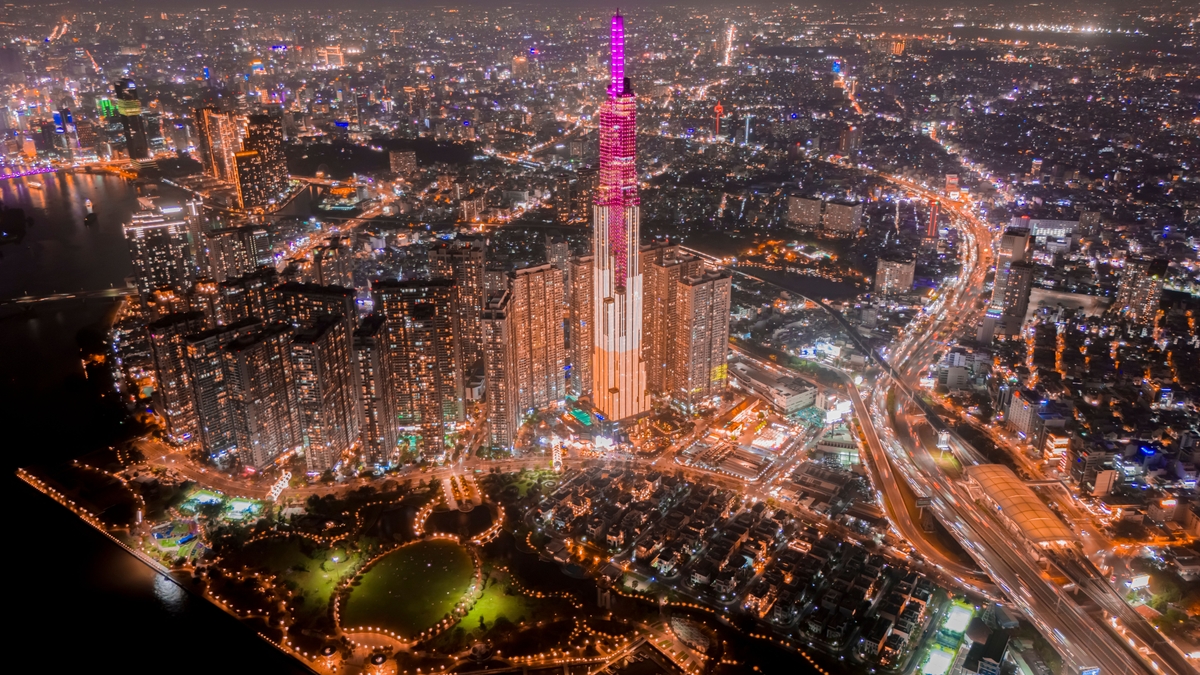
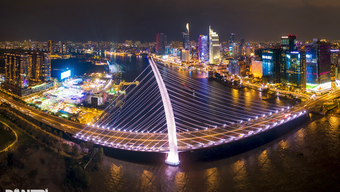
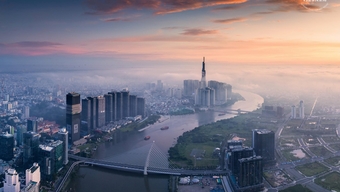
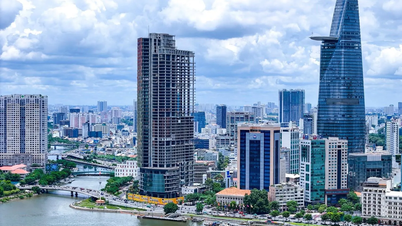
Ho Chi Minh City currently covers an area of 6,773 km2, with a population of approximately 14 million people, contributing 23.1% of the national GDP and 30.2% of the national budget revenue. However, the growth model based on investment capital, processing, low-cost labor, and real estate is becoming less effective. The ICOR (Incremental Capital-Output Ratio) remains high, indicating that capital utilization efficiency is not commensurate; labor productivity is increasing slowly, and the contribution of science and technology to total factor productivity (TFP) is limited. Without timely transformation, the growth momentum will weaken. Therefore, shifting to a development model based on science and technology, innovation, and the digital economy is a strategic requirement. If the average GRDP growth rate of 10% per year is maintained during the period 2026-2035, the size of Ho Chi Minh City's economy will increase significantly (reaching approximately 310 billion USD by 2035), creating a foundation for a highly developed, modern, and livable city.
The focus of transformation lies primarily in policies and institutions. Technology is only effective when supported by a suitable institutional framework. The city is facing a great opportunity as two inherent bottlenecks—institutions and transportation infrastructure—are gradually being addressed. The expansion of decentralization and delegation of power, along with increased autonomy in the spirit of "local authorities decide, local authorities act, local authorities are responsible," has been demonstrated through several specific mechanisms and policies for Ho Chi Minh City; special mechanisms for urban rail and the International Financial Center.
The city is hoping that the draft Law on Special Urban Areas will soon be considered and approved by the National Assembly, forming a systematic and comprehensive legal framework for a special urban area. This is not only a requirement for managing a large-scale urban area, but also a condition for Ho Chi Minh City to better exploit its advantages in the new development space. From a conceptual standpoint, a shift in thinking is needed based on four main points. Firstly, building long-term trust and a capable administrative apparatus to effectively implement the Law on Special Urban Areas, especially putting Resolution 57-NQ/TW and Resolution 68-NQ/TW into practice; piloting superior mechanisms for new fields such as fintech (financial technology), artificial intelligence, and the model of an International Financial Center.
Secondly, focus on developing strategic infrastructure, including transportation connectivity, regional logistics, urban rail, digital infrastructure, and renewable energy. Thirdly, restructure the spatial layout and economic sectors towards high technology, prioritizing semiconductors, biotechnology, smart logistics, and financial services; successfully implement the International Financial Center and the Cai Mep Ha Free Trade Zone within Ho Chi Minh City's new development space. Fourthly, develop high-quality human resources, increase linkages between businesses, universities, and research institutes; attract international experts, overseas Vietnamese, and domestic talent.
Ho Chi Minh City is shifting its growth model from "capital-driven" to "knowledge-driven," enhancing the contribution of productivity and innovation, and gradually becoming a technology, finance, and startup hub in Southeast Asia. The Law on Special Urban Development presents an opportunity for the city to have a stronger, more stable, and more synchronized institutional framework, thereby better exploiting its advantages in the new era.



Energetic and compassionate
In the development of Ho Chi Minh City, dynamism and creativity are always intertwined with compassion and solidarity. The city leads in many economic and institutional models, yet persistently implements poverty reduction programs, cares for war veterans, supports workers, and expands social security policies. From sharing with the vulnerable in the city to taking responsibility for provinces and cities in need, Ho Chi Minh City has created a unique development identity: putting people at the center, using practicality as a measure, and using compassion and solidarity as the foundation for the resilience of the city named after President Ho Chi Minh.
Source: https://www.sggp.org.vn/tu-thuc-tien-doi-moi-den-the-che-do-thi-dac-biet-post860238.html







































































![[Infographic] Which types of behaviors are strictly prohibited in digital transformation from July 1, 2026?](https://vphoto.vietnam.vn/thumb/402x226/vietnam/resource/IMAGE/2026/07/02/1783004068098_thumb_5_hanh_vi_nghiem_cam_20260702184923.jpeg)