Vietnamese cultural spaces abroad
The Vietnamese language connects generations of overseas Vietnamese with their roots; and cultural activities, from festivals and arts to cuisine , are bringing the image of Vietnam into a deeper presence in local life.
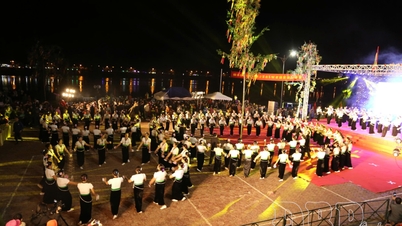
In Japan, in addition to maintaining Vietnamese language classes, the Vietnamese community regularly organizes cultural and artistic activities on major national holidays such as Hung Kings' Commemoration Day, Liberation Day of Southern Vietnam, National Reunification Day, and National Day on September 2nd. Each program is an opportunity for the community to connect with their homeland while introducing Vietnamese cultural values to international friends.
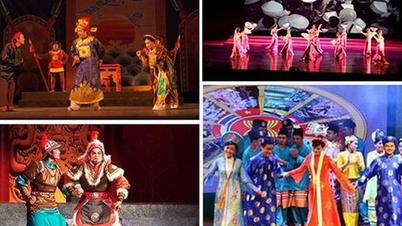
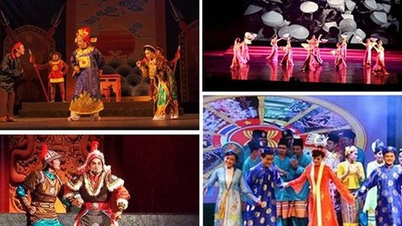
Besides the traditional ao dai dress, cuisine, and community activities, many traditional art forms such as Hat Xoan, Quan Ho, and Chau Van are also included in the exchange programs, helping the local public to better appreciate the depth of Vietnamese identity.
In Kansai and Fukuoka, festivals, "Homeland Spring" programs, art exchanges, ao dai (traditional Vietnamese dress) shows, and children's activities are regularly organized, creating vibrant Vietnamese cultural spaces. Notably, the first-ever National Unity Day held in Japan became a significant milestone, contributing to strengthening the bonds of the Vietnamese community abroad.
According to Le Thuong, President of the Association of Vietnamese People in the Kansai region, culture is the spiritual foundation that binds the community together, helping overseas Vietnamese preserve their identity and always look back to their roots. These cultural activities create a shared space, promote people-to-people exchanges, and strengthen friendly relations between Vietnam and Japan.
Vietnamese Consul General in Osaka Nguyen Truong Son also stated that cultural diplomacy activities have become an important bridge in promoting the image of Vietnam and its people, while contributing to strengthening the solidarity of the Vietnamese expatriate community in the host country.
From Japan, the story of spreading Vietnamese identity continues to Europe. There, many people are still persistently introducing Vietnamese identity through music, art, cuisine, and cultural exchange activities. Each person has their own way, but they all share the desire to bring the image and people of the S-shaped land closer to international friends.



Telling Vietnamese stories through music and food.
In Paris, the Vietnamese Cultural Center on Rue Albert has long been a "common home" for the Vietnamese community in France. It regularly hosts cultural exchange programs, food festivals, exhibitions, and art performances, and serves as a meeting place for overseas Vietnamese to reconnect with familiar values of their homeland in the heart of Europe.
For many years, the Center has been associated with Meritorious Artist Tang Thanh Son and artist Dang Thanh Ngoc, a pair of artists who have spent much of their careers in Europe bringing Vietnamese traditional music to international audiences. Having worked at the Vietnam National Theatre, Meritorious Artist Tang Thanh Son is proficient in performing many traditional Vietnamese musical instruments, and also researches and crafts traditional instruments.
For over three decades, he has performed in more than 40 countries, directly staging numerous programs to introduce Vietnamese culture to the world. Behind each event lies a great deal of quiet work. Sometimes, he'd be juggling backstage duties and coordinating performances before rushing onto the stage to perform. But when the sounds of the two-stringed fiddle, the zither, or the rustic sounds of bamboo fill the air, the hustle and bustle behind the scenes fades away, giving way to the pride of telling the story of Vietnam through traditional music.
Accompanying him is artist Dang Thanh Ngoc, his life partner and enduring artistic collaborator. She can play many musical instruments such as the zither, pipa, T'rưng, K'long put... In programs promoting Vietnamese culture, she captivated audiences with her music, and then contributed to introducing Vietnamese cuisine to international friends. The image of the radiant artist on stage, then busily preparing bowls of pho and meticulously preparing each Vietnamese dish to offer to tourists, has become a beautiful memory for many who have attended Vietnamese cultural events in France.
"For us, it's a joy. Every time we perform at the foot of the Eiffel Tower or in other European countries, when Vietnamese traditional music plays, I feel a surge of pride and a desire to convey my love for my homeland through every note," shared Meritorious Artist Tang Thanh Son.
Besides art, cuisine is also chosen by many overseas Vietnamese as a "cultural language" to tell stories about Vietnam. According to Mr. Pham Ngoc Chu, Chairman of the Vietnamese Business Association in Hungary, from a love for his homeland and a desire to strengthen connections between Vietnam and Hungary, the Hungary-Vietnam Trade and Cultural Development Support Center was established, becoming an active bridge in many cultural and economic exchange activities between the two countries.
Over the years, the Center has regularly organized programs to promote Vietnamese culture, sponsored arts and sports activities, supported filmmaking about Vietnam, and connected with many cultural events in Hungary. In particular, from July 7th to 31st, the Center will co-organize the Culinary Culture Week as part of the “Pho Cultural Roadshow Europe 2026” in Budapest. The program will introduce pho as a representative dish, while also opening up a broader story about the country, its people, and Vietnamese identity through its cuisine.
Also in Hungary, Mr. Nguyen Tien Sy chose a unique path to promote Vietnamese culture. From the early days of building his pho brand in Budapest, when Vietnamese cuisine was still quite unfamiliar to the locals, he has now developed a chain of seven restaurants offering Vietnamese flavors. A highlight of this journey is the annual "Saint Giong Pho Bowl" competition. Inspired by the legend of Saint Giong, the competition transcends the boundaries of a typical culinary activity, becoming a way to introduce the history, culture, and national spirit of Vietnam to international friends through a dish that has become an icon of Vietnamese cuisine.
From cultural festivals in Japan and the melodies of traditional Vietnamese music echoing through Paris to the introduction of pho in Budapest, the Vietnamese diaspora is telling the story of their homeland in many unique ways. Quietly but persistently, these activities all stem from love for their country, a sense of preserving their roots, and a desire to bring Vietnamese identity closer to international friends.
Through festivals, art programs, traditional dishes, and cultural exchanges, the image of a Vietnam rich in identity, humanistic values, and openness continues to be nurtured in the hearts of the world. On this journey, the Vietnamese community abroad acts as both guardians of the national cultural heritage and silent "cultural ambassadors," spreading Vietnamese vitality through sincerity, creativity, and profound love for their homeland.
(To be continued)
Source: https://baovanhoa.vn/the-gioi/bai-2-su-gia-van-hoa-viet-noi-dat-khach-242640.html













![[Video] Weather forecast for tonight and tomorrow, July 4, 2026: The remnants of Typhoon No. 1 will cause widespread and prolonged heavy rain in Northern Vietnam.](https://vphoto.vietnam.vn/thumb/402x226/vietnam/resource/IMAGE/2026/07/03/1783083905760_thum-dem-png.webp)