For Lao Cai, the first year of operating the two-tiered local government model was exactly that kind of period. It was the first test for the new system.

6:30 PM. The lights on Cau Thia Street are on. People are hurrying home after a day's work. Shops and restaurants are starting to get crowded. Yet, behind the doors of the ward's People's Committee headquarters, light still shines from the offices.
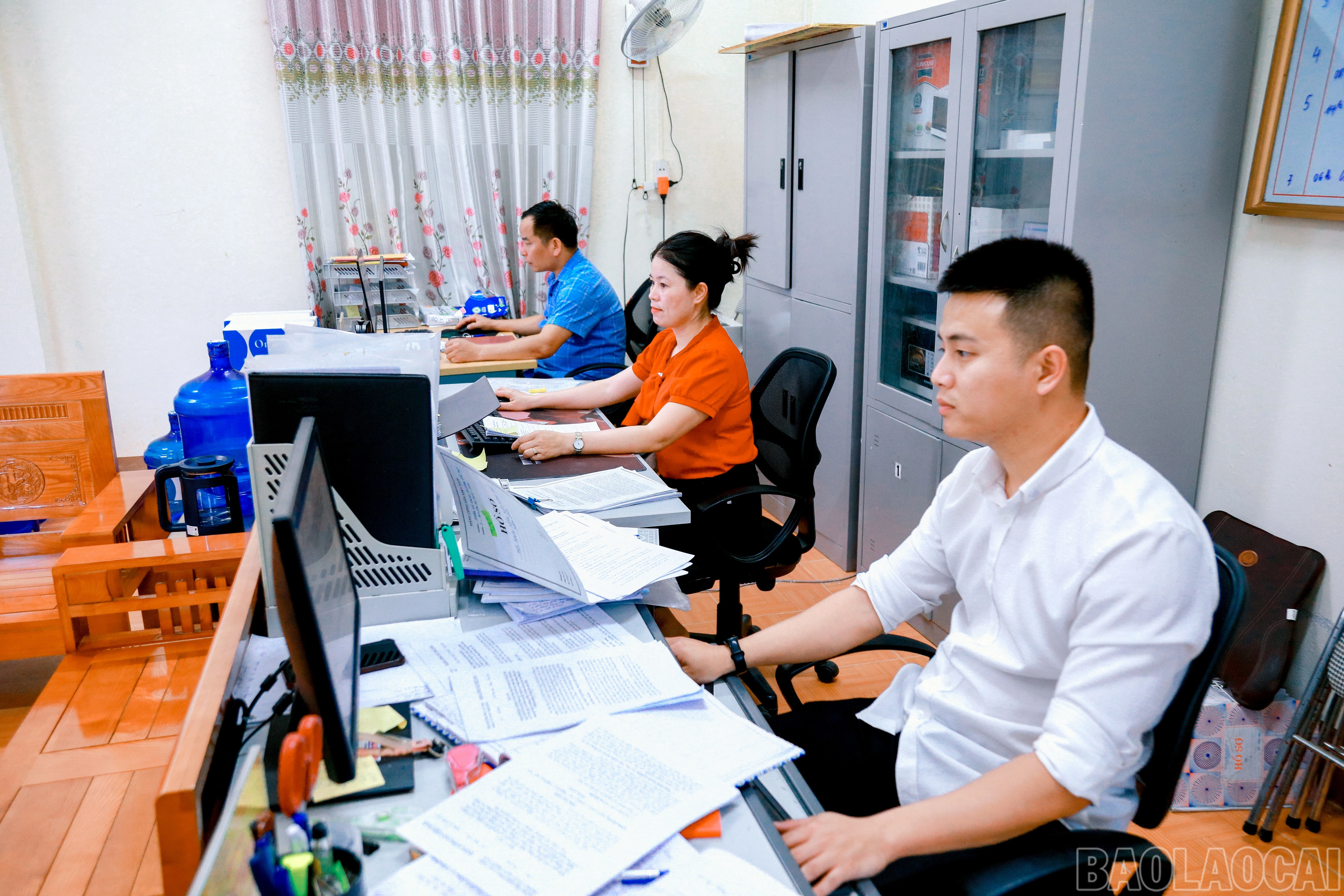
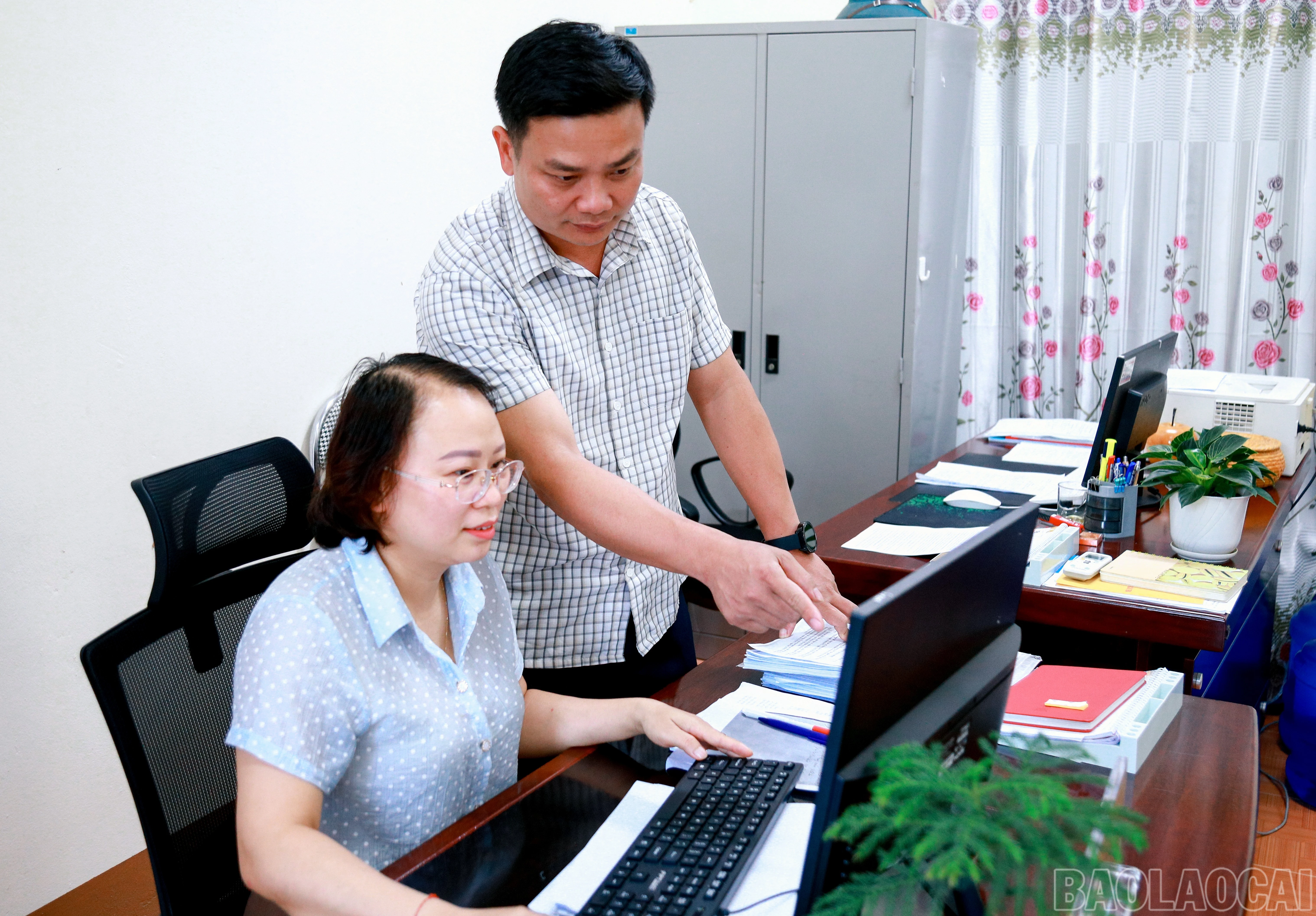
At the Public Administrative Service Center, several officials are still finalizing the last files of the day. Data is continuously updated on the electronic system via computer screens. Telephone calls for operational information ring constantly. Completed files are ready to be processed and results delivered to citizens the following morning.
Such scenes are no longer rare. They have become a familiar work rhythm in many communes and wards of Lao Cai province after the two-tiered local government model came into operation.
The biggest change isn't about doing more work, but about being more proactive in every decision. Previously, many tasks involved intermediaries for consultation and advice. Now, most tasks are assigned directly to the grassroots level. This requires officials to have a firm grasp of legal regulations, understand local realities, and take full responsibility for their decisions.
According to Comrade Mac Van Khai, Secretary of the Party Committee of Cau Thia Ward, the "6 clear" principle, which includes clear person, clear task, clear responsibility, clear time, clear product, and clear authority, has changed the way the entire system is managed.
"When responsibilities are clearly defined, work becomes faster and more efficient. People don't have to travel back and forth multiple times. Matters within the local authority's jurisdiction are resolved right at the grassroots level, eliminating the mentality of waiting or passing the buck," added Secretary Mac Van Khai.
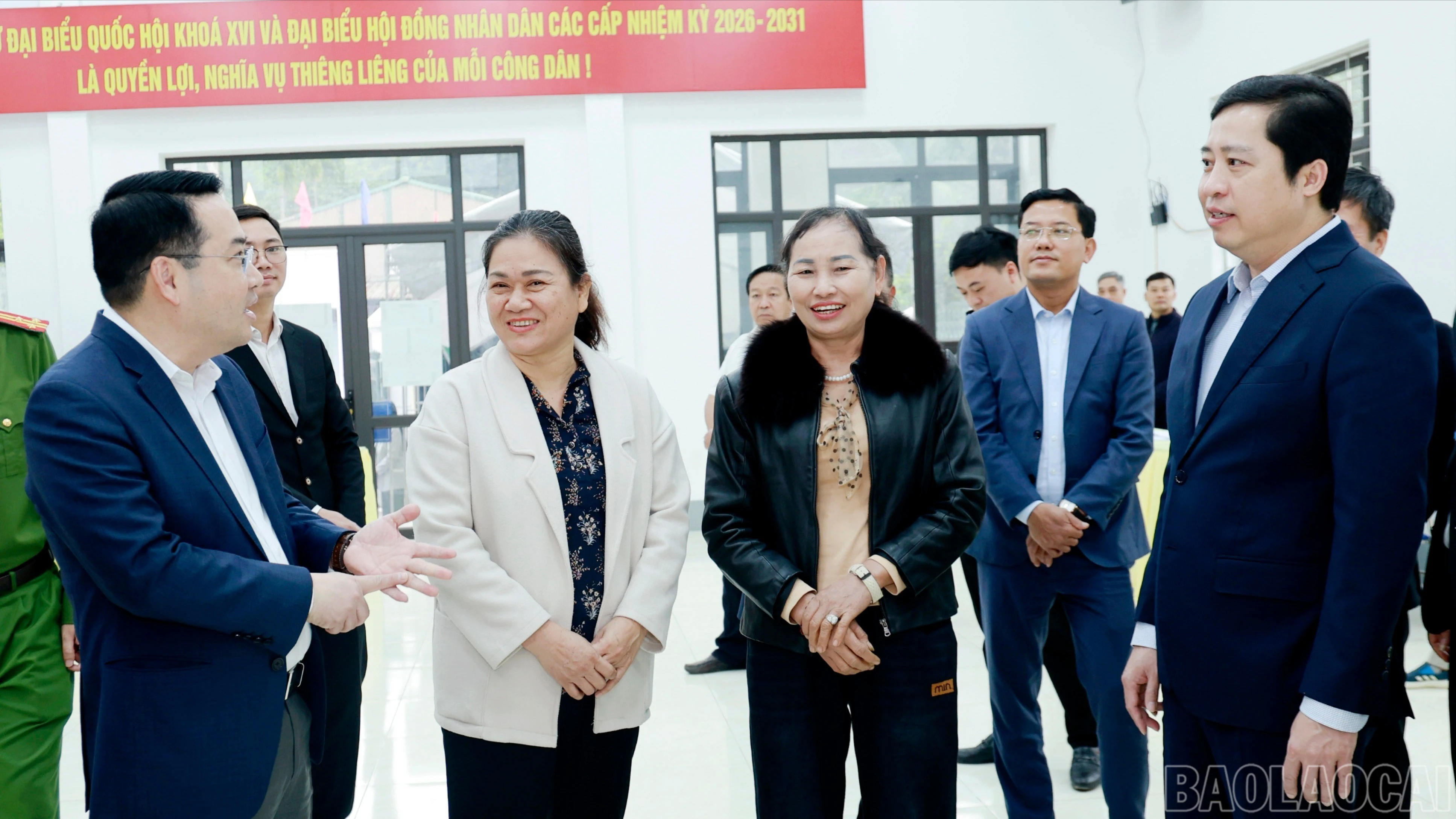
When an intermediate level is streamlined, the gap between the government and the people is narrowed. Previously, the commune level mainly carried out tasks according to decentralization, but now it has become the level directly handling most of the work related to citizens and businesses.
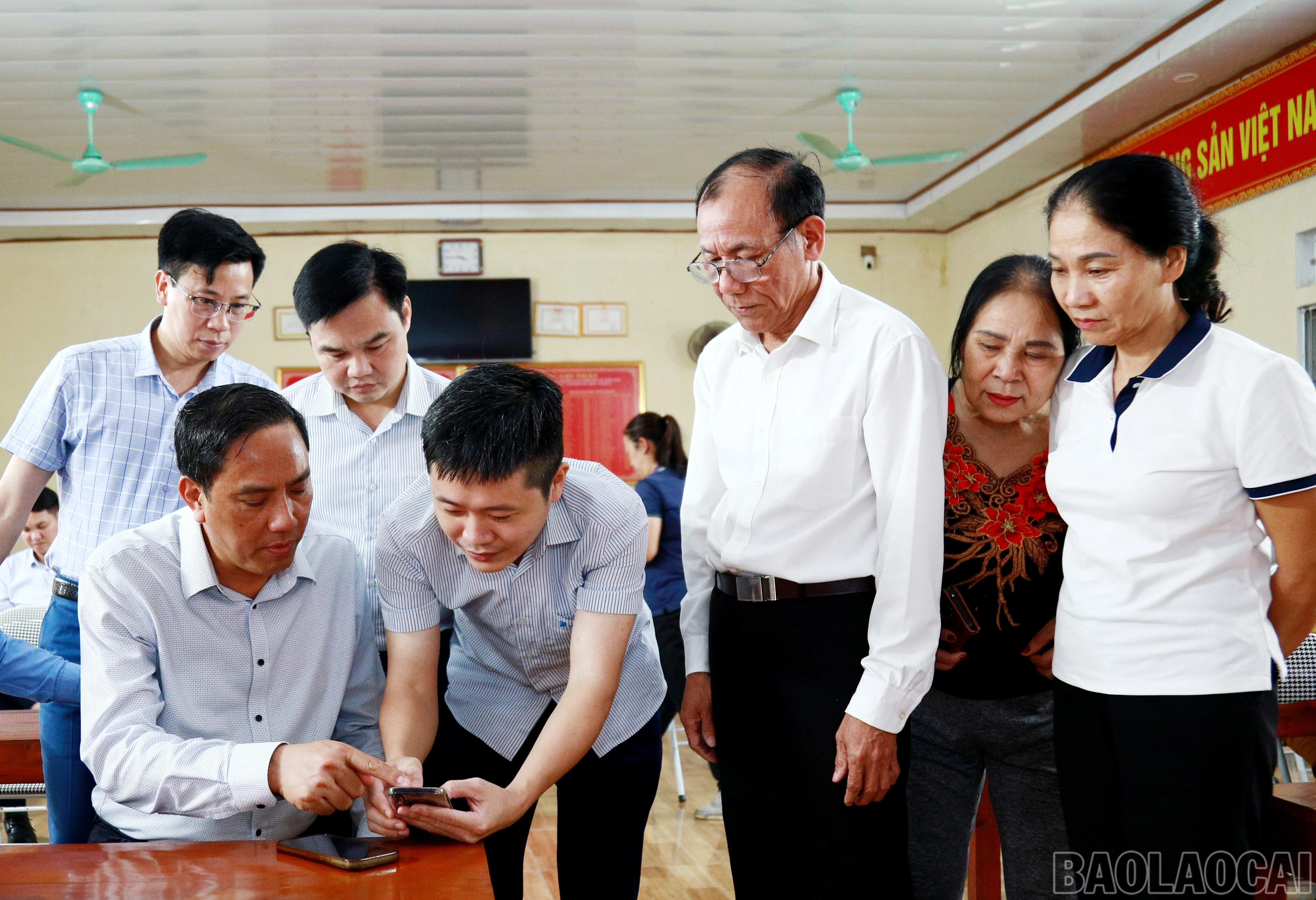
The increased workload was anticipated. But the greatest pressure isn't the sheer volume of paperwork or the extended working hours, but rather the fundamental shift in the role of local government.
Comrade Nguyen Ngoc Son, Chairman of the Tan Linh Commune People's Committee, recalled the early days of operating the new model: "In the beginning, our biggest concern was how to handle work according to regulations, while many areas were completely new and had been transferred. Without the district level in the middle, the commune had to directly handle and be directly responsible to the people. The pressure was immense, but it also motivated officials to change."
From the above, it is clear that when the government is closer to the people, the responsibilities of grassroots officials become even heavier. Every delayed document, every mistake in the performance of official duties, becomes the first test of the reform process. This requires the team of officials directly at the grassroots level to have sufficient capacity to translate policies and resolutions into concrete results in life.
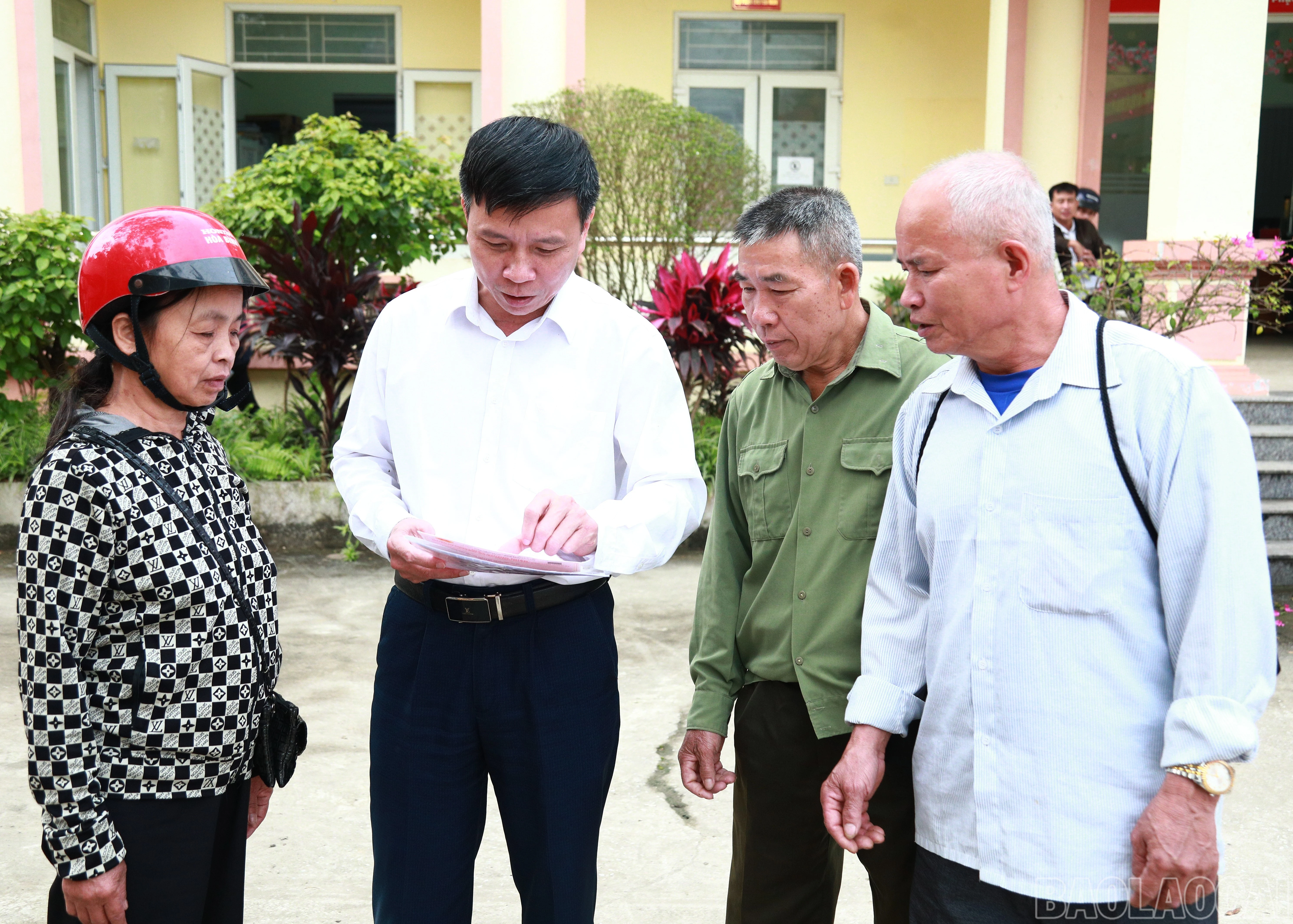
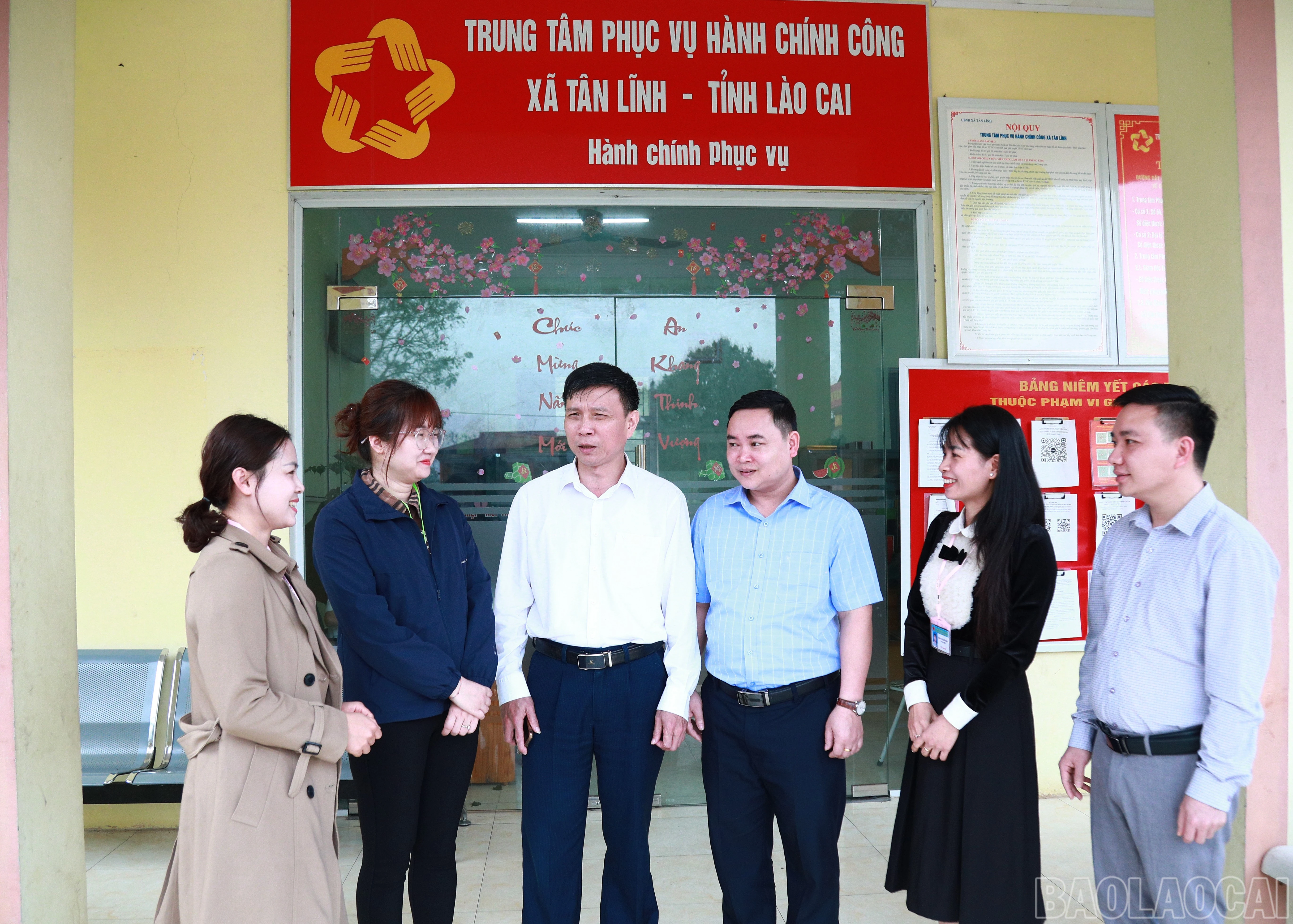
Looking solely at the physical infrastructure, many might think the biggest challenge after the restructuring was the lack of office space or equipment. However, after a year of operation, it's clear that these difficulties are only the tip of the iceberg. The greater challenge lies in the people themselves: the management mindset, working methods, and implementation capabilities of the staff.
With the elimination of intermediate levels, grassroots officials must directly undertake more specialized tasks, ranging from land management, investment and construction, and land clearance to digital transformation, administrative reform, and handling complaints and denunciations.
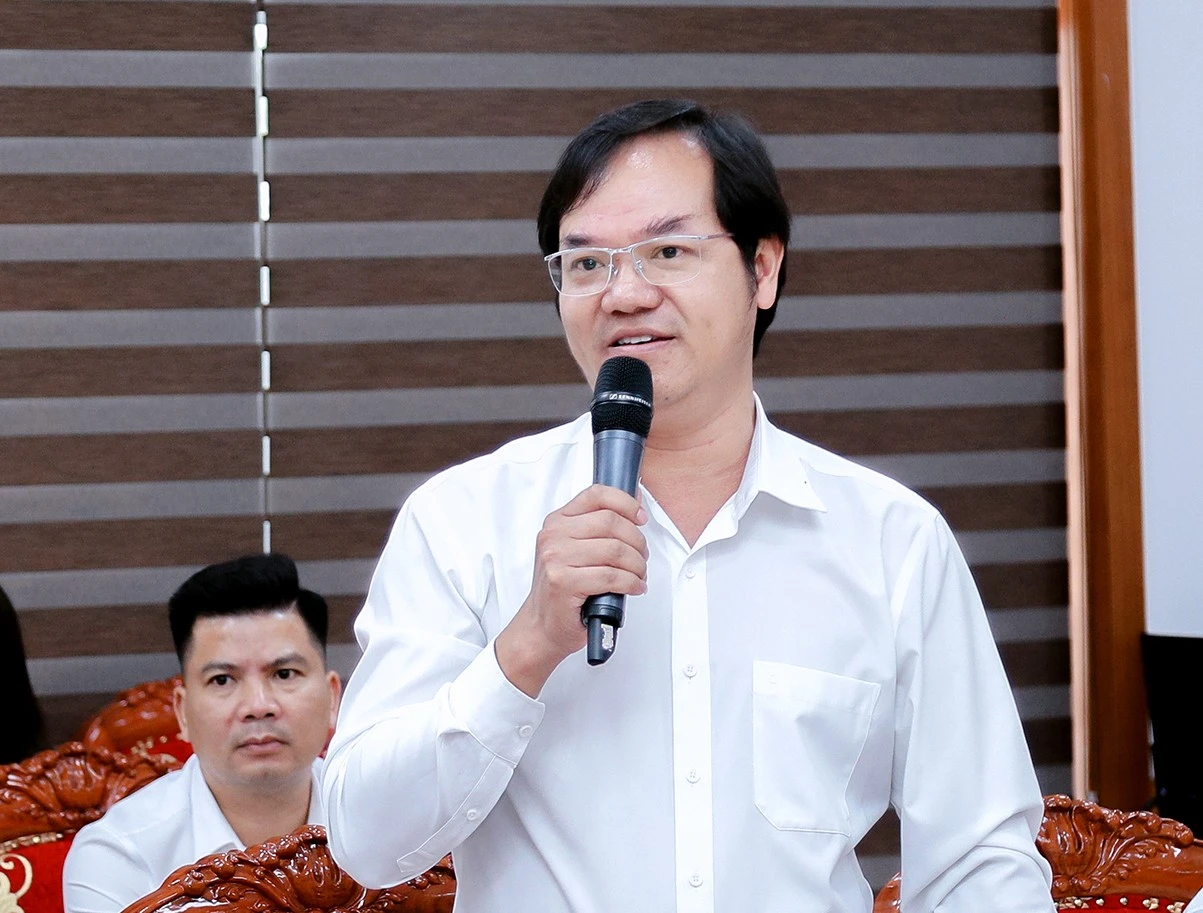
"There were times when we almost had to relearn everything from scratch. We handled work during the day and studied documents and updated ourselves on new regulations in the evenings. There were areas that previously belonged to the district level, but now the commune had to handle them directly. No one allowed themselves to be confused, because behind every file were the rights and interests of the people."


What is commendable is that, instead of being intimidated by difficulties, the grassroots officials have chosen to adapt. Many have proactively improved their legal knowledge; researched and applied digital platforms, and promptly updated themselves on new regulations to meet job requirements… This process has unfolded quietly but persistently, giving vitality to the new system.
Comrade Do Cao Quyen, Chairman of the People's Committee of Mo Vang Commune, said: "If I had to use one word to describe the first year of the two-tiered local government model, I would choose 'maturity'. The pressure is greater, the responsibilities are more numerous, but it is precisely this pressure that forces each official to change. We have no other choice but to learn faster, be more decisive, and take on more responsibility."
That answer partly reflects the spirit of officials in many localities.
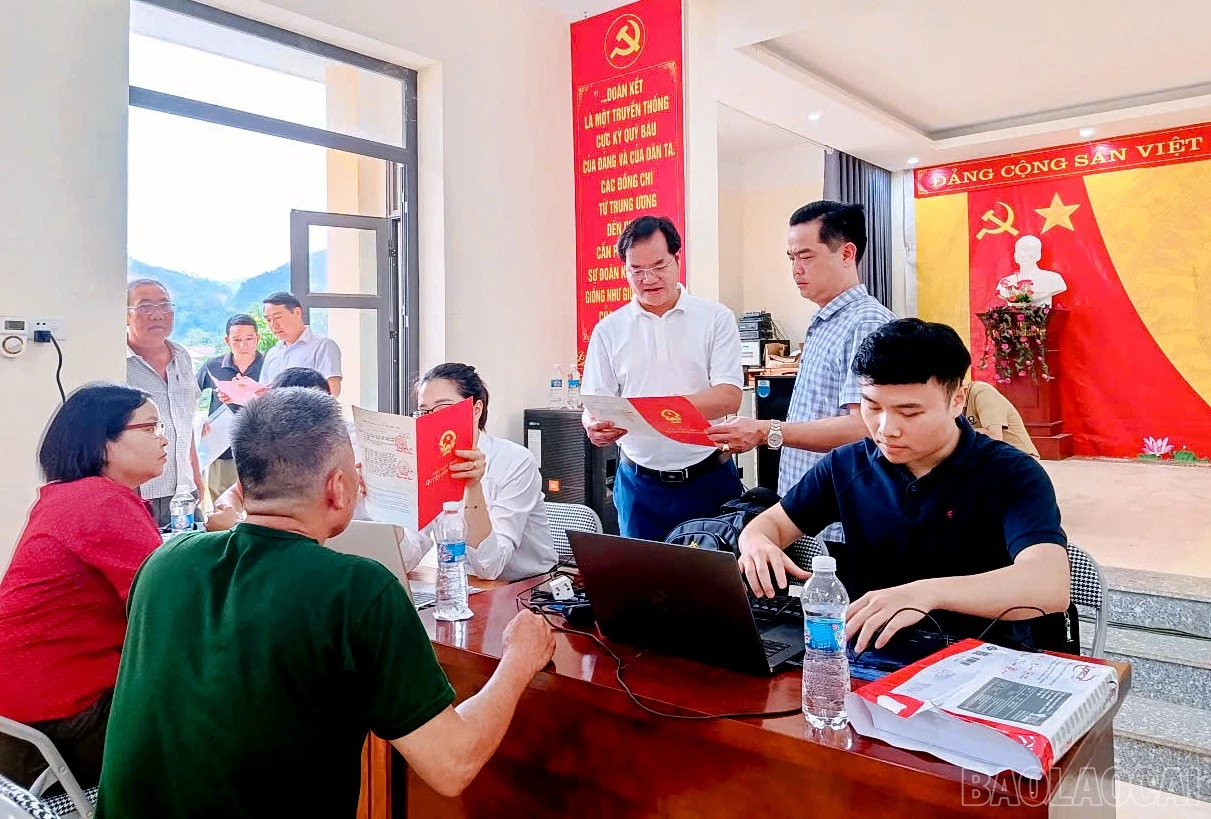
Practical experience is the most effective training ground for officials. No lesson is more valuable than directly addressing the problems of the people, and no measure is more objective than the satisfaction of the people after each administrative procedure. The goal is not only to form a team proficient in procedures, but also to build a team with sufficient competence, courage, and responsibility to effectively handle issues arising from the grassroots level.

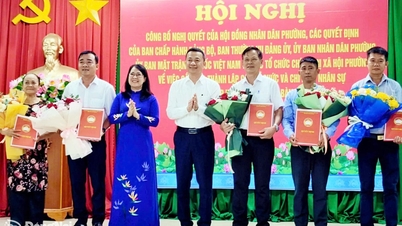
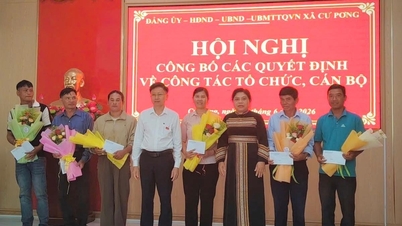
The reforms not only changed the administrative apparatus but also directly impacted the lives of thousands of officials and civil servants. Many had to relocate, change job positions, move from management to specialist roles, or voluntarily retire. Behind each organizational decision are very ordinary stories.
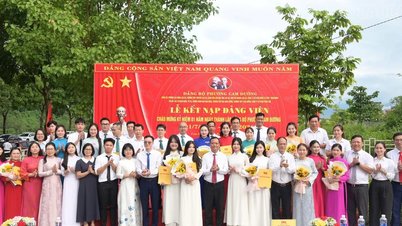
Comrade Le Thanh Hung, Chairman of the People's Committee of Dong Cuong commune, recalled: "Initially, everyone had concerns about leaving the environment they had been attached to for many years. But when we determined that this was a major policy for the long-term development of the locality, the most important thing was to work together to overcome the challenges. If everyone puts the common good first, then any difficulty can be overcome."
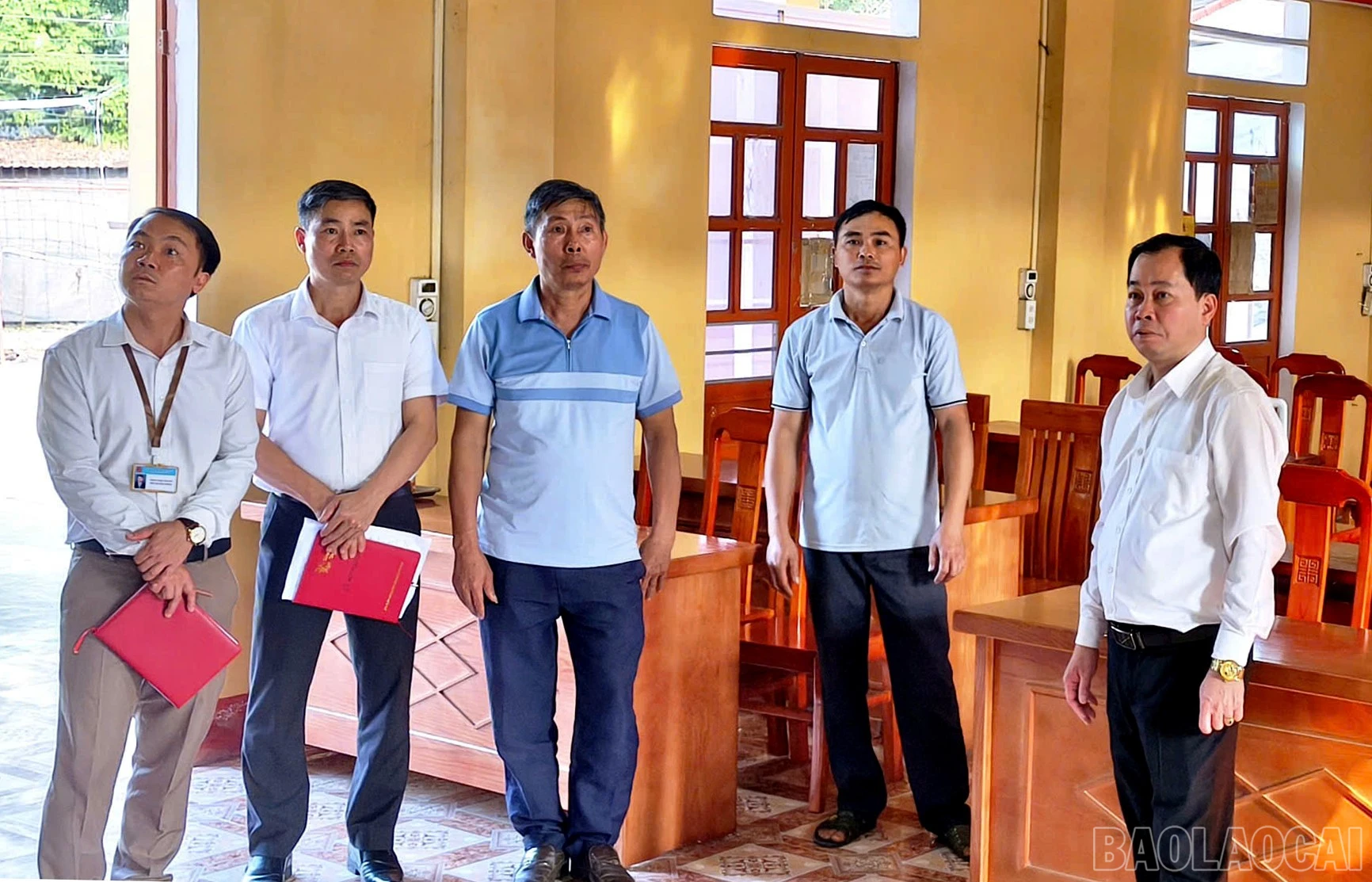
This consensus has created something truly remarkable. A large-scale reform, directly impacting thousands of people, yet maintaining the stability of the entire political system, with policies implemented quickly and addressing the practical needs of the people in a timely manner. This is not only the result of a rational organizational structure. More importantly, it is the result of early ideological work; of openness and transparency in organizational restructuring; of the full implementation of policies and regulations; and above all, of the spirit of prioritizing local interests over personal interests.
This practice once again affirms a principle of all reforms: a decision can be made in a day, but for that decision to be implemented, it always requires people's consensus. Because that is the decisive factor in the success of any innovation.

If the biggest challenge of the reform lies in the implementation capacity of grassroots officials, then the question is: how can communes and wards that have just taken on a larger workload quickly adapt to the new model? Lao Cai did not choose to assign tasks and then wait for results. What the province chose was to work together.
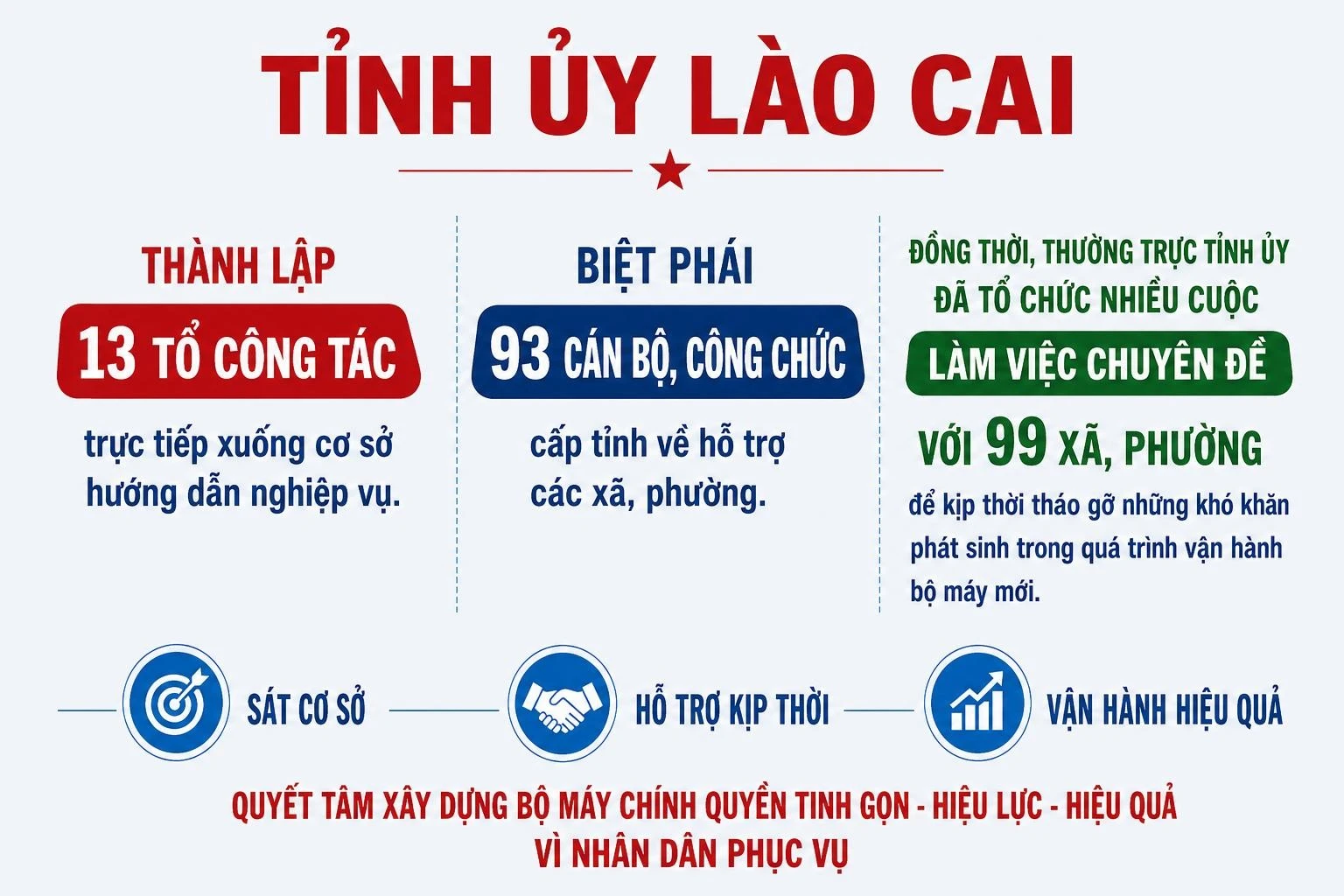
Therefore, right from the early days of operating the two-tiered local government model, the Provincial Party Committee established 13 working groups to directly go down to the grassroots level to provide professional guidance; and seconded 93 provincial-level officials and civil servants to support communes and wards.
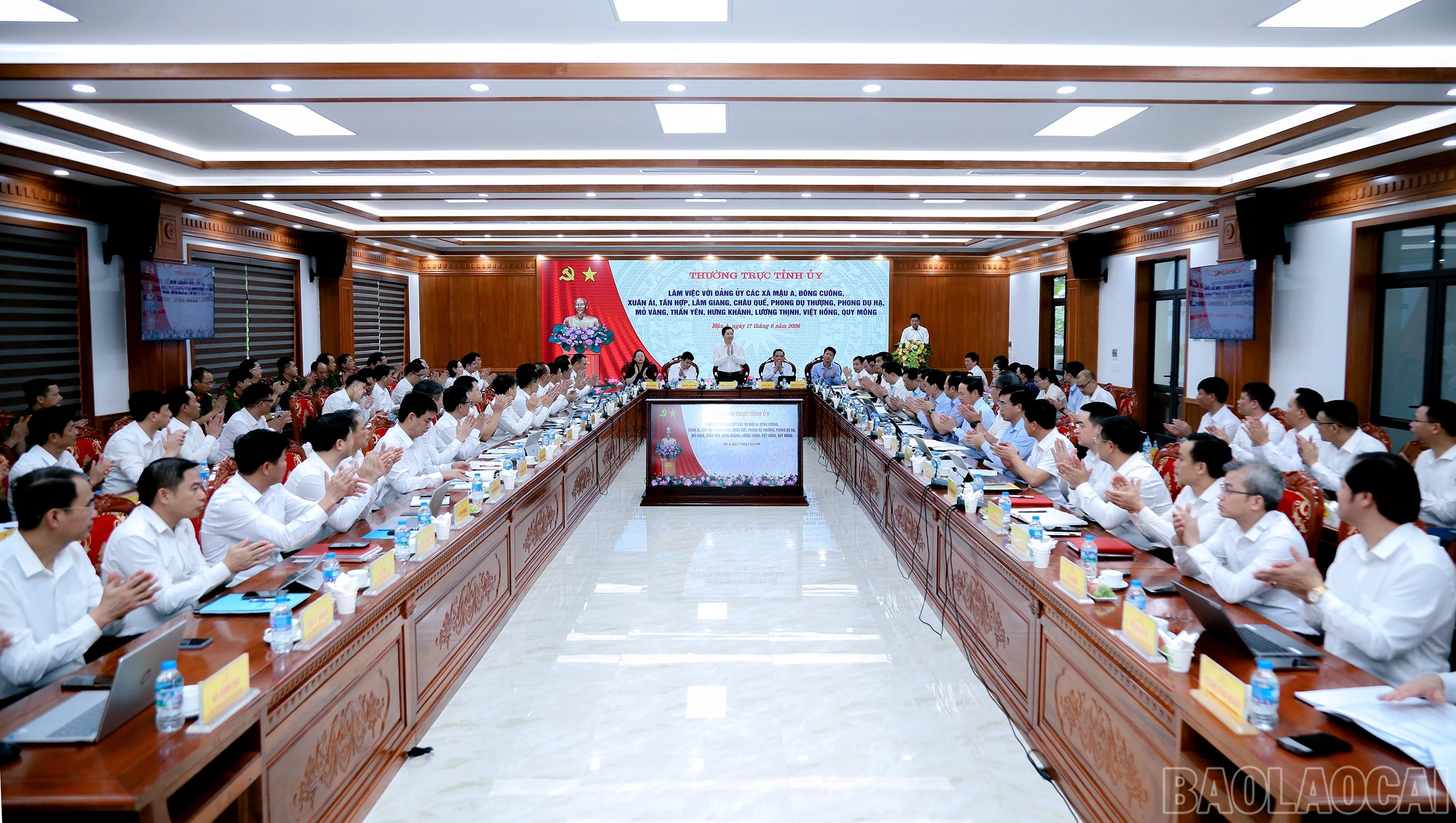
At the same time, the Standing Committee of the Provincial Party Committee organized numerous thematic working sessions with 99 communes and wards to promptly resolve obstacles arising during the operation of the new administrative apparatus. Issues ranging from public assets, organizational structure, administrative procedures to public investment disbursement, digital transformation, etc., were all reviewed and addressed at the grassroots level.
These are not just organizational solutions, but a leadership approach for a major reform.
The province's stance is to ensure that no commune or ward is left to "fend for itself." Decentralization and delegation of power must be accompanied by enhanced guidance, support, and inspection. The province requires departments and agencies not only to manage according to their functions but also to work alongside the grassroots, promptly resolving any arising obstacles so that the new system operates smoothly and best serves the people and businesses.
That message was quickly translated into very practical actions.
Online meetings between the province and local authorities are held regularly. Leaders of departments and agencies directly visit the localities to provide guidance on each operational aspect.
Any issues beyond the authority of the commune level are received and processed in the shortest possible time. Many local officials call this a "hands-on" approach.



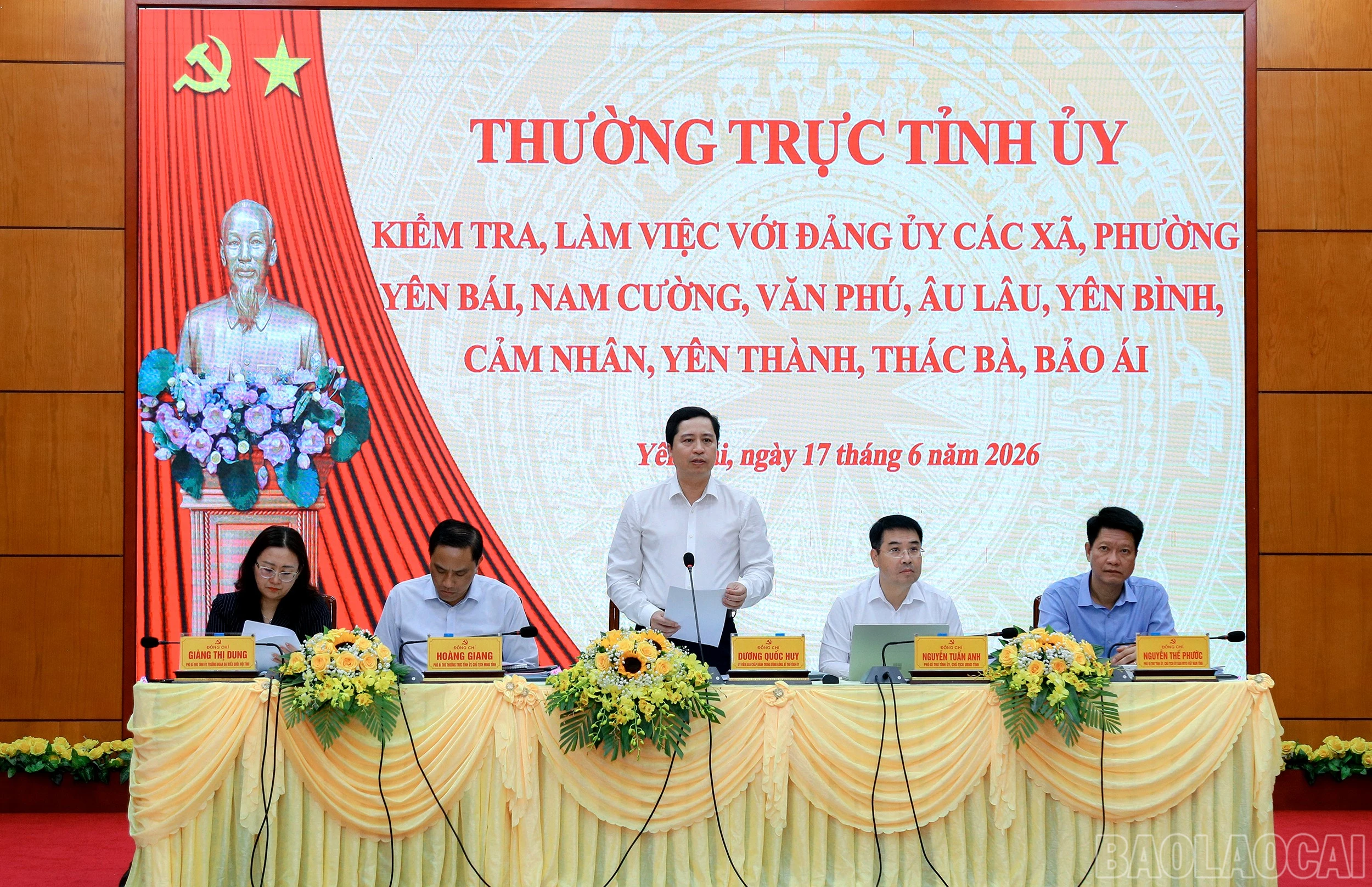
Behind this approach lies a consistent mindset: reform is not about assigning more tasks to local units, but about creating the conditions for them to have the capacity to fulfill new tasks. This is also one of the most valuable lessons learned after the first year of the system's operation.

9 PM. Night mist descends upon the mountain ranges. From Muong Khuong, Mu Cang Chai, Luc Yen to Cau Thia, many commune and ward People's Committee offices remain brightly lit. Behind the glass windows, unfinished files and data are continuously being updated into the system. Outside, the mountainous region is enveloped in silence; inside, the work is far from over.
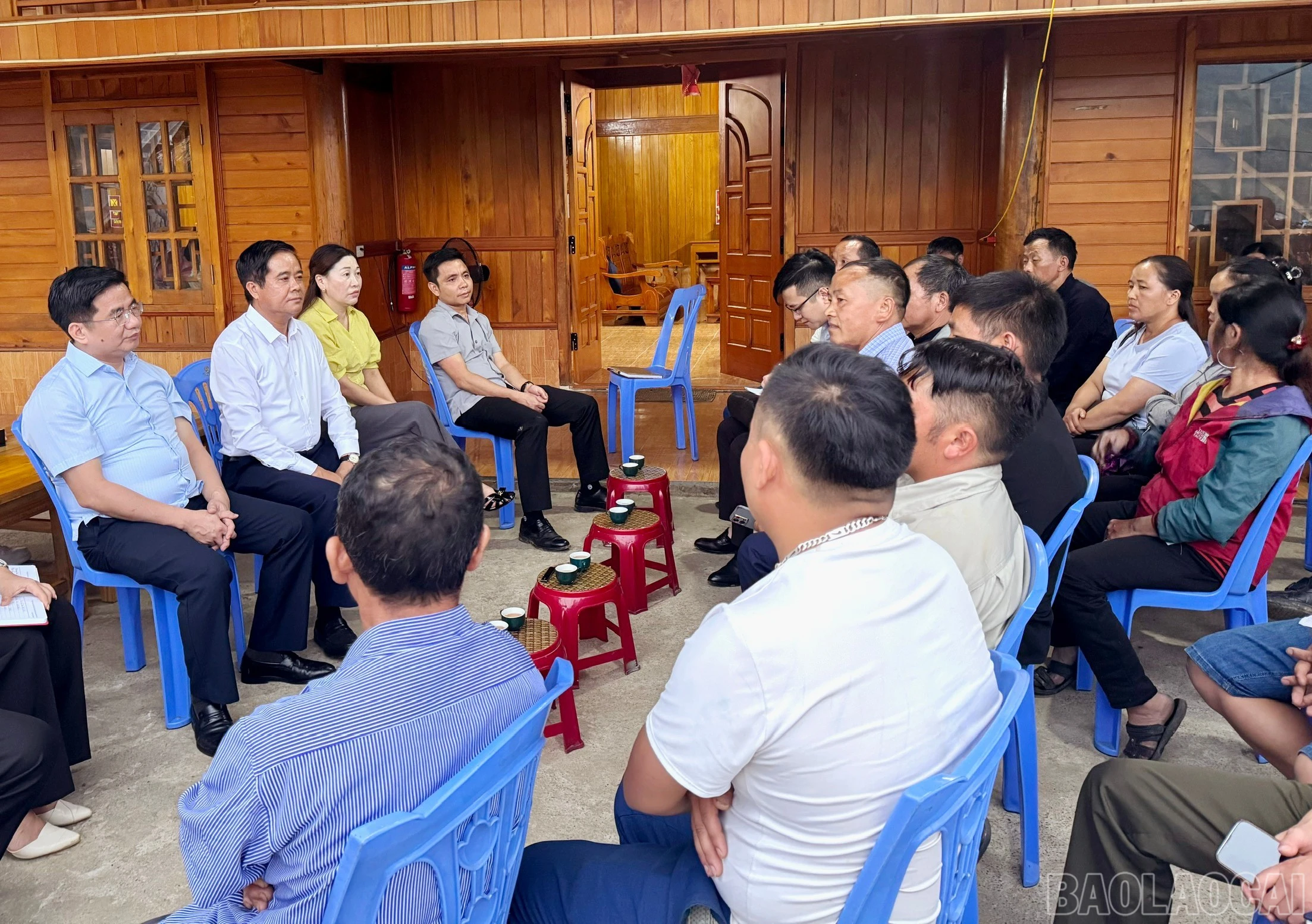
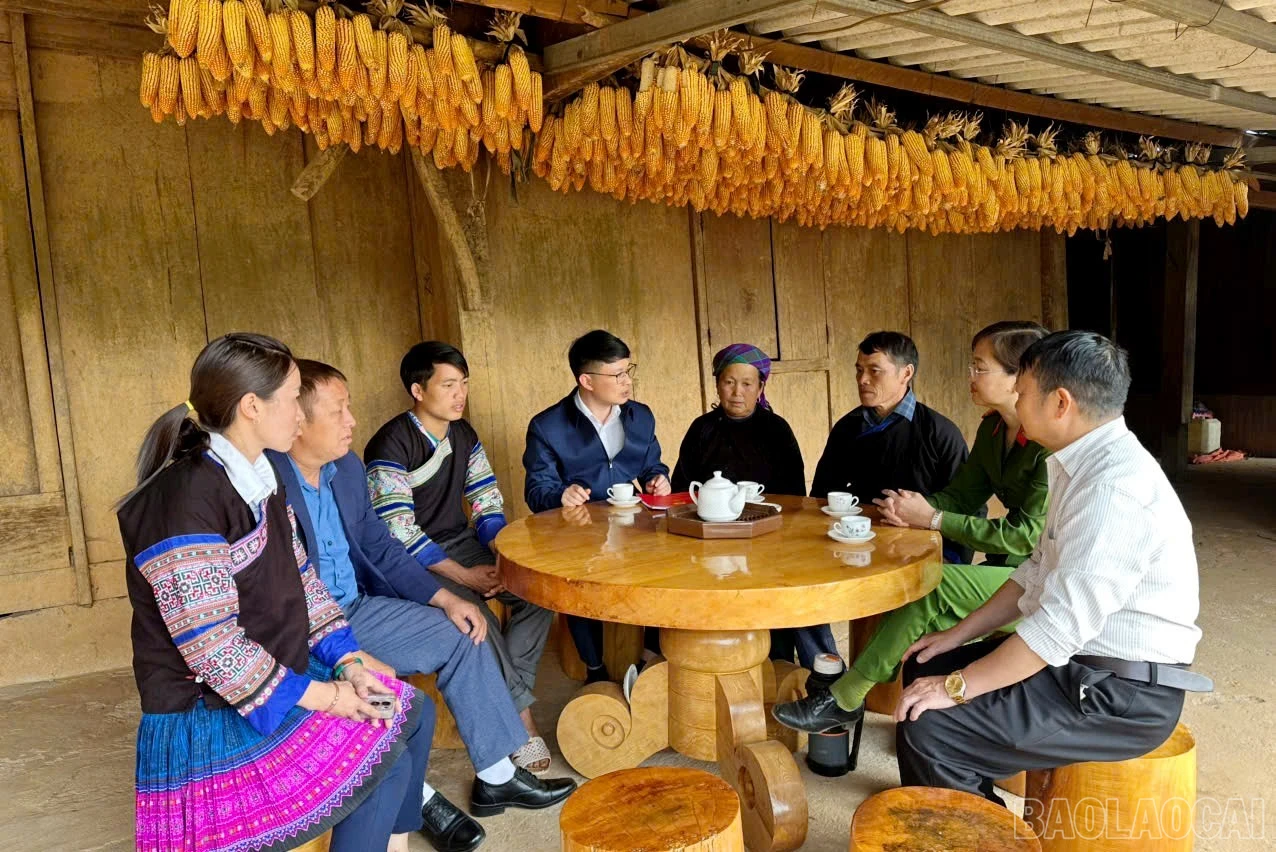
Those lights may seem like a very ordinary sight. But after a year of operating the two-tiered local government model, they take on a different meaning. They represent the light of responsibility, of the spirit of innovation, and of the people who are quietly transforming the Party's major policies into concrete actions to serve the people.
The first 365 days after the merger showed that the new apparatus had gradually proven its effectiveness in practice. These initial results provide a foundation for further improving the governance model, maximizing the efficiency of the streamlined apparatus, and building a service-oriented administration. This also marks the path forward for the years to come.
With the initial results after a year of consolidation, Lao Cai is gradually responding by continuing to refine the new governance model, where the government operates efficiently, effectively, and effectively; the people and businesses truly become the center of service; and every management decision is aimed at the highest goal of rapid, sustainable development and improving the quality of life for the people.
Final article: "From unprecedented reforms to a new model of governance"
Source: https://baolaocai.vn/bai-2-thu-lua-mot-cuoc-cai-cach-post902866.html
![[Image] National conference summarizing one year of operation of the overall organizational model of the political system, the three-tiered government model.](https://vphoto.vietnam.vn/thumb/1200x675/vietnam/resource/IMAGE/2026/07/01/1782882811691_ndo_br_1-jpg.webp)