Standing between two development models
After a decade marked by eight successive presidents, Peruvian voters entered the second round of the presidential election hoping to lift the country out of prolonged political instability. The two remaining candidates represent differing approaches to the South American nation's development.
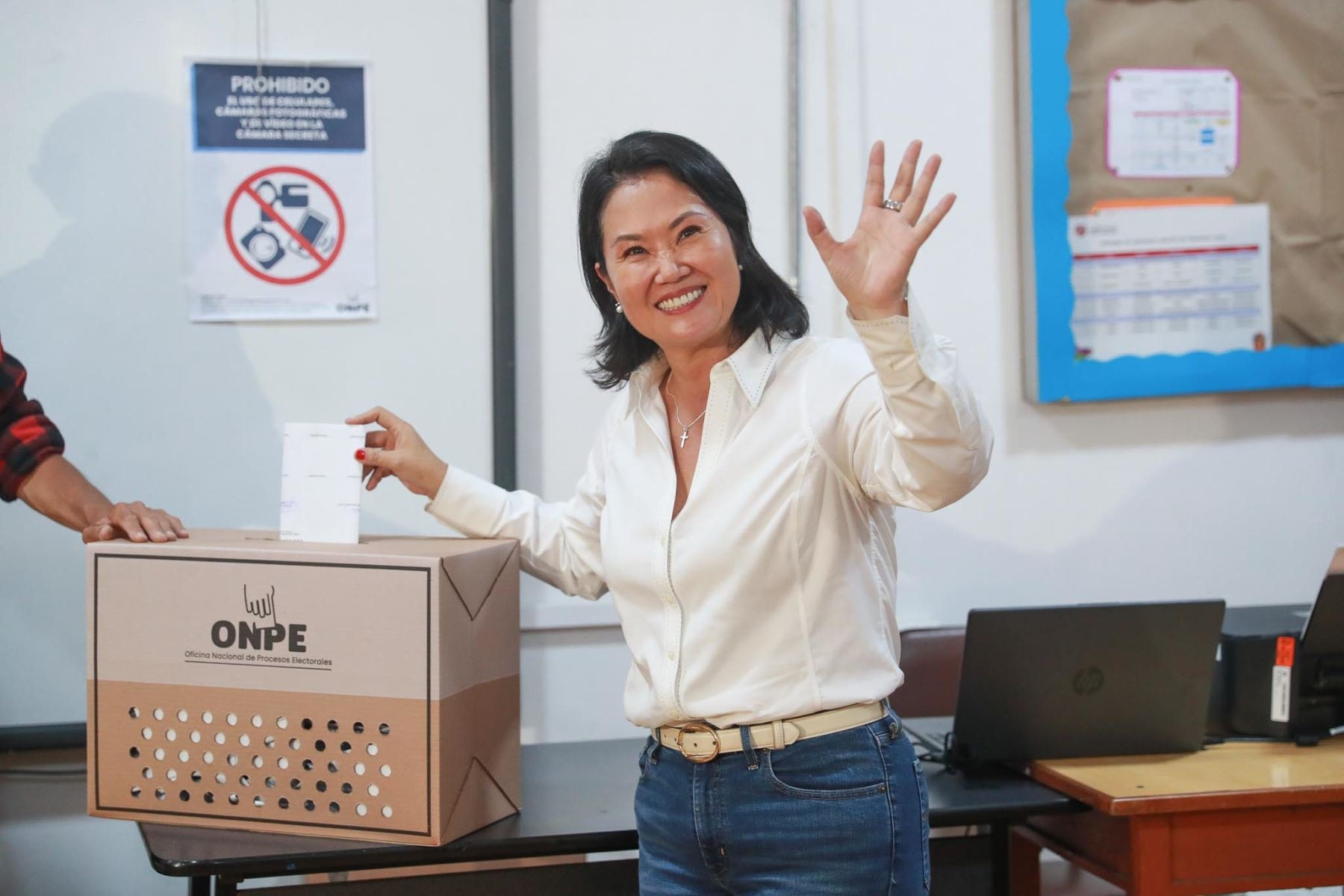
Keiko Fujimori, leader of the People's Force party and daughter of former President Alberto Fujimori, advocates for the continuation of the market economy model that has fueled Peru's growth for over two decades. Meanwhile, Roberto Sánchez, a left-wing politician and former minister, enjoys significant support from rural areas and low-income groups. He proposes adjusting the development model to strengthen the state's role in reducing inequality and expanding access to public services.
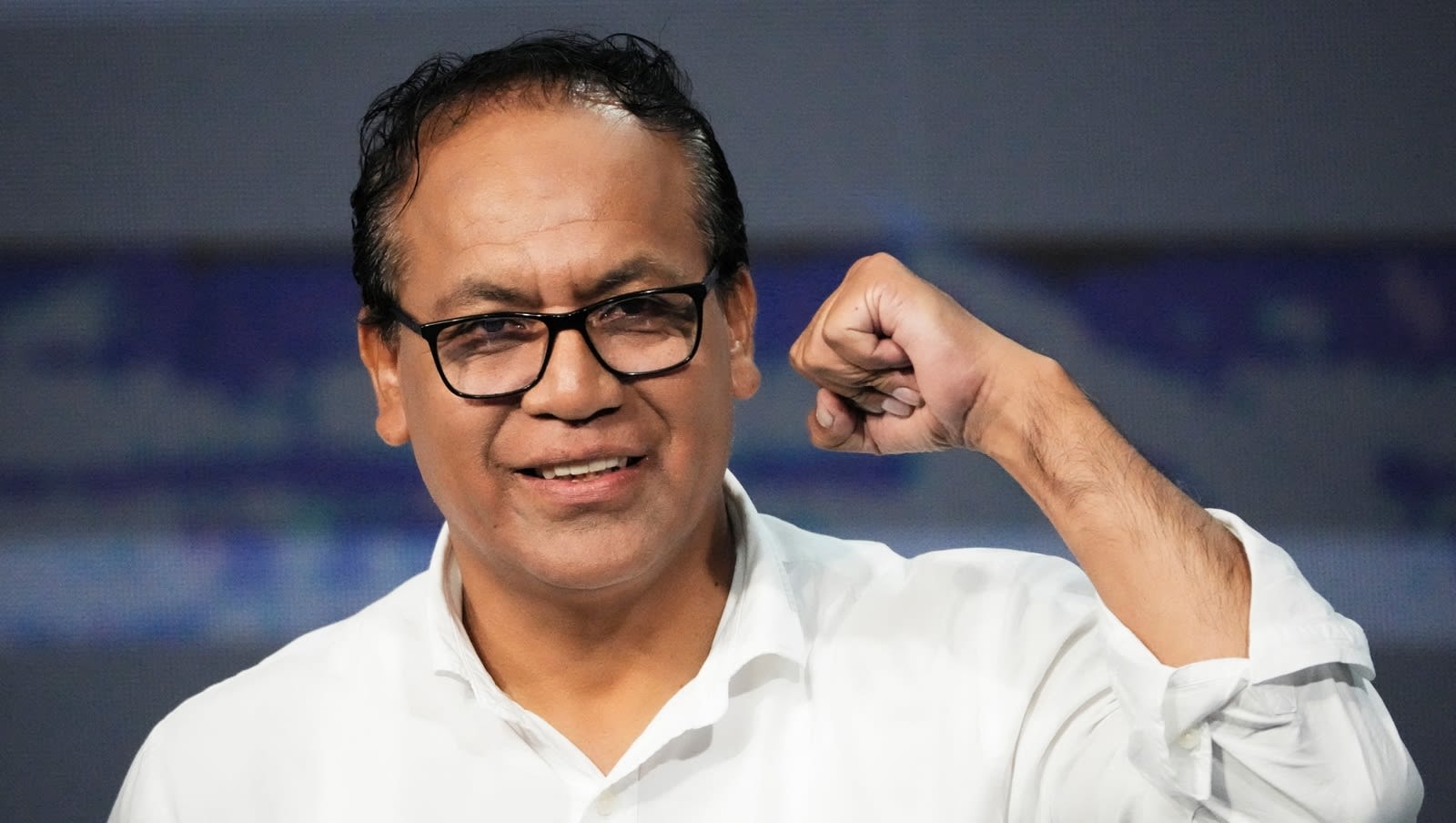
The latest polls show a very close race. A poll released by Ipsos on June 5th showed Sánchez receiving 43.8% support, while Fujimori garnered 43.2%, a difference within the margin of statistical error. This development reflects the fierce competition between the two candidates and also highlights the significant polarization within Peruvian society.
According to observers, regardless of who wins, the next president will inherit a country with significant strategic advantages. Amidst increasing competition between the US and China for essential mineral resources needed for energy transition and high-tech development, Peru is emerging as a crucial link in the global supply chain.
Peru is currently among the world's leading producers of copper, silver, zinc, tin, and gold. These minerals are also attracting significant international investment as demand for raw materials to power electric vehicle batteries, renewable energy infrastructure, and various technology sectors continues to grow.
Peru's geoeconomic position is further strengthened by the Chancay port project, invested in by China with approximately $3.5 billion. The project is expected to become a crucial logistics hub, contributing to enhanced direct connectivity between South America and Asian markets, and significantly shortening shipping times between Peru and China.
Besides mining, Peru is also emerging as a rapidly developing agricultural hub in the region. The value of agricultural exports increased from $748 million in 2002 to approximately $12.3 billion in 2024, reflecting the strong expansion of internationally-oriented production sectors such as fruits, vegetables, and processed foods.
Thanks to these factors, Peru enters 2026 in a favorable geoeconomic position. Abundant resources, increasing global demand for strategic minerals, and an international food market are opening up significant growth opportunities for this South American nation. However, transforming these resource advantages and strategic location into sustainable development will largely depend on the governance capacity and effectiveness of the new administration.



Challenges for the future president
In terms of development potential, Peru possesses many significant advantages. However, the ability to transform those advantages into sustainable growth depends on governance capacity and the stability of the political system, an area where this South American nation still faces considerable challenges.
The 2026 election clearly reflects the declining confidence of voters in Peru's political class. In the first round, held in April, Keiko Fujimori only secured about 17% of the valid votes, while Roberto Sánchez received around 12%. More than 70% of voters chose other candidates among the 35 contestants.
This result shows that neither candidate possessed a truly solid base of support. Therefore, the second round was not simply a competition between two individuals or two specific action programs, but also reflected deep debates about the economic development model that has shaped Peru for more than two decades.
For a long time, Peru has been considered one of the most stable growing economies in Latin America. GDP per capita increased from under $2,000 in the early 2000s to over $8,400 in 2024. Economic growth has remained relatively stable, foreign investment continues to flow into the economy, and basic macroeconomic balances are ensured.
For the urban middle class, particularly in Lima and other major economic centers, this model has brought about significant improvements in income, employment, and business opportunities. This is also the group of voters who tend to support Ms. Fujimori, due to concerns that major policy changes could affect the economic achievements already made.
However, in many rural, mountainous areas and indigenous communities, the benefits of economic growth have not been evenly distributed. The informal labor force remains high, the quality of health and education services is still limited, and development disparities between regions have not narrowed significantly.
For this segment of the electorate, GDP growth figures or export figures do not fully reflect improvements in living standards. Although investment continues to flow into mining and infrastructure, the state's presence in essential public services remains limited. This also formed the basis of Mr. Sánchez's campaign message. Initially, he proposed sweeping reforms, including constitutional amendments and strengthening the state's role in resource management. However, ahead of the second round, he adjusted his message to a more moderate direction to appeal to centrist voters and alleviate concerns from investors.
According to observers, regardless of who wins, the lessons from a decade of political instability remain relevant. The protracted confrontations between the president and Congress in recent terms have contributed to a vicious cycle of crisis, leading to frequent leadership changes in Peru, undermining policymaking effectiveness, and limiting the ability to capitalize on development opportunities.



In this context, victory in this election can hardly be seen as an absolute mandate from voters for any candidate. The voting results partly reflect the deep differences between those who have benefited more from economic growth and those who believe they have not received the fruits of development in proportion.
If Mr. Sánchez wins, the immediate challenge will be to consolidate the confidence of the middle class and the business community, while ensuring Peru continues to maintain a stable investment environment and deep integration with the global economy. Conversely, if Ms. Fujimori wins, the crucial task will be to demonstrate that the current economic model can create more inclusive development, expand access to development resources, and improve the efficiency of public service delivery for disadvantaged groups.
Beyond the election results, the ability to form a governing coalition broad enough to reduce political divisions and strengthen social consensus will be a key factor in determining whether Peru can capitalize on the wave of investment in strategic minerals, boost infrastructure development, and enhance its international standing.
Peru's next president will inherit a resource-rich nation with a thriving agricultural export sector and an increasingly important role in the global geopolitical landscape. However, Peru's core challenge today lies not in its resources for development, but in its governance capacity and ability to maintain political stability to transform these existing advantages into sustainable growth drivers.
Source: https://daibieunhandan.vn/bau-cu-tong-thong-peru-truc-lua-chon-quyet-dinh-10419534.html
![[Photo] Strengthening character and expertise: Intense training for artillery soldiers.](https://vphoto.vietnam.vn/thumb/1200x675/vietnam/resource/IMAGE/2026/06/30/1782815602541_lu-368-1875-4571-jpg.webp)