


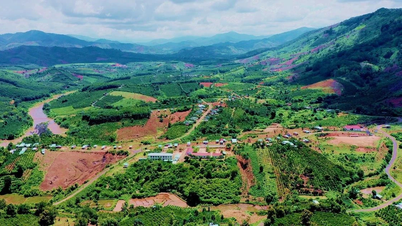
According to the elders in Suoi Giang, for hundreds of years, tea plants have become an indispensable part and a cultural symbol of this beautiful and majestic mountainous region.
Tea plants grow everywhere, on hills, in gardens, forming forests covering nearly 500 hectares, including about 40,000 ancient trees ranging from 100 to 500 years old. This is a "treasure" preserved through many generations, intimately connected to the Mong ethnic people here.
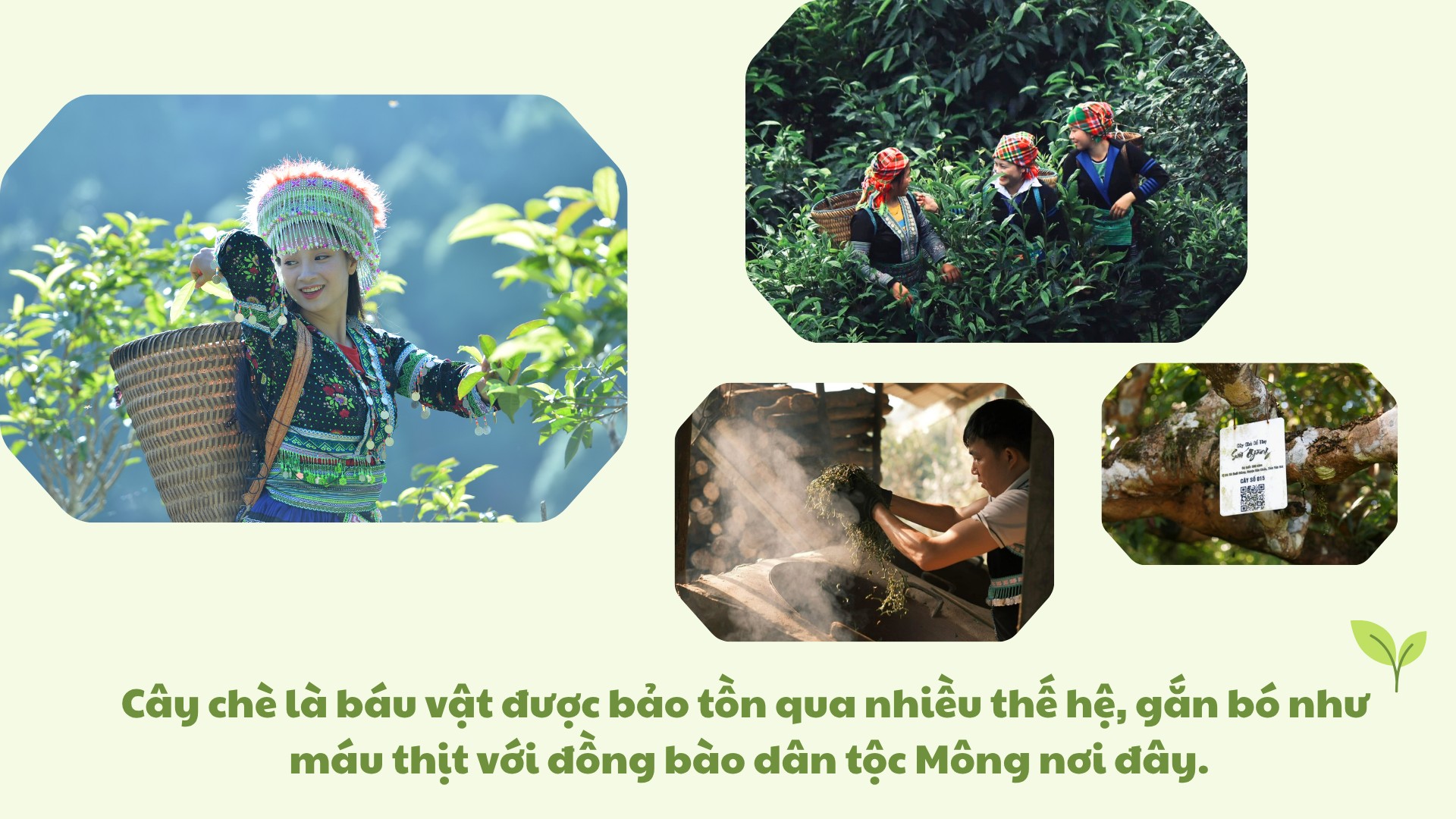
Because of this close relationship, local authorities, businesses, and people have joined forces to carry out a "revolution" in preserving, upgrading, and developing the tea industry, turning traditional tea-making into a sustainable livelihood, and expanding the Suoi Giang tea brand both domestically and internationally.
Mr. Nguyen Huu Luc, Chairman of the People's Committee of Van Chan commune, said: "The local government's policy is not to expand the area indiscriminately, but to focus on replanting and improving the existing tea plantations, especially preserving rare ancient tea trees, demarcating and protecting natural Shan Tuyet tea, and supporting the issuance of VietGAP, organic, and GlobalGAP certifications."
In addition, the commune has installed numbered signs, recorded information, created tracking logs, developed digitized diagrams, promoted traceability, and applied science and technology. People have been trained in standard harvesting techniques, limiting the use of chemicals. In particular, the signing of contracts and guaranteed product sales at high prices has accelerated the change in mindset and practices among the local people.”
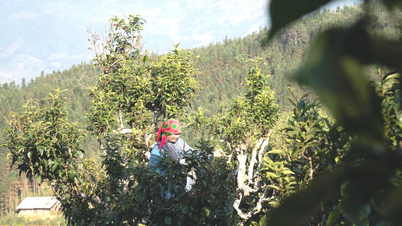
The tea plants in Suoi Giang grow naturally on mountaintops over 1,300 meters above sea level, thriving on the earth's moisture, dew, and the "spiritual energy" of the land and sky. Therefore, they don't require much care to grow and survive for hundreds of years. The crucial issue is cultivation and harvesting methods that ensure each tea bud retains its full essence.
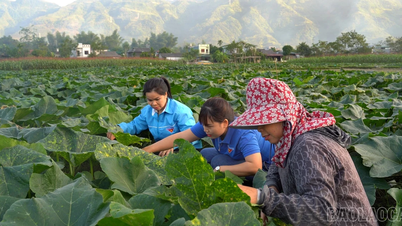
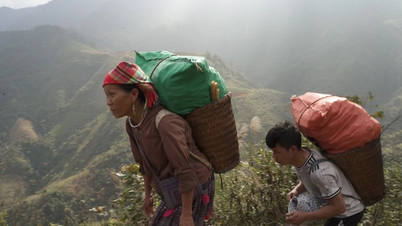
Ms. Sung Thi Bau from Pang Cang village shared: “Previously, everyone cared for and harvested tea leaves freely. But now, after training, we have to switch from pruning to thinning so that the plants grow healthier and live longer. We have to harvest according to standards, at the right time, and very gently so as not to damage the white layer of frost covering the tea buds… only then will businesses and cooperatives buy them. But in return, the price is many times higher than before.”
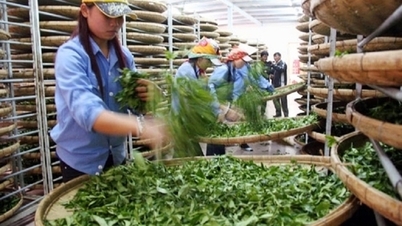
High-quality raw materials, combined with modern processing techniques and the traditional expertise of the Hmong people, have created an exceptional tea that, despite undergoing roasting, drying, rolling, and fermentation processes, retains its pristine white layer, has a honey-yellowish-green color when brewed, and boasts a mild astringency and a deep, lingering sweetness.
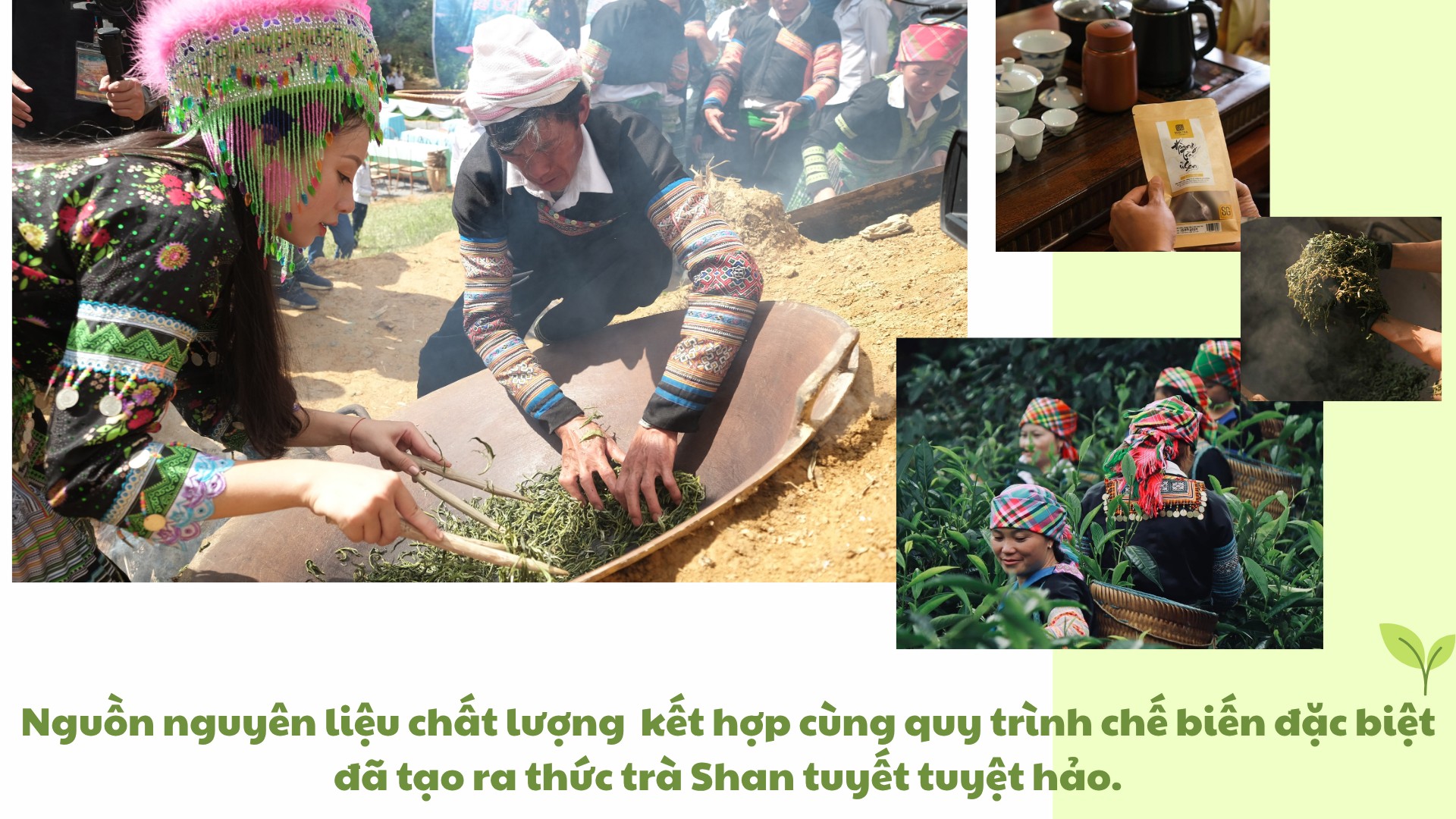
The unique and unmistakable quality of Suoi Giang Shan Tuyet tea lies not only in its ancient origins and the meticulous care taken in each stage of tea-making, but also in the way the local people tell their own stories through tea.
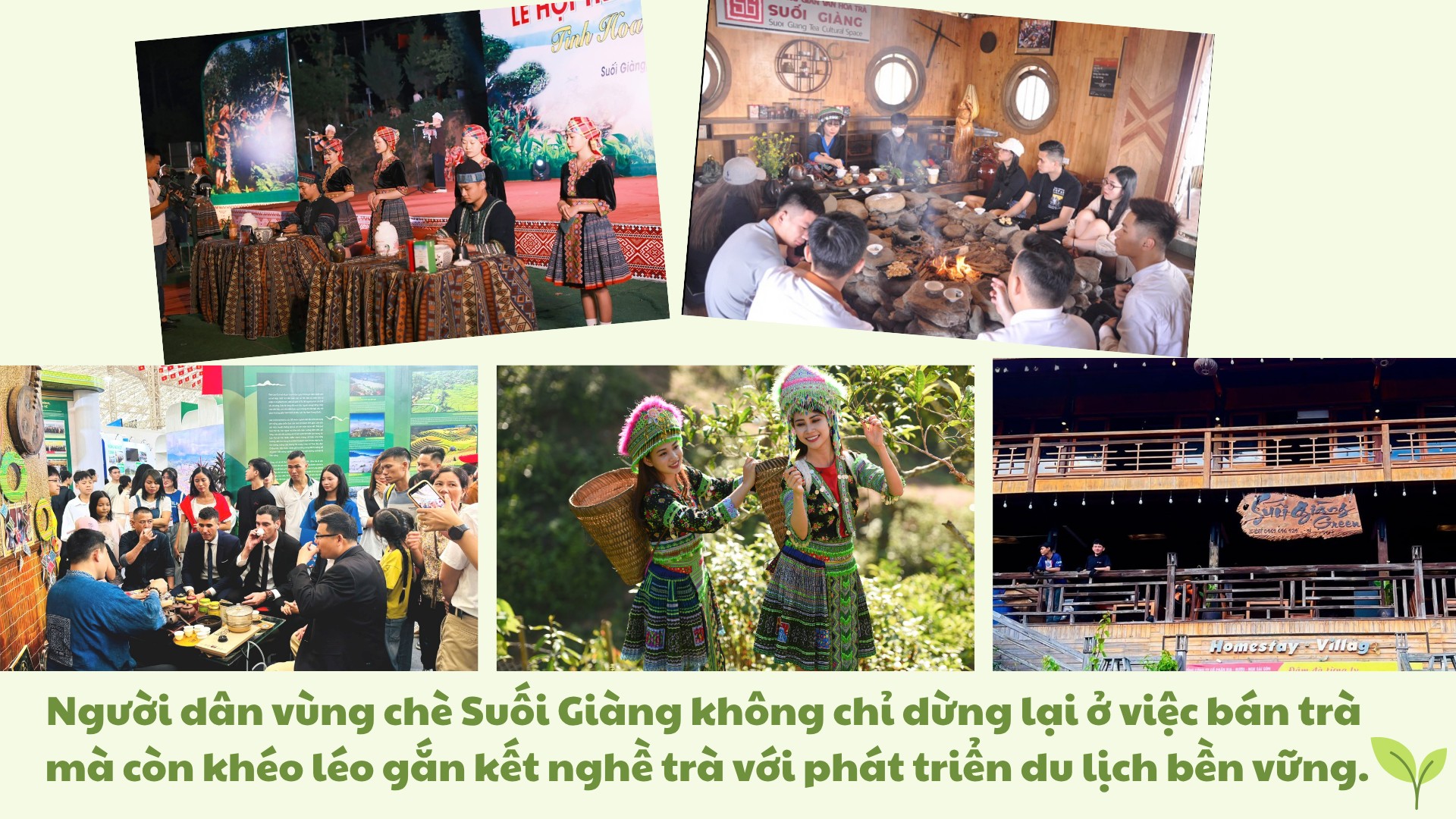
In Suoi Giang today, people not only sell tea but also skillfully integrate the tea-making profession with sustainable tourism development.
As a pioneering unit, the Suoi Giang Tourism Ecosystem Cooperative not only focuses on building the quality and brand of Suoi Giang ancient Shan Tuyet tea but also develops tourism, organizes cultural tea experience tours in Suoi Giang, attracting tourists to visit and learn about ancient Shan Tuyet tea.
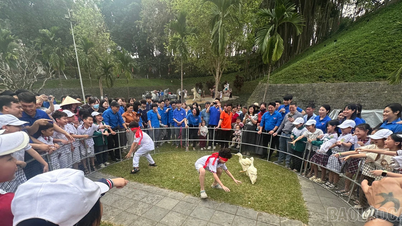
From models such as Enna Glamping - camping and relaxation; Nahi Village - a happy village associated with experiential tourism; Suoi Giang Tea Culture Space; Giang House - My Village House, a free tea-making class for children in the mountainous region, the people of Suoi Giang are gradually forming a local tourism ecosystem, linking culture with unique local agricultural products, to create livelihoods right on the land where they were born.
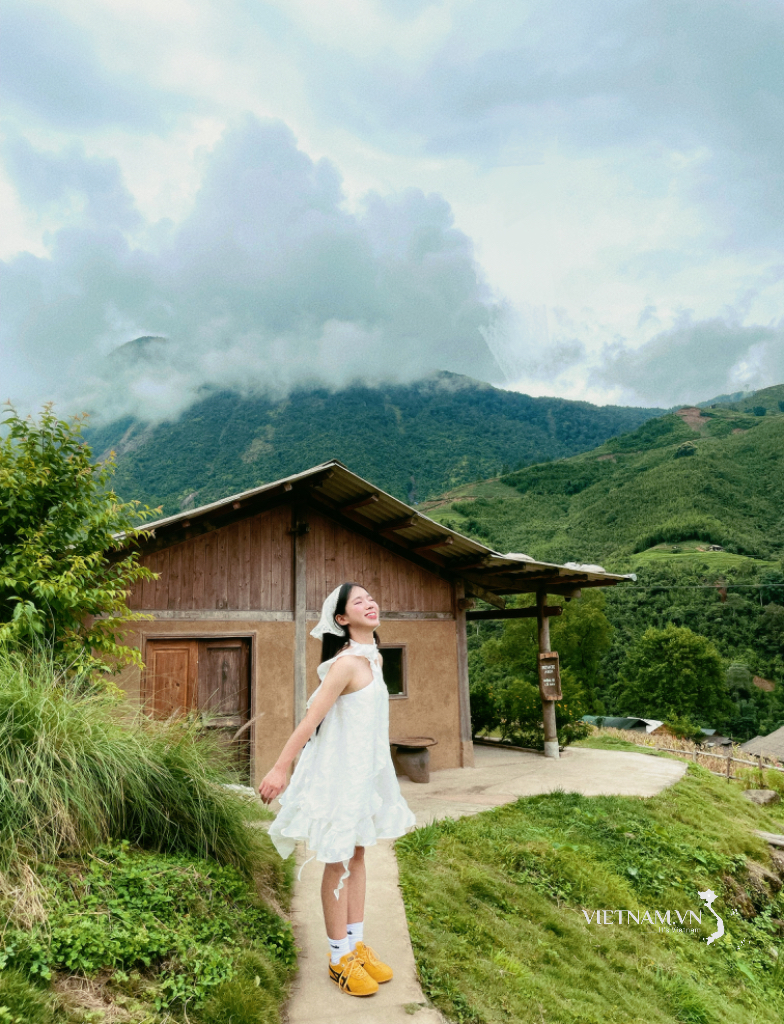
Suoi Giang currently has 3 businesses, 4 cooperatives, and dozens of households developing a production-tourism model associated with Shan Tuyet tea. These establishments are all designed to harmonize with nature and local culture.
In each of these establishments, there is almost always a tea table, a person skilled in brewing tea to serve guests, and even someone who tells stories about the ethnic culture through music and tales of life in the village. Tourists can also experience harvesting tea buds with the locals, roasting tea themselves, and enjoying a cup of tea right in the garden. It's a journey of "touching" the culture, bringing Suoi Giang Shan Tuyet tea to life.
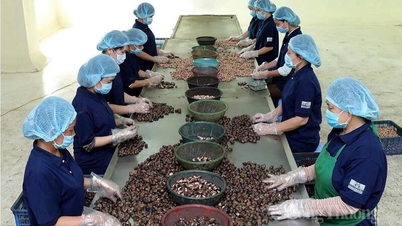
Currently, Van Chan commune has 13 OCOP products made from Shan Tuyet tea, with 10 products achieving 4 stars and 3 products achieving 3 stars.
The "Suoi Giang Shan Snow Tea" product has been served at cultural and diplomatic events, becoming a refined symbol of Vietnamese tea culture; it has appeared at many high-level diplomatic events: the tea party where President Luong Cuong received the King of Cambodia, the tea tasting between the wife of General Secretary To Lam - Mrs. Ngo Phuong Ly and UNESCO Director-General Audrey Azoulay…; it is present in 5-star hotels such as Metropole and Movenpick; and it has been chosen as a gift for international delegations…
More than just a product, the way tea tells its own story—about a land, about centuries-old tea trees, and about the dedication of those who "guard" the tea high in the mountains—is what makes Suoi Giang Shan Tuyet tea unique and inimitable.
Source: https://baolaocai.vn/bau-vat-noi-lung-troi-post886904.html



















































Comment (0)