

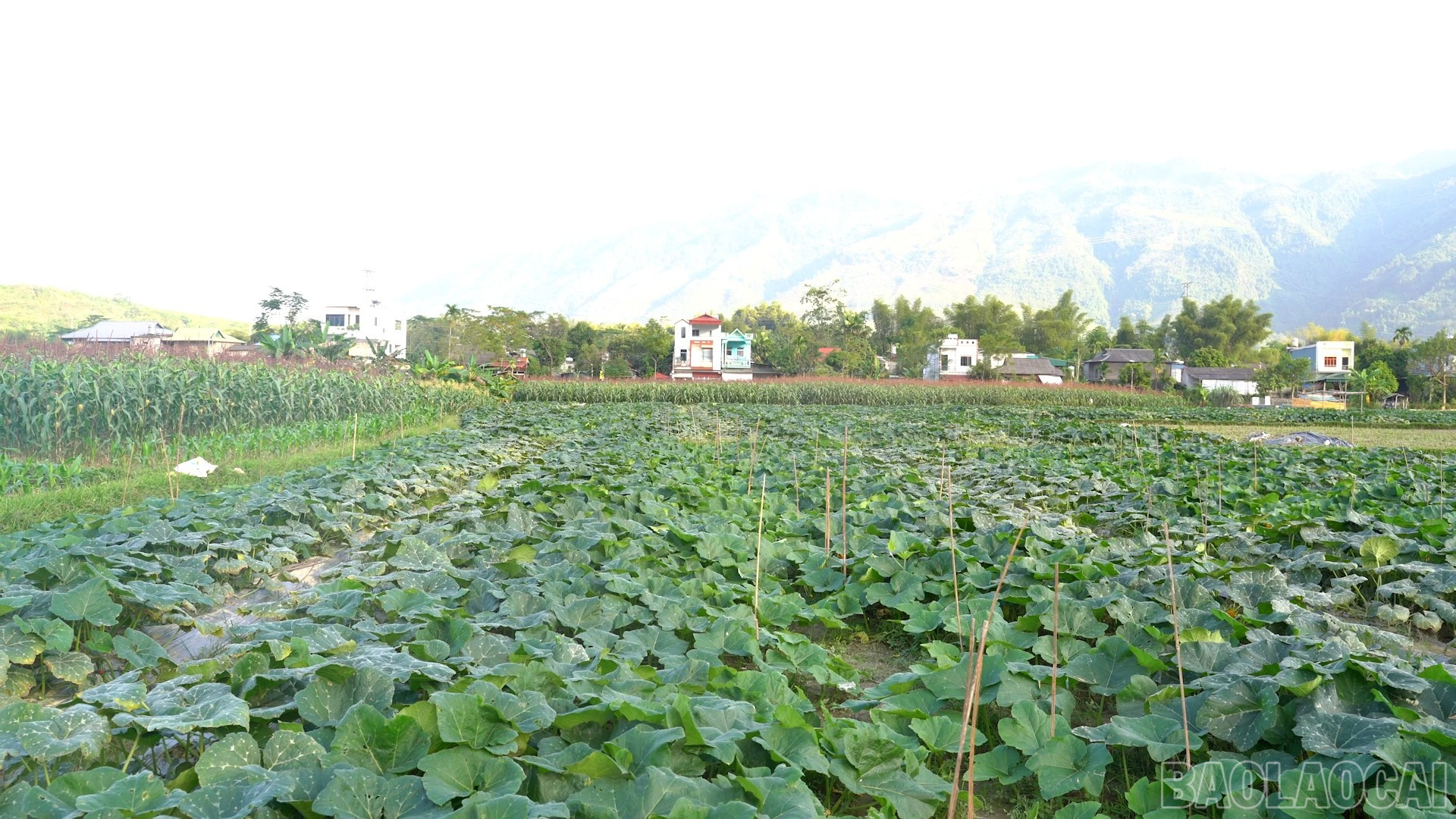
Cau Thia Ward currently has 9 cooperatives and more than 20 effective youth economic models. These figures not only reflect the scale of the movement but also show a positive shift in the mindset of young people. In Cau Thia today, many young people are choosing to stay and build their future from their familiar fields and hillsides.
In the Bản Hán residential area, Mr. Lò Văn Năm, a member of the Thái ethnic group, had spent years working far from home. Like many other young people, he harbored the hope of changing his life in the city. However, after years of struggling, he realized that what he needed was not just immediate income, but a stable, long-term path in his homeland.
Returning to his village, he boldly utilized his family's land to develop large-scale livestock farming. He built sturdy barns, carefully selected breeding stock, and followed technical guidelines for care and disease prevention. Step by step, the model became well-established and yielded clear results.
Each year, selling 20 to 30 head of livestock is not only a significant source of income for Mr. Nam's family, but also demonstrates the dynamism and daring spirit of young people in the highlands. Therefore, Mr. Nam's return is not just a story for one family, but also serves as motivation and inspiration for many young people in Ban Han to boldly choose to stay and build their future in their homeland.
While in the past, women in the Muong Lo region were mainly confined to housework and small rice paddies, today, many women have confidently taken the lead in developing economic models, contributing to changing the face of their villages.
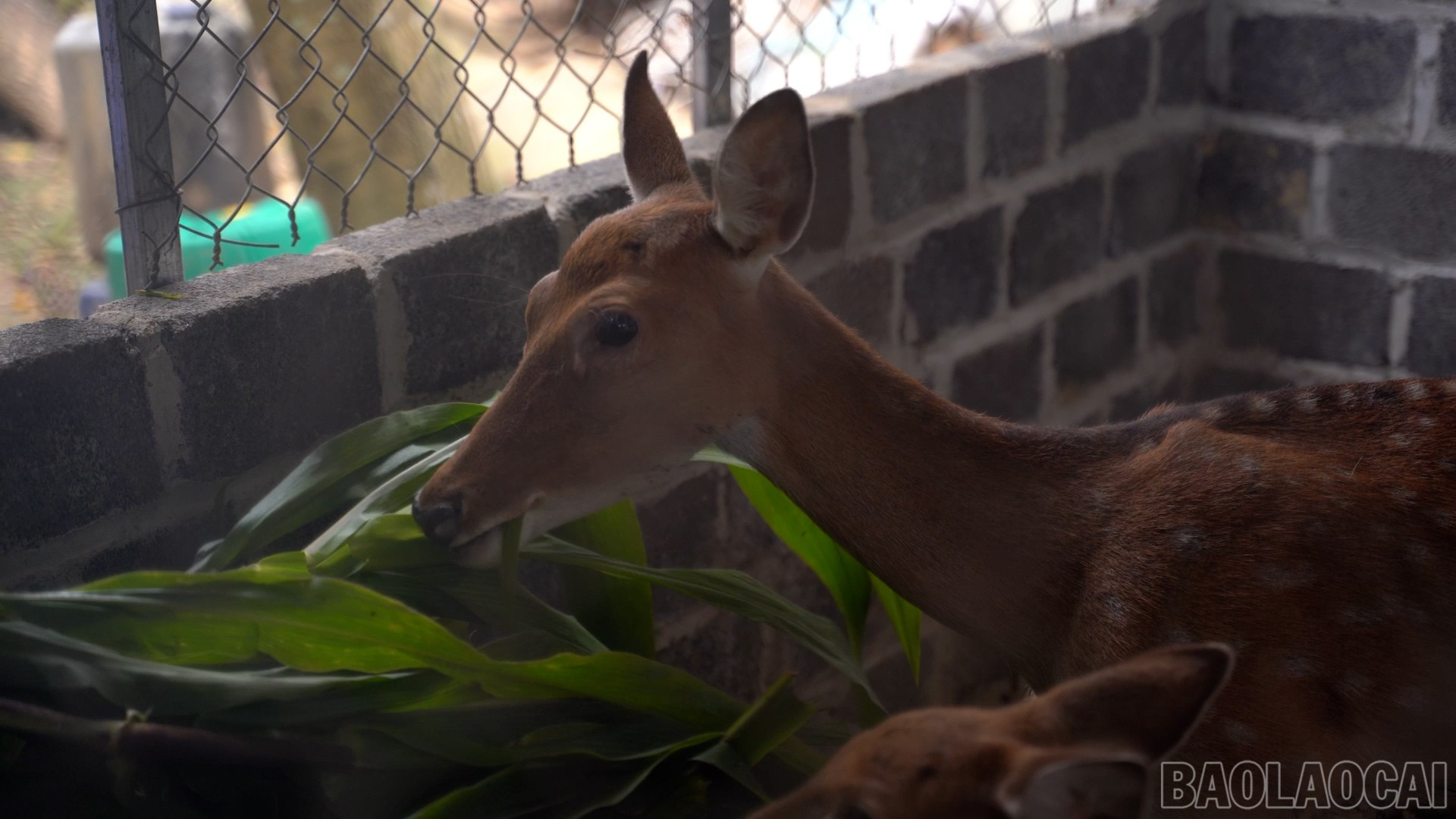
In Ban Khinh residential area, Ms. Nong Thi Nga, a Tay ethnic minority woman, is one such example. Recognizing the suitable local climate and soil conditions, she boldly experimented with a deer farming model for antler harvesting.
Compared to some traditional livestock, the feed costs are not too high, the care required is manageable, while the economic value is more stable.
Starting with just a few deer, she gradually expanded her herd and proactively sought markets for her deer antler products. This boldness not only brought income to her family but also demonstrated that with access to market information and proper technical guidance, young people in mountainous areas, especially ethnic minority women, can completely master new economic models and rise up through their own hands and willpower.
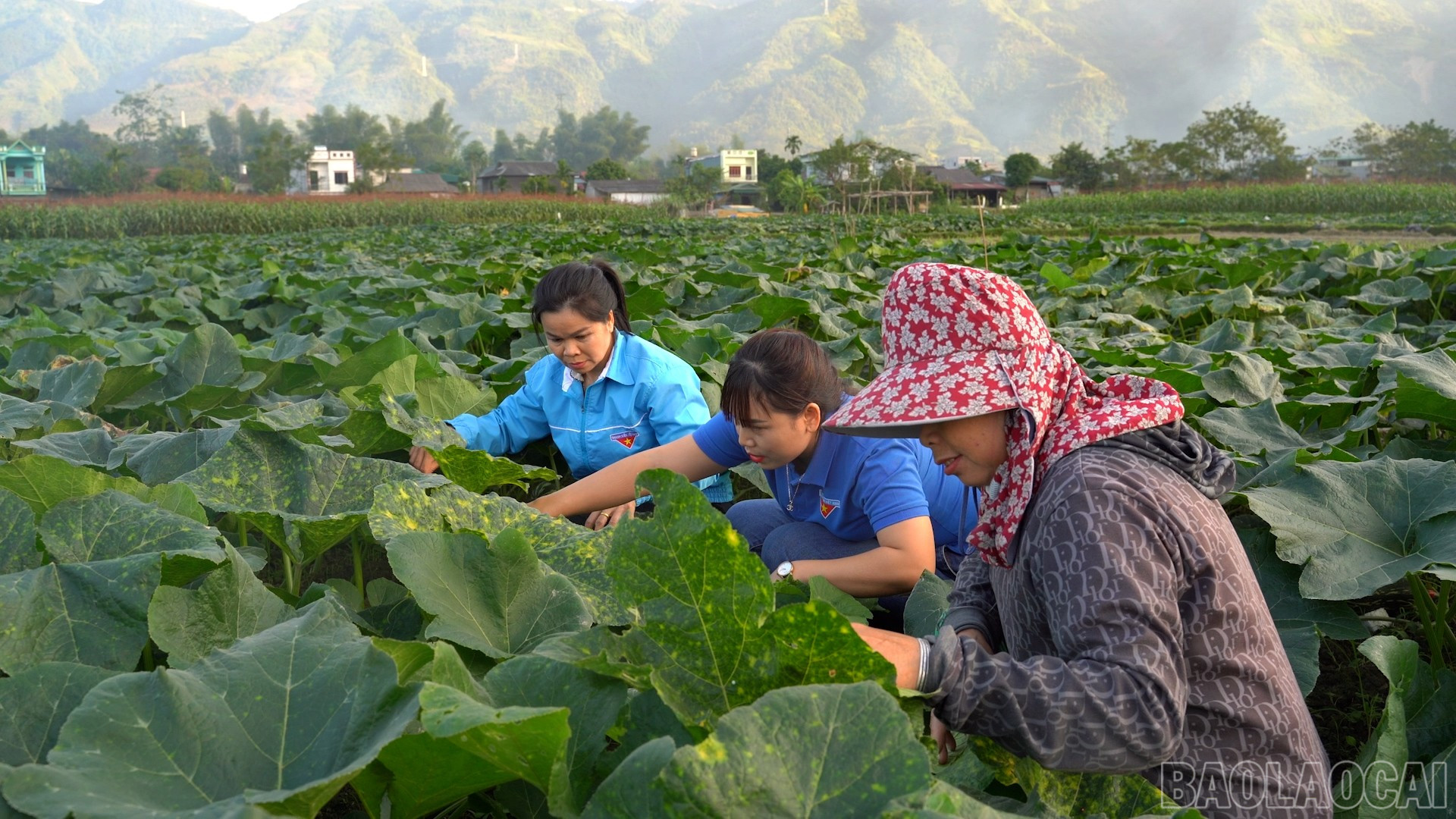
Also in Cau Thia, the story of Ms. Hoang Thi Tuyen in Ban Bat residential area shows a clear shift in agricultural production, linked to the goal of retaining young workers in their hometown.
Previously, her family mainly grew corn. It was a familiar crop, but the economic efficiency was low, and it was heavily dependent on weather and fluctuating prices. With the Youth Union's advice, technical support, and product distribution agreement, she boldly switched to growing pumpkins for seeds.
From fields that once yielded modest income, growing pumpkins for seeds has brought a higher and more stable source of income for the family.
More importantly, this transformation reflects a fundamental change in the way people think and work: from small-scale, self-sufficient production to commodity production with linked output and market calculations. This also forms the foundation for young people to feel secure and committed to farming in their hometowns in the long term.
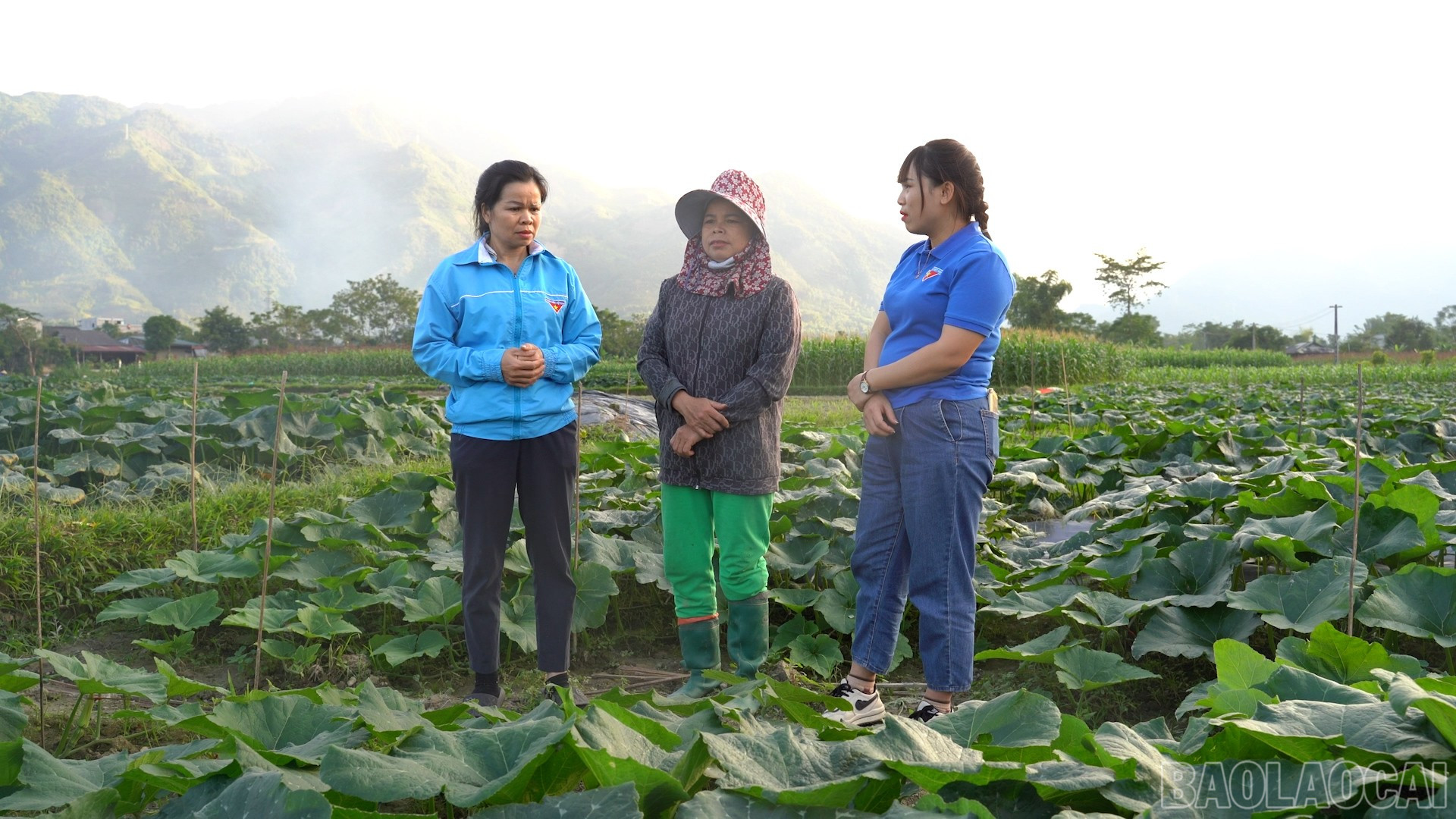
Behind these successful economic models lies the unwavering support of the Youth Union. With over 80% of its members being ethnic minorities, supporting youth economic development in Cau Thia goes beyond mere campaigning and propaganda; it is implemented through concrete actions tailored to real needs.
From technical training and advice on choosing suitable models to support access to capital and connecting businesses to consume products, a relatively closed support chain has been formed. The close coordination between the Youth Union, the agricultural extension sector, and businesses not only helps young people feel more confident when starting businesses but also reduces worries about market outlets and limits market risks. This foundation provides additional support for young people to feel secure in staying and prospering in their homeland.
The formation of 9 cooperatives and more than 20 exemplary youth economic models in Cau Thia ward is not just a number in a movement report. It is readily apparent that these models are gradually changing the face of the local economy: the proportion of commodity production has increased significantly; many households have stable incomes from livestock farming and crop cultivation in a specialized manner, with linked output markets.
Young people have become the driving force behind new production models. By staying in their hometowns, local communities retain a local workforce, and workers maintain their family homes and community bonds.
In the long term, retaining young workers is not just about economic benefits. When young people stay in their villages, they become the next generation in building new rural areas, making positive contributions to preserving and promoting the cultural identity of ethnic minorities. Their language, customs, and traditional way of life are thus preserved in their daily lives. This forms the foundation for sustainable development, starting with simple changes in each village.
Retaining young workers in mountainous areas cannot be achieved through mere persuasion. The crucial element is creating conditions that allow them to confidently establish their careers: access to land for production, technical guidance, access to capital, and a stable market for their products. The experience in Cau Thia shows that when these factors are ensured, young people are willing to choose their hometown as their starting point and stay there long-term.
Source: https://baolaocai.vn/giu-chan-lao-dong-tre-nong-thon-post894790.html
![[Image] 20 islands in the Spratly Islands special administrative region hold early elections.](https://vphoto.vietnam.vn/thumb/1200x675/vietnam/resource/IMAGE/2026/03/08/1772949669607_img-20260308-112026-90-jpg.webp)

![[Image] Vietnam's diverse colors on its journey of innovation](https://vphoto.vietnam.vn/thumb/1200x675/vietnam/resource/IMAGE/2026/03/09/1773041390813_anh-man-hinh-2026-03-09-luc-14-28-17.png)
![[Photo] Diary of the photojournalism contest “Vietnam on the journey of innovation”](https://vphoto.vietnam.vn/thumb/1200x675/vietnam/resource/IMAGE/2026/03/09/1773041117692_anh-man-hinh-2026-03-09-luc-14-24-45.png)








































![[Photo] Diary of the photojournalism contest “Vietnam on the journey of innovation”](https://vphoto.vietnam.vn/thumb/402x226/vietnam/resource/IMAGE/2026/03/09/1773041117692_anh-man-hinh-2026-03-09-luc-14-24-45.png)

















Comment (0)