

In recent years, Vietnam has been facing a serious problem related to the import of plastic waste. Despite efforts to reduce plastic use and manage plastic waste domestically, the demand for plastic consumption and recycling remains high and continues to grow. This has led to Vietnam becoming one of the main destinations for importing plastic waste from developed countries.
The reliance on imported plastic waste has led to numerous negative consequences, including severe environmental pollution, risks to human health, and adverse impacts on the ecosystems where it is processed. A large amount of imported plastic waste often contains components of unknown origin and many impurities, increasing the difficulty in managing and processing it effectively.
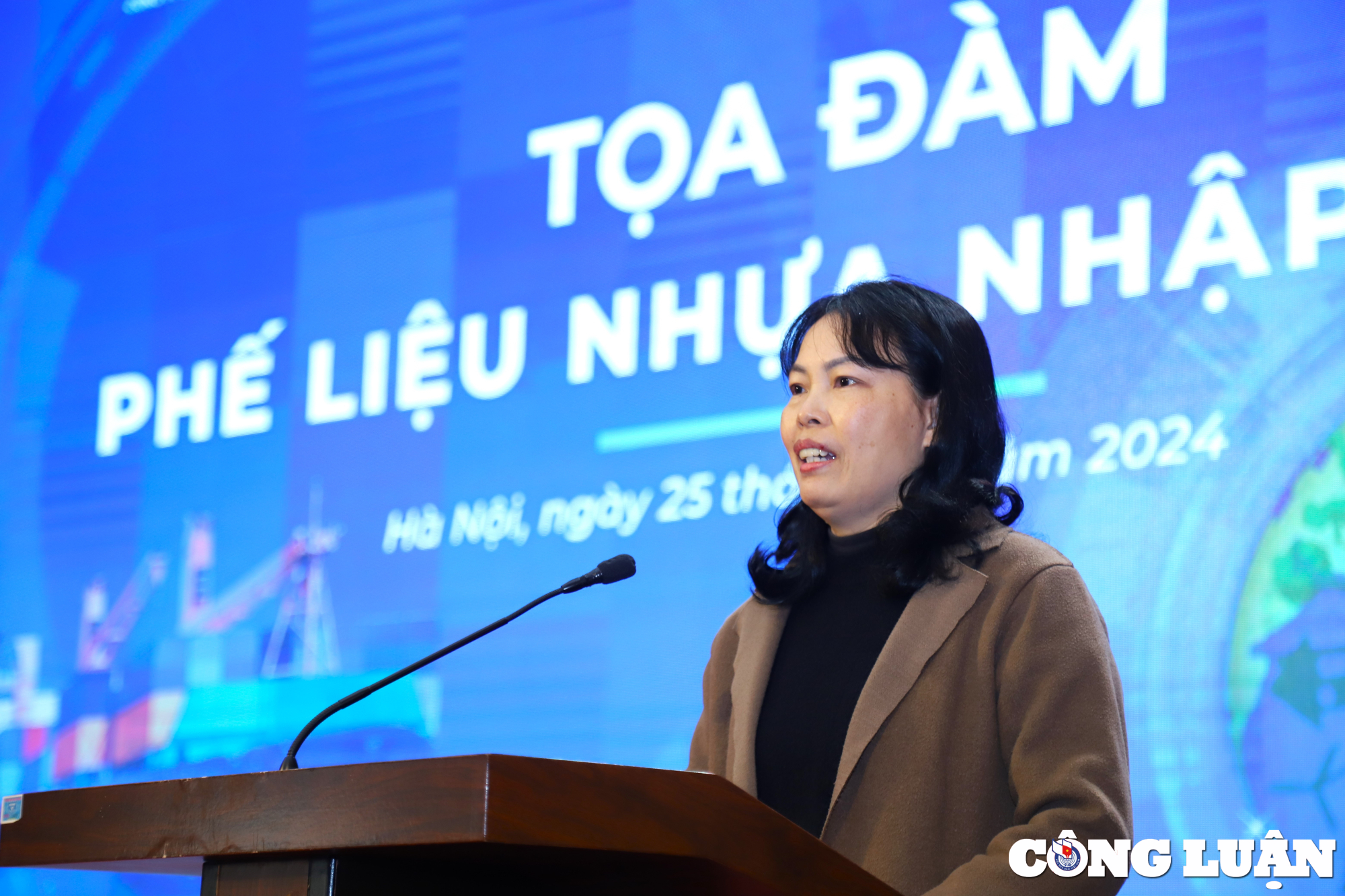
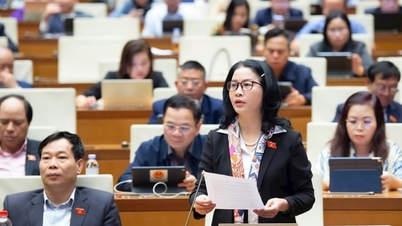
Ms. Quách Thị Xuân – Head Representative of the Pacific Environment Organization Vietnam – delivered the opening remarks at the seminar.
In her opening remarks at the seminar, Ms. Quach Thi Xuan, Head Representative of the Pacific Environment Vietnam (PE-VN) organization, stated: “Recycling helps plastic circulate more widely in the economy, but on the other hand, the recycling process also consumes energy and emits many types of greenhouse gases.”
Experts also argue that the handling of imported plastic waste can lead to problems such as environmental pollution due to the presence of toxic chemicals in the waste, while also creating significant pressure on the process of ensuring safe and efficient recycling and disposal. Typically, only 60% of imported plastic waste can be recycled, with the remaining 40% being released into the environment, creating huge piles of plastic waste around recycling villages.
At the seminar, the documentary "The Path of Imported Plastic Waste" directed by Meritorious Artist Nguyen Tai Van was screened. The documentary presented a comprehensive picture of plastic waste imports in Vietnam, reflecting a deeply troubling "path" for imported plastic waste. From shipments of waste from other countries to Vietnam, where it infiltrates the production process of recycled goods for consumer use, it ends up in landfills, where it becomes plastic waste again. This "path" is a closed loop, causing numerous negative consequences for the environment and human health.
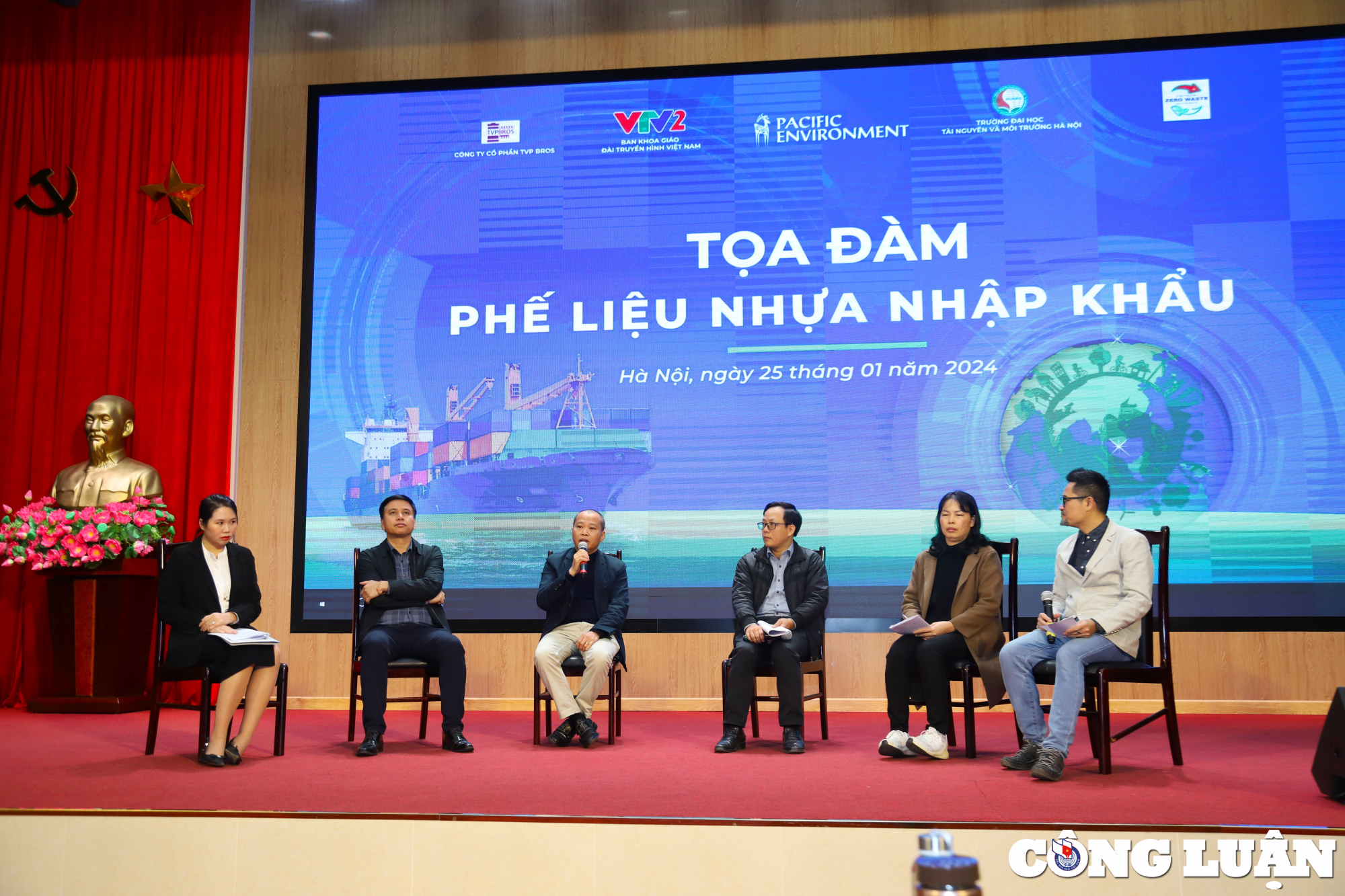
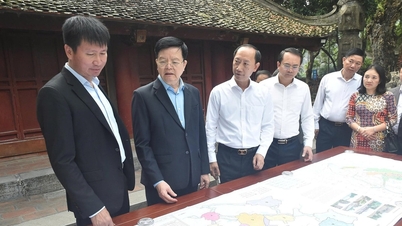
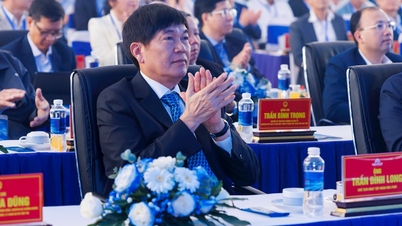
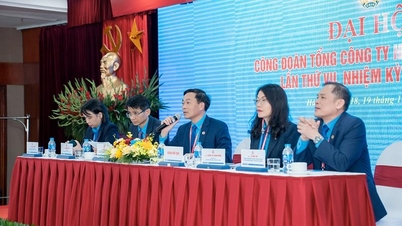
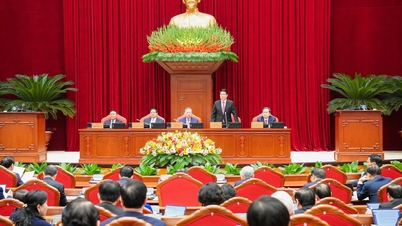
The scene at the seminar.
Sharing the reasons for making the documentary, Director Nguyen Tai Van said that the most haunting thing for the production team was the increasing number of cancer cases in Vietnam. According to GLOBOCAN statistics in 2020, the incidence and mortality rates from cancer worldwide are trending upwards. In Vietnam, it is estimated that there were 182,563 new cases and 122,690 deaths from cancer. For every 100,000 people, 159 are newly diagnosed with cancer and 106 die from cancer. Currently, only 185 out of 204 countries report cancer statistics according to GLOBOCAN. In 2020, Vietnam ranked 91st out of 185 in terms of incidence rate and 50th out of 185 in terms of mortality rate per 100,000 people. The corresponding rankings for 2018 were 99/185 and 56/185.
"These are concerns from a scientific perspective, and I'm fortunate to work in this field, allowing me to delve deeply into them. Therefore, I want to create more programs to raise awareness and disseminate scientific messages and information so that people understand the potential dangers in their surrounding environment that they are unaware of. Only when it becomes a problem do we try to treat it, but by then it's too late," Director Nguyen Tai Van further shared.
Experts also argue that while importing plastic waste may offer short-term benefits in terms of raw materials and reduce pressure on natural resources, it also poses significant problems for the environment, health, and food safety.
Therefore, we need a smarter and more sustainable approach to importing and recycling plastic waste, while strengthening management and stricter control over this import process. Hopefully, in the future, close cooperation among stakeholders—government, businesses, and the community—will ensure that plastic waste imports are gradually reduced and replaced by domestically produced plastic waste. This will be a crucial step in raising awareness and sharing information about plastic waste recycling, and encouraging sustainable action to protect the environment and global public health.
Source









































































Comment (0)