

Is epilepsy dangerous? What are the risks of epilepsy, how does it affect health, and how is it treated? Is it curable?
Epilepsy is a neurological disease caused by abnormalities in brain function, leading to the simultaneous stimulation of a group of nerve cells, resulting in a sudden electrical discharge in the brain.
 |
| The risk of premature death in people with epilepsy can be three times higher than in the general population or those with certain other illnesses. |
Stimulation of the cerebral cortex in different areas can lead to various epileptic symptoms such as convulsions, muscle spasms, sudden loss of consciousness, etc.
Epilepsy is not a mental illness, because apart from seizures, patients can still live, work, and study normally.
An estimated 50 million people worldwide currently suffer from epilepsy, making it one of the most common neurological disorders.
Each year, approximately 5 million people worldwide are diagnosed with epilepsy. This leads many to wonder: Is epilepsy dangerous? Is it curable?
In many cases, epilepsy can be cured if diagnosed and treated promptly, and if the patient adheres to the treatment plan.
Depending on the individual case and condition, the doctor will prescribe treatment involving medication, surgery, and a combination of lifestyle changes, including dietary adjustments. Patients can then return to a normal life.
It is important for people with epilepsy to have their condition assessed by a doctor, as there are many different types of epilepsy. Generally, the fewer seizures and the milder the seizures, the lower the risk of serious problems.
The risk of premature death in people with epilepsy can be three times higher than in the general population or those with certain other illnesses. People with untreated or uncontrolled epilepsy have a higher risk of death than those with treated epilepsy.
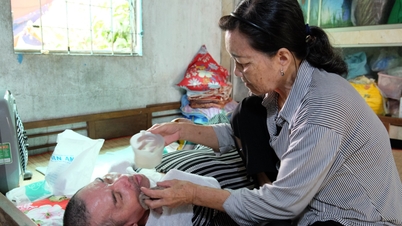
People with epilepsy tend to experience more physical problems (such as bruising and fractures due to injuries related to seizures). Epilepsy can put sufferers at greater risk when driving, falling, hitting their heads, etc.
It can also lead to several psychological problems such as depression and stress. A small number of epilepsy patients may die due to underlying neurological conditions, such as brain tumors.
There have been cases of sudden death from epilepsy with no identifiable cause. This is known as SUDEP (Sudden Unexpected Death in Epilepsy) and often occurs while the patient is sleeping.
Numerous studies indicate that SUDEP is a consequence of a seizure and primarily occurs in individuals with refractory epilepsy, intellectual disability, tonic-clonic seizures, and high seizure frequency. People with epilepsy who frequently experience nocturnal seizures also have a higher risk of death from SUDEP.
Seizures lasting longer than 5 minutes can be life-threatening, causing permanent brain damage. Children with epileptic seizures are at risk of dying from epilepsy-related problems, including SUDEP. This risk is higher in children with non-remissioned epilepsy.
Besides understanding how dangerous epilepsy is, everyone needs to know how to handle and provide first aid if they discover someone is having an epileptic seizure. You can refer to the following basic first aid steps:
Help people with epilepsy breathe more easily by loosening their collars, ties, etc.
Use a soft object to elevate the patient's head, and position the patient on their side, avoiding moving them to another position. To prevent injury during a seizure, remove any objects from the patient's surroundings.
Do not attempt to "wake up" a person having an epileptic seizure by shaking them or shouting, and do not restrain them while they are having a seizure.
Do not give food or drink to a person having a seizure to avoid choking or other injuries. Also, do not put anything in the mouth of a person having a seizure.
Monitor and record the patient's symptoms during a seizure so that the doctor or the patient can be informed.
If a seizure lasts longer than 5 minutes, call emergency services immediately. Cases where seizures recur shortly after the previous one also require medical attention.
Ideally, patients should seek medical attention once the seizure has ended.
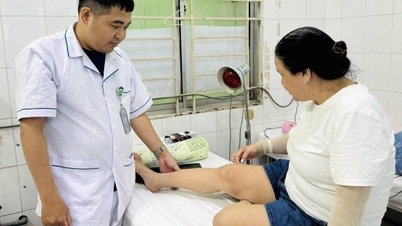
Is epilepsy curable? According to Dr. Nguyen Phuong Trang from Tam Anh General Hospital in Ho Chi Minh City, epilepsy is a treatable condition that can be managed through methods such as medication and surgery. The earlier a patient begins treatment, the higher the chances of successful treatment.
Antiepileptic drugs can help control the disease effectively. Many patients have been able to return to normal lives after using the medication.
In cases where surgery is necessary to treat epilepsy, patients should avoid delaying treatment, as brain damage can spread, making the surgical process more difficult.
The question of whether epilepsy is dangerous has been answered, so how can we proactively prevent this disease? Each person can take some of the following steps to prevent epilepsy and protect their health:
Providing adequate perinatal care can reduce the incidence of epilepsy in newborns due to birth trauma.
For children with high fevers, seeking medical attention, taking medication, and applying methods to lower body temperature to an appropriate level can help reduce the risk of febrile seizures.
Preventing head injuries, such as reducing the risk of falls, traffic accidents, and sports injuries, is an effective way to help prevent post-traumatic epilepsy.
To prevent stroke-related epilepsy, you need to take measures to control and prevent high blood pressure, diabetes, obesity, avoid smoking, and limit alcohol consumption.
Central nervous system infections are one of the common causes of epilepsy in tropical climates.
Implementing measures to prevent infection and eliminate parasites can reduce the risk of developing epilepsy (for example, epilepsy caused by cerebral cysticercosis).
Everyone should proactively undergo regular neurological checkups to screen for and promptly detect any abnormalities that could lead to epilepsy.
Source: https://baodautu.vn/benh-dong-kinh-co-chua-duoc-khong-d222807.html

![[Photo] General Secretary and President To Lam meets with National Assembly delegates from ethnic minorities.](https://vphoto.vietnam.vn/thumb/1200x675/vietnam/resource/IMAGE/2026/04/20/1776696701056_a1-bnd-8331-3342-jpg.webp)
![[Image] National Assembly discusses the implementation of the socio-economic development plan.](https://vphoto.vietnam.vn/thumb/1200x675/vietnam/resource/IMAGE/2026/04/20/1776696707422_ndo_br_img-20260420-185419-jpg.webp)































































































Comment (0)