

Five years of unwavering dedication to finding a peaceful sleep for my child.
Since 2021, BQK (born in 2016, Hanoi ) began experiencing unusual seizures. The diagnosis of epilepsy plunged the family into a period of worry and anxiety. CLV, the child's mother, shared: "Initially, she responded quite well to medication, but by 2024, despite increasing the dosage and combining several medications, she still had frequent seizures, sometimes dozens of times a day."
Prolonged seizures not only put the child at risk of falls and injuries but also seriously affect their physical and intellectual development. Despite treatment in many places both domestically and internationally, the child's condition has not improved. For nearly five years, the family has not given up hope, only wishing for their child to live a healthy life and have a restful sleep.
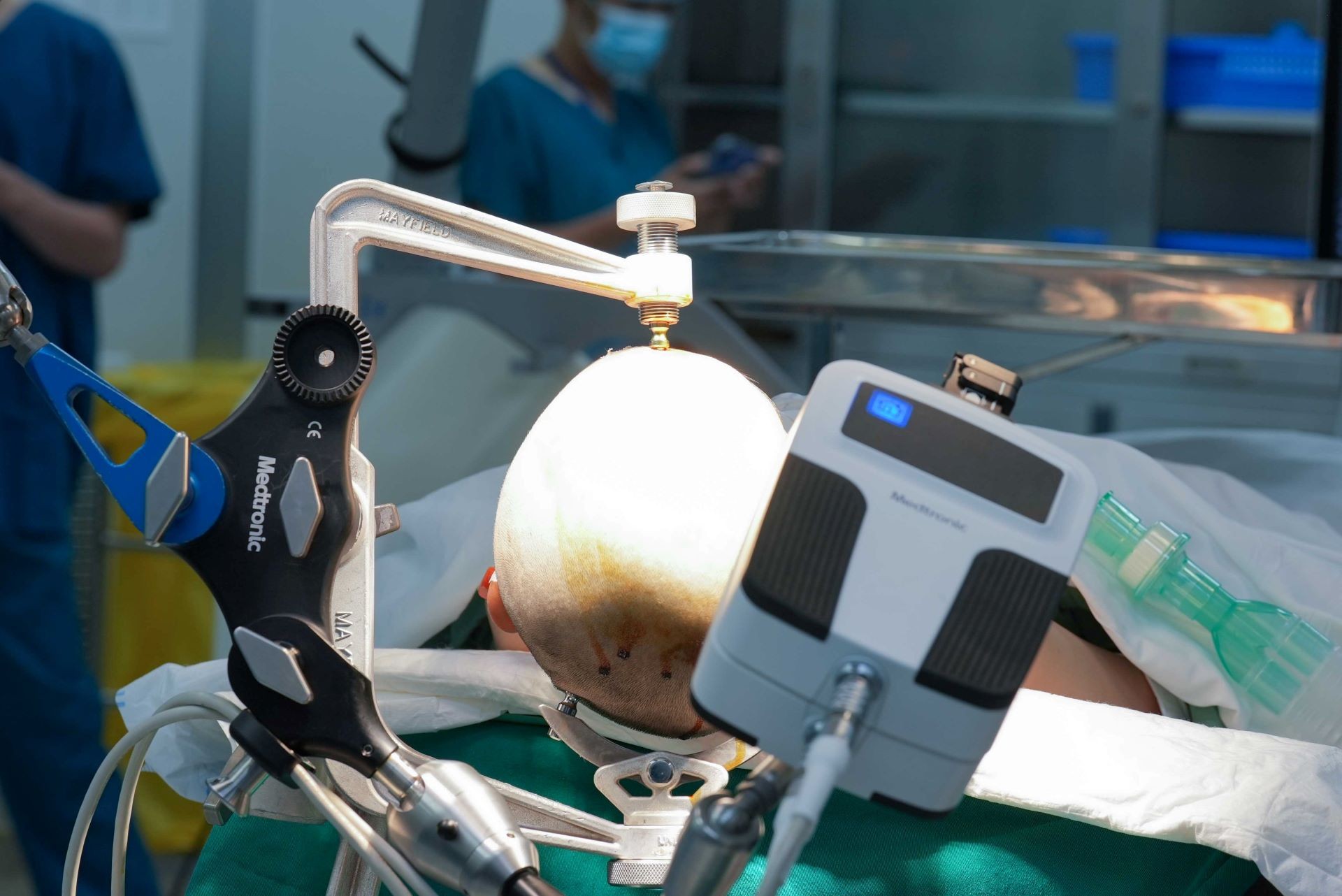
According to the World Health Organization (WHO), approximately 30% of epilepsy patients do not respond to medication – a condition known as refractory epilepsy. In these cases, surgery to remove the epileptic focus is one of the most effective options. However, precisely locating the lesion in the brain is extremely difficult, especially when the affected area is deep or widespread.
K.'s case is complex. Current techniques such as scalp electroencephalography, magnetic resonance imaging (MRI), and PET scans have failed to detect a clear epileptic focus. The patient has used the maximum dose of medication but the condition remains uncontrolled.
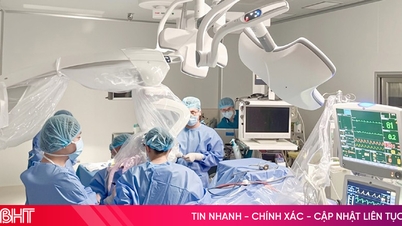
After a thorough examination, multidisciplinary consultation, and comprehensive assessment, doctors at Vinmec Central Park decided to apply the most advanced technique: intracranial electrode placement under the guidance of an AutoGuide robot – a technology never before implemented in Vietnam.
Robot AutoGuide – Cutting-edge technology opening new avenues for treatment.
According to Dr. Truong Van Tri, Head of the Neurosurgery Department, to accurately identify the epileptic focus, doctors need to implant electrodes deep into the brain and continuously record intracranial electroencephalograms (SEEG) over several days. This is a highly specialized technique requiring almost absolute precision to avoid damaging important nerve structures and blood vessels.
In this case, the AutoGuide robot acted as an intelligent navigation system, helping doctors locate and deliver electrodes to the brain accurately and quickly, minimizing invasiveness.
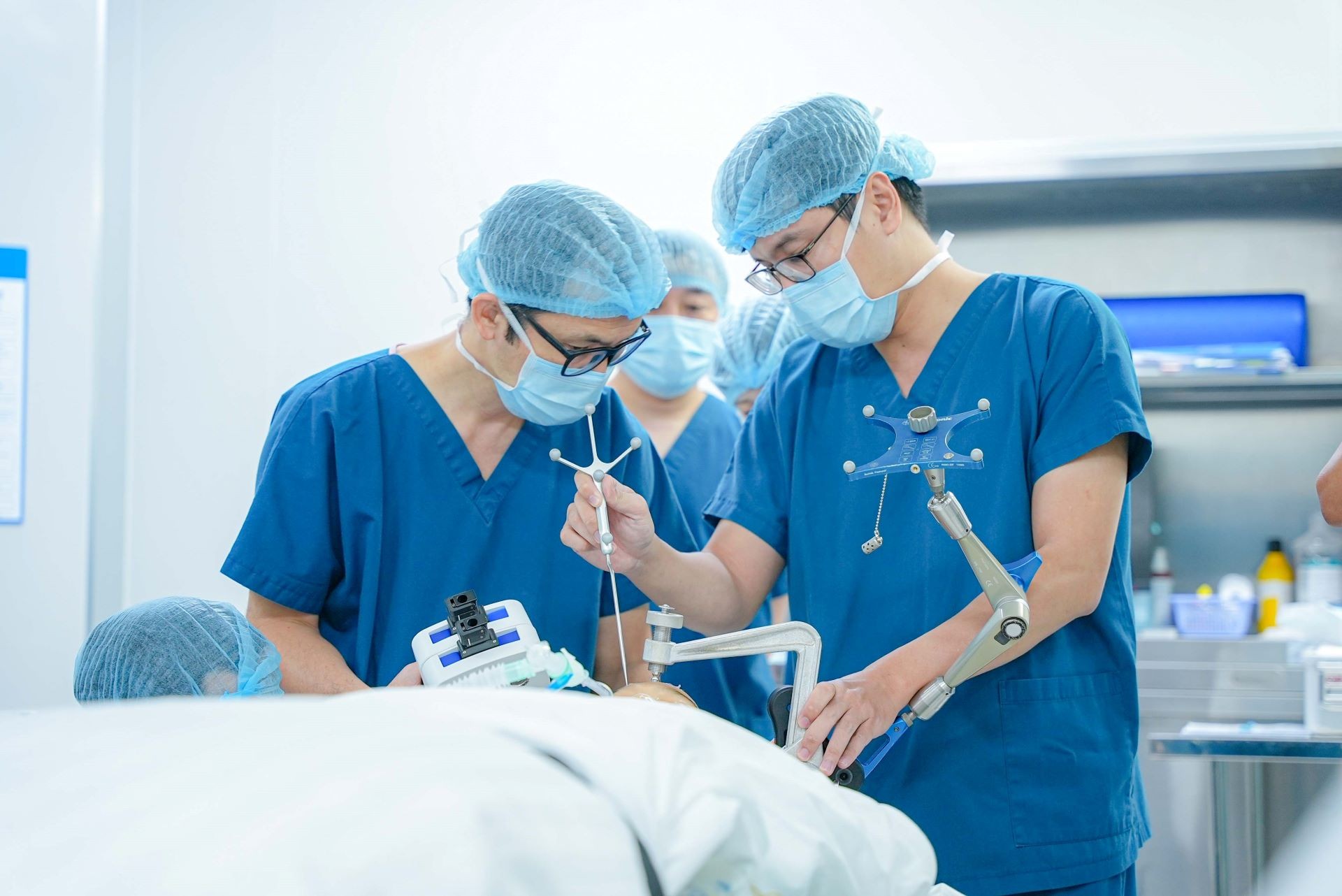
The pre-programmed robotic arm ensures that the electrodes are positioned correctly for examination without affecting functional areas. The incision is small, only a few millimeters, reducing pain, minimizing the risk of infection, and significantly shortening surgical time.
“Previously, electrode placement relied primarily on skill and experience. Now, with AutoGuide, we achieve maximum accuracy in complex cases,” Dr. Tri stated.
The intracranial electroencephalogram (EEG) monitoring process lasted 7 days, with the support of Associate Professor Dr. Nakae Shunsuke, a neurologist from Japan. The recorded data helped identify the "culprit" - the epileptic focus of baby K. located deep in the right frontoorbital region and lower frontal lobe – an area with a high concentration of nerves and large blood vessels such as those of the visual and olfactory senses.
On June 17, 2025, the epileptic seizure site was surgically removed by Dr. Tri's team. Thanks to precise robotic positioning, the surgery was safe, minimized blood loss, had a short intervention time, and left no neurological sequelae.
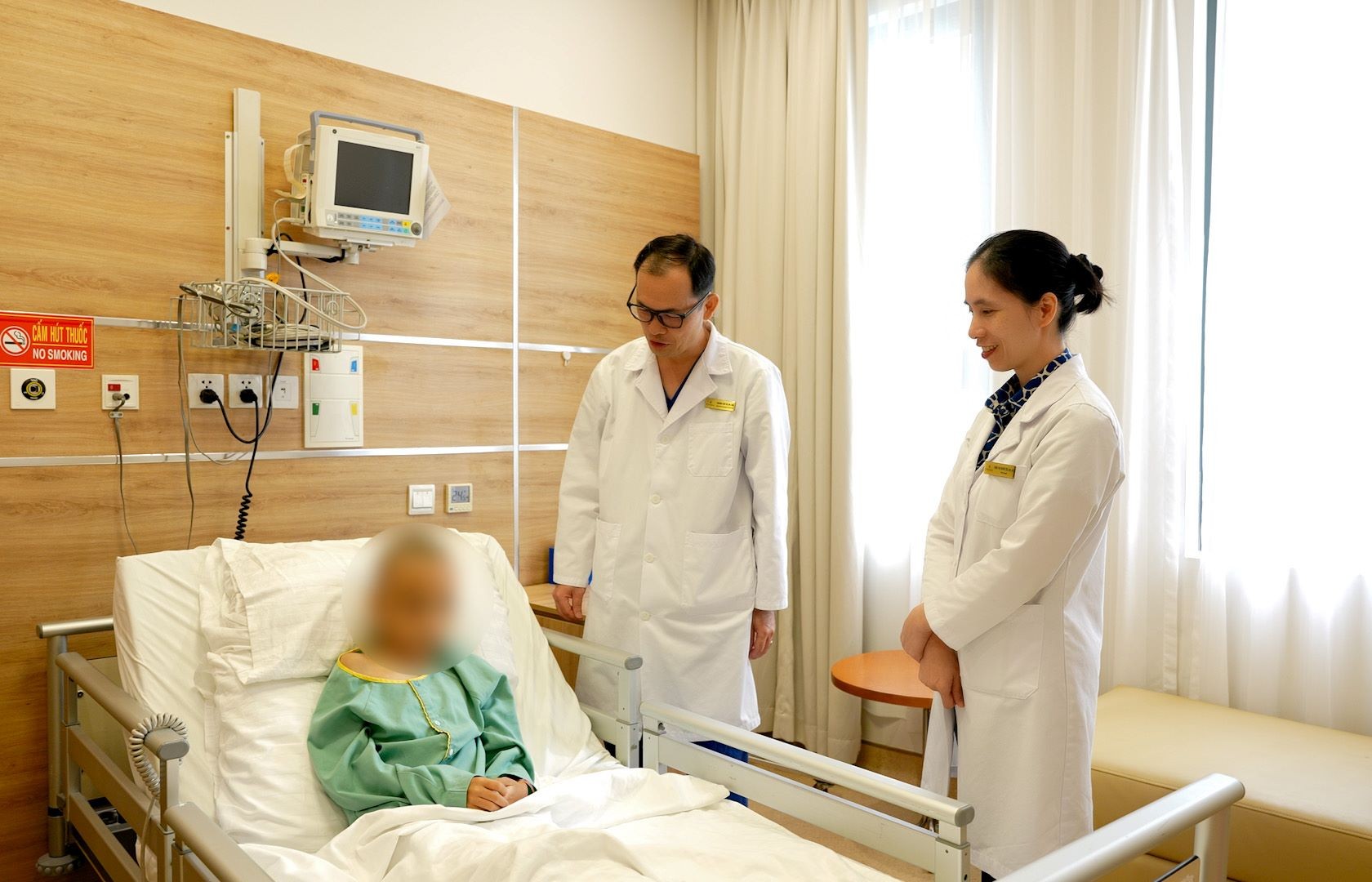
After more than a month post-surgery, baby BQK is recovering well, engaging in normal activities and playing, without any neurological deficits. Only two mild seizures were recorded during sleep – compared to dozens per day before. According to medical literature, epilepsy surgery can help 60–80% of patients control or completely eliminate seizures if performed correctly and with proper technique.
Vinmec Central Park – Bringing Vietnamese neurology closer to international standards.
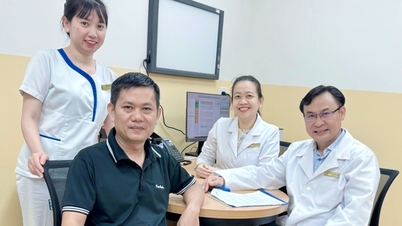
The success of this case stems from the close collaboration between various specialties: neurosurgery, neurology, diagnostic imaging, anesthesia and resuscitation… along with a strong investment strategy in technology and human resources at Vinmec.
Vinmec Central Park is currently one of the few medical facilities in Vietnam that has successfully implemented SEEG intracranial electrode implantation, possesses an AutoGuide robotic navigation system, has a team of doctors with advanced training abroad, and regularly collaborates with international experts.
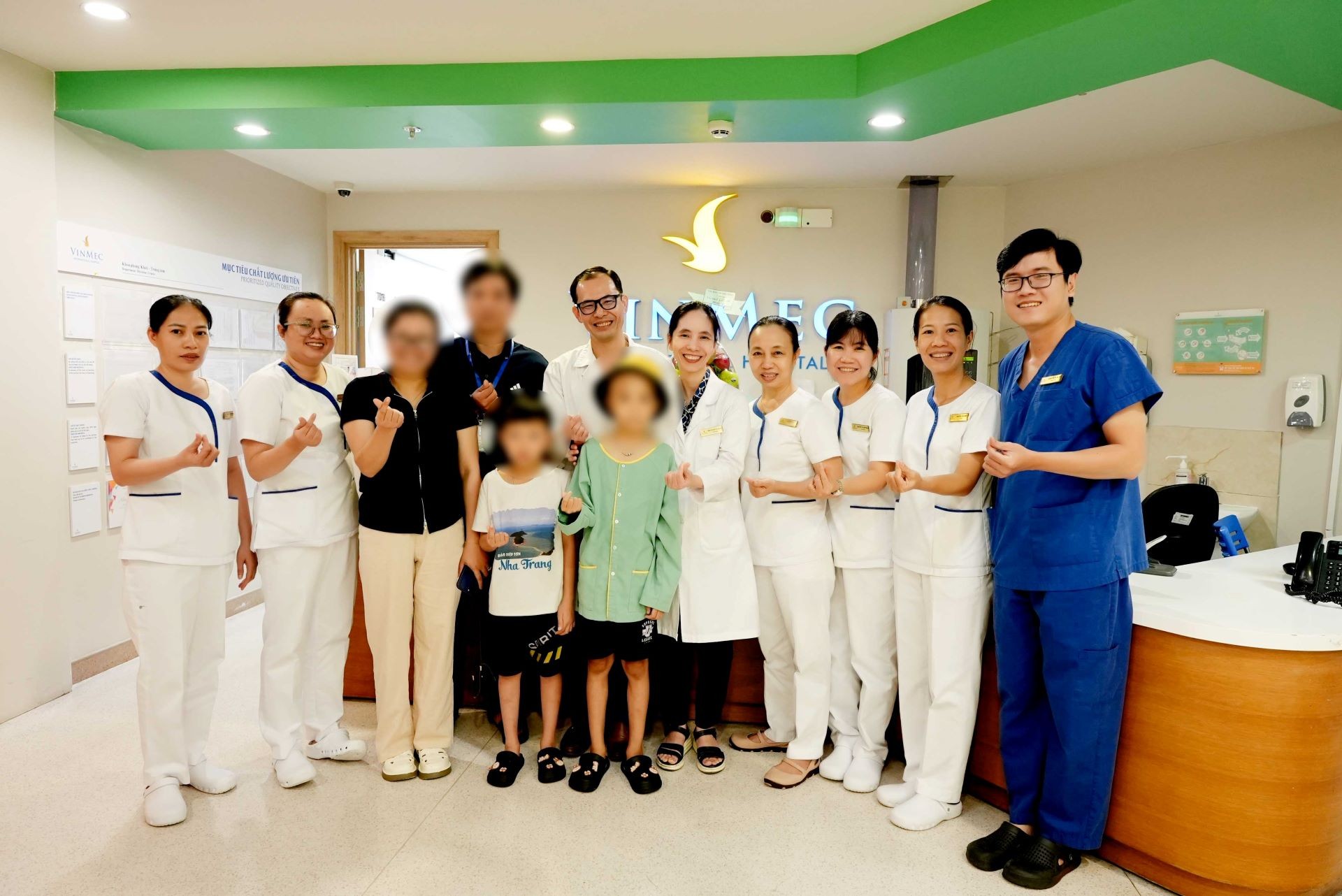
The individualized treatment model – designing a personalized treatment plan for each patient – is also a differentiating factor that helps improve treatment effectiveness, especially in young children – a group of patients who are very sensitive to any neurological damage.
According to Dr. Tri, the successful surgery at Vinmec Central Park not only helped baby K. escape persistent seizures, but also opened up a completely new direction in the treatment of complex neurological diseases.
"We not only use technology to treat diseases, but we transform technology into a guide for hope, helping to ensure that the future of thousands of child patients is no longer blocked by seizures," a representative from Vinmec shared.
Source: https://baohatinh.vn/robot-autoguide-lan-dau-xuat-appear-in-vietnam-buoc-ngoat-cong-nghe-trong-dieu-tri-dong-kinh-post292447.html


















![[Photo] Prime Minister Pham Minh Chinh attends the Conference on the Implementation of Tasks for 2026 of the Industry and Trade Sector](/_next/image?url=https%3A%2F%2Fvphoto.vietnam.vn%2Fthumb%2F1200x675%2Fvietnam%2Fresource%2FIMAGE%2F2025%2F12%2F19%2F1766159500458_ndo_br_shared31-jpg.webp&w=3840&q=75)























































Comment (0)