

According to Dr. Nguyen Thi Phuong (Endocrinology specialist at Nam Saigon International General Hospital), the blood group system is a collection of one or more antigens under the control of a single gene or a group of closely linked homologous genes. As of 2023, there are currently 43 blood group systems recognized by the International Blood Transfusion Association. The ABO blood group system is responsible for the four main blood groups: A, B, O, and AB.
The ABO blood group system is one of the main, clinically significant, and most familiar blood group systems used to determine blood type based on the presence of A and B antigens on the surface of red blood cells.
The ABO blood group system is responsible for the four main blood groups: A, B, O, and AB.
Blood type O - universal blood type
According to Dr. Phuong, blood type O is known as the "universal blood type" because it can be transfused to all other blood types (A, B, AB). Blood type O is considered safe for transfusions because it lacks antigens A or B, eliminating the risk of allergic reactions. This makes blood type O a good choice for those needing blood transfusions. However, blood type O also contains anti-A and anti-B antibodies, so individuals with blood type O can only receive blood from others with the same blood type.
Therefore, blood type O is also considered the "friendliest, most generous, and most open-minded" blood type.
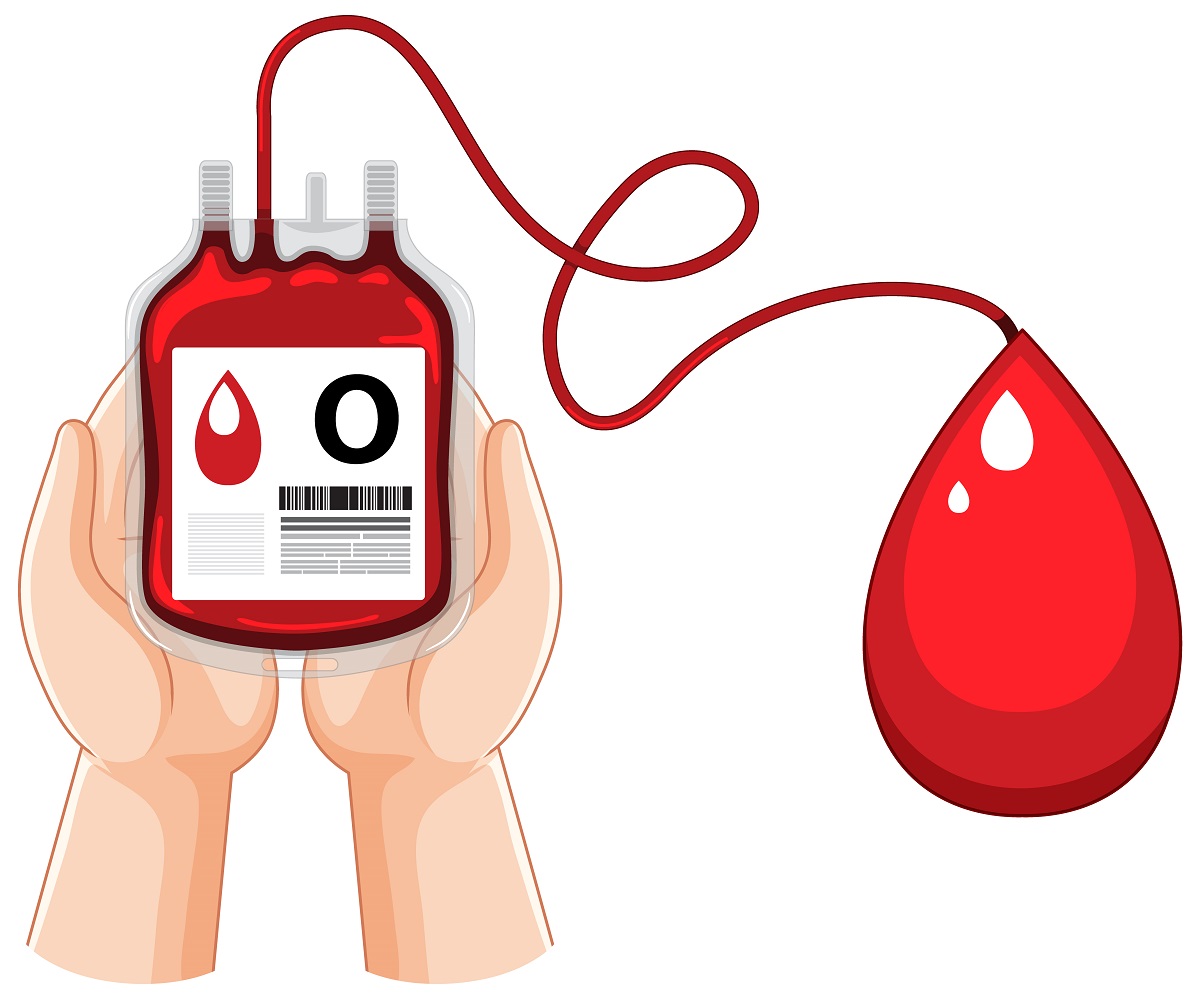
Blood type O is known as the "universal blood type" because it can be transfused to all other blood types.
Health characteristics of blood type O
According to Doctor Phuong, people with blood type O typically have about 20 to 30% lower levels of a specific protein compared to those with blood types A, B, or AB. This protein is von Willebrand factor (VWF), which helps platelets clump together, forming blood clots to stop bleeding from wounds. Therefore, people with blood type O may have a lower risk of thromboembolic disease.
Additionally, certain malignancies have been reported to be more likely to occur in individuals based on blood type characteristics.
Stomach cancer appears to be more common in people with blood type A, gastric and duodenal ulcers occur more frequently in people with blood type O, and pancreatic cancer appears to be more common in people without blood type O (A, AB, or B).
Furthermore, initial research suggests that people with blood types A or AB are at a higher risk of developing and experiencing more severe COVID-19 symptoms compared to those with blood type O. This means that people with blood types A and AB may experience more severe symptoms and require more intensive treatment than those with blood type O.
"However, regardless of blood type, the most important thing is to maintain a healthy lifestyle, exercise regularly, maintain an ideal weight, and have regular health checkups. Doing these things well will help prevent and limit complications of cardiovascular, metabolic, infectious diseases, and cancer," Dr. Phuong advised.
Source: https://thanhnien.vn/nhom-mau-o-bi-mat-suc-khoe-cua-hon-40-dan-so-185241009174307063.htm

![[Photo] National Assembly Chairman Tran Thanh Man successfully concludes his participation in IPU-152](https://vphoto.vietnam.vn/thumb/1200x675/vietnam/resource/IMAGE/2026/04/18/1776502638199_vna-potal-chu-tich-quoc-hoi-ket-thuc-tot-dep-chuong-trinh-tham-du-ipu-152-8709975-jpg.webp)







































































































Comment (0)