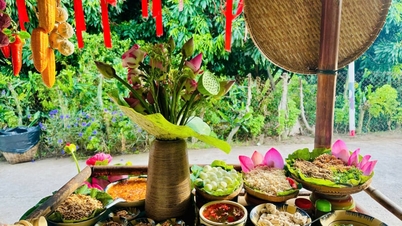
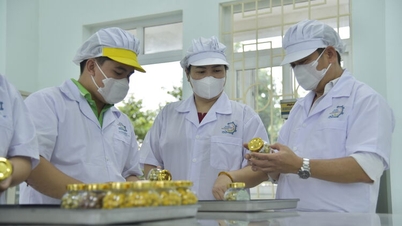
Happy meals - where both body and soul are nourished.
In an educational environment, where students spend a significant portion of their day studying and living, school meals play a particularly important role. Recognizing this, Nobel School prioritizes food safety and hygiene throughout its entire kitchen operation process.
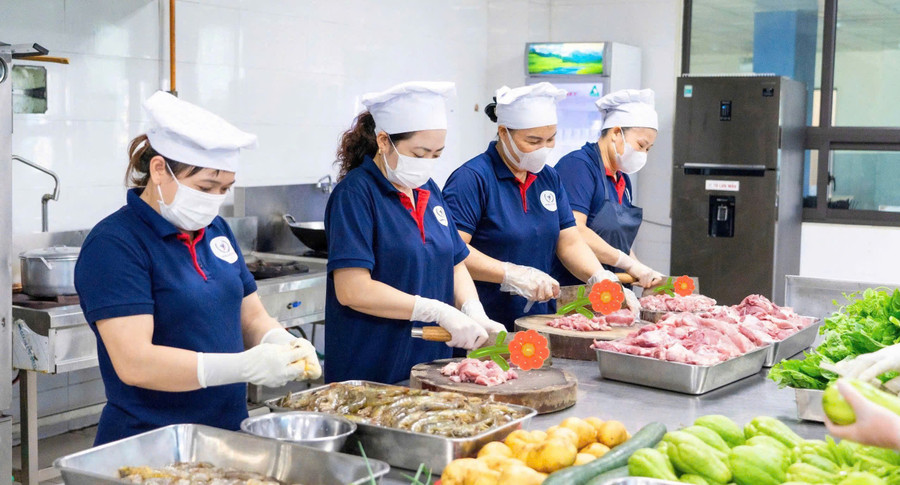
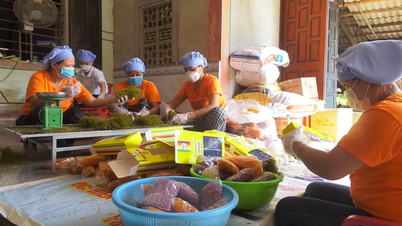
From supplier selection and raw material procurement to preparation, processing, and portioning, every step is strictly controlled. All incoming materials are thoroughly checked for origin, expiration date, transportation conditions, and storage. The school firmly rejects food containing preservatives, harmful chemicals, or of unknown origin.
The kitchen operates on a closed-loop system, with clearly defined areas for raw and cooked food, ensuring a one-way flow in processing. Kitchen staff receive regular training on food safety, storage, and processing techniques to minimize risks.
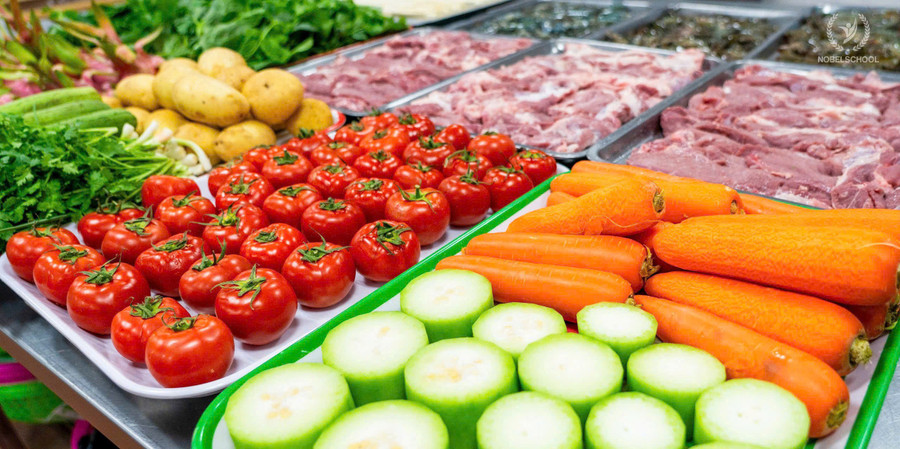
Strict adherence to regulations is not only aimed at preventing food poisoning, but more importantly, at building trust with parents – those who entrust their children to the school for both their education and health.
According to Ms. Nguyen Thi Lan, founder of the Nobel School System, while safety is a prerequisite, nutritional quality is the core element that creates a "happy meal." At Nobel School, the menu is scientifically designed, balancing the different nutrient groups: protein, fat, carbohydrates, vitamins, and minerals. Dishes are changed flexibly weekly and seasonally to ensure variety and suitability for the physical condition of students of different age groups.
Notably, the school prioritizes minimizing the use of sugar and processed foods in its meals. Instead of greasy fried foods or processed meals, the menu emphasizes green vegetables, fresh fruits, and whole grains. These are abundant sources of fiber and essential micronutrients, contributing to improved digestion, stronger immunity, and brain development.
The dishes are prepared in a way that preserves their natural nutritional value, reduces strong seasonings, and limits salt and sugar. As a result, students gradually develop a taste for light and healthy foods, becoming accustomed to fresh ingredients instead of relying on sweets or fast food – one of the main causes of obesity and metabolic disorders in children today.
School meals not only provide energy for a day of studying, but also help shape healthy eating habits – a factor that has a long-term impact on children's health as they grow into adulthood.
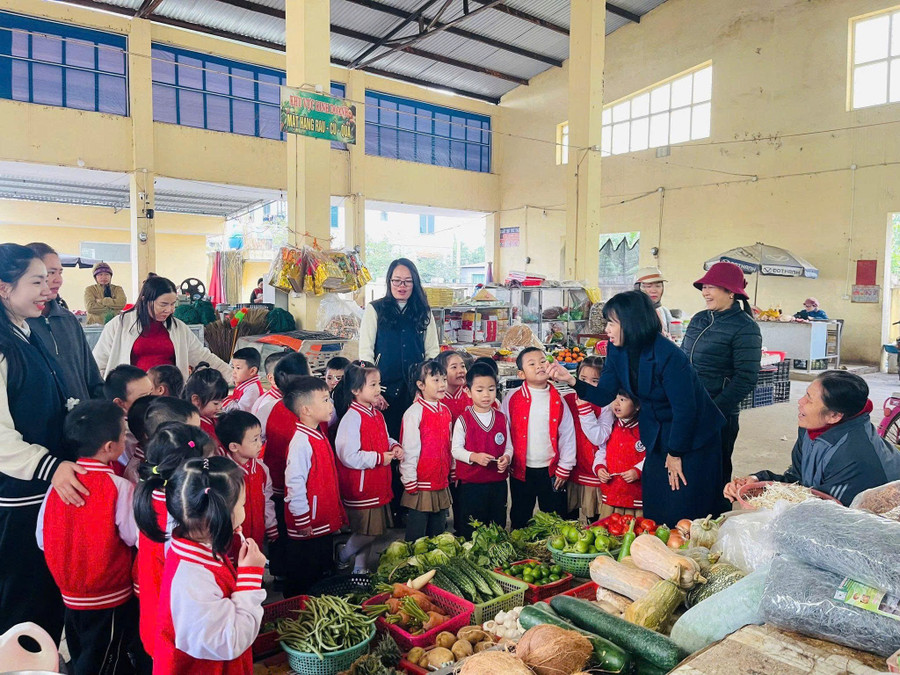



The founder of Nobel School stated that the distinguishing feature of the "happy meal" model at Nobel School is the connection between nutrition and education. The school does not view meal provision as merely a logistical service, but as an integral part of a comprehensive educational program.
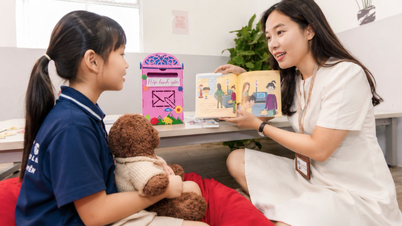
Students participate in lessons to learn about vegetables and fruits; differentiate food groups; and recognize the nutritional value of familiar foods. These seemingly simple pieces of knowledge help children understand why they need to eat a varied diet and why they shouldn't overindulge in sweets or processed foods.
In addition, experiential activities such as planting trees in the school garden, caring for vegetables, and observing the growth process of plants have given students a visual perspective on the origin of food. By directly sowing seeds, watering, and harvesting, they further appreciate the value of each meal and become more aware of the need to reduce waste.
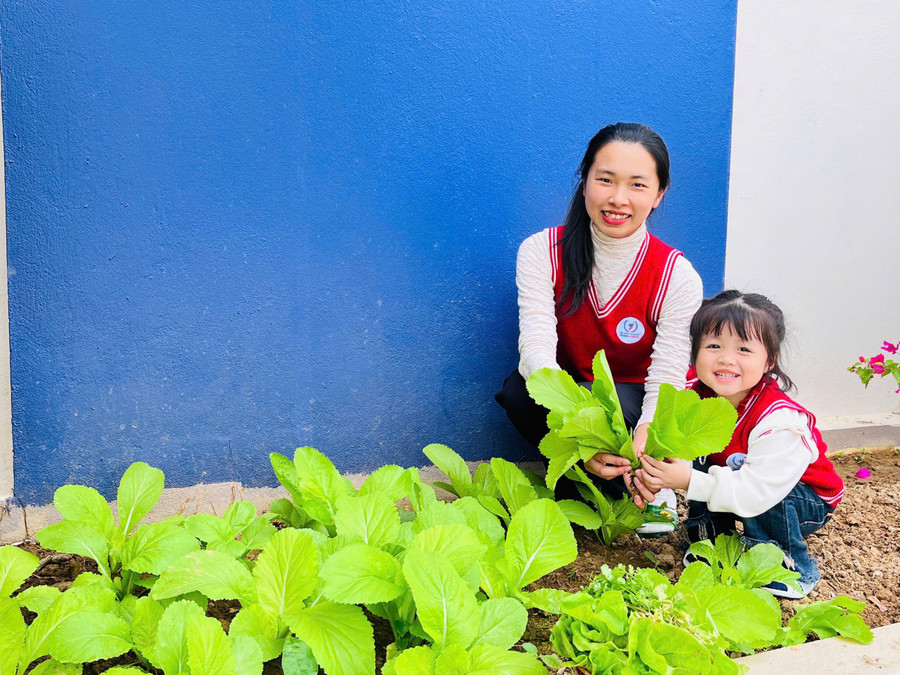
Integrating nutrition education into school life not only helps students "eat healthily" but also "live healthily"—knowing how to choose, consider, and take responsibility for their own bodies.
Transparent origin – Standardized processes – Responsible partnership
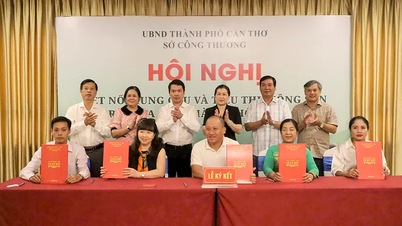
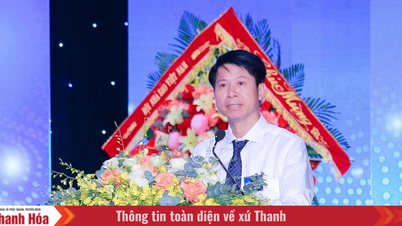
To ensure the sustainability of its school meal model, Nobel School places special emphasis on its relationship with food suppliers. Each school year, the school organizes a meeting with food suppliers – a strategic annual event.
At the conference, both sides reviewed and assessed the coordination work during the previous academic year, analyzed any shortcomings, and proposed directions for improvement for the new academic year. This was also an opportunity to finalize quality standards, inspection procedures, and solutions for any problems that might arise.
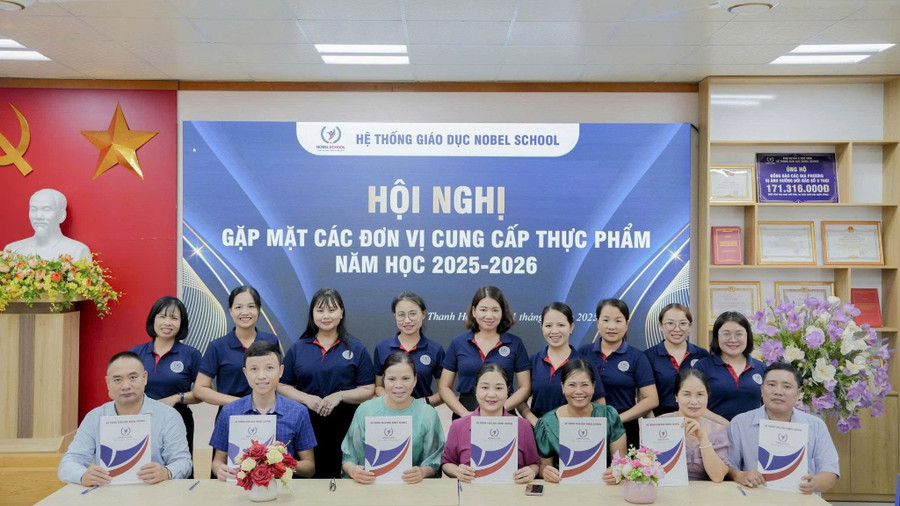
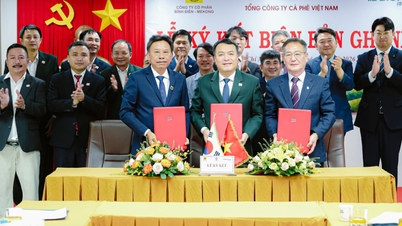
The highlight of the conference was the contract signing ceremony and commitment of responsibility between the school and its partners. The agreements revolved around three key criteria: transparency of origin – standardized processes – shared responsibility.
Transparency in origin goes beyond simply providing certification documents; it also includes the readiness for inspection and monitoring at any time. Standardizing processes ensures that every shipment and every stage of transportation adheres to strict requirements. Shared responsibility is demonstrated by all parties working towards a common goal: protecting the health and future of students.
This coordination mechanism helps build a safe food supply chain, minimize risks, and enhance proactive management.



In the context of parents' increasing concern for the quality of student care at school, "happy meals" have become one of the criteria for evaluating the prestige of educational institutions. However, at Nobel School, the value of meals lies not only in the number of portions or the variety of menus, but also in the educational philosophy behind them.
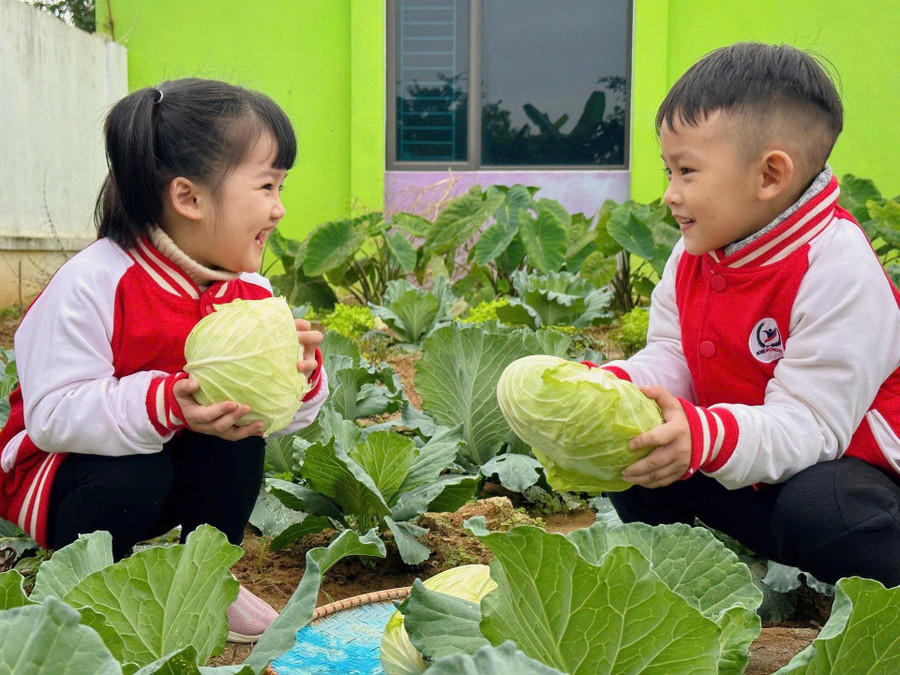
A nutritious meal helps students concentrate better during class. A safe meal gives parents peace of mind. A well-organized and transparent meal program helps build a culture of responsibility within the school.
From limiting sugar and processed foods, increasing green vegetables, fresh fruits, and whole grains, to organizing conferences with suppliers and integrating nutrition education into the curriculum, all of these create a synergistic ecosystem where physical health goes hand in hand with intellectual and personal development.
It can be said that the "happy meal" at Nobel School is not simply about school lunches, but rather a foundation for nurturing a generation of healthy, confident students with a healthy lifestyle. From seemingly small things in the kitchen, the school is contributing to creating great values for the future.
Source: https://giaoducthoidai.vn/bua-an-hanh-phuc-tai-nobel-school-post769041.html


































![[Photo] Thousands of people participate in a run to show their support for the campaign "Sharing a common determination to build drug-free communes, wards, and special zones".](https://vphoto.vietnam.vn/thumb/1200x675/vietnam/resource/IMAGE/2026/06/27/1782554475933_0673e2a3df7b5e25076a-8283-jpg.webp)