

Carrots and white radishes
Carrots contain the enzyme ascorbate oxidase, which can reduce the amount of vitamin C in white radishes – an important source of vitamin C.
However, this enzyme is degraded during cooking, so the problem isn't serious if the food is prepared properly.
Carrots with lemon, peppers, and tomatoes
Foods rich in vitamin C may also be similarly affected when combined with carrots due to the presence of the enzyme ascorbate oxidase. However, the actual effect is very small and not a cause for concern in a normal diet.

Foods rich in vitamin C can also be similarly affected when combined with carrots due to the presence of the enzyme ascorbate oxidase.
Carrots and animal liver
Some believe that liver contains metals like copper and iron that may react with vitamin C in carrots, reducing nutrient absorption. However, there is currently no sufficient scientific research to prove this.
Carrots pair well with shellfish (shrimp, crab).
Some concerns relate to the possibility that pentavalent arsenic in seafood shells, when combined with vitamin C, can convert into trivalent arsenic – a toxic substance. However, the amount of arsenic in seafood is usually very small, and thorough processing will minimize this potential risk.
Important notes when preparing carrots
To preserve the nutritional value and ensure your health, please note the following points when using carrots:
Avoid chopping carrots too finely: Chopping carrots into excessively small pieces before cooking can cause the protein and carbohydrates to dissolve into the water, reducing their nutritional value.
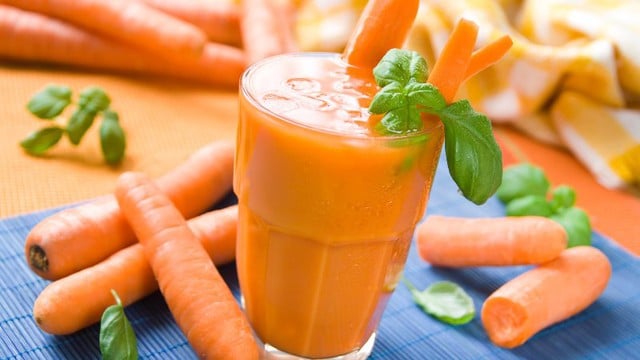
Carrots are a highly nutritious food.
Avoid overcooking: Cooking carrots for a long time, especially at high temperatures, can cause the nitrates in carrots to convert into nitrites – a substance that can be harmful, especially to infants under 6 months old.
Moderate consumption: Adults should maintain a carrot intake of around 300g per week, and children around 150g. Eating too many carrots can cause jaundice due to the accumulation of beta-carotene, and lead to health problems such as loss of appetite, fatigue, or increased blood lipids.
Optimal cooking method: Steaming or lightly boiling is the best way to retain most of the vitamins and minerals in carrots.
"Proper preparation and a balanced diet will help carrots maximize their benefits while avoiding unwanted side effects."
Other foods to avoid combining with carrots
In addition to the foods mentioned, you should also be aware of some other food groups that may interact negatively when eaten with carrots:
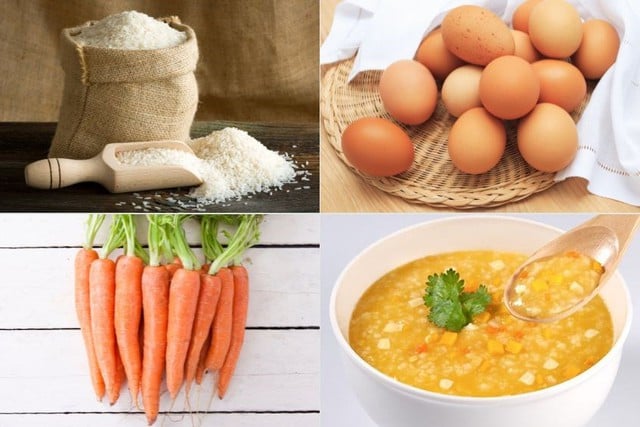
Some sources suggest that eating carrots and eggs at the same time may cause indigestion and bloating due to their different digestive mechanisms.
Chicken eggs: Some sources suggest that eating carrots and chicken eggs at the same time may cause indigestion and bloating due to different digestive mechanisms. While there is no clear scientific evidence, you should limit eating them together if you are prone to digestive problems.
Starchy foods: Carrots are high in fiber, so eating them with starchy foods like potatoes, corn, and wheat can reduce nutrient absorption and cause bloating and discomfort.
Soybeans and soy products: Because soybeans also contain a lot of protein and phytate, combining them with carrots can interfere with the absorption of iron and zinc. They should be eaten separately from meals containing a lot of carrots to avoid increasing the risk of mineral deficiencies.
Source: https://giadinh.suckhoedoisong.vn/ca-rot-ky-voi-nhung-thuc-pham-nao-172251205171636632.htm
![[Photo] Prime Minister Pham Minh Chinh receives the Chinese Ambassador to Vietnam](https://vphoto.vietnam.vn/thumb/1200x675/vietnam/resource/IMAGE/2026/04/05/1775397481797_ndo_br_dsc-5512-jpg.webp)




























































































Comment (0)