

If left untreated, sinusitis can recur repeatedly and lead to chronic sinusitis.
Causes of acute sinusitis
- Upper respiratory tract viral infection.
- Allergy.
- Gastroesophageal reflux disease (GERD).
- Inhaling irritants (dust, cigarette smoke, chemicals, etc.).
- Anatomical abnormalities of the sinuses (deviated septum, middle turbinate hypertrophy, uncinate process hypertrophy, ethmoid bulla).
- VA is overgrown.
- Sinus injury.
- Tumors in the nasopharynx and throat.
- Conditions such as immunosuppression and ciliary dysfunction can cause acute sinusitis.
- Causes of acute sinusitis
- The main symptoms of acute sinusitis.
- How to care for someone with acute sinusitis.
- Treatment of acute sinusitis
The main symptoms of acute sinusitis.
The symptoms of acute sinusitis are also the common symptoms of sinusitis, such as:
- The most typical symptom is facial pain, specifically: maxillary sinusitis causes pain in the cheek area; frontal sinusitis causes pain between the eyebrows; anterior ethmoid sinusitis causes pain between the eyes; and sphenoid sinusitis causes pain inside the head and back of the neck.
- Nasal discharge, initially clear, then becoming thick, mucousy, yellow or green, and sometimes even foul-smelling. The discharge usually flows out through the nostrils or down the throat, a condition known as postnasal drip.
- Nasal congestion, or blockage, causes difficulty breathing, is more common when lying down, and often worsens in the evening.
- Reduced or complete loss of sense of smell.
- Fever
- Some minor accompanying symptoms include tinnitus, headache, earache, cough, sore throat due to postnasal drip, extreme fatigue, toothache, bad breath, etc.
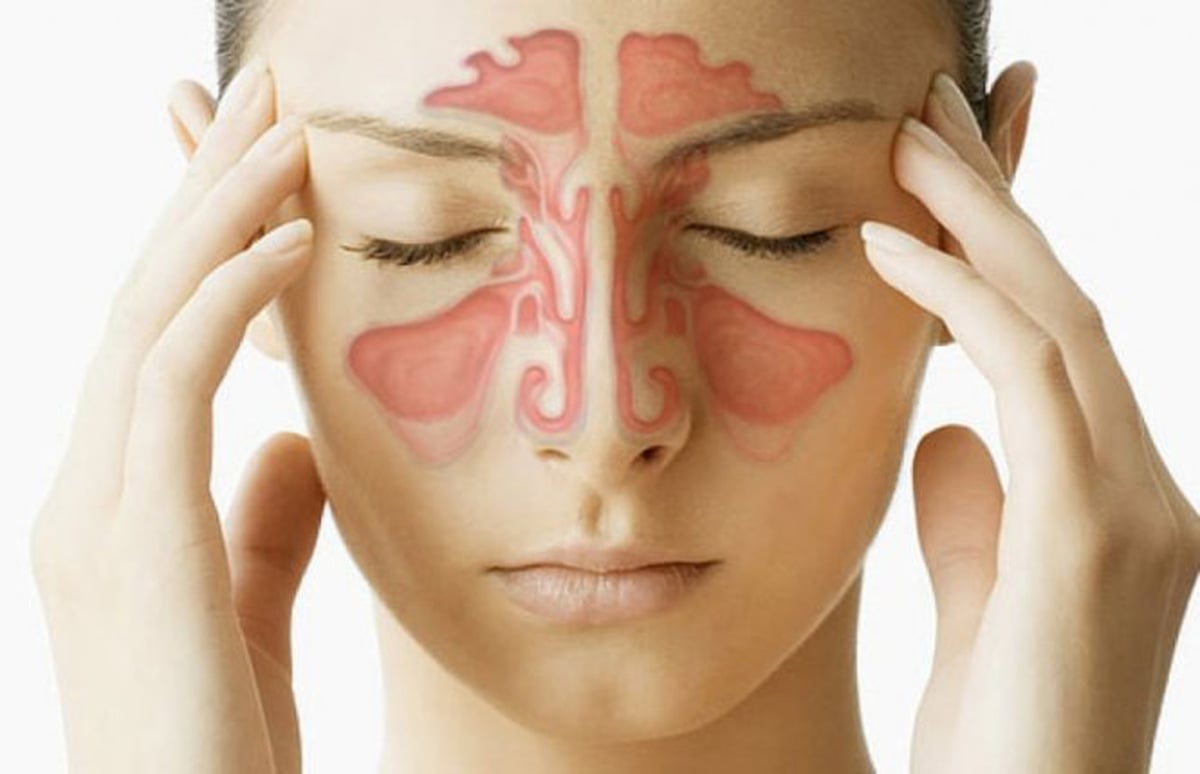
If left untreated, sinusitis can recur repeatedly and lead to chronic sinusitis.
However, acute sinusitis has several distinctive features that help differentiate it from other conditions such as viral rhinitis and temporomandibular joint pain, specifically:
Symptoms last from 10-14 days, during which time the signs do not subside but are severe from the beginning.
In some cases, high fever accompanied by nasal discharge or facial pain may last for 3-4 consecutive days.
How to care for someone with acute sinusitis.
Acute sinusitis is primarily treated with medication and daily nasal hygiene. Patients must strictly adhere to the following principles to ensure successful treatment and minimize complications:
- Take medication as prescribed: at the correct dosage and for the correct duration. Do not change or stop taking medication without consulting a doctor.
- Please attend your follow-up appointment as scheduled.
- Follow the instructions for nasal rinsing. Rinse your nose at least 2-3 times a day.
- Use warm saline solution or a nasal cleansing solution as recommended by the manufacturer.
- If you have severe nasal congestion, use a vasoconstrictor before rinsing your nose. However, this medication must be prescribed by a doctor and should not be used for more than 7 days.
- Clean and dry the nasal irrigation device thoroughly.
- Maintain daily oral hygiene.
- Keep your body warm.
- Use a humidifier.
- Wash your hands frequently.
- Improve your diet and drink plenty of fruit juices to supplement vitamins and boost your immune system.
- Get adequate rest and avoid strenuous work or strenuous exercise while you are sick.
- Avoid smoking and exposure to polluted environments and dust.
See your doctor immediately if you experience any of the following symptoms:
When symptoms worsen or any unusual manifestations occur:
- Swelling of the face and eyelids.
- The headache and facial pain did not subside.
- Frequent ringing in the ears, ear pain.
- Loss of smell.
- Persistent high fever.
- Blurred vision, double vision.
Treatment of acute sinusitis
How to treat acute sinusitis completely is a question many people ask. According to experts, if the disease is caused by a virus, it may resolve on its own after a short time; otherwise, treatment with local supportive therapies is necessary to reduce symptoms.
Use medication
The medications used in treating the disease include:
Over-the-counter pain relievers such as ibuprofen, acetaminophen, or aspirin can help reduce pain in the face, head, eye sockets, neck, etc.
Antibiotics are prescribed if the inflammation is severe. Prescriptions for acute sinusitis require a doctor's prescription and guidance; you should not self-medicate with antibiotics to avoid antibiotic resistance, ineffective treatment, and a worsening of the condition.
Nasal irrigation - A common home remedy for acute sinusitis.
This is the recommended method for both acute purulent sinusitis and is easy to perform at home. Nasal irrigation includes:
Steroid nasal sprays reduce swelling of the nasal mucosa and relieve nasal congestion, making patients more comfortable. However, it's important to consult a doctor before using these sprays, as long-term use can worsen the condition and lead to recurrence.
Use saline solution to rinse and clean the nose to thin mucus and remove impurities, helping to reduce symptoms.
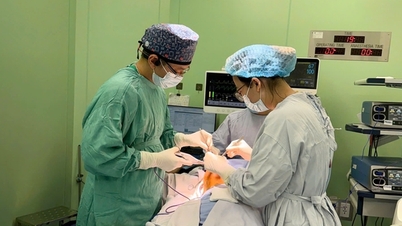
Surgical intervention
This procedure is used if the sinusitis is caused by a fungal infection. Surgery will help remove the fungus and prevent it from multiplying, causing recurrent infections and dangerous complications.
Additionally, there is immunotherapy, which means allergy shots to help the body fight off external allergens, one of the causes of acute sinusitis.
In summary: Acute sinusitis is affecting the quality of life of many people, especially with increasing air quality, environmental pollution, and dust. Therefore, you need to seek treatment early and persistently to completely cure the disease and avoid it progressing to the chronic stage.
Source: https://suckhoedoisong.vn/cach-cham-care-when-having-acute-sinusitis-16925122419315787.htm

![[Photo] General Secretary and President To Lam visits and delivers a policy speech at Tsinghua University.](https://vphoto.vietnam.vn/thumb/1200x675/vietnam/resource/IMAGE/2026/04/14/1776164592318_vna-potal-tong-bi-thu-chu-tich-nuoc-tham-va-phat-bieu-chinh-sach-tai-dai-hoc-thanh-hoa-trung-quoc-8700658-5437-jpg.webp)
![[Photo] General Secretary and President To Lam and his wife begin their state visit to China.](https://vphoto.vietnam.vn/thumb/1200x675/vietnam/resource/IMAGE/2026/04/14/1776133794926_z7723148772587-ffefa3c4b1e54e100de1554593a862c6-jpg.webp)
![[Image] Expediting land clearance at Alley 310 Nghi Tam to facilitate the construction of Tu Lien Bridge](https://vphoto.vietnam.vn/thumb/1200x675/vietnam/resource/IMAGE/2026/04/14/1776160406551_ndo_br_z7724148990408-9e5d4777e3c4504998b4286178b2e66e-jpg.webp)















![[Photo] General Secretary and President To Lam receives Slovak Prime Minister Robert Fico](https://vphoto.vietnam.vn/thumb/1200x675/vietnam/resource/IMAGE/2026/04/13/1776080592076_a1-bnd-8227-6002-jpg.webp)














































Comment (0)