

I want to grow and propagate waxy coconuts. Could you please guide me on the best planting techniques to achieve high yields?
Nguyen Minh Sol (Nhi Long Commune)
Dear Sol!
Waxy coconuts are a type of coconut with a solid flesh, thick pulp, and distinctive flavor, making them popular among many people. Growing and propagating this type of tree requires attention to basic cultivation techniques.
First, the propagation of waxy coconuts is primarily done by fruit. Therefore, the coconuts used for propagation must be selected from parent trees over 10 years old, healthy, and disease-free trees with waxy flesh. Choose bunches with many fruits, large fruits, and beautiful colors (note that you should choose coconuts with fleshy flesh); waxy fruits will not germinate if chosen. The harvested coconuts are hung on a string to dry, then the surface is cut off, and they are laid on the ground or placed in plastic bags containing coconut fiber and manure, then transferred to the nursery.
Use a trellis to shade the plants from excessive sunlight, water once a day, and no watering is needed during the rainy season. After about 35 days in the nursery, the seeds will germinate. Once germinated, spray with foliar fertilizer to stimulate leaf and root growth. Continue caring for them for another 25 days; when the coconut seedlings reach 50cm in height and roots emerge from the coconut shell, they can be transplanted.
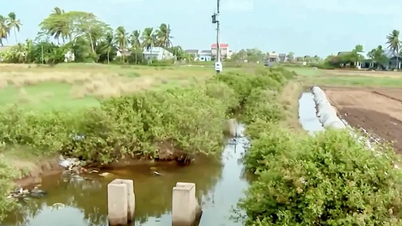
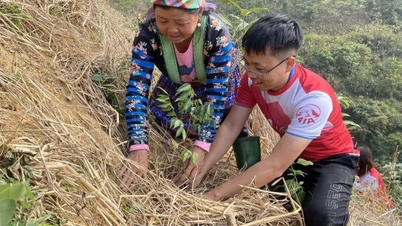
Waxy coconuts thrive in light sandy loam soil and can be planted around pond or canal banks. For large-scale planting, they should be planted in concentrated areas. Dig wide holes or create raised mounds, mix in manure, rice husk ash, and organic fertilizer, then cover with a thin layer of soil. Lower the coconut seedling into the hole and fill with soil, compacting it up to the level of the root ball.
After planting, water the coconut trees once a day. After 30 days, apply urea fertilizer, one handful per tree. When the tree flowers, apply 1 kg of NPK fertilizer. Apply the fertilizer by digging a trench around the base of the coconut tree, 1.5 meters away from the trunk, placing the fertilizer in the trench, and then covering it with soil. To achieve a high percentage of waxy flesh (thick flesh), artificial pollination is necessary when the tree flowers. Before pollination, collect male pollen from the waxy flower buds that have opened 2-3 days prior. This is when the male pollen is mature and strong enough to pollinate the female flowers more effectively.
To prevent pests and diseases in waxy coconut trees, the canopy should be washed once a year, and dry leaf sheaths should be cut twice to prevent rodent damage. Coconut trees are relatively disease-resistant, but are often attacked by coconut beetles; therefore, parasitic wasps should be released into coconut plantations to control these beetles.
If properly cared for, waxy coconut trees can begin to yield fruit in their third year (with a good harvest in the fifth year). A single waxy coconut tree can produce 100 fruits per year, with approximately 30% of the fruits being waxy.
FARMER'S FRIEND
Source: https://baovinhlong.com.vn/kinh-te/nong-nghiep/202507/cach-nhan-giong-dua-sap-hieu-qua-62b2acc/















































































Comment (0)