On average, more than 114 people die each day, and approximately one person loses their life every 12 minutes due to the toxic air caused by vehicle emissions. This is no longer just a story of future climate change, but a real-time public health crisis.
Exhaust fumes from gasoline and diesel vehicles contain a range of dangerous pollutants such as PM2.5 fine particulate matter, nitrogen oxides (NOx), and toxic organic compounds. These ultrafine particles can penetrate deep into the lungs, enter the bloodstream, and increase the risk of stroke, heart attack, lung cancer, and many chronic respiratory diseases.
Even more concerning, children are the hardest hit group. The report shows that the US has the highest number of new asthma cases in children due to traffic pollution in the world. In 2024 alone, American children accounted for 10% of all new asthma cases related to traffic pollution globally. Significantly, the vast majority of these deaths and illnesses are entirely preventable.


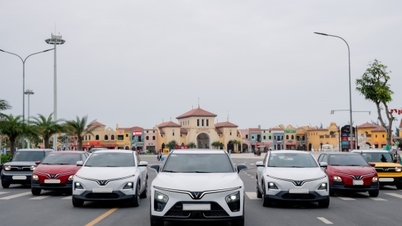
Researchers estimate that if the transition to zero-emission vehicles accelerates and electric cars, electric trucks, and electric buses account for 100% of new sales by 2040, the world could prevent over 100,000 premature deaths and avoid over 42,000 cases of childhood asthma by 2050 in the US alone. This demonstrates that investing in clean transportation is not only an environmental protection solution but also a life-saving policy.
In fact, many cities have demonstrated that green transportation and emissions control improve air quality, protect health, and reduce carbon emissions. Conversely, loosening environmental regulations or a slow transition to clean energy will lead to continued increases in deaths and illnesses. The message from the research is clear: traffic emissions are not just an environmental issue, but a matter of life and death, demanding more decisive action from the government .
Clearly, to reduce fatalities, governments need to accelerate the transition to zero-emission transportation, tighten emissions standards, invest in public transport, and develop policies based on scientific evidence regarding the impact of air pollution. Clean air is not a privilege, but a fundamental human right. Every hour that passes with five more deaths due to toxic emissions is a warning that delays in action are measured in irretrievable lives.



Source: https://baovanhoa.vn/doi-song/can-hanh-dong-quyet-liet-hon-241985.html