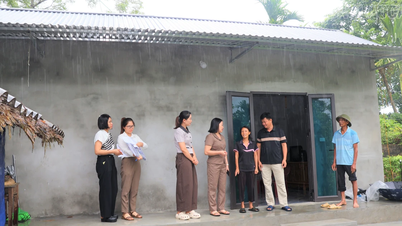
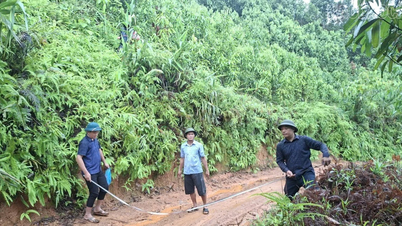
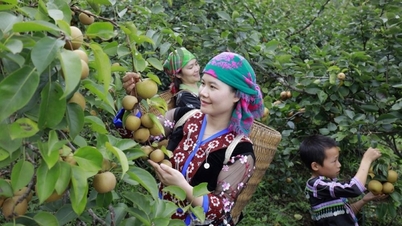
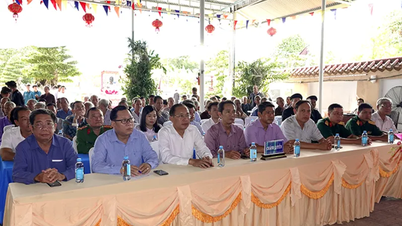
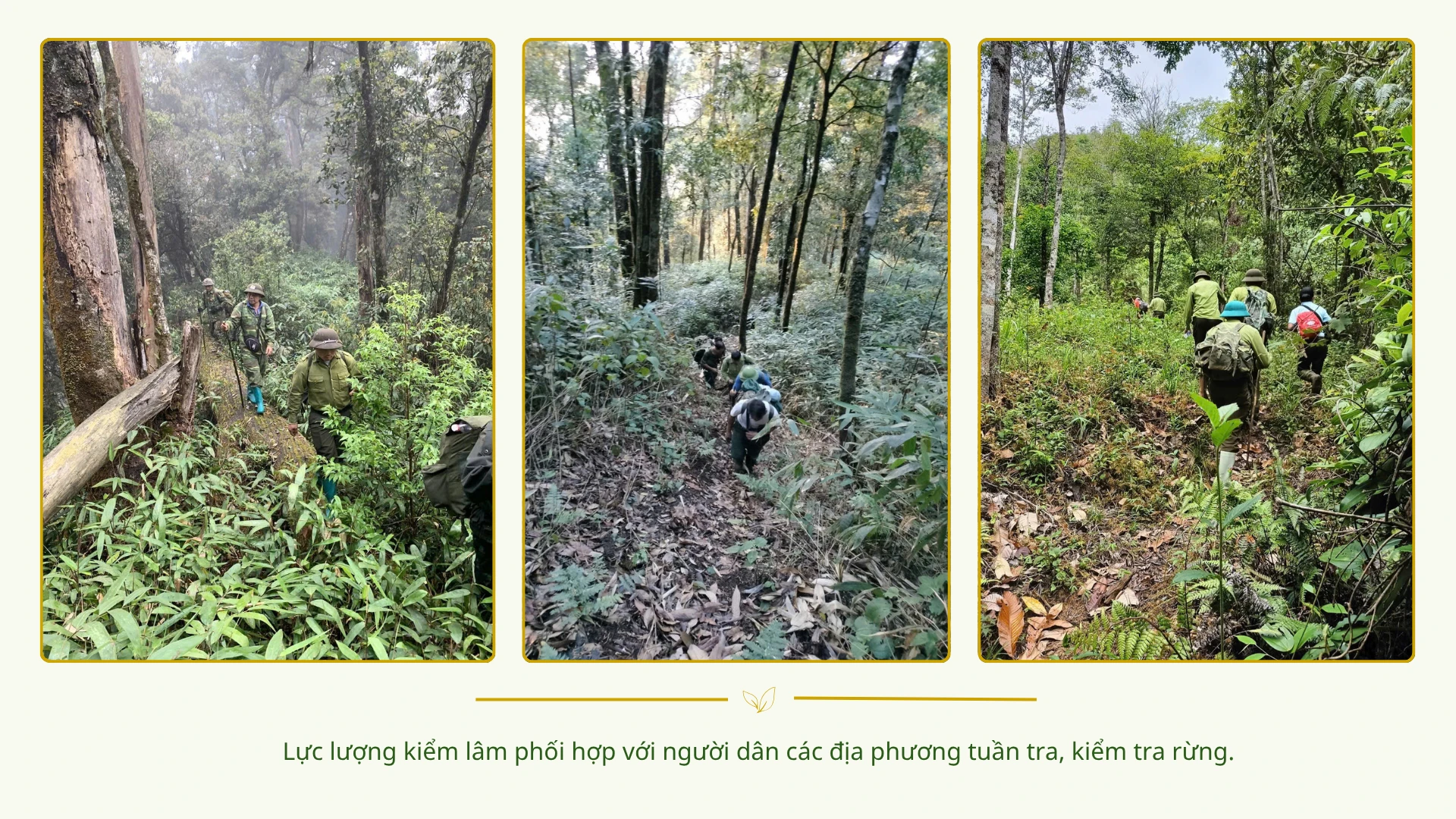
In Tan Phong village, Bao Ai commune, forest patrolling and protection has become a regular task for the local community. With 71.3 hectares of natural forest under their management, the village's forest protection team, consisting of 13 members, takes turns inspecting and patrolling the forest's condition monthly. Mr. Hoang Ngoc Tuan, head of Tan Phong village and leader of the forest protection team, said that thanks to regular patrols, the managed forest area has not experienced any illegal logging, encroachment, or exploitation for many years. Annually, the community receives payments for forest environmental services at an average rate of approximately 370,000 VND per person per hectare. Although the amount is not large, this funding contributes to supporting the community's forest protection activities.
Not only benefiting from the forest environmental service payment policy, the people of Tan Phong village also receive support for developing livelihoods linked to forest protection, including the model of planting grafted Terminalia catappa trees under the forest canopy. Through the Forest and Farm Support Program (FFF), two communities contracted to protect forests in Tan Phong and Dong Ke received support to plant 1,120 grafted Terminalia catappa trees under the canopy of degraded forests. To date, the area of Terminalia catappa trees is growing well, opening up more opportunities to generate income from the forest for the people in the coming years.
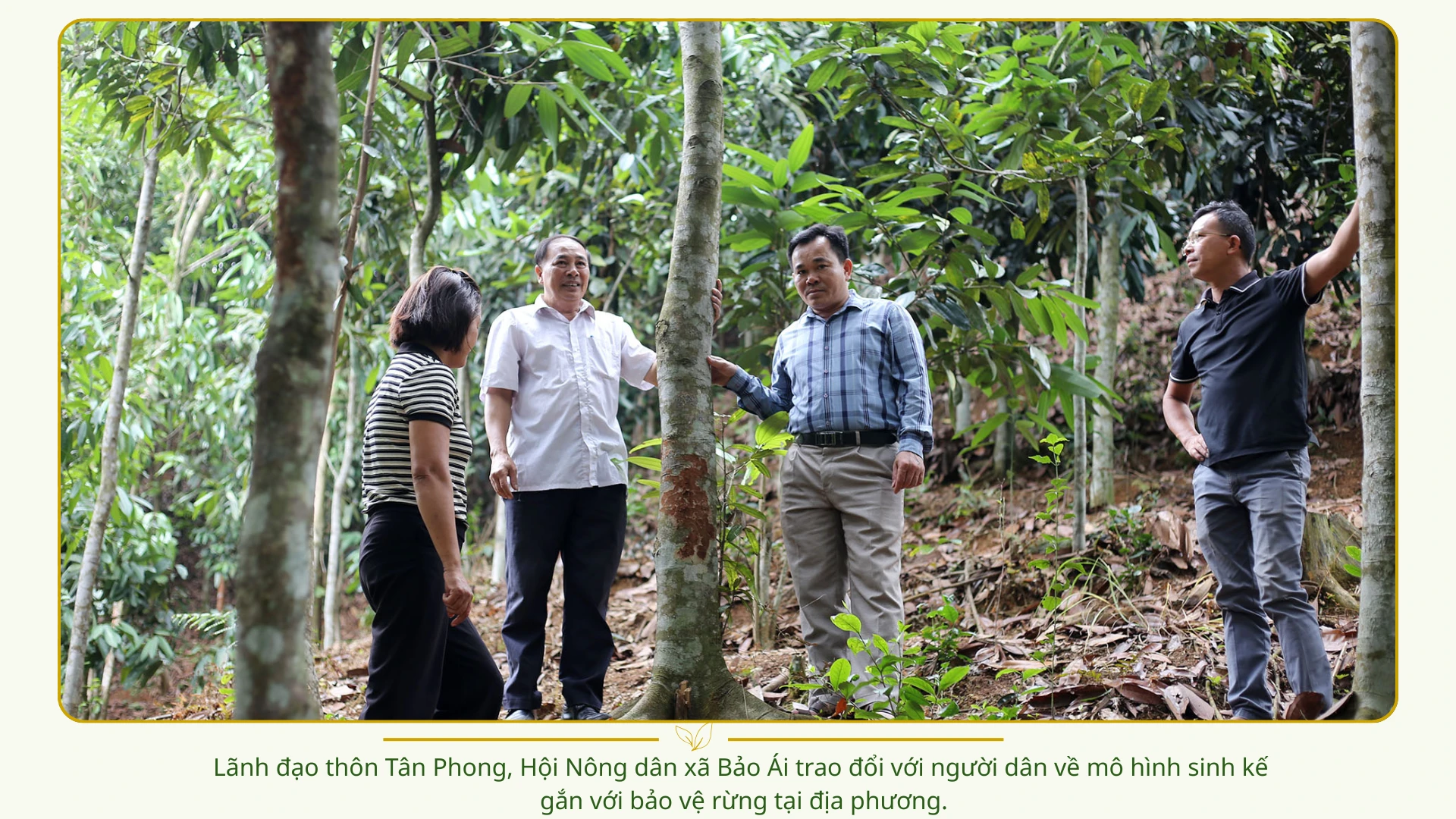
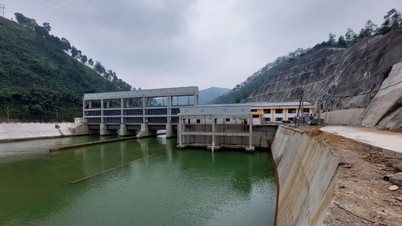
According to Mr. Tuan, the forest area under their management plays a particularly important role in protecting the headwaters that serve the production and daily life of the people in the area. Therefore, all members of the group understand that preserving the forest is also preserving the livelihood of their own community.
From the experience in Tan Phong, it can be seen that when people are both entrusted with the responsibility of protecting the forest and have the opportunity to legally benefit from it through appropriate support policies and livelihood models, the effectiveness of forest protection is significantly enhanced. People are no longer detached from forest protection but become a direct force patrolling, detecting, and preventing forest encroachment risks at the grassroots level.
While local communities are the primary force protecting forests at the grassroots level, forestry enterprises are responsible for managing vast forest areas spanning multiple regions.
At Bao Yen Forestry One-Member Limited Company, the unit manages over 9,156 hectares of forest land, of which more than 4,053 hectares of natural forest are contracted out for protection to communities, household groups, and individual households through 53 contract agreements.
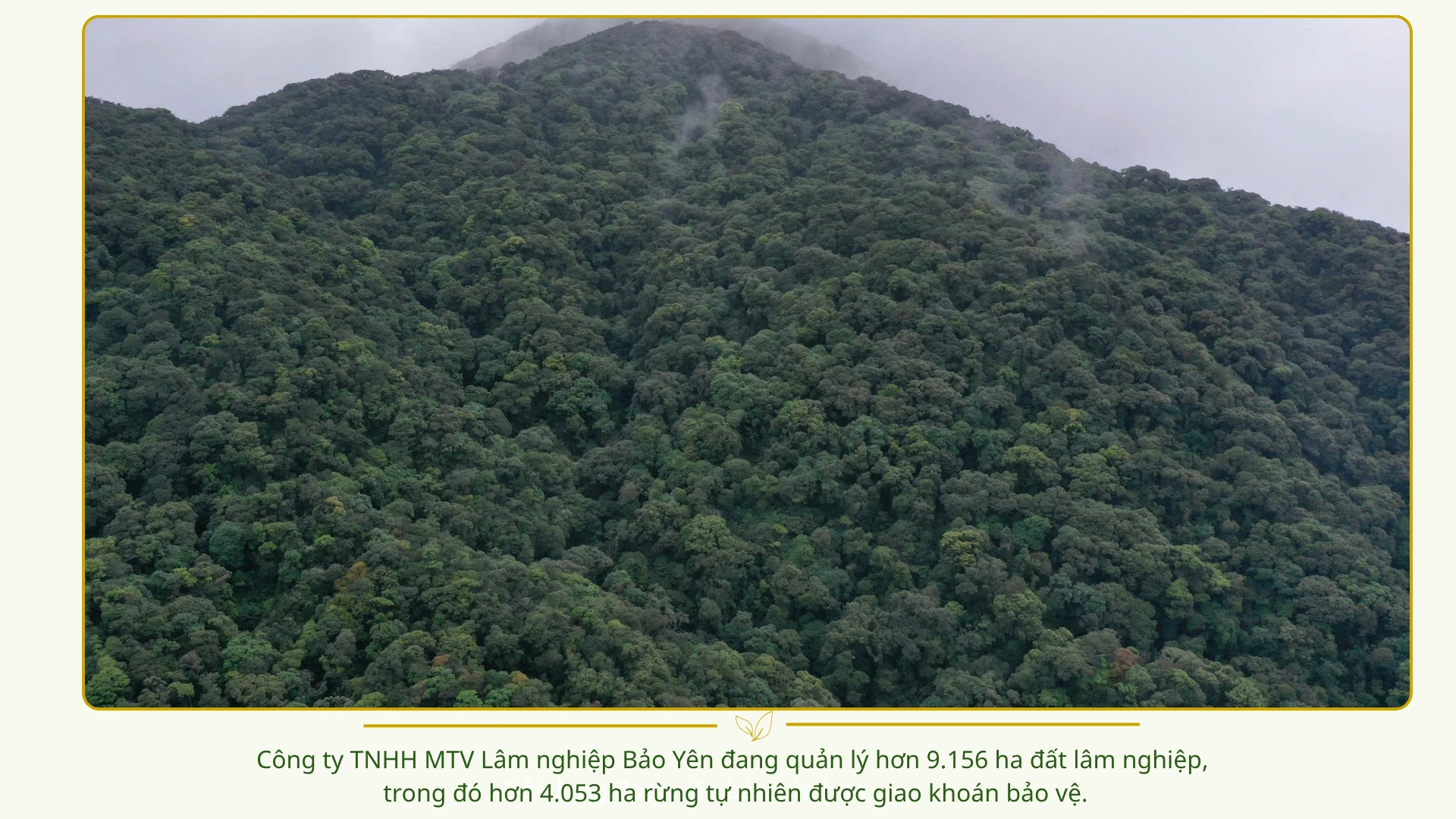


Mr. Dang Quang Trung, Deputy Director in charge of Bao Yen Forestry One-Member Limited Company, said that every year, the company signs forest protection contracts with local communities, households, and individuals living in areas bordering the forest managed by the company. In addition, the company maintains a dedicated forest protection force, coordinating with local authorities, villages, and forest rangers to organize awareness campaigns and patrols, especially during hot weather and periods of high forest fire risk.
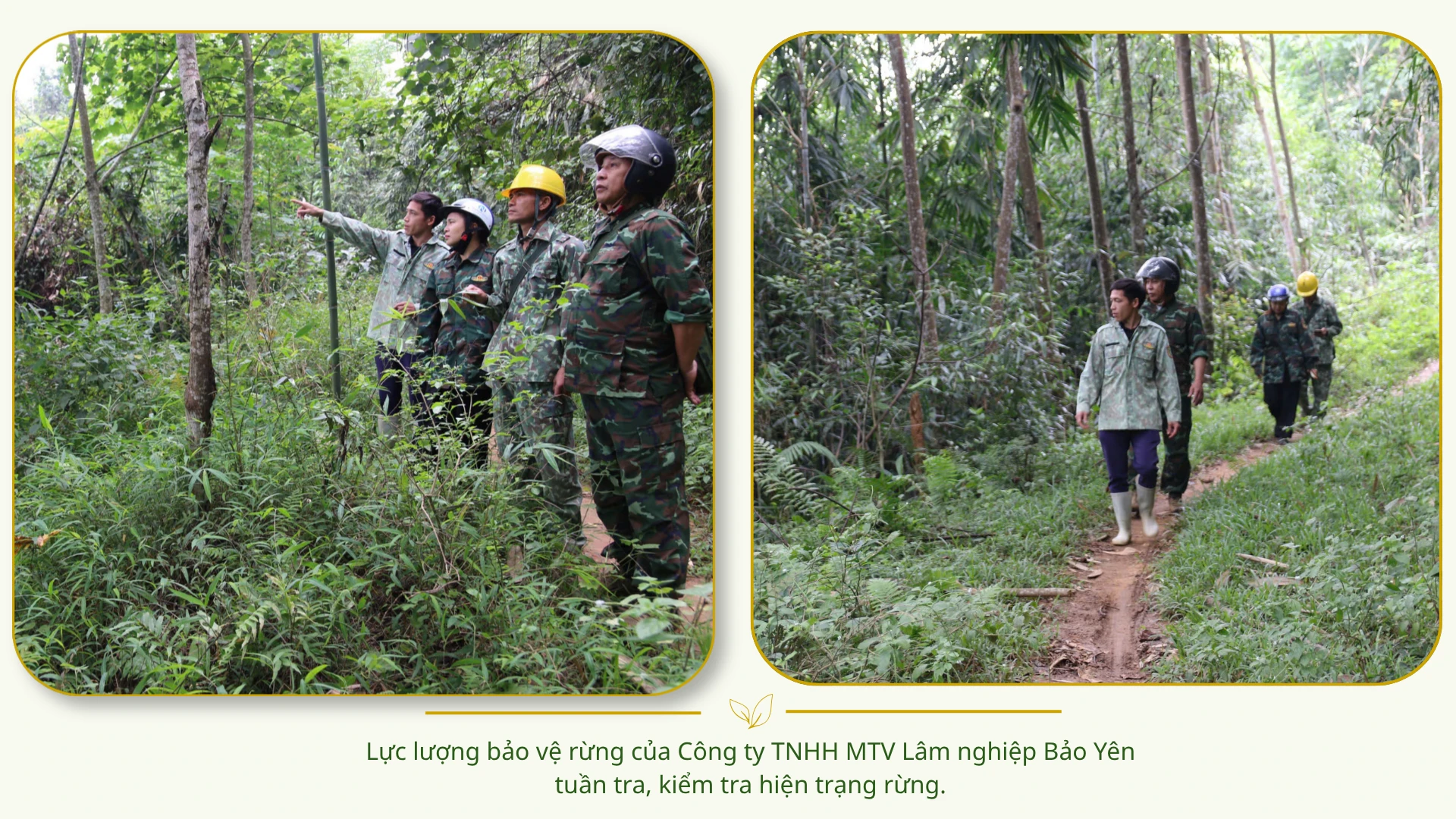
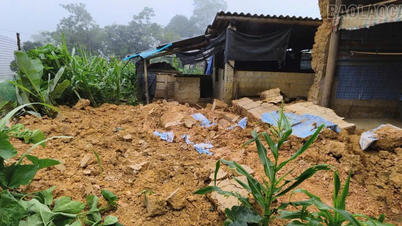
However, in recent years, the clearing of undergrowth for cinnamon cultivation on forest land, as well as land disputes and overlaps, still occur in some areas. Some forest and forest land areas are adjacent to agricultural land and people's fields, thus always posing a risk of encroachment, illegal occupation, and forest fires. A major difficulty currently is the limited funding for forest protection. This significantly affects the maintenance of forest protection forces and the organization of regular patrols and inspections.
The above facts show that, in addition to the active participation of local communities and forest owners, forest protection still requires sufficient resources to maintain long-term effectiveness.
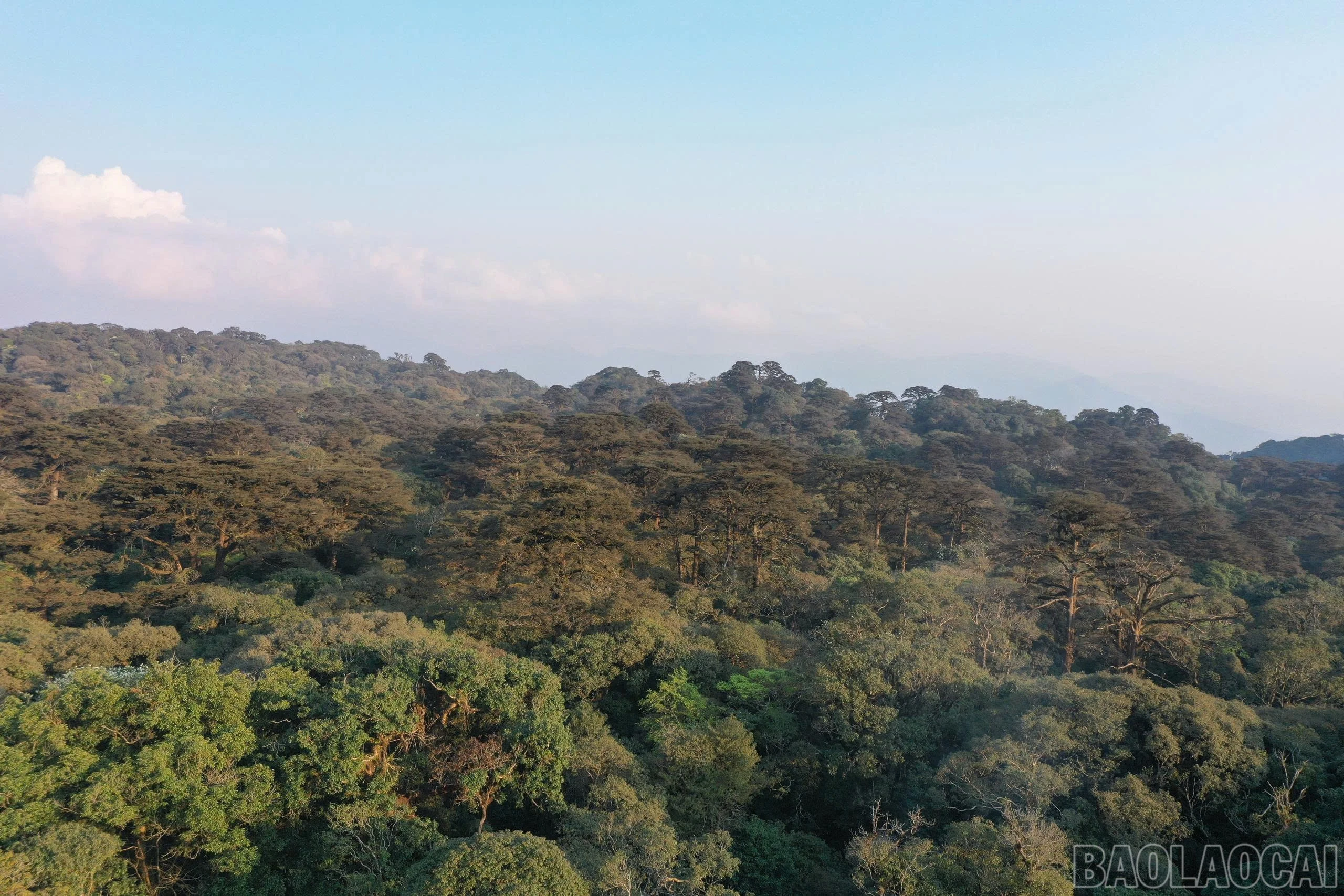
Lao Cai is currently one of the provinces with the largest forest area and highest forest cover rate in the country. By the end of 2025, the province will have over 865,000 hectares of forest land and land with forests; forest cover will be maintained at approximately 61.5%. Forests play a crucial role in protecting water resources, mitigating natural disasters, conserving biodiversity, and responding to climate change.
According to statistics, in 2026, the total area of forest requiring protection in the province will be 455,900.2 hectares, including 87,124.2 hectares of special-use forests, 248,410.3 hectares of protection forests, and 120,365.8 hectares of natural production forests. To accomplish this task, the entire province needs approximately 1,007 billion VND in labor costs for forest protection according to current standards. Meanwhile, the projected revenue from forest environmental services in 2026 is only about 172 billion VND, equivalent to approximately 17% of the actual need.



As a mountainous province still facing many difficulties, for many years, forest management and protection in Lao Cai has mainly relied on targeted support from the central government budget. However, to date, funding for forest protection tasks in 2026 has not yet been allocated, causing difficulties for forest owners and local authorities in developing plans, organizing forces, and implementing tasks as prescribed.
To successfully complete the task of forest protection in 2026, stable, timely, and adequate financial resources are essential. When resources are secured, forest conservation efforts from local communities, forest owners, and forest rangers will be more effective, contributing to the preservation of forest cover and laying the foundation for sustainable development.
Source: https://baolaocai.vn/can-nguon-luc-de-giu-rung-ben-vung-post902438.html