

According to experts, Vietnam's issuance of e-visas to all countries enhances the competitiveness of the tourism industry, but it is also necessary to quickly find ways to encourage tourists to stay longer.
From August 15th, Vietnam will issue electronic visas (e-visas) to citizens of all countries and territories, extending the validity period from 30 to 90 days. In addition, the government has extended the temporary stay period from 15 to 45 days for citizens of 13 countries with which Vietnam unilaterally grants visa exemptions. Previously, Vietnam issued e-visas to citizens from 80 destinations.
“The tourism industry is facing a strong opportunity for development in promoting and attracting international tourists, especially through organizing long-stay tours,” said Deputy Minister of Culture, Sports and Tourism Doan Van Viet, speaking about the benefits of the new visa policies at the “Conference on disseminating new documents to accelerate the recovery and development of Vietnam's tourism effectively and sustainably” this morning in Hanoi.
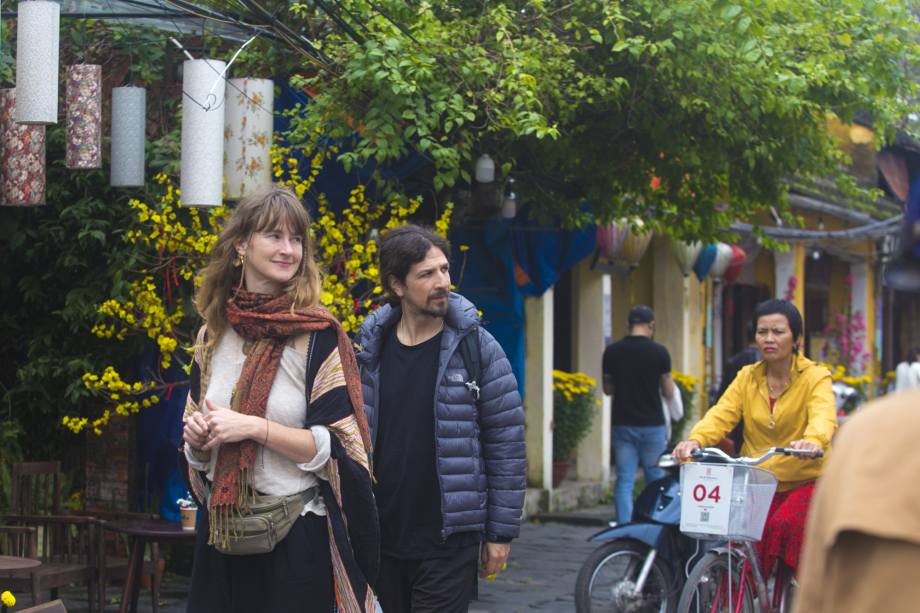
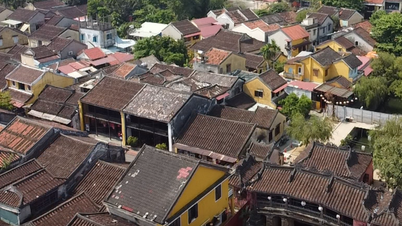
International tourists visiting Hoi An earlier this year. Photo: Xuan Phuong
According to Mr. Pham Hai Quynh, Director of the Asian Tourism Development Institute, Vietnam's tourism industry has always faced "visa bottlenecks," causing concern among many businesses. The current relaxation of visa requirements helps the industry resolve two main issues: allowing tourists to stay longer and meeting the needs of tourists who want to travel to a second or third country but still return to Vietnam before going home.
"This is an opportunity for us to balance supply and demand, and also an opportunity for Vietnam to attract more investment opportunities and revive tourism and the economy after the pandemic," Mr. Quynh said.
Statistics from the Vietnam National Tourism Administration for the first seven months of the year show that China ranks second among the top 10 largest international tourist markets to Vietnam, with nearly 740,000 visitors out of a total of 6.6 million. However, when exploiting the Chinese tourist market, Vietnam still faces strong competition from rivals such as Thailand, Singapore, and the Philippines, according to Huynh Phan Phuong Hoang, Deputy General Director of Vietravel Tourism Company. These three countries have all extended the length of stay for tourists to 30 days or more, creating opportunities to attract international visitors.
"The changes in visa policy help Vietnamese tourism increase its competitiveness compared to many rivals, especially in Indochina-wide tour programs," Ms. Hoang said.
According to Ms. Hoang, the new policy is a factor that helps businesses develop long-term tourism programs for international tourists. This makes it easier for tourists to visit along leisure or cross-Vietnam tours, connecting tours of the three Indochinese countries (Vietnam - Laos - Cambodia), thus extending their stay and increasing foreign exchange earnings. The new visa policy is also an incentive for international tourists wanting to visit Vietnam, especially from distant markets such as Europe and New Zealand – which require significant travel time.
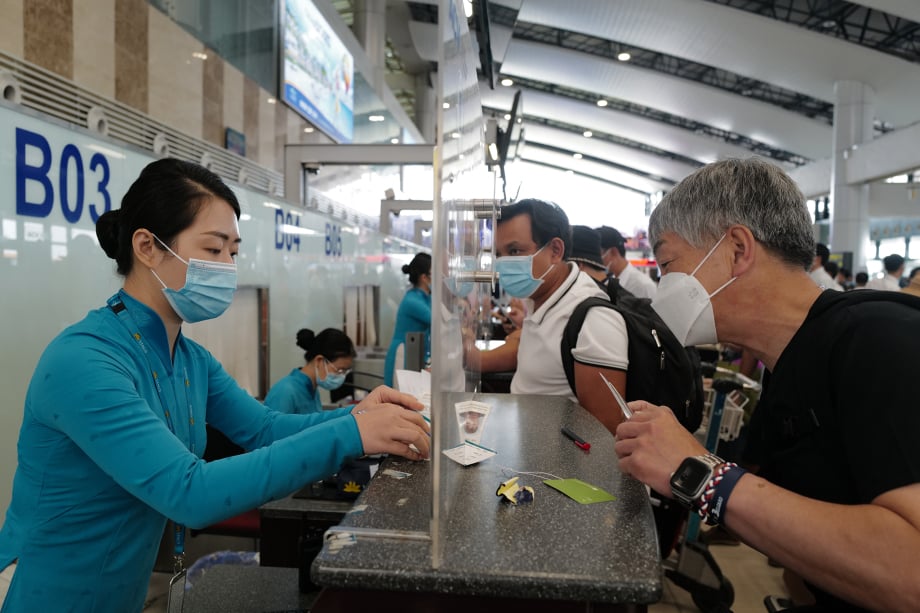
Passengers go through immigration procedures at Noi Bai Airport in June 2022. Photo: Ngoc Thanh
"The new policy excites us because it allows us to welcome more tourists, but it also raises concerns and worries such as how to encourage guests to stay longer, spend more, and increase the appeal so that they return," shared Vu Van Tuyen, Director of Travelogy Vietnam.
Mr. Tuyen stated that businesses are facing difficulties such as: destination promotion campaigns are not truly effective, provinces and cities all have similar tourism products, tour prices are high while the tourism supply chain is not unified.
"We have more than 20 famous night markets in Vietnam, but none of them have established a brand or are on par with night markets in other countries in the region," Mr. Tuyen said.
With 25 years of experience in the industry and the opportunity to learn about tourism practices in many countries, Mr. Tuyen believes that price is never a barrier for tourists. "Tourists want to spend a lot of money, but they are not satisfied with the service they receive."
"We should put the issue of price aside," said Mr. Tuyen. Instead, localities should focus on creating unique and distinctive products of their regions to attract tourists.
The new visa policy makes it easier to welcome international tourists, but the growth figures "may not be very impressive this year" because international tourists, especially from Europe and America, usually book tours six months in advance. Nevertheless, according to Ms. Hoang, Vietnam could welcome 10-11 million tourists this year and can expect a strong recovery to pre-pandemic levels next year.
However, to achieve this, tourism companies also need to coordinate with partners to design new tour programs, refresh products, and continue to promote and market to source markets. Vietnamese tourism also needs to ensure service quality and improve destination management from the central to local levels to provide tourists with experiences that meet their initial expectations.
"We still have a lot of work to do if we want to attract tourists and improve our competitiveness," said Nguyen Trung Khanh, Director of the National Tourism Administration.
According to Phuong Anh/VNE
Source
![[Photo] General Secretary and President To Lam presides over a working session with the Central Policy and Strategy Committee on the development of the materials industry.](https://vphoto.vietnam.vn/thumb/1200x675/vietnam/resource/IMAGE/2026/05/21/1779359935432_a3-bnd-3129-1412-jpg.webp)

![[Photo] National Assembly Chairman Tran Thanh Man working with the Standing Committee of the Law and Justice Committee](https://vphoto.vietnam.vn/thumb/1200x675/vietnam/resource/IMAGE/2026/05/21/1779378929214_ndo_br_1-4610-jpg.webp)






































































Comment (0)