

Shortcomings of Tax Law 71
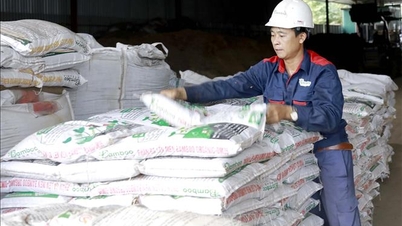
Encouraging investment in domestic fertilizer production, ensuring a proactive supply of fertilizers for agriculture , and gradually reducing fertilizer imports are important policies aimed at regulating supply and demand when the fertilizer market fluctuates. To implement this policy, in 2014, the National Assembly enacted Law 71 on Taxation, which came into effect in 2015. Clause 1, Article 3 of Law 71 stipulates that fertilizers, machinery, and specialized equipment used in agricultural production are exempt from Value Added Tax (VAT), which is expected to reduce the cost of fertilizer products and help farmers increase their profits in agricultural cultivation.
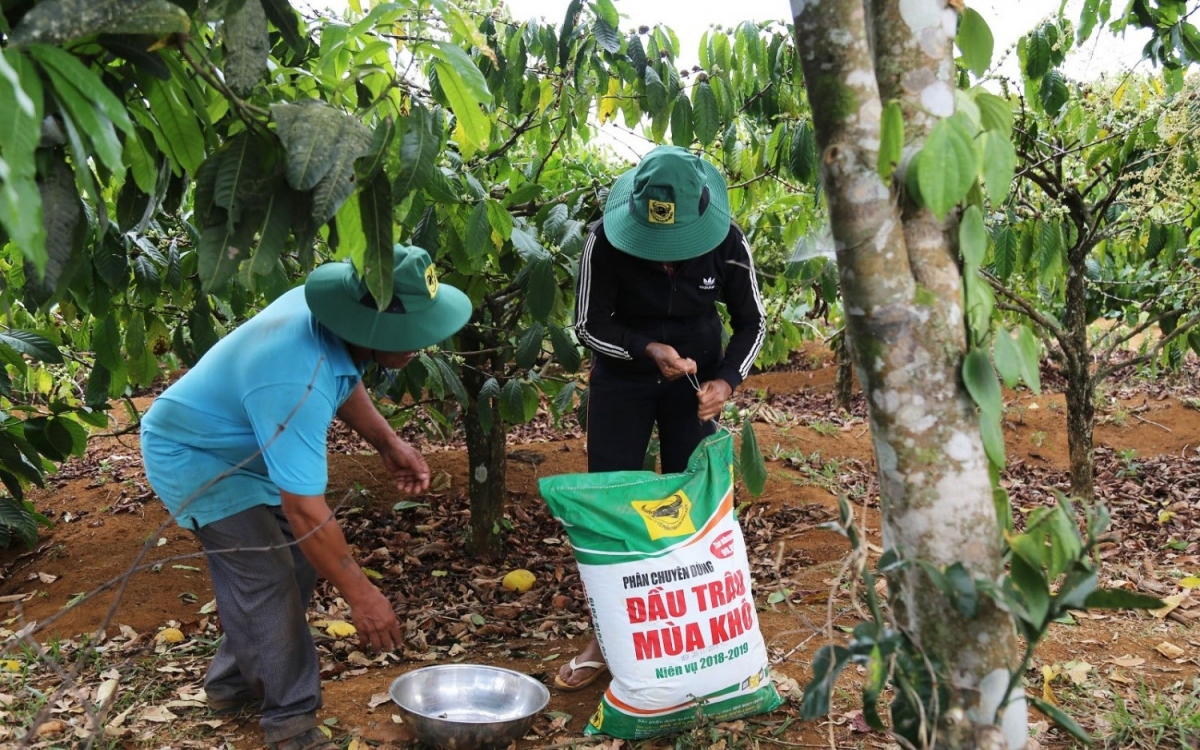
However, shortly after its implementation, Law 71 on taxation revealed many shortcomings. Because fertilizer manufacturers were not allowed to deduct or refund VAT, not only did domestic fertilizer prices not decrease, but they actually increased. According to statistics from the Vietnam Fertilizer Association, since the implementation of Law 71 in 2015, the cost of domestic nitrogen fertilizers increased by 7.2-7.6%; DAP fertilizer by 7.3-7.8%; superphosphate fertilizer by 6.5-6.8%; and NPK and organic fertilizers by 5.2-6.1%... compared to the years when a 5% VAT was applied to fertilizers. The price of fertilizers reaching farmers also increased, leading to a significant increase in investment costs for agricultural production..., while simultaneously hindering production and business, negatively impacting fertilizer production investment projects.
In reality, the VAT policy on fertilizers under the current Law 71 completely contradicts the initial expectation of reducing fertilizer prices and bringing profits to farmers. Not only that, the current VAT policy on fertilizers also creates many other negative consequences for domestic fertilizer production and trading businesses, putting them at risk of losing out in the domestic market to imported fertilizers, significantly impacting the sustainable development of agriculture…
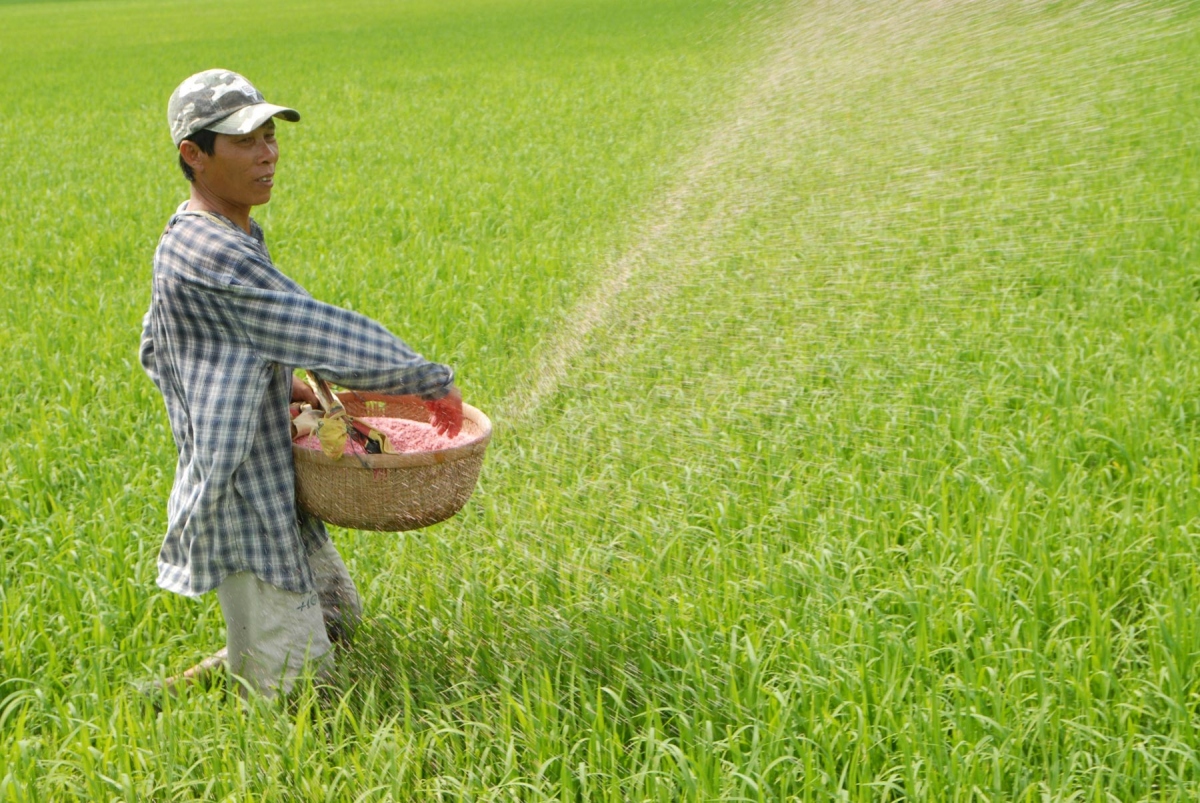
Farmers are struggling due to high fertilizer prices.
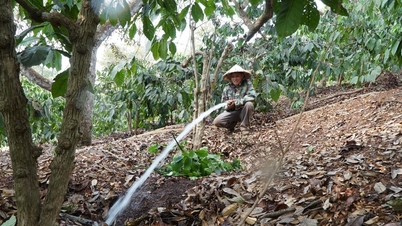
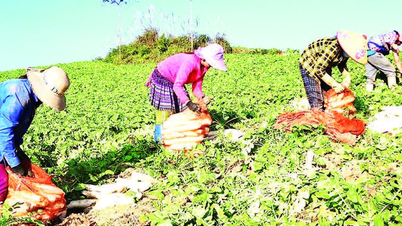
After Law 71 on Taxation was enacted and implemented, fertilizer prices rose rapidly, peaking in 2022. Meanwhile, the fluctuating prices of agricultural products and the general increase in input costs left farmers, who were deeply attached to their fields, in a dilemma: "To abandon it is a pity, but to continue is a burden"...
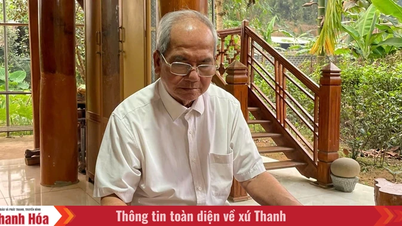
Mr. Phan Van Minh (Huong Binh commune, Huong Khe district, Ha Tinh province ) said that his family currently cultivates 7 sao (each sao in Central Vietnam is equivalent to 500m2) of rice and 4 sao of other crops. For many years, his family has used fertilizers from domestic companies. According to Mr. Minh's calculations, one sao of rice yields about 1.5-2 quintals of paddy, selling for about 1.2 million VND. Of this, the cost of fertilizers such as NPK, nitrogen, potassium, and chemicals accounts for nearly half, with the remainder being the cost of seeds, machinery rental, and other expenses. After deducting all expenses, the remaining profit is very small; they barely make ends meet.
"Farming has been hard work for generations. If the prices of inputs like fertilizers and pesticides were cheaper, we would be truly happy, and our lives would be better," Mr. Minh shared.
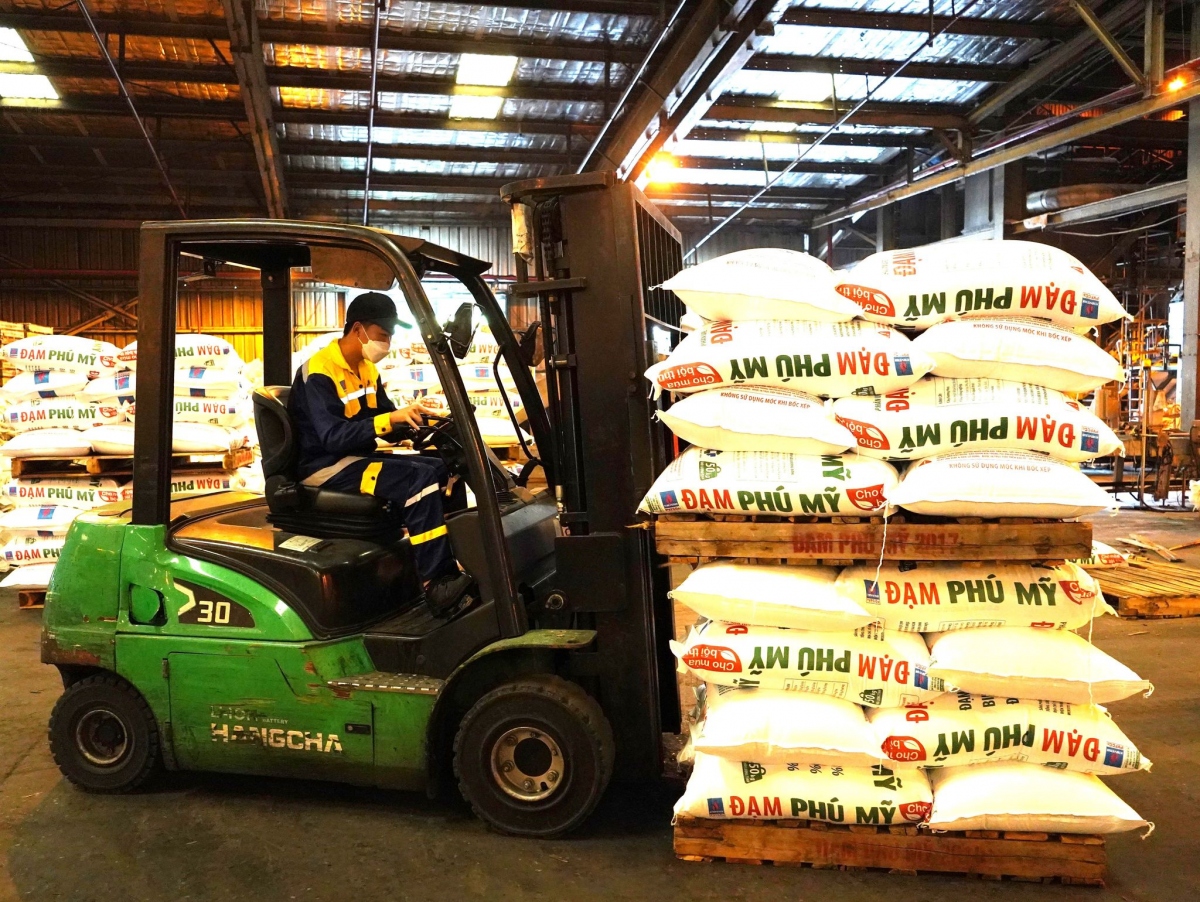
Ms. Nguyen Ngoc Hien (56 years old, residing in Thanh Thoi An district, Soc Trang province ) said that due to the high price of fertilizers, farmers are at a great disadvantage. If they reduce the amount of fertilizer during the basal and top dressing stages, the rice plants develop slowly, the grains are not firm, leading to low yields. If they apply enough fertilizer, it incurs additional costs – either way, it affects farmers' income. Ms. Hien hopes for a reasonable and stable fertilizer price reduction policy so that farmers can benefit.
In reality, the exemption from VAT has significantly impacted farmers, especially during periods of price surges like in 2022, forcing them to reduce their cultivated area or abandon crops altogether. Adding to this, recent increases in other agricultural production costs such as labor and pesticides, coupled with fluctuating agricultural product prices, have further exacerbated the difficulties faced by farmers.
Businesses and farmers are facing difficulties together.
In reality, the policy of "preferential treatment" – exempting fertilizers from VAT at all stages: import, production, wholesale, and retail to the consumer, as stipulated in the current Tax Law 71 – has become a form of "discrimination" against domestic fertilizer manufacturers.
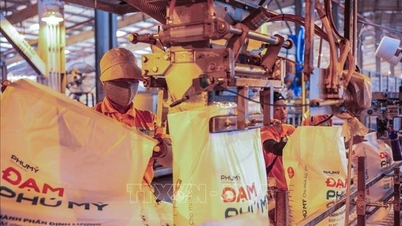
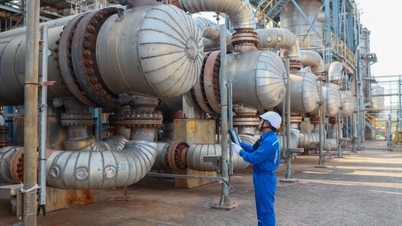
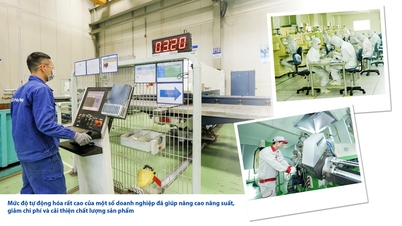
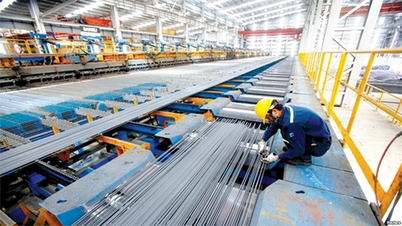
Firstly, businesses face difficulties because they are not allowed to deduct or claim refunds for input VAT on goods and services used in fertilizer production, as well as for investments in expanding production and acquiring new technology, machinery, and equipment. This input VAT must be included in production costs, leading to increased production costs, decreased sales, increased inventory, and ultimately reduced profits.
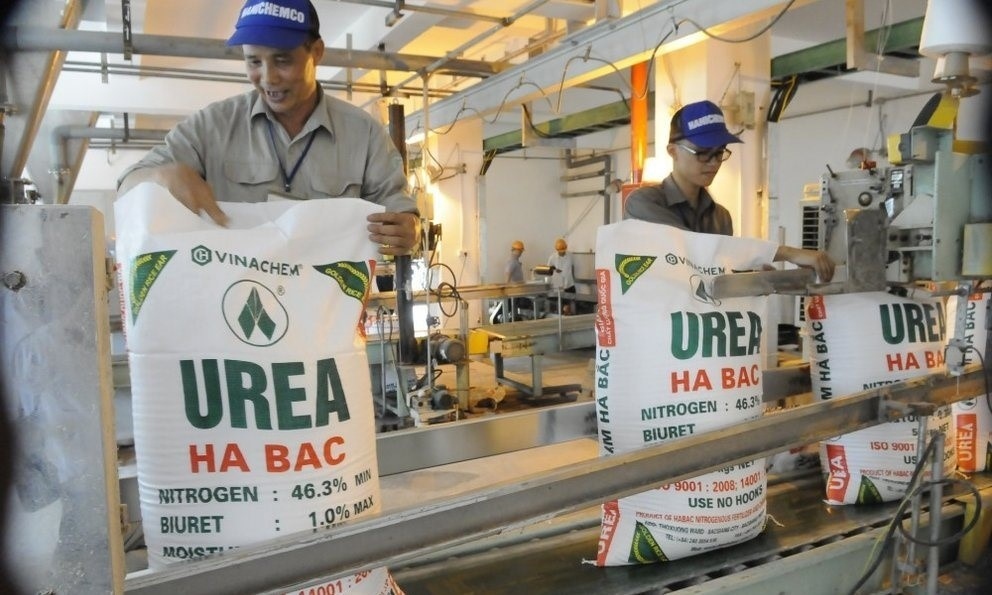
On the other hand, when domestic fertilizer prices rise, it leads to decreased consumption and increased inventory. Meanwhile, the situation is the opposite for imported fertilizers. Imported fertilizers from countries in the region mostly have zero import tax and very low raw material costs for fertilizer production, giving them a competitive advantage and putting domestic fertilizer producers at a disadvantage in their own market.
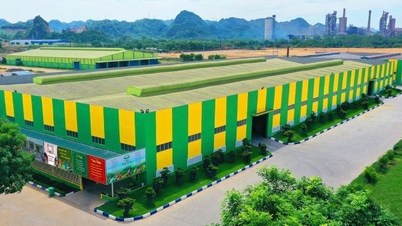
Therefore, domestic manufacturing businesses all hope that fertilizers will be reinstated under the Value Added Tax (VAT) regime. Only then can businesses lower production costs, enhance competitiveness, invest in new technologies, and help farmers increase crop yields cost-effectively…
Bring the VAT rate on fertilizers down to 5% soon.
Analyzing the shortcomings of Law 71 on Taxation, economist Associate Professor Dr. Ngo Tri Long affirmed that the exemption of fertilizers from VAT under the current Law 71 on Taxation not only affects businesses and farmers but also impacts the environment and agricultural output in Vietnam.
He explained clearly as follows: The high prices caused by unreasonable VAT policies have put domestic fertilizers at a disadvantage compared to imported products, which enjoy tax incentives. In reality, fertilizer manufacturers in the region, including those using outdated technology, are being supported to gain a foothold in the Vietnamese market. This not only hinders the domestic fertilizer industry but also seriously impacts agricultural products and the environment. Products manufactured using outdated, low-cost technology will inevitably harm the environment and agricultural output, posing a significant threat to Vietnam's agricultural sector.
In the long run, dependence on imported fertilizers cannot guarantee sustainable agricultural development, affecting the relationship between industry, agriculture, farmers, and rural areas, and impacting national food security.
Associate Professor Dr. Ngo Tri Long suggested that it is necessary to include fertilizers in the Value Added Tax (VAT) category to create a fair and equal competitive environment between domestic manufacturers and imported fertilizers. This would bring tangible benefits to the agricultural sector and farmers, and provide a boost to socio-economic development in localities and the country as a whole.
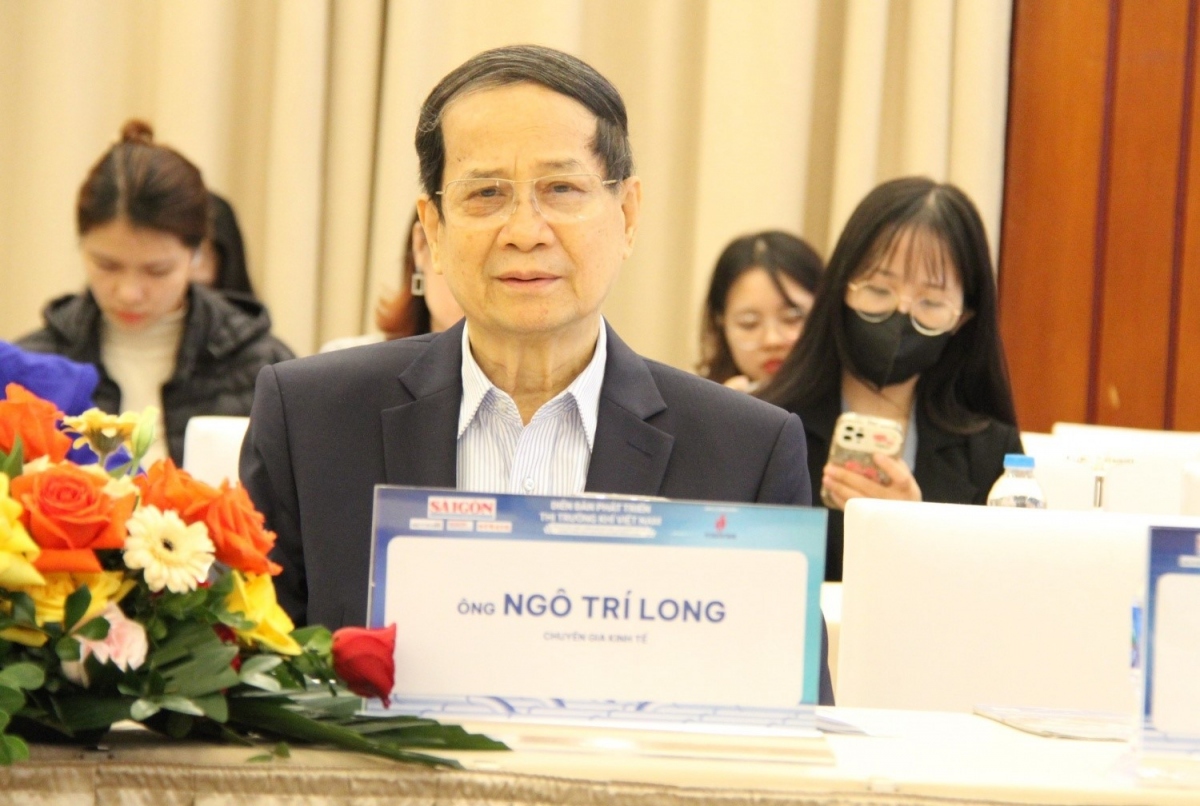
Regarding the VAT rate on fertilizers, Associate Professor Dr. Ngo Tri Long proposed a rate of 5% as the most appropriate, because fertilizer manufacturers would have a 7-8% reduction in input VAT, and fertilizer production costs would decrease by 2-3%, thus providing a basis for lower selling prices, ultimately benefiting agriculture and farmers.
According to Dr. Phung Ha, Vice President and General Secretary of the Vietnam Fertilizer Association, Law 71 on taxation "contributes" to the proliferation of counterfeit and substandard fertilizers. For many years, counterfeit and substandard fertilizers have been considered a major problem in agricultural production. To overcome difficulties and create conditions for the domestic fertilizer industry to maintain and develop stably and sustainably, and to create fairness between manufacturing and importing businesses, Dr. Phung Ha suggested that fertilizers should be quickly moved from being exempt from VAT to being subject to VAT.
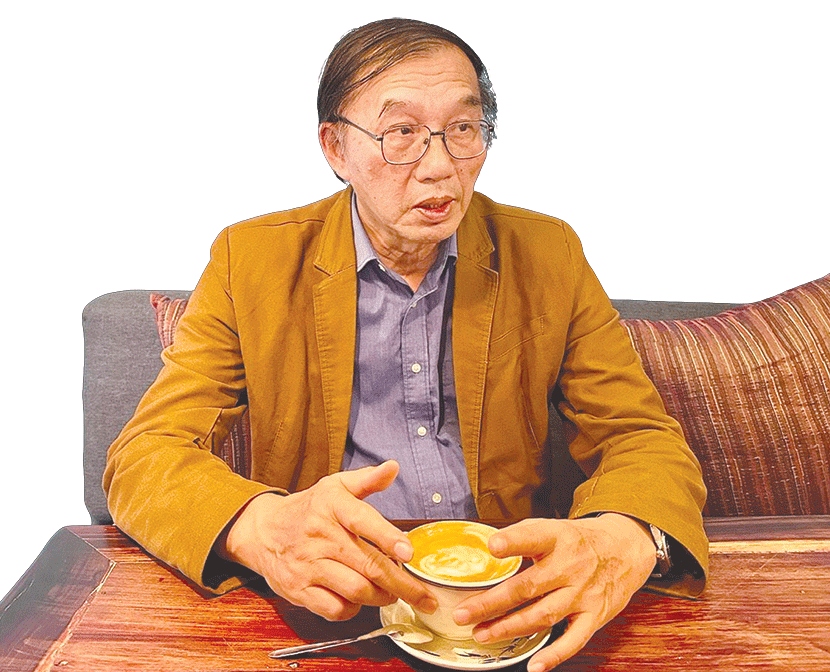
Mr. Nguyen Van Phung, a senior tax expert and former Director of the Department of Large Enterprise Tax Management, further stated that, to ensure humaneness, implement the policy of supporting farmers – the most vulnerable group in society – and increase the competitiveness of agricultural products, applying a 5% tax rate on fertilizers is the most reasonable approach. However, according to Mr. Phung, it must also be frankly stated that, "when a 5% tax is applied, the price of fertilizers also needs to decrease accordingly (in addition to depending on other factors such as world prices or input material prices...)."
Over the years, the Government has pursued a policy of encouraging investment in the development of high-quality domestic fertilizer production with the goal of proactively securing fertilizer sources for agriculture and gradually reducing fertilizer imports. This is one of the important policies that helps the Government regulate supply and demand when the fertilizer market fluctuates. Therefore, more than ever, the shortcomings of the VAT policy under Law 71 urgently need to be amended to create favorable conditions for the sustainable development of agriculture, farmers, and the domestic fertilizer production industry.
Source: https://vov.vn/kinh-te/cap-thiet-dua-thue-gtgt-phan-bon-ve-muc-5-post1102002.vov


































































Comment (0)