

Key area of Cham culture
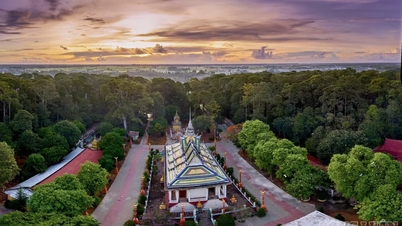
Following the reorganization of administrative boundaries, Khanh Hoa province has the largest Cham community in the country, with over 95,000 people, accounting for nearly 4.23% of the province's total population. The province boasts a vast system of historical sites, many of which have been classified as national or special national monuments. Notable examples include: the Po Nagar Cham Towers; the Po Klong Garai and Hoa Lai tower complexes, which are special national monuments; and the Po Rome Tower, a national historical monument. These are "living museums" showcasing the architecture, sculpture, and beliefs of the Cham people.
|
Artisans demonstrate the art of Cham pottery making in Ninh Phuoc. |
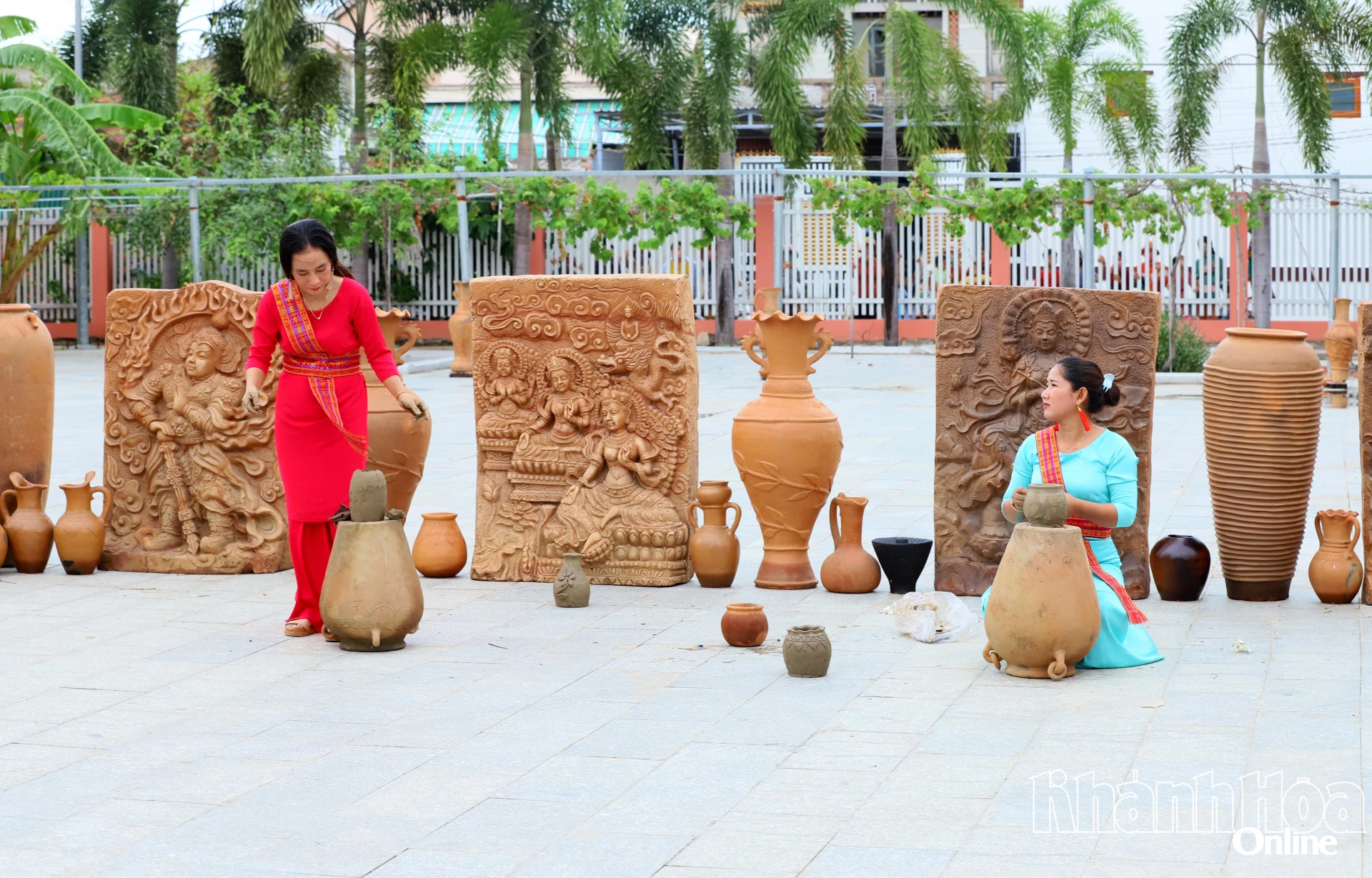
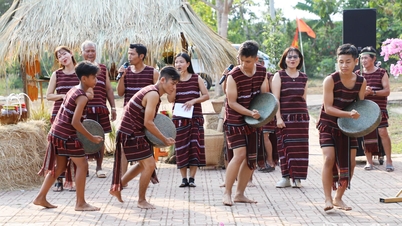
In addition, traditional festivals such as Katê, Ramưwan, and Rija Nưgar are still preserved by the community. The Cham pottery art in Bàu Trúc village has been inscribed by UNESCO as an intangible cultural heritage in need of urgent protection; the Mỹ Nghiệp brocade weaving craft and the Katê festival are also included in the National List of Intangible Cultural Heritage. Cham folk performing arts are also very diverse, rich, and colorful, with very attractive characteristics, especially for international tourists .
Despite its immense value, the preservation and promotion of Cham cultural heritage in the province still face some limitations. These include the "theatricalization" of folk art at some tourist sites; many performances promoted as Cham dances and music are arbitrarily altered, losing their traditional artistic language, distorting aesthetics, and affecting the true value of the heritage. At key historical sites such as Po Nagar and Po Klong Garai, the illegal operation of foreign tour guides, such as those from Russia and China, continues. These individuals operate as unlicensed tour guides, lack international tour guide licenses, and often provide inaccurate interpretations of history and cultural symbols, impacting cultural security and the province's tourism image.
Developing a sustainable heritage economy.
To realize the spirit of Resolution No. 80, making culture a driving force for economic development, in addition to organizing competitions and performances during the Cham Culture Festival, it is necessary to organize exchange and experiential tours for religious leaders, artisans, and influential figures in the Cham community across regions; integrate the "Cham Cultural Industry" forum to connect artisans, businesses, and managers, and seek solutions for developing unique tourism products. Along with that, develop community tourism and heritage economy by encouraging investment in homestays and resorts with traditional architecture (fired bricks, Cham sculptures) while adhering to the protection of historical sites; build tours linking historical sites with traditional craft villages and ecological sites such as the Nam Cuong sand dunes, vineyards, and sheep farms. In particular, a mechanism for sharing benefits from tourism is needed so that the community truly benefits, creating sustainable livelihoods from preserving their own heritage. At the same time, strict management of tourism guiding activities is essential. Take decisive action against illegal foreign tour guides; implement a multilingual automated audio guide system at historical sites with content vetted by the Provincial Science Council; promote the training of local Cham tour guides with foreign language skills and in-depth knowledge through a collaborative program between Khanh Hoa University, Pacific University, Nha Trang University, etc., and relevant departments and agencies such as the Department of Culture, Sports and Tourism, and the Department of Ethnic Minorities and Religion.
According to the plan of the Ministry of Culture, Sports and Tourism, the 4th National Cham Culture Festival, hosted by the province, will take place in June 2026. This is an opportunity for Khanh Hoa to affirm its position as a center of Cham cultural heritage, and at the same time demonstrate its determination to successfully implement Resolution No. 80 of the Politburo. With the view that culture and economy go hand in hand, using heritage economy and cultural industry as driving forces, we can completely transform heritage into a sustainable development resource, improve the lives of the Cham people, contribute to building an advanced Vietnamese culture rich in national identity, and contribute to the province's economic growth index.
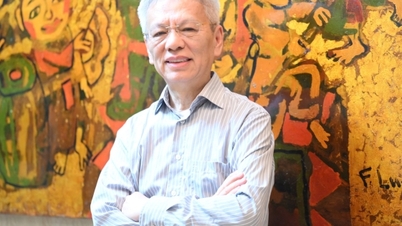
Assoc. Prof. Dr. Phan Quoc Anh
Chairman of the Advisory Council on Ethnic and Religious Affairs of the Vietnam Fatherland Front Committee of Khanh Hoa Province
Source: https://baokhanhhoa.vn/van-hoa/202604/bao-ton-va-phat-huydi-san-van-hoa-cham-1ea2dc1/
































![[Video] Sunset at Lap An Lagoon – Where the sun sets over the fishing nets](https://vphoto.vietnam.vn/thumb/1200x675/vietnam/resource/IMAGE/2026/05/31/1780192137701_beach-landscape-sea-water-nature-grass-745871-pxhere-com.jpeg)






















Comment (0)