Propaganda starting from the villages
For many years, during the meetings of the Women's Union branch in Tra Don village (Nam Tra My commune), Ms. Ho Thi Hang (legal aid collaborator in Tra Don village) has often dedicated extra time to sharing with the villagers about their right to free legal aid, the addresses of state legal aid centers, preferential loan policies, and necessary procedures when disputes arise in life.
For Ms. Hang, this is not a trendy activity, but stems from what she witnessed in her local area, where many people, due to a lack of legal knowledge, accept disadvantages or are confused when encountering problems related to their rights.
Through community meetings, visits to individual households, and casual conversations in the village, Ms. Hang gradually became a bridge between the people and agencies providing legal aid. She guided many women, the elderly, impoverished households, and those in difficult circumstances to the right places for free consultations and answers to questions related to land, marriage and family, government policies, or civil disputes arising in daily life.
"Many people don't know they're eligible for free legal aid, or they think they need money to see a lawyer... I simply think that I should share what I know with people, so they have more information and know where to go when they encounter difficulties," Ms. Hang shared.
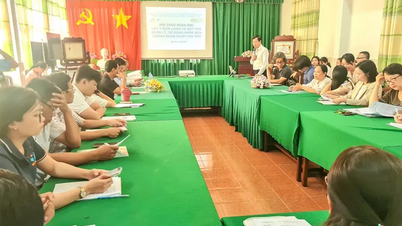
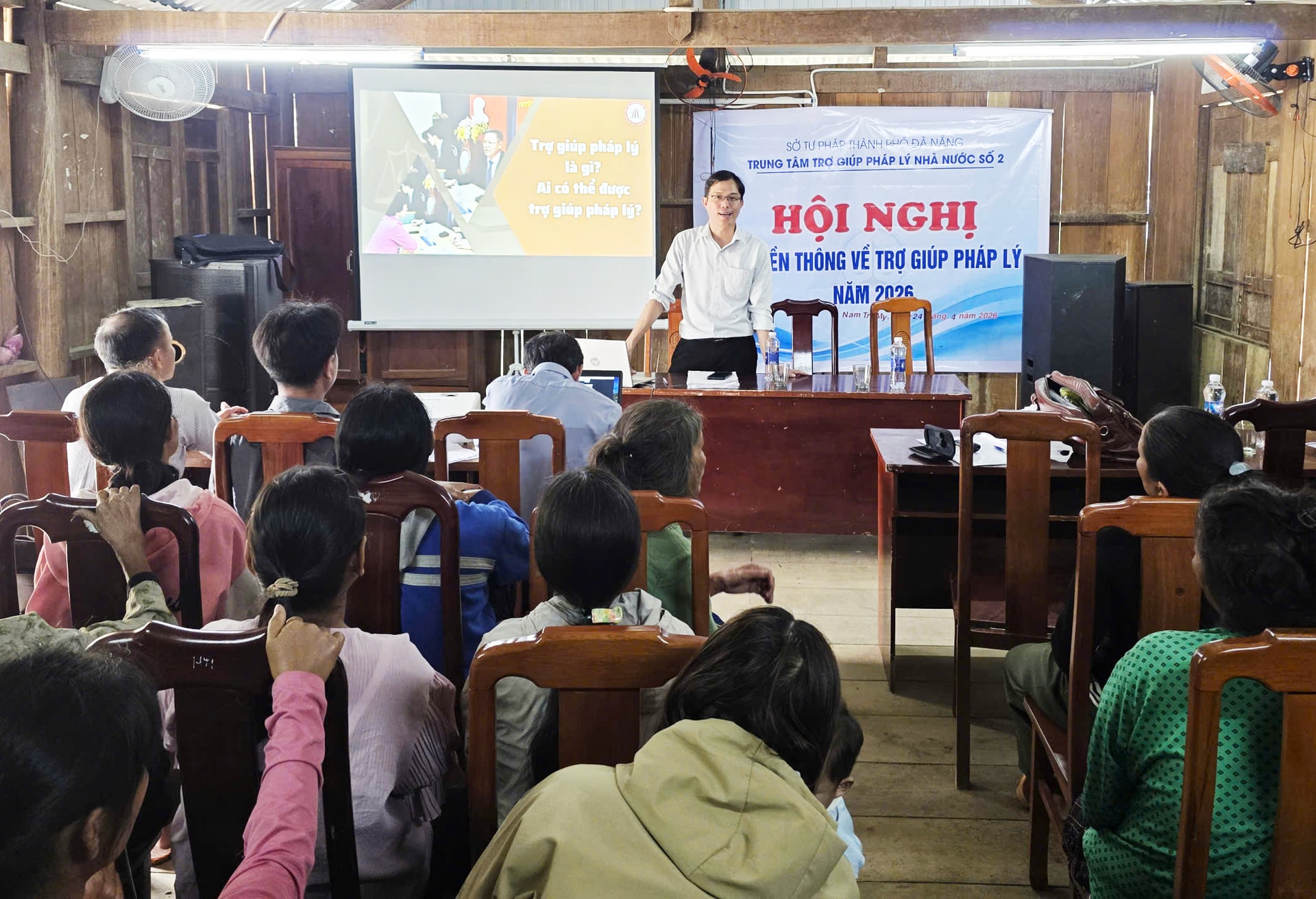
Based on these practical needs, the State Legal Aid Center No. 2 of Da Nang City has maintained its communication activities in remote villages and hamlets in the highlands for many years. At a communication conference held in Tra Don village, dozens of people were informed about the Law on Legal Aid, regulations on preventing human trafficking, juvenile justice, and were given specific guidance on contact addresses and phone numbers for assistance when needed.
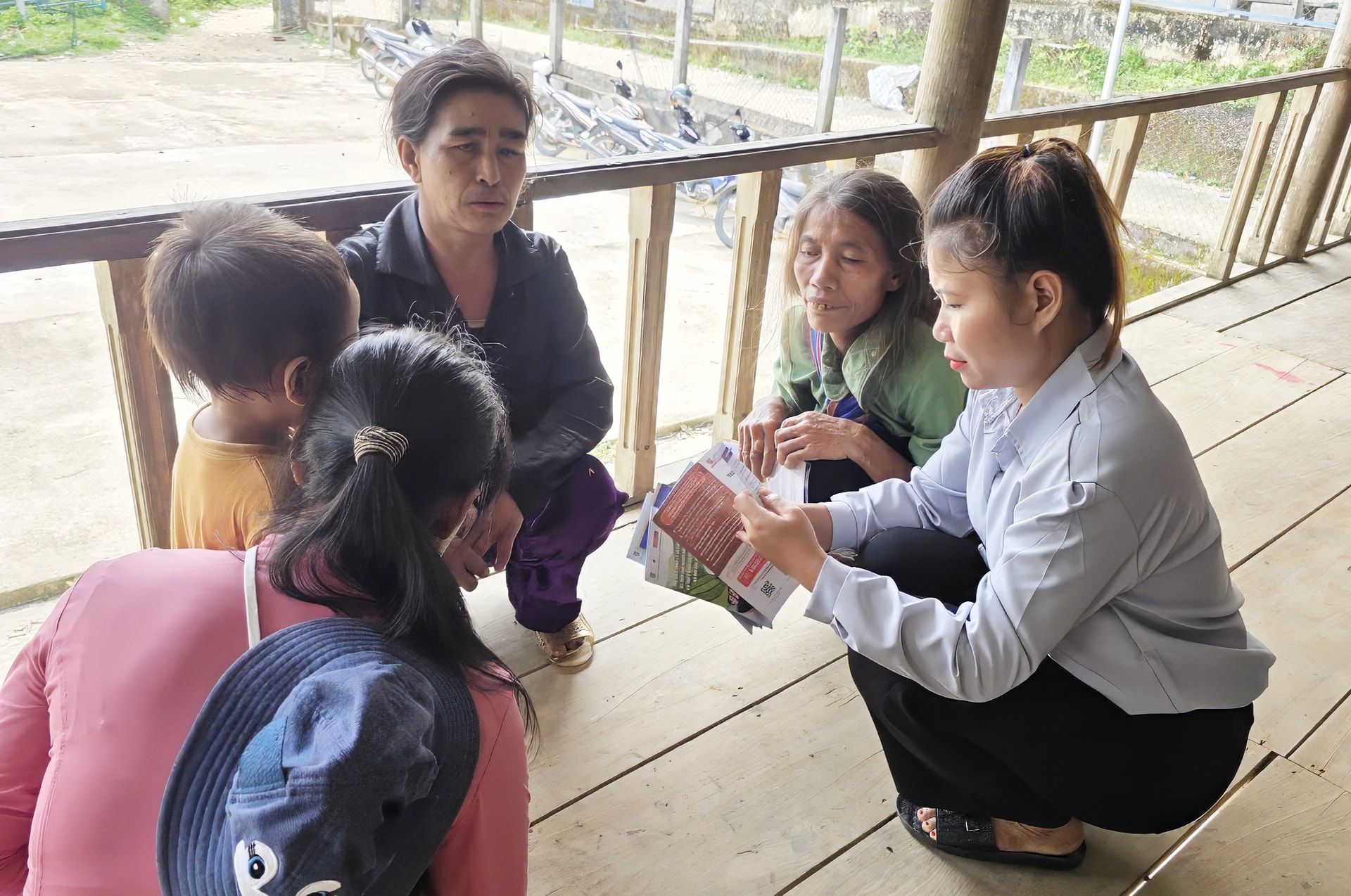


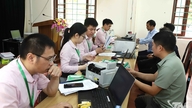
Legal aid assistants also directly answer questions arising from real-life situations, helping people better understand their rights and obligations.
According to Mr. Vo Nhu Son Tra, Vice Chairman of the People's Committee of Nam Tra My commune, the most noticeable change after many years of implementing legal aid at the grassroots level is the significant shift in people's awareness. Previously, many people were hesitant to approach the law or believed that legal issues were the responsibility of state agencies. Now, however, people are more proactive in learning about regulations, seeking advice when problems arise, and boldly requesting support when their rights are affected.
"Many cases are explained and resolved early on, preventing prolonged disputes. People also understand their rights better and know to seek assistance from responsible agencies when needed. This is a very noteworthy change resulting from legal aid services at the grassroots level," Mr. Tra said.
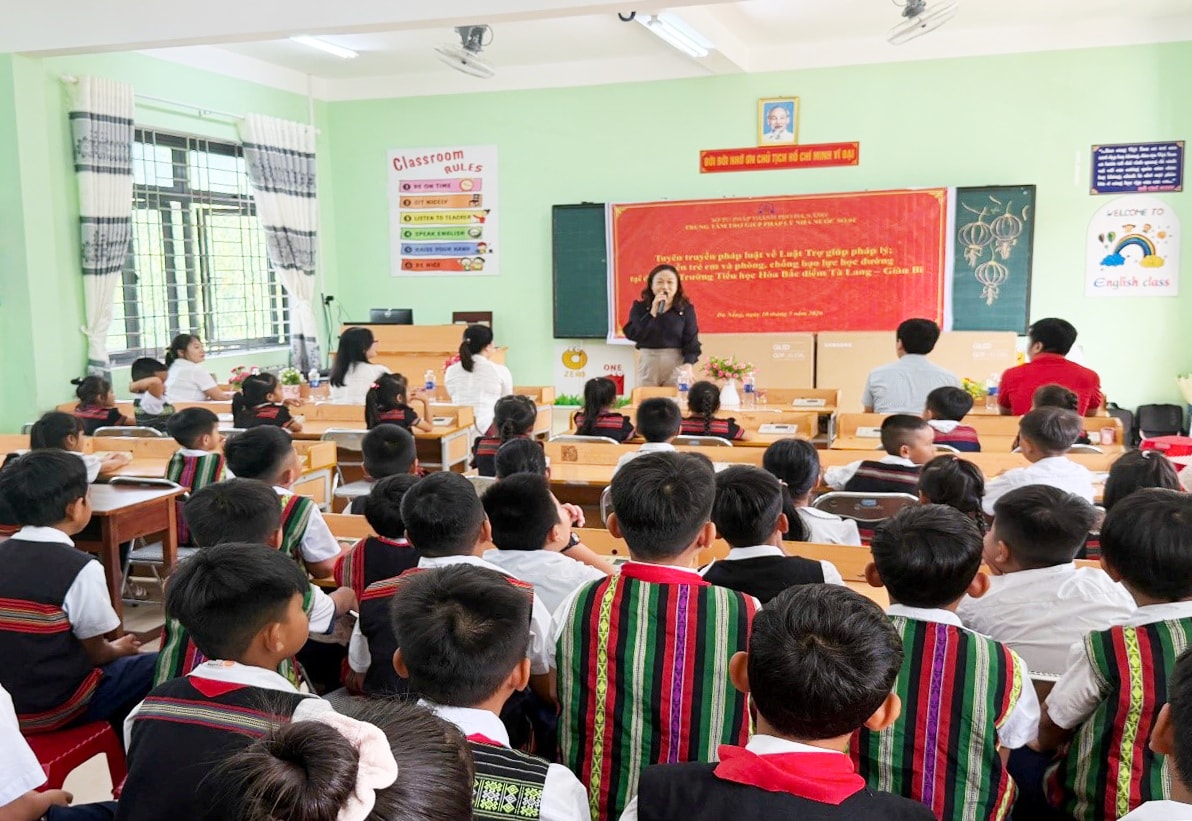
Understanding the law helps prevent risks.
In reality, many mountainous areas show that most civil disputes, family conflicts, or incidents involving minors do not arise suddenly. They often begin with familiar transactions such as borrowing and lending money, land transfers, property division, marital relationships, or behaviors stemming from a lack of legal knowledge within the community. When these issues drag on, accumulating into disputes or cases, people only then seek help from authorities, by which time many opportunities for early resolution have been lost.
Based on this experience, the No. 1 State Legal Aid Center of Da Nang City has determined that legal communication must aim to enhance the self-protection capacity of citizens at the grassroots level. Communication activities are designed to suit each target group, from students in mountainous areas, people with disabilities, ethnic minorities to the elderly, women, and poor households. Legal regulations, which are often dry and abstract, are transformed into situations that are close to everyday life, helping people to easily visualize, remember, and know how to act when problems arise.
Ms. Nguyen Thi Kim Anh, Director of the No. 1 State Legal Aid Center in Da Nang City, stated that legal aid communication should be seen as a bridge to ensure policies reach the right target audience, helping them recognize their rights and know how to seek support when needed.
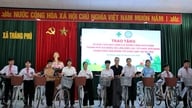


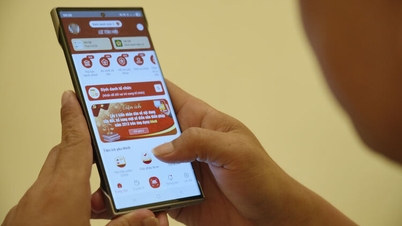
Along with mobile outreach programs at the grassroots level, the center also distributes legal documents in a concise question-and-answer format, strengthens communication on digital platforms, and maintains a coordination mechanism with local authorities, associations, organizations, and judicial agencies. Through this network, many cases eligible for legal aid are identified and connected early with appropriate support services.
"Our goal is to help people understand their right to legal aid. When people understand their rights, they will be more proactive in protecting their legitimate interests, minimizing risks in their lives, and reducing the number of disputes that need to be resolved through litigation," Ms. Kim Anh shared.
Source: https://baodanang.vn/cau-noi-truyen-thong-3341605.html


![[Photo] Opening Ceremony of the 13th National Congress of the Ho Chi Minh Communist Youth Union](https://vphoto.vietnam.vn/thumb/1200x675/vietnam/resource/IMAGE/2026/06/24/1782286753905_ndo_br_1-8510-jpg.webp)
![[Photo] The 13th National Congress of the Youth Union conducts personnel work.](https://vphoto.vietnam.vn/thumb/1200x675/vietnam/resource/IMAGE/2026/06/24/1782299943080_ndo_br_1-6868-jpg.webp)
![[Photo] General Secretary and President To Lam attends the Central Public Security Party Committee Conference](https://vphoto.vietnam.vn/thumb/1200x675/vietnam/resource/IMAGE/2026/06/24/1782302063612_a1-bnd-9302-9166-jpg.webp)










![[Video] Weather forecast for tonight and tomorrow, June 25, 2026: Hot and intensely hot weather will continue throughout the country.](https://vphoto.vietnam.vn/thumb/402x226/vietnam/resource/IMAGE/2026/06/24/1782306248499_dem-24-png.webp)






























































![[INFOGRAPHICS] Using crop data instead of paper records](https://vphoto.vietnam.vn/thumb/402x226/vietnam/resource/IMAGE/2026/06/24/1782311651577_1782311397.webp)