

Currently, Phuong Nam Agricultural Cooperative in Pha Cung village manages over 300 hectares of longan orchards, of which 35 hectares are cultivated according to VietGAP standards, with an average yield of 18-25 tons/ha. Mr. Tran Nhu Kien, Director of the Cooperative, stated: The cooperative implements a comprehensive longan production system, from orchard sanitation and pruning to the application of organic microbial fertilizers and the spraying of biological products. In recent times, climate change has impacted agricultural production; therefore, the application of scientific and technical advancements and training from the local authorities have helped the cooperative shift strongly towards organic farming methods, improving yield and quality to meet customer demands.
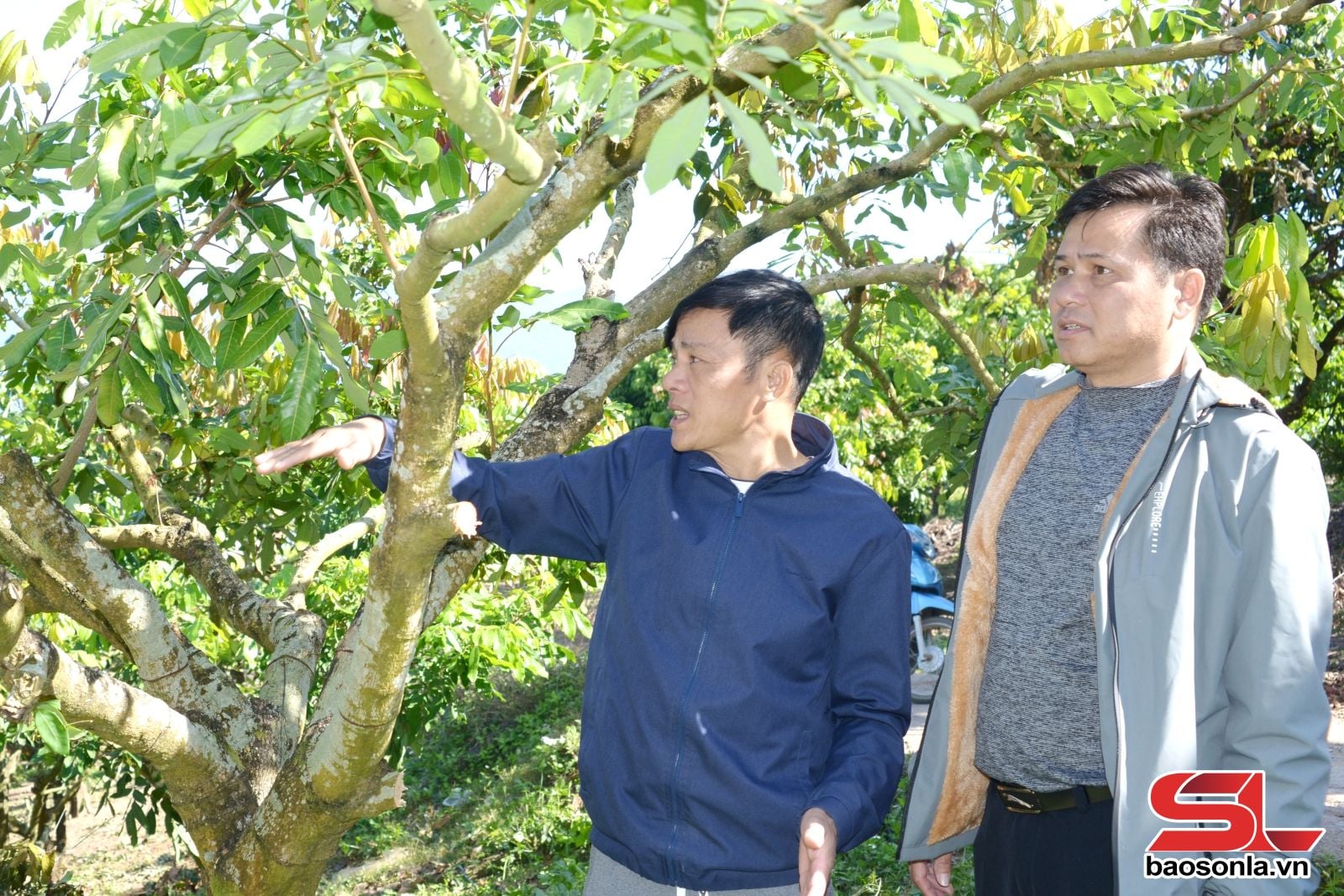
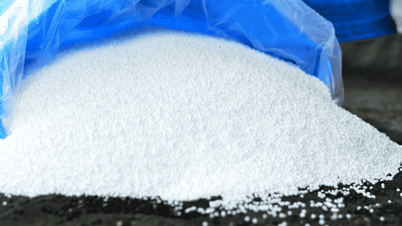
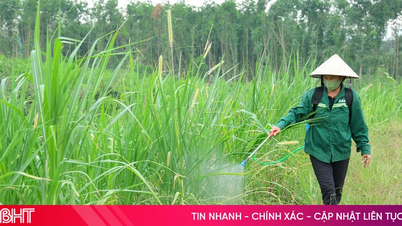
For organic longan cultivation techniques, each hectare of longan requires 8-10 tons of microbial fertilizer to improve soil and control diseases. The cooperative has encouraged 30 affiliated households to reduce chemical fertilizer use by 40-50% compared to before, replacing it with microbial fertilizers, liquid organic fertilizers, and biological preparations; at the same time, they are researching the self-production of microbial compost and connecting with businesses to guarantee the purchase of the farmers' produce.
To increase value and create a competitive advantage, in addition to producing longan during the main season, Phuong Nam Agricultural Cooperative also chooses late-ripening longan varieties with two lines, PHM 1.1 and T6, with PHM 1.1 having superior quality and a higher selling price. Annually, the cooperative produces over 4,000 tons of longan, with a yield of more than 15 tons/ha, and an average price of 13,000 VND/kg. The cooperative applies pest and disease control measures according to the "4 correct principles," combining biological products and natural predators to protect the crops, both maintaining healthy orchards and improving cultivation efficiency. At the same time, to ensure environmental hygiene, the cooperative has invested in containers for pesticide packaging, periodically handing them over to specialized agencies for proper disposal. The cooperative is currently negotiating to bring its longan into supermarket chains in Hanoi and many other provinces and cities.
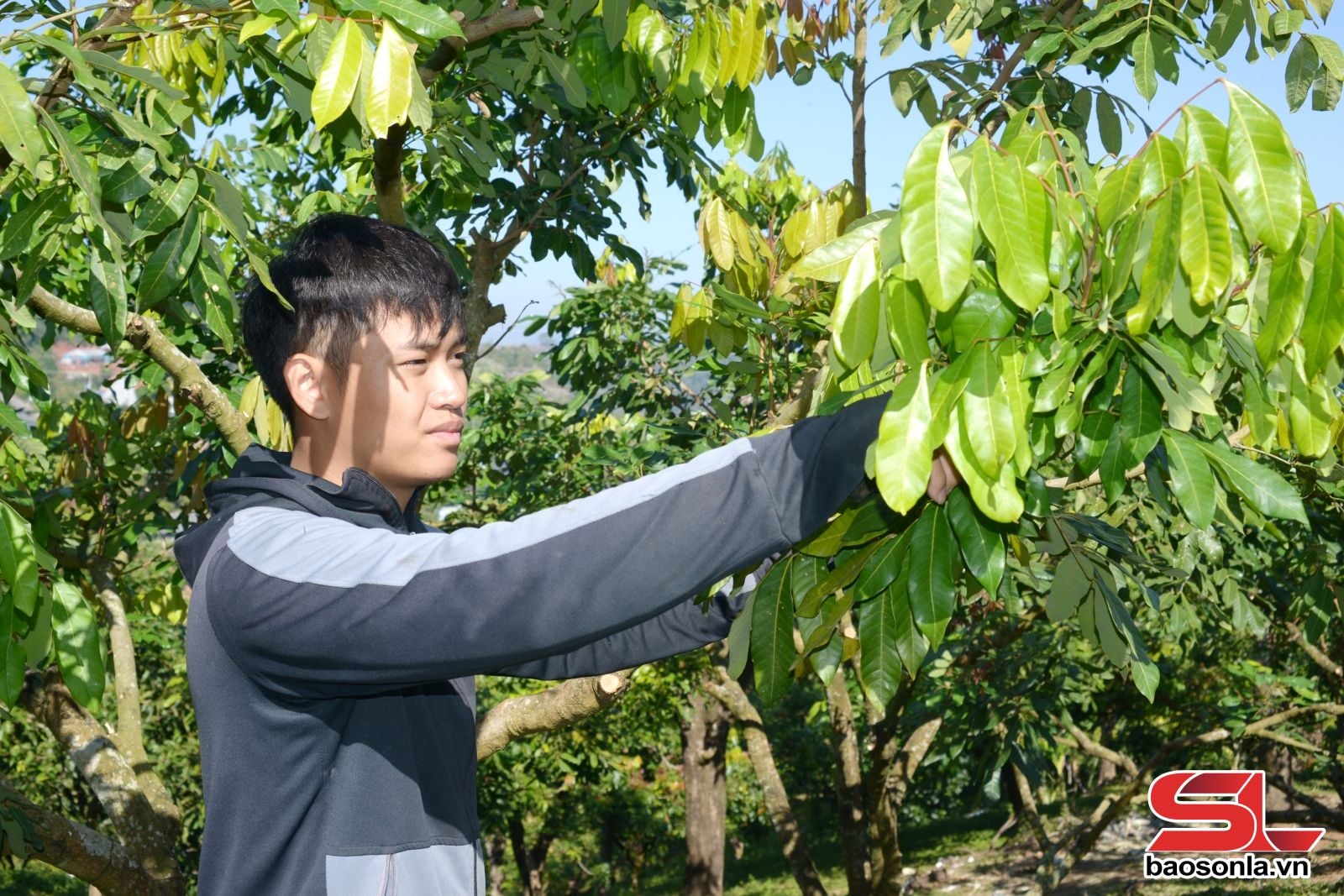
Thanks to the collaborative model, many farming households in Long Phieng have changed their production mindset. Mr. Nguyen Van Tap, from Pha Cung village, shared: "My family has been growing longan since 2018, currently with over 30 hectares and a yield of about 600 tons per year. When we switched to organic farming, it was initially difficult because we had to compost the fertilizer, but it helped the longan trees recover quickly, with thick, green leaves, less leaf drop, and significantly reduced pests and diseases. To maintain efficiency, my family adheres to the 'four correct' principles after harvest: correct timing, correct dosage, correct products, and correct techniques. Specifically, 7-10 days after harvesting, we prune diseased branches; 10-20 days later, we apply organic fertilizer and lightly till the soil. Then, we water to maintain moisture 2-3 times a week during the dry period, combined with spraying biological products to stimulate root growth and prevent diseases. Applying organic farming helps to create a uniform canopy cover, and the safe product is prioritized for purchase by processing companies and traders."
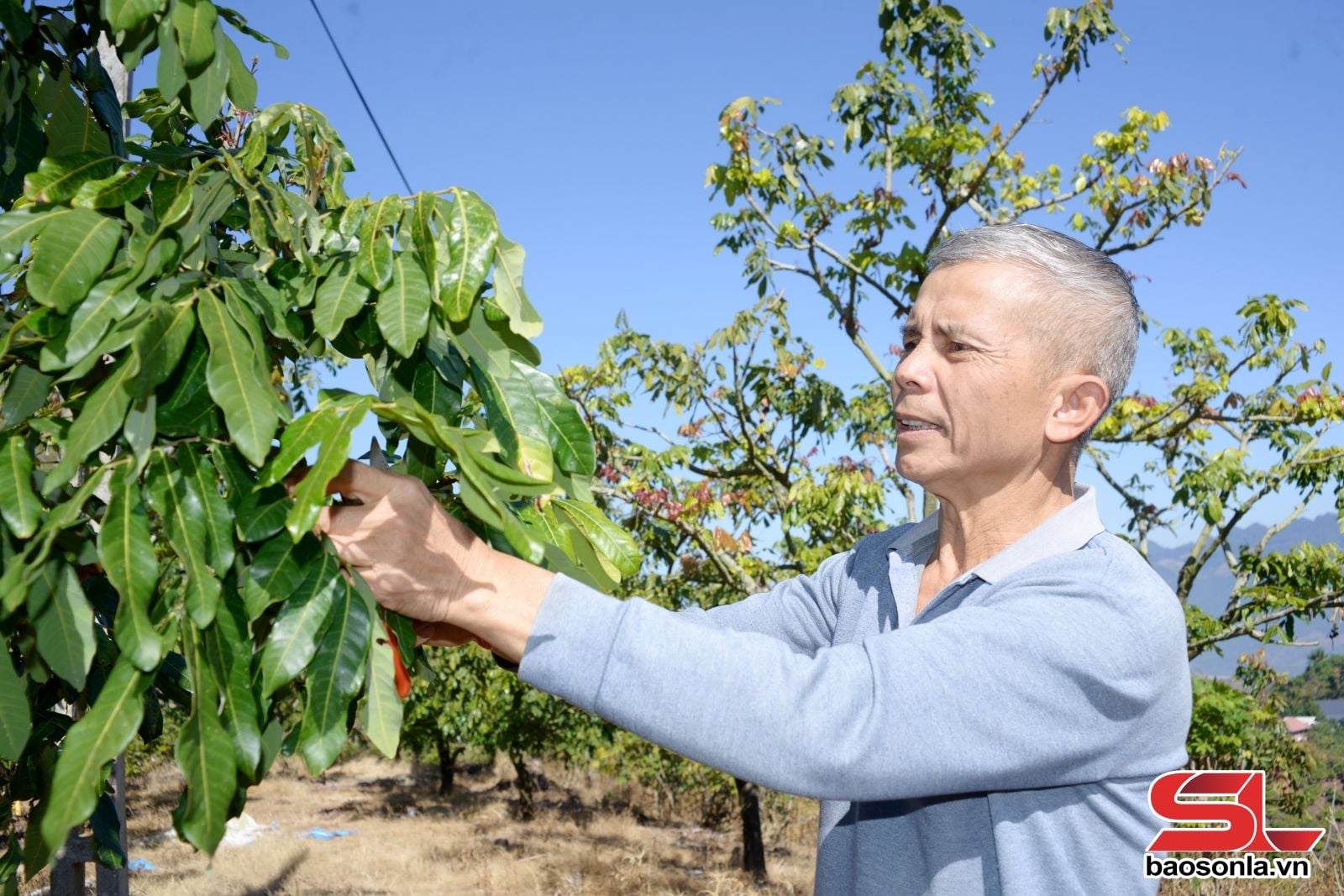
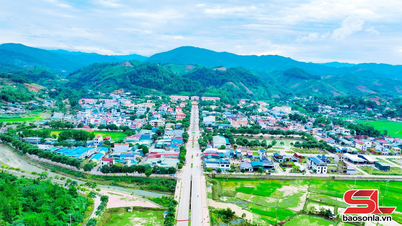
The entire Long Phieng commune currently has over 800 hectares of longan trees. This year's longan harvest yielded over 6,000 tons, which have been harvested and consumed domestically and used in the processing of dried longan. Immediately after the harvest, the commune organized technical staff to go to the fields to guide the process of restoring the trees according to organic farming practices.
Mr. Lu Van Chung, Chairman of the People's Committee of Long Phieng commune, informed: Previously, farmers overused chemical fertilizers and pesticides after harvest, causing the soil to become compacted, plants to weaken, and flowering to be poor. The commune has propagated and encouraged farmers to switch to organic farming models. To date, there are more than 300 hectares, of which more than 40 hectares meet GlobalGAP and VietGAP standards; and more than 10 hectares have been granted planting area codes.
Initial results show that the organic longan farming model in Long Phieng is highly effective, improving product quality, reducing input costs, and protecting the health of producers and the environment. With the support of the government and cooperatives, Long Phieng is gradually building a "clean longan" brand, creating an important foundation for increasing value and expanding the market.
Source: https://baosonla.vn/nong-nghiep/cham-care-nhan-theo-huong-huu-co-lTT6VsZvR.html
![[Image] National Assembly discusses the implementation of the socio-economic development plan.](https://vphoto.vietnam.vn/thumb/1200x675/vietnam/resource/IMAGE/2026/04/20/1776696707422_ndo_br_img-20260420-185419-jpg.webp)

![[Photo] General Secretary and President To Lam meets with National Assembly delegates from ethnic minorities.](https://vphoto.vietnam.vn/thumb/1200x675/vietnam/resource/IMAGE/2026/04/20/1776696701056_a1-bnd-8331-3342-jpg.webp)
































































Comment (0)