

Growing up in the countryside, every time I came home from school or playing outside, my first instinct was to run straight to the kitchen, open the cupboard door, and see if my grandparents or parents had saved anything for me. Sometimes it was a bowl of boiled potatoes, sometimes a piece of cassava cake, or later, a simple bowl of noodles. For us children, the cupboard was a "treasure trove" of childhood, a place where simple joys and sweet happiness from the hands of adults were kept. I still remember the mischievous puppies and tabby cats, excitedly greeting me from the bamboo grove at the end of the lane whenever they saw me coming home from school. They would run after me, then excitedly lead me into the kitchen, whining and wagging their tails as if urging, "Master, open the cupboard, there's delicious food!" When I slightly opened the door, the warm aroma of potatoes and cassava cake would spread. I would share some with them.
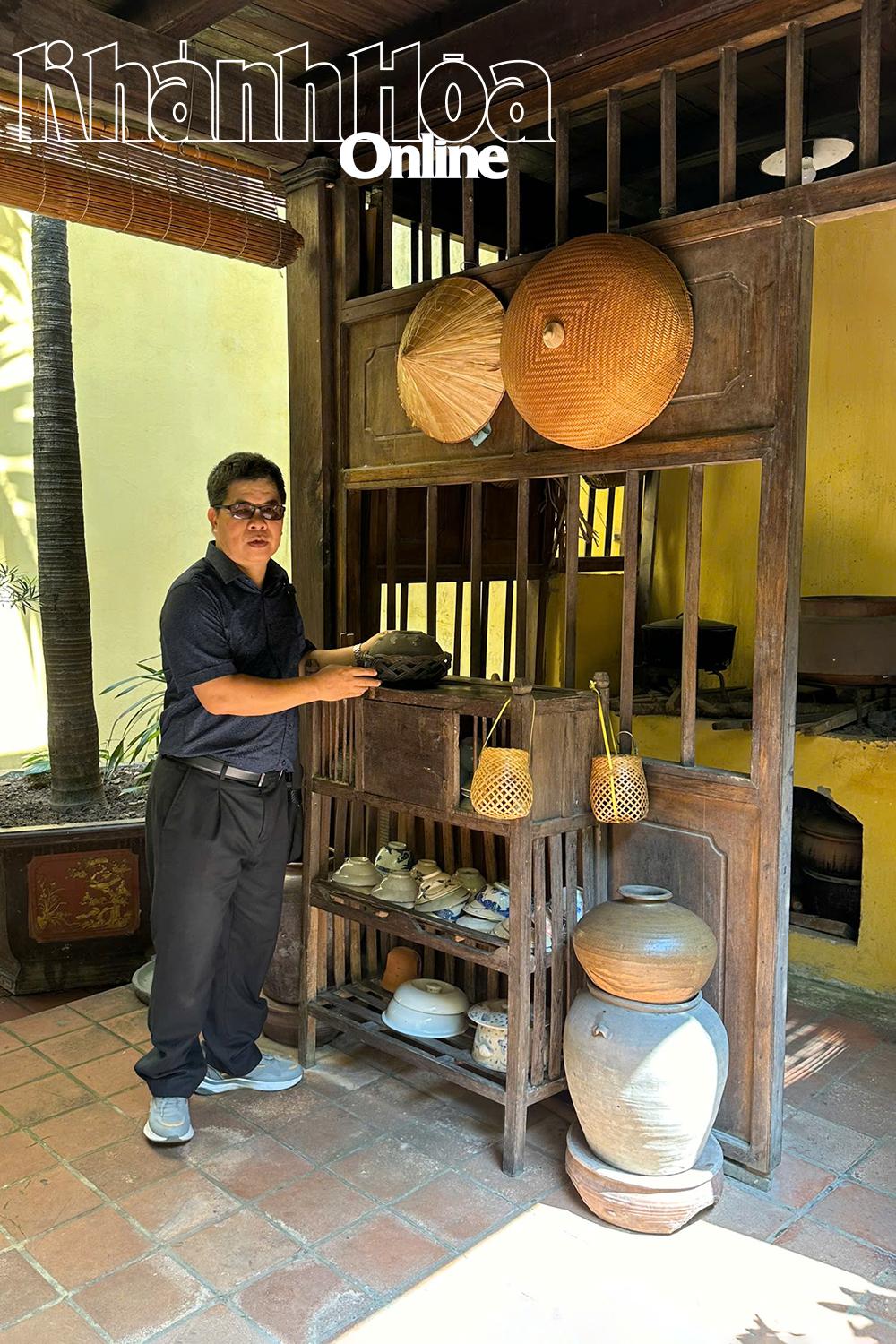 |
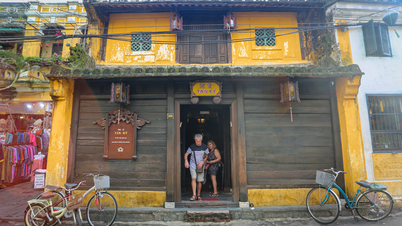
| The author with a cupboard in old Hanoi . |
During those difficult years, the cupboard mainly contained a few earthenware pots, crude cast-iron pots, baskets, a few small jars of fermented crab paste, pickled vegetables, a jar of coarse salt, or a bottle of fish sauce. The food storage area was very meager: only a bowl of coarse salt, sometimes a pot of salted fried shrimp. Only at Tet (Lunar New Year) would there be a jar of minced pork ribs, bones and all, roasted in salt – the most "luxurious" dish of the year. The wealthiest families might have a tiny jar of MSG or a pot of lard.
Meals back then were simple: boiled garden vegetables, soup, sometimes with a crab, clam, or fish caught while working in the fields. Stir-fried dishes were rare, as there was no oil or fat like there is now. Therefore, the cupboard didn't hold much leftover food for the next meal, despite its intended function. The cupboard served both as a storage place for miscellaneous items during times of poverty and as a symbol of frugality and hard work. To put it figuratively, it's like a poor mother in the kitchen corner nurturing the warmth of her home. In the city, the cupboards were made of sturdy wood, with partitions, covered with mesh to keep out flies and mosquitoes, and legs to protect the water bowls from ants, while the cupboards in the countryside were made of simple bamboo. Over the years, they became rickety and dilapidated, but no one dared to throw them away. In the smoky, blackened corner of the kitchen, the cupboard was a close friend of the hardworking women who toiled from dawn till dusk.
For children like me, the space under the cupboard was a mysterious world : a shelter for tabby cats to bask in the winter sun, where the yellow dogs would rest their snouts waiting for their meal, and also where I would stealthily open the creaky bamboo door to find something to eat. I vividly remember the time my family moved to a poor working-class neighborhood. At lunchtime, after school, everyone's stomachs were rumbling with hunger, their schoolbags dragging along the road. Before I could even put my bag down, I'd rush into the kitchen, open the cupboard, and look for the food the adults had saved. Usually, it was a small bowl containing a large, fist-sized lump of boiled dough – the "poor man's dumpling," thick and plain, with a slightly pungent smell of tapioca flour. Yet, we ate it with relish, dipping it in salt water, finding warmth in the hardships of life!
As time passed and modern refrigerators and kitchen cabinets appeared in every home, the old-fashioned bamboo cupboard gradually faded into the past. But in the memories of many, it remains a cherished corner, a witness to a time of poverty yet warmth and love. In many mountainous regions, where life is still difficult, the bamboo cupboard still stands as a diligent friend, preserving old customs.
Whenever I think of the cupboard, my heart is filled with a mix of emotions – the pure feelings of childhood, where simply opening the creaky bamboo door would bring back a flood of memories, the smell of kitchen smoke, and my mother's voice...
DUONG MY ANH
Source: https://baokhanhhoa.vn/van-hoa/sang-tac/202511/cham-vao-ky-uc-thoi-gian-67f14e2/

![[Photo] Conference on the transfer and reception of Party organizations and Party members between the Party Committee of the Government and the Party Committees of the Central Party Agencies](https://vphoto.vietnam.vn/thumb/1200x675/vietnam/resource/IMAGE/2026/04/01/1775036784472_ndo_br_bnd-2620-jpg.webp)

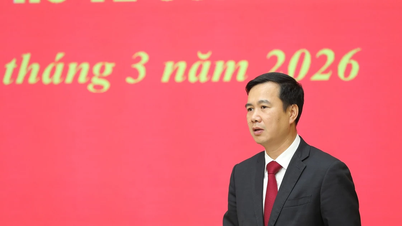
![[Photo] Conference announcing the Politburo's Decision on organizational and personnel matters](https://vphoto.vietnam.vn/thumb/1200x675/vietnam/resource/IMAGE/2026/04/01/1775017881825_bnd-2410-1472-jpg.webp)






































Comment (0)