


According to Mr. Tran Xuan Viet, an official from the Culture and Social Affairs Department of O Dien commune and also a resident of Ha Mo village: The O Dien area once held a crucial position in the nation's history, associated with the capital of Van Xuan during the reign of Ly Nam De in the 6th century. Layers of alluvial soil from the Red River, Nhue River, and Day River have built up this land of "mountains and sandbanks," which was once a meeting point for the Trung Sisters and later the residence of Prince Ly Bat Lang, son of King Ly Phat Tu.
According to a legend preserved by the people of Ha Mo for generations, the "cháo se" (a type of rice porridge) originated when Prince Ly Bat Lang returned from battle. Seeing the soldiers' meager rations, he ordered his provisions to create a new dish using the readily available bone broth and rice. His attendants devised a method of grinding rice into a fine powder, kneading it with warm water, and then hand-rolling it into small strands, which were then dropped into the boiling bone broth. The soft, pliable strands blended with the sweetness of the meat, and the tender bones formed a natural "pattern." Upon tasting it, the prince praised the harmonious blend of the light richness from the bones, the slightly chewy texture of the rolled dough, and the delicate flavor of the meat. From then on, "cháo se" became an indispensable dish for the soldiers, and the people of Ha Mo remembered it as a symbol of a glorious era. After the prince's death, the villagers erected a temple and preserved the "cháo se" as part of their spiritual heritage.
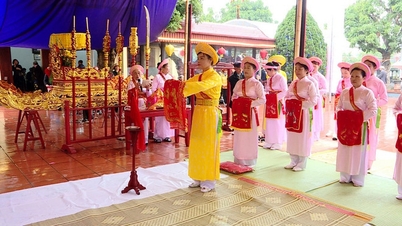
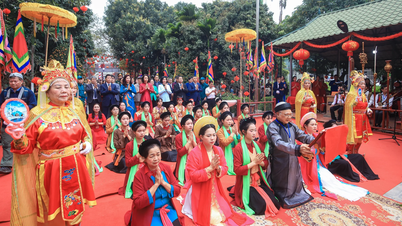
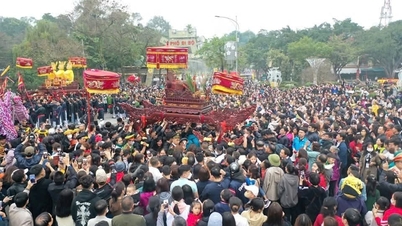
Today, for generations, the people of Ha Mo still maintain the tradition of cooking thick, sticky rice porridge during festivals on the 12th day of the first lunar month and the 12th day of the eighth lunar month, commemorating the village's patron deity. This dish is also present in all community activities such as village gatherings, neighborhood events, harvest season summaries, and celebratory feasts at family events. The hot, thick porridge, fragrant with the aroma of simmered bones and rice flour, has become a symbol of togetherness and unity.
From Ha Mo and O Dien, this dish followed the locals to the inner city streets, becoming a unique, delicious, and appealing local delicacy for diners today. Amidst countless city treats, the simple, unpretentious rice porridge retains its original flavor, yet is rich with the historical story of a land that was once a capital city.
Source: https://hanoimoi.vn/chao-se-ha-mo-lan-toa-pho-phuong-726839.html





















































Comment (0)