BTO - Farmers in Tánh Linh district no longer have to worry about drought like in previous years. Now, the irrigation canal system covers the fields with a stable water supply. The Tánh Linh rice brand has become famous both within and outside the province. Today's results are the product of the efforts of the entire political system over a long period, starting from Directive 15 dated March 31, 2003, of the Tánh Linh District Party Committee on focusing on building and developing irrigation systems in conjunction with rural transportation in the district.
Lesson 1: Finding the Solution
For agriculture, with rice cultivation as its main focus, to develop and yield high economic returns, the first priority is to solve the problem of water supply for production. Even with the means of production, a lack of water will leave people's lives in hardship. The journey of ensuring water for the people has been a top priority for successive generations of leaders in Tánh Linh district.
A turning point that paved the way.
In 1983, Tanh Linh district was re-established by Decision No. 204 dated December 30, 1982, of the Council of Ministers, after being separated from Duc Linh district. Following its re-establishment, Tanh Linh quickly embarked on socio-economic development and stabilizing the lives of its people. However, at that time, agricultural production in Tanh Linh was still backward and fragmented. Farmers mainly produced based on traditional experience, dependent on rainwater, and the application of science and technology was limited. The harsh climate and frequent natural disasters like floods resulted in low productivity and output. In this context of numerous difficulties, simultaneously addressing many urgent tasks presented significant challenges. Visits and working sessions by leaders of the Binh Thuan Provincial Party Committee and People's Committee provided insights and outlined strategies and directions for the local development, both short-term and long-term. The top priority is to develop the economy based on the potential and advantages of the locality, gradually eliminating hunger, poverty, and backwardness.


In 2003, Directive No. 15 of the Tanh Linh District Party Committee on developing irrigation systems linked to rural transportation was issued. This is considered a particularly important turning point that paved the way for the development of agriculture and rural areas in Tanh Linh. Recalling that time, Mr. Nguyen Huu Tri - former Secretary of the Tanh Linh District Party Committee (2000-2005) shared: In 2003, he was the Standing Deputy Secretary of the District Party Committee and Chairman of the District People's Council. At that time, agricultural production in the locality mainly relied on gravity-fed dams, thus not fully utilizing the cultivated land area, cropping seasons, and the efficiency of various crops. Therefore, the Standing Committee of the District Party Committee was very determined to find a way to revitalize the district's agriculture. After careful discussion and calculation, and with the approval of the Provincial Party Committee on the policy of building irrigation canals linked to rural transportation, the district leadership, departments, and localities focused on surveying and inspecting the actual situation; The project involved holding public meetings to gather opinions and discuss implementation methods, and notably, the farmers showed very high levels of consensus. “During the construction of the irrigation system, integrated with rural transportation, the people showed interest and support at every stage, creating favorable conditions. After completion and commissioning, the results have been very effective,” Mr. Tri said.
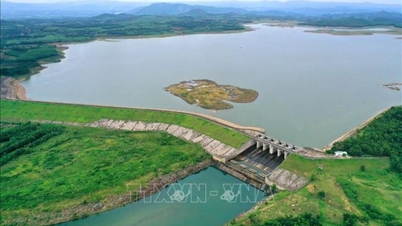
According to Mr. Tri, the cultivated area has increased by about 1.5 times; from one precarious crop to 2-3 crops; people's income has increased significantly; and the people are very enthusiastic. Furthermore, the District Party Committee has also developed an action program to continue completing and reinforcing the irrigation canal system connected with internal field transportation by 2015. This is coupled with support from the central government. In 2010, the Ta Pao irrigation project was started, and thanks to this, the irrigation system now covers and connects with reservoirs and dams throughout the district, such as Bien Lac, the Bien Lac - Ham Tan water supply canal, and 7 small diversion dams, 9 electric pumping stations located along the La Nga River, exploiting the entire agricultural production area in the district and contributing to increased income for farmers.
The province's key food production area.
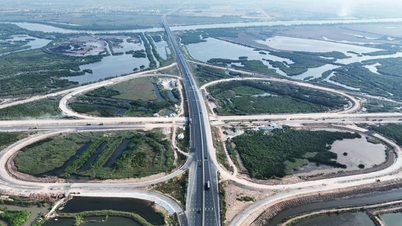
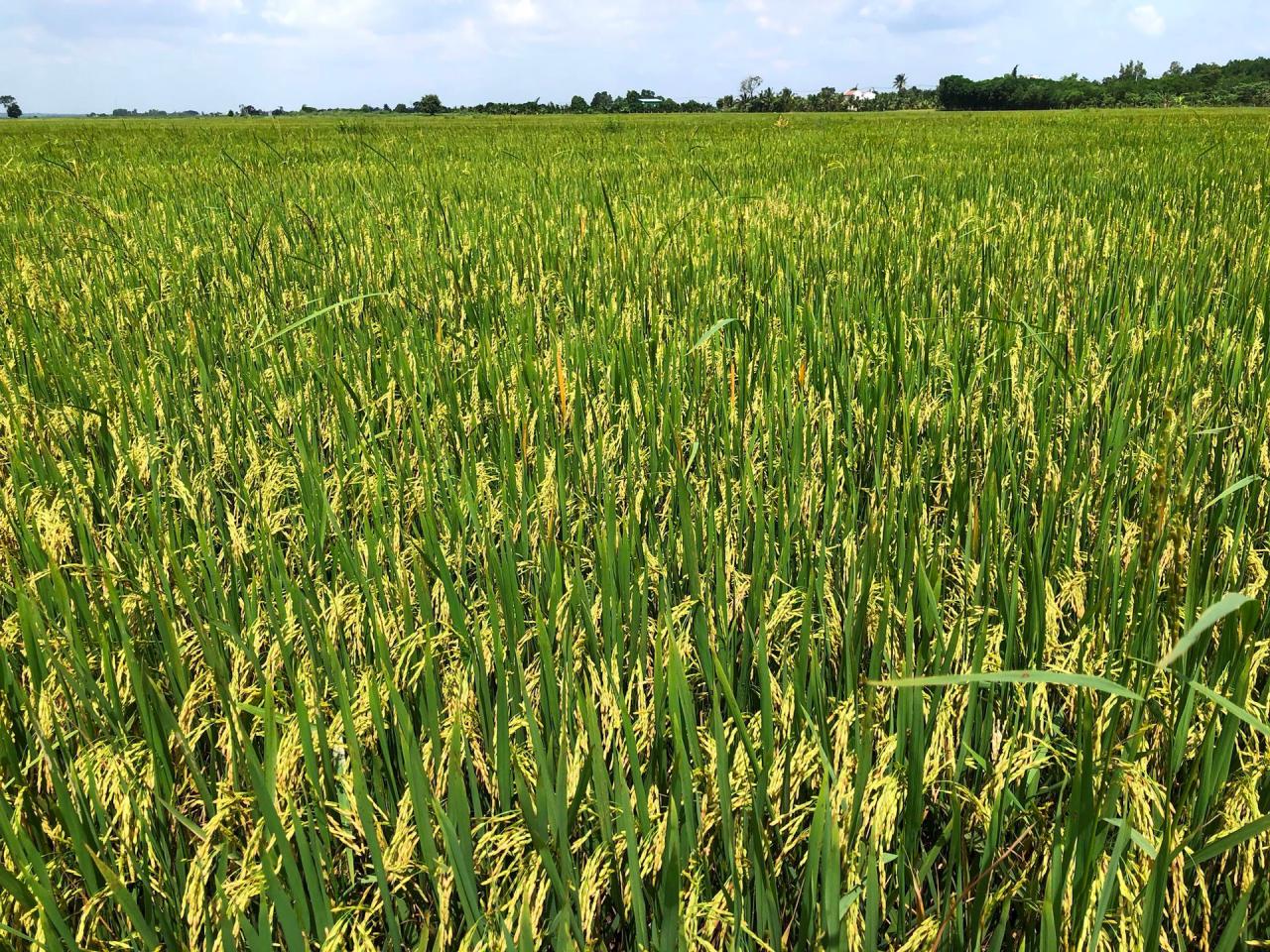
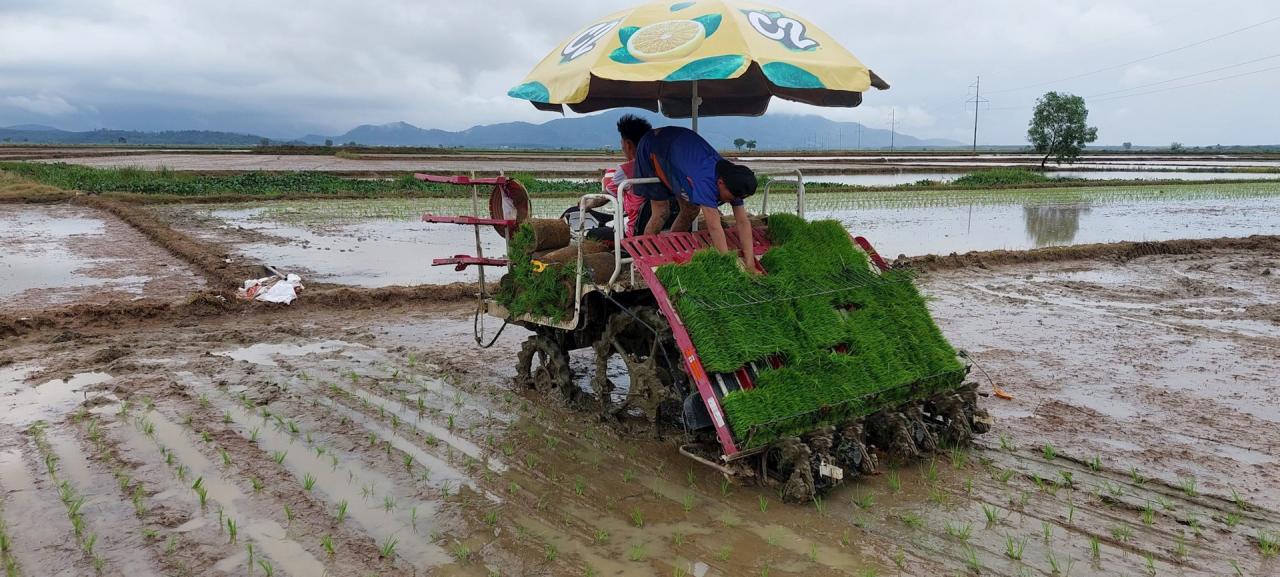
Visiting Tánh Linh today, one is impressed by the well-invested and systematically constructed irrigation canal system. With water, production and daily life have become stable. Barren lands have been revived and covered with various trees and crops. According to the Tánh Linh District People's Committee, while the total cultivated area in 1983 was only nearly 9,400 hectares, by 2022 it had increased to over 63,000 hectares. In 1983, the total food production was 19,600 tons, while in 2022 it exceeded 194,000 tons. From a district that annually needed food subsidies, Tánh Linh has risen to become a key food production area of the province, producing over 1,000 tons of rice annually to meet food needs both within and outside the province.



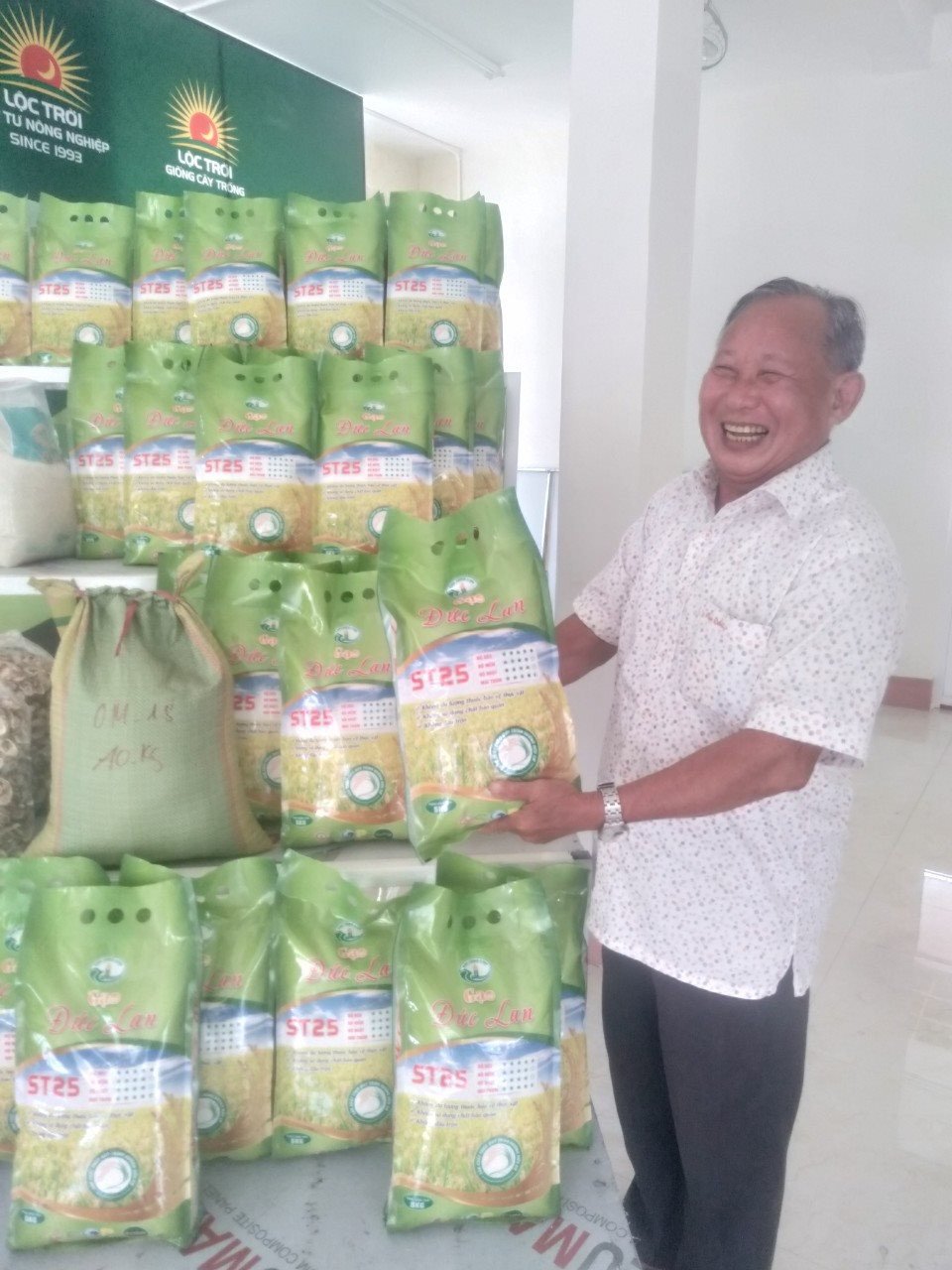
To improve the quality of rice in Tanh Linh district, over the years the district has focused on implementing models such as building large-scale rice fields covering more than 3,000 hectares, and developing high-quality rice growing areas covering nearly 1,800 hectares, accounting for 50% of the large-scale fields. This has created conditions for expanding the area of linked production and consumption of agricultural products. Annually, on this area, the district has provided subsidies for organic microbial fertilizers to both improve soil and help farmers gradually shift to organic production. As a result, over 2,700 hectares are produced organically, including 50 hectares producing according to VietGAP standards with the "Tanh Linh Rice" brand, with a yield of about 100 tons/year; the province has recognized 2 OCOP rice products with 3 stars (ST24 and OM18), increasing income by 1.5 to 2 times compared to normal commercial rice production.
Following Directive 15, the entire district has constructed 7 gravity-fed dams and 9 electric pumping stations, bringing the total irrigation capacity to over 7,000 hectares per crop. In particular, some electric pumping stations have exceeded their designed capacity, such as the Gia An pumping station, designed to irrigate approximately 400 hectares, but actually irrigating over 585 hectares of cultivated land, and the La Ngau pumping station, designed for 275 hectares, but irrigating 330 hectares .
Source