The accommodation craze
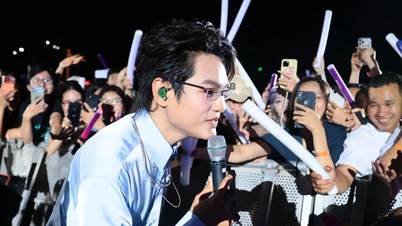
According to Koreaboo, BTS will hold their 'Arirang' concert in Busan on June 12th and 13th as part of their world tour. The event coincides with the group's debut anniversary (June 13th) and is expected to attract a large audience both domestically and internationally.
The management company and the Busan city government have also prepared many side activities to serve the fans. However, on the eve of the event, Busan is facing controversy over the increase in accommodation prices.
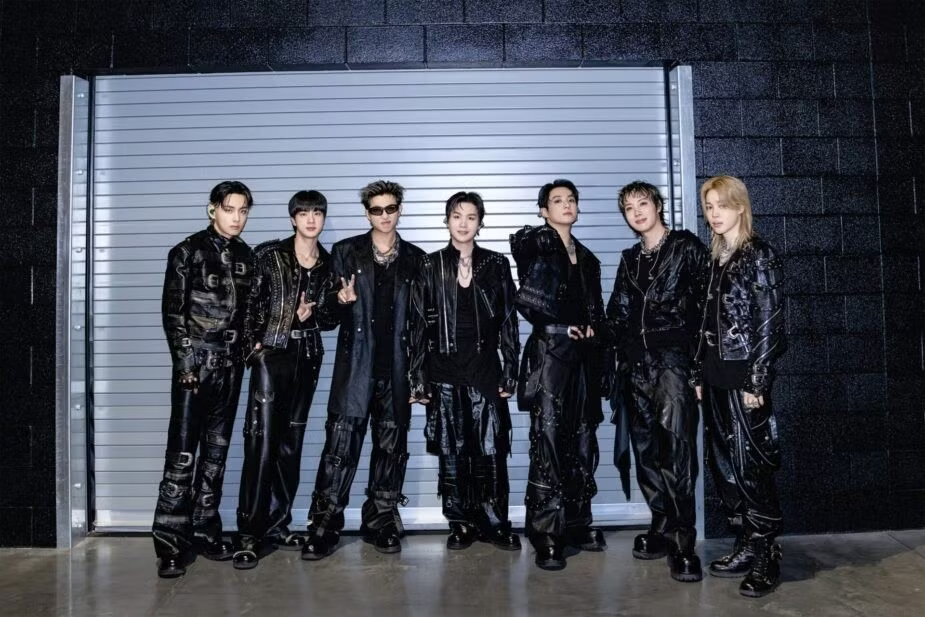
BTS held their 'Arirang' concert in Busan on June 12th and 13th as part of their world tour.
Earlier in May, the Korea Fair Trade Commission and the Korea Consumer Service surveyed 135 accommodations in Busan. The results showed that the average room rate during the BTS concert was approximately 2.4 times higher than on the preceding weekends.
Specifically, motel prices increased by approximately 3.3 times, while hotel prices increased by about 2.9 times. Some establishments were found to have raised prices by more than 5 times compared to normal days. In some cases, rooms priced at around 100,000 won were listed at 750,000 won, while rooms in the 300,000 won ranged up to 1.8 million won.
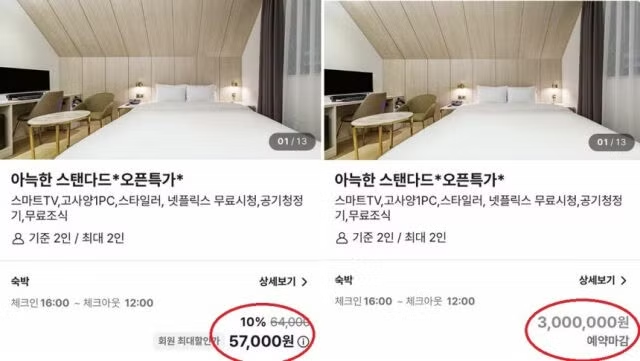
Besides the price hikes, fans have also reported that previously confirmed bookings were unexpectedly canceled after the concert schedule was announced. Allegations suggest that some venues canceled bookings citing overcrowding or renovations, then resold rooms at significantly higher prices.
This isn't the first time a BTS concert in Busan has sparked controversy regarding accommodation prices. In 2022, when the group held Yet To Come in Busan to support the city's bid to host the World Expo 2030, many accommodations were criticized for canceling bookings and reselling rooms at prices more than ten times higher.
The issue even prompted the BTS members themselves to speak out. During a live broadcast after the American Music Awards on May 26th, the group mentioned their upcoming concert in Busan and expressed concern about the controversies surrounding room prices.



The government intervened.
In response to this situation, on June 1st, the South Korean Ministry of Culture, Sports and Tourism, along with related agencies, established a joint task force to develop a mechanism to control unreasonable price increases during peak seasons and major events.
One of the key solutions is to implement a pre-declaration pricing system. Accordingly, accommodation establishments will have to register and publicly disclose the prices they will be using during major events.
Authorities are also considering increasing penalties for violations such as failing to display prices, displaying incorrect prices, selling at prices other than those listed, or arbitrarily canceling customer reservations. In addition to warnings, violating establishments may face the risk of suspension of operations.
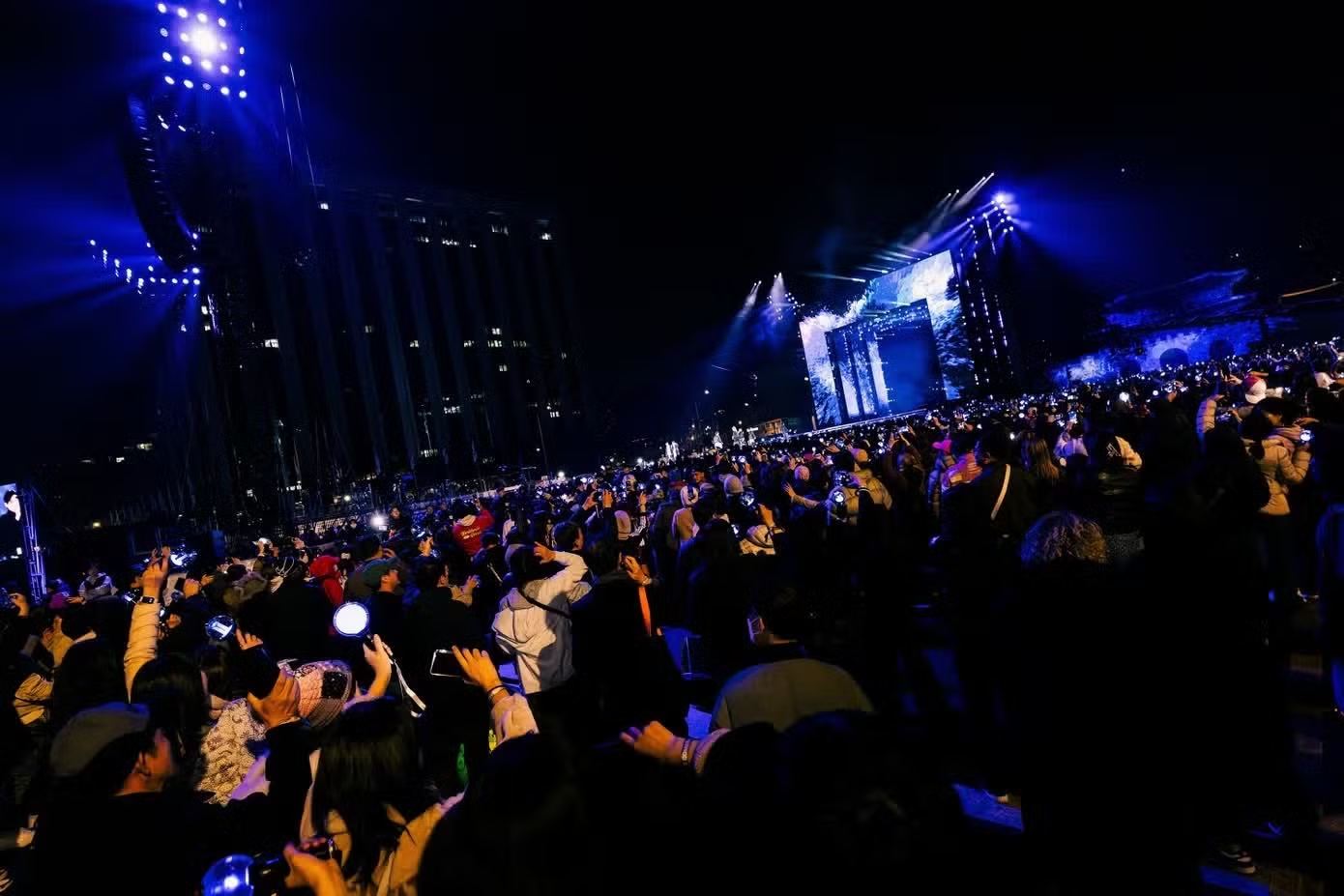
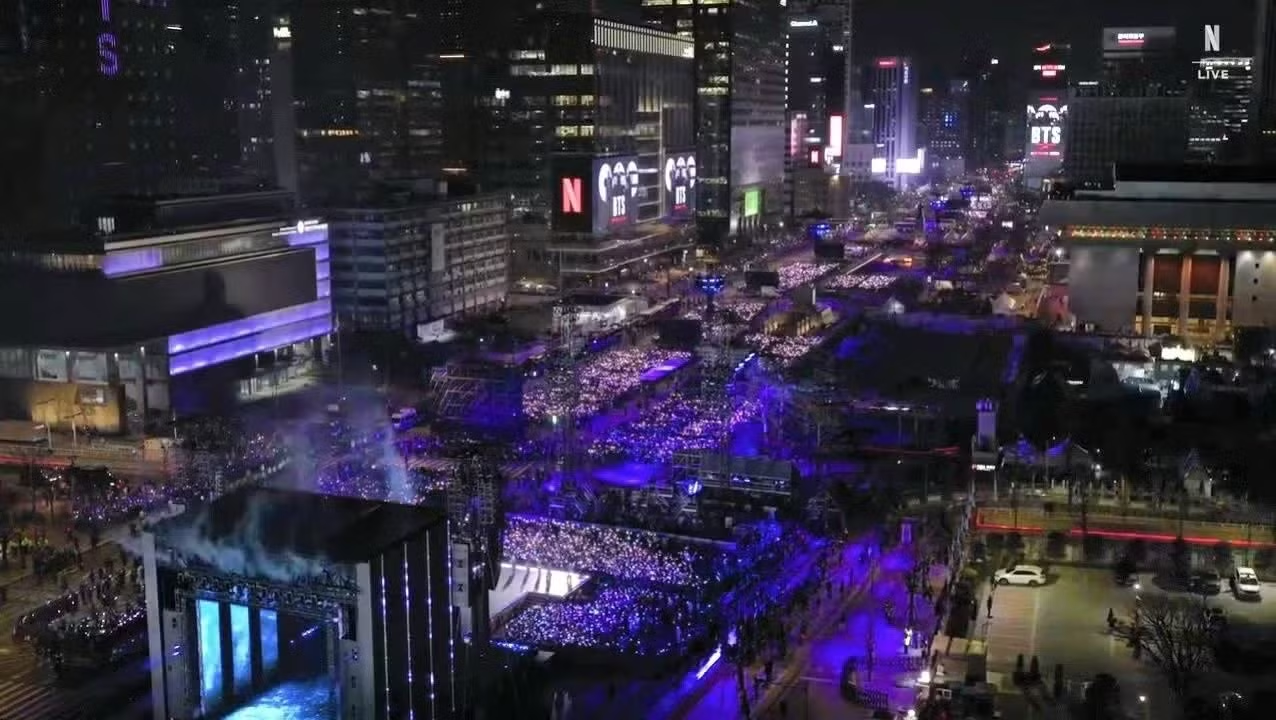
In parallel, the South Korean government plans to add approximately 1,300 alternative housing places by utilizing university dormitories, public training facilities, youth centers, and religious institutions.
The Busan city government also implemented a community homestay model, encouraging local residents to directly provide accommodation for tourists in order to alleviate the pressure of room shortages during concerts.
With BTS's global popularity, the issue of hotel room prices in Busan is no longer just a concern for the fan community, but has become a tourism and accommodation management problem that the South Korean government is forced to address.
Previously, the free BTS comeback live concert, Arirang, held at Gwanghwamun Square (Seoul) in March, attracted significant attention from the South Korean government.
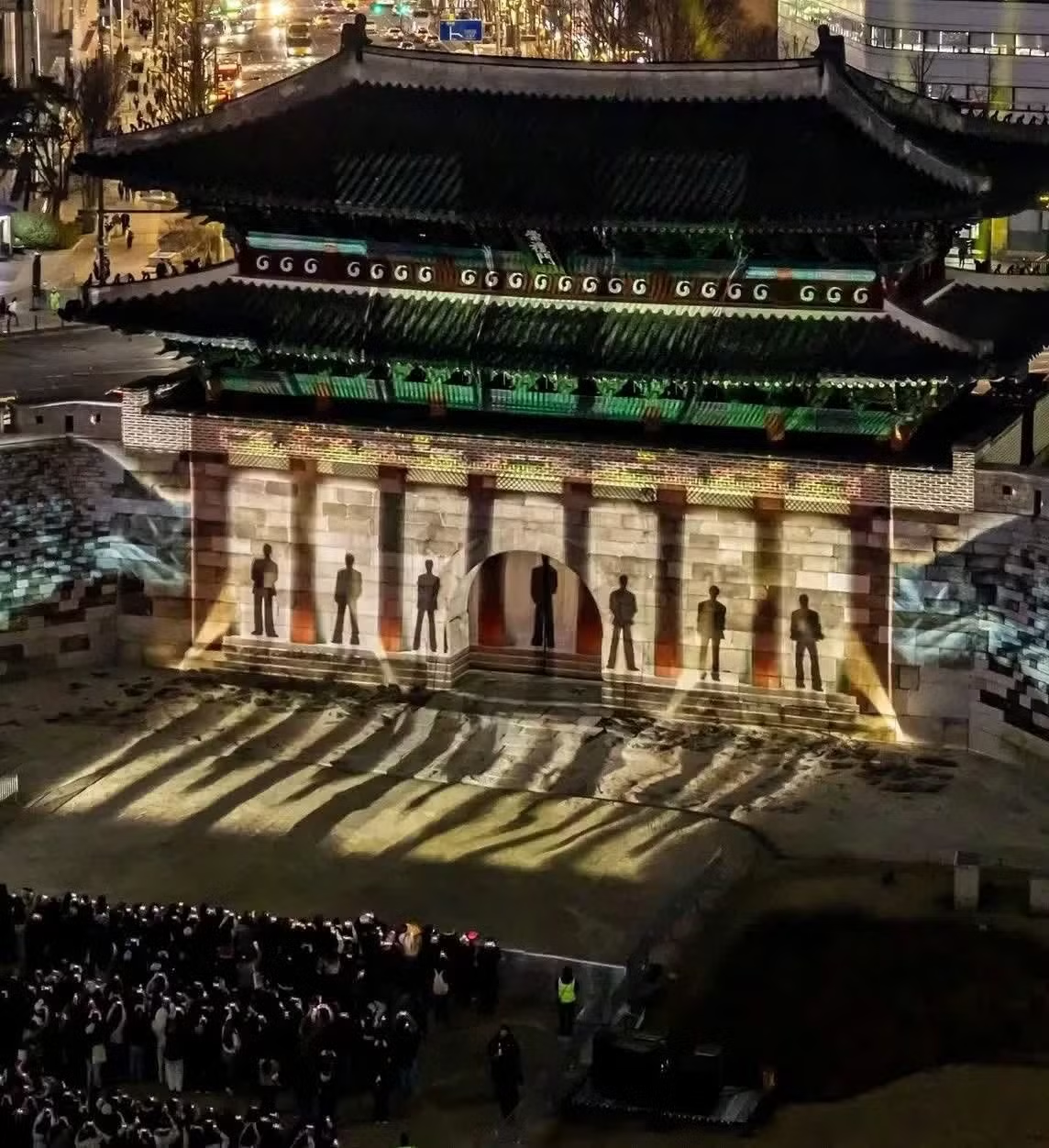
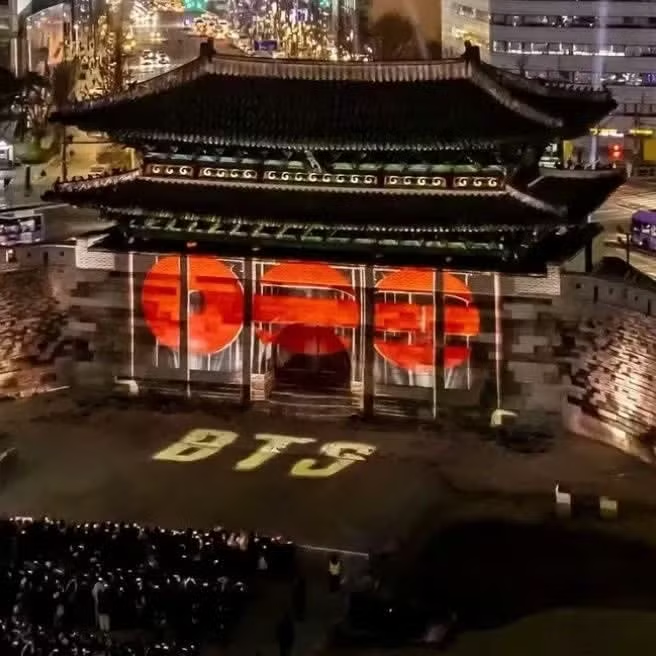



According to official predictions, approximately 260,000 people could gather around the event area. Given this unprecedented scale, the South Korean government has raised the terrorism alert level in central Seoul to a cautious level, while also increasing security patrols and surveillance and deploying emergency response plans.
Beyond security arrangements, the BTS concert was also seen as an opportunity to promote the nation's image. The South Korean Ministry of Culture, Sports and Tourism and the Korea Tourism Organization launched a series of media campaigns to attract international tourists. Numerous experiential spaces, cultural activities, and tourist support points were established around the Gwanghwamun area, while official travel platforms simultaneously featured locations associated with BTS.
The fact that the South Korean government has repeatedly had to intervene to resolve issues arising from BTS concerts, from security to managing hotel room prices, demonstrates the extraordinary influence of this group.
With the ability to attract tens of thousands to hundreds of thousands of fans to each event, BTS is not only a musical phenomenon but also a significant factor impacting tourism, the economy, and the national image of South Korea on the international stage.
Source: https://tienphong.vn/chinh-phu-han-quoc-phai-vao-cuoc-post1848927.tpo
![[Photo] National Assembly Chairman Tran Thanh Man attends the Conference to announce the Master Plan for Hanoi Capital City with a 100-year vision.](https://vphoto.vietnam.vn/thumb/1200x675/vietnam/resource/IMAGE/2026/06/29/1782709639728_ndo_br_1-jpg.webp)
![[Image] A look back at the capital's preparations for the century-long master plan.](https://vphoto.vietnam.vn/thumb/1200x675/vietnam/resource/IMAGE/2026/06/29/1782750453122_quy-hoach-100-nam-minh-duy-1-2118-jpg.webp)

![[Photo] General Secretary and President To Lam works with the Party Committee of the Government on the work of preventing and combating storms, floods, extreme natural disasters and climate change.](https://vphoto.vietnam.vn/thumb/1200x675/vietnam/resource/IMAGE/2026/06/29/1782729441945_a1-bnd-0385-9454-jpg.webp)


















































![[Image] Building an elevated road through the Ma Da forest.](https://vphoto.vietnam.vn/thumb/402x226/vietnam/resource/IMAGE/2026/06/29/1782724737750_anh-man-hinh-2026-06-29-luc-16-18-43.png)